
An Injectable Particle Could Make Surgery Safer for Infants
Researchers at North Carolina State University have engineered an injectable microgel, called BK‑TriGs, that dramatically reduces surgical bleeding in infants. In mouse models mimicking neonatal hemostasis, the particles cut blood loss by 50‑60 percent compared with controls. The microgel leverages B‑peptide sequences to enhance fibrin network formation, acting like synthetic platelets. Published in Science Advances, the study suggests a low‑cost alternative to adult blood transfusions for neonatal surgery.
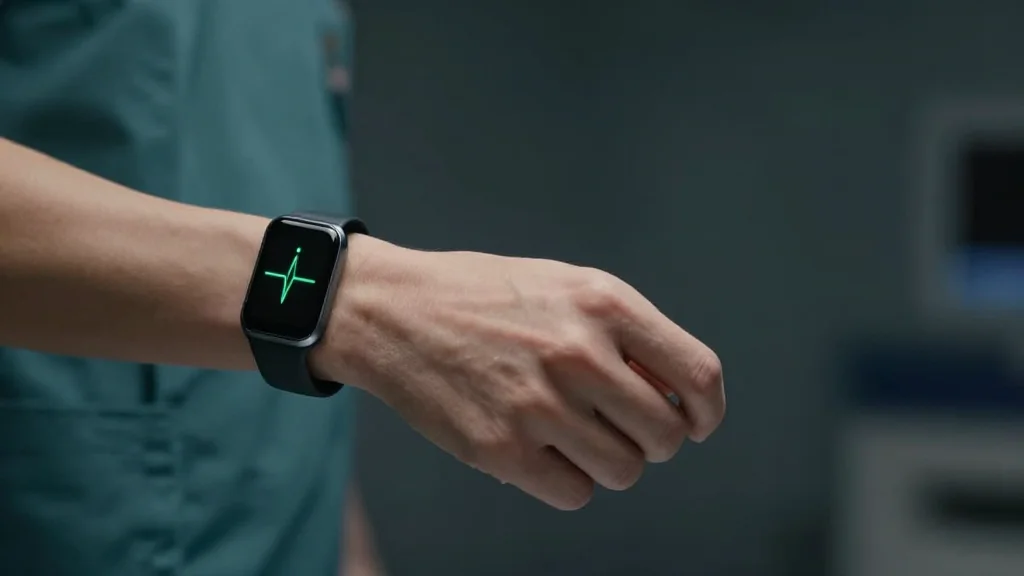
MUSC Health Uses AI Analytics to Gain OR Scheduling Efficiencies
MUSC Health adopted Apella's ambient AI platform to replace manual EHR timestamps with automated, real‑time operating‑room event tracking. The technology delivered six‑fold more accurate timestamps and updates within a minute, instantly visible to charge nurses and coordinators. Within weeks, 100%...
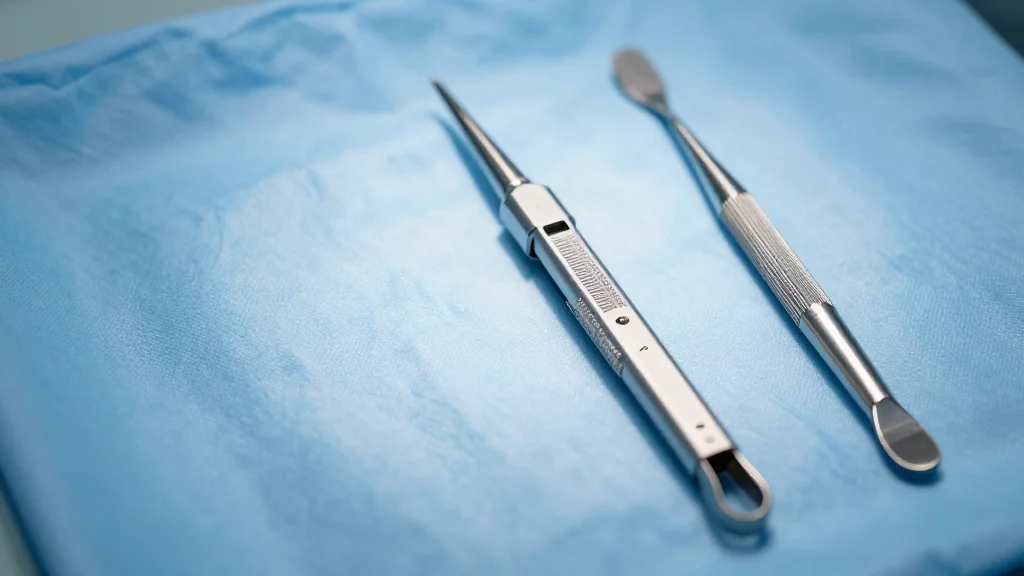
Restore Robotics Cleared to Remanufacture 2 More Da Vinci Xi Instruments
Restore Robotics received FDA 510(k) clearance for two additional da Vinci Xi instruments—a permanent cautery hook and a permanent cautery spatula—bringing its total FDA‑cleared remanufactured instruments to four. The clearances follow earlier approvals for da Vinci scissors and expand the company’s portfolio of...

Gut-, Diet-Derived Metabolites Linked to Cognitive Impairment
A University of East Anglia study linked six gut‑ and diet‑derived metabolites to early cognitive decline, showing that adults with subjective or mild cognitive impairment have lower neuroprotective compounds and higher toxic markers. Using these metabolites, a random‑forest model achieved...

Smarter Documentation Is Changing EMS Operations
Emergency medical services (EMS) agencies are adopting AI tools to streamline documentation, a long‑standing bottleneck. Voice‑to‑text and optical character recognition (OCR) now capture patient data in real time, reducing manual entry and errors. Administrators benefit from AI‑driven search, quickly surfacing...
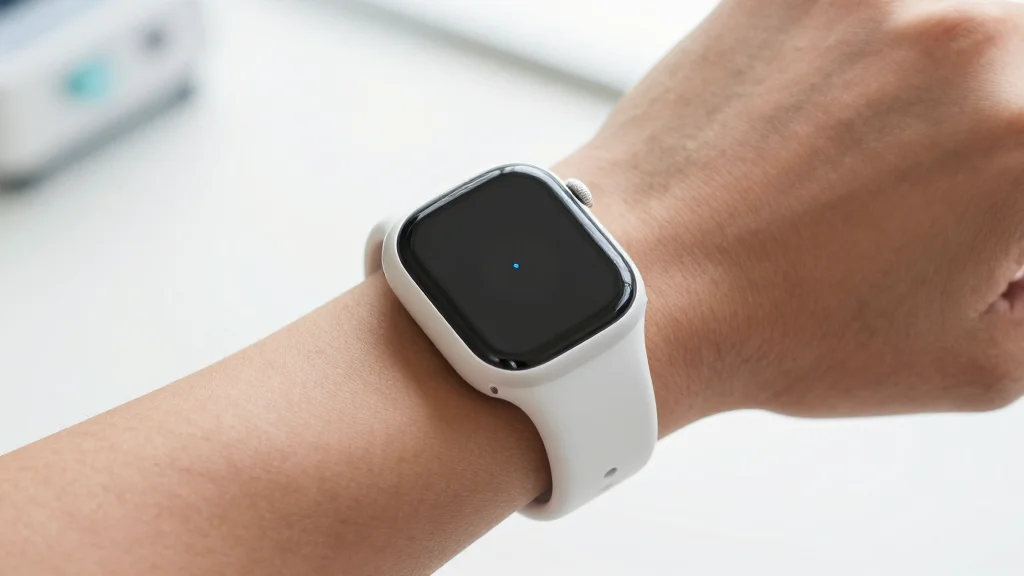
Wearable Health Devices Expand Clinical Role as FDA Loosens Oversight
The FDA has announced a more flexible oversight approach for low‑risk wearable health devices, effectively lowering regulatory barriers for smartwatches and sensor‑based tools. This shift is accelerating the integration of continuous patient data into both routine and acute clinical care,...

The Healthcare Burnout Backlash (Pt 2): Positioning AI Pilots for Success Within EHR-Integrated Environments
Healthcare administrators are grappling with AI pilots that operate alongside, rather than within, electronic health‑record (EHR) systems, creating hidden operational risks. While early pilots can move quickly by using separate data environments, the lack of seamless integration leads to traceability,...
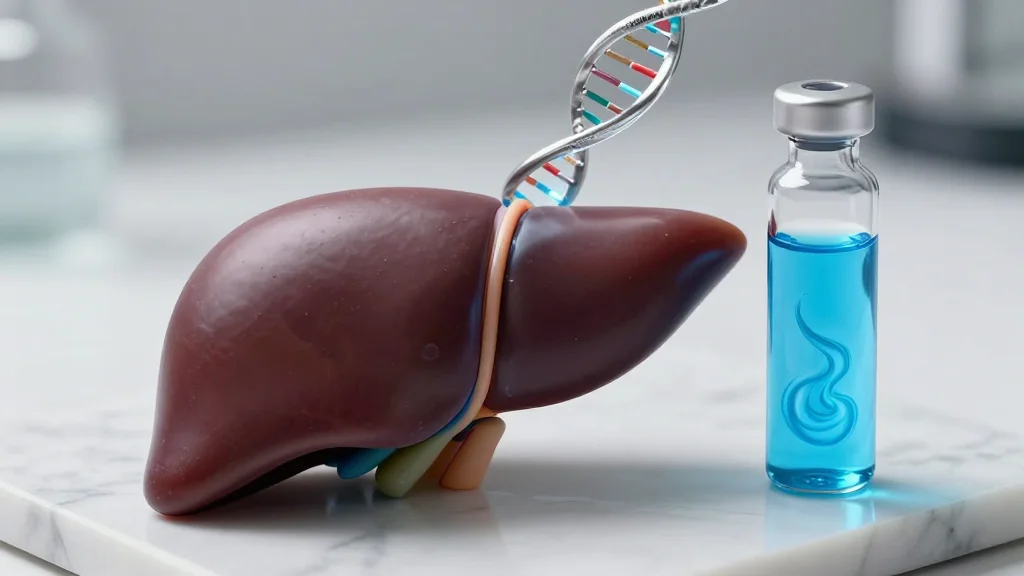
Curve Bio Strengthens Clinical Push with CMO Hire
Curve Biosciences, the whole‑body intelligence company, announced the appointment of hepatology expert Dr. Amit Singal as chief medical officer. The hire follows a $40 million financing round and signals the firm’s shift from platform development to clinical implementation, starting with liver...

Serenity Medical Receives FDA Humanitarian Device Exemption for IIH Venous Stent
Serenity Medical has secured an FDA Humanitarian Device Exemption for its River venous stent, the first cerebral venous stent cleared for severe, refractory idiopathic intracranial hypertension (IIH). The approval follows the River Study, a multicenter trial of 39 patients that...

FDA Publishes New Set of Real-World Evidence Examples
The U.S. Food and Drug Administration’s Center for Devices and Radiological Health released a new collection of 73 real‑world evidence (RWE) examples that illustrate how medical device marketing authorizations have been supported by real‑world data from fiscal years 2020 through...

Superpower Partners with Grail to Add Galleri Cancer Screening
Superpower, a technology‑driven health benefits platform, announced a partnership with Grail to incorporate the Galleri multi‑cancer blood test into its member offerings. Galleri screens for more than 50 cancer types using DNA methylation signatures and has received FDA clearance for...
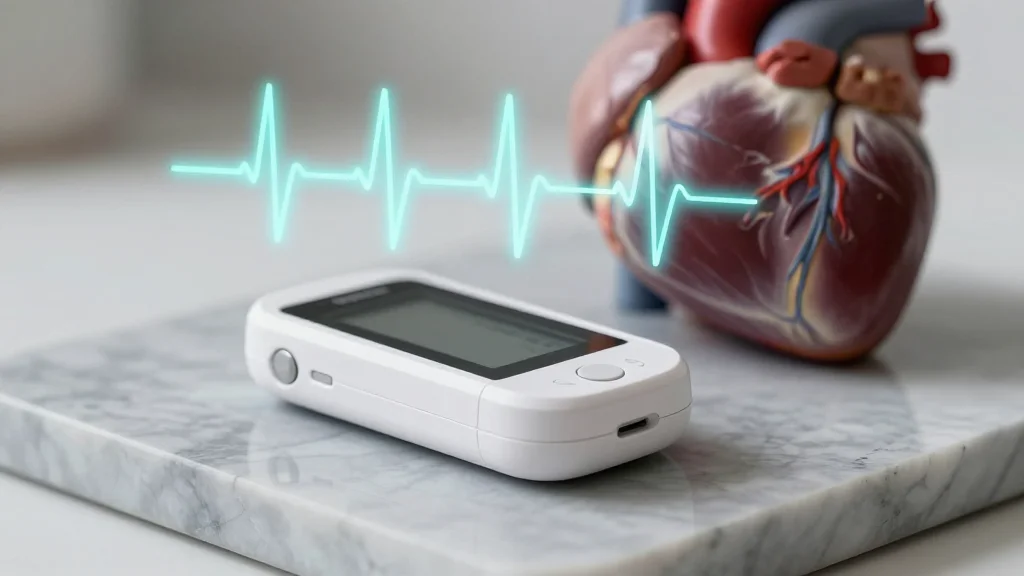
Well Health Partners with AliveCor for Cardiologist Review
Well Health has teamed with AliveCor to embed Canadian‑registered cardiologists into the Kardia app’s AI‑driven ECG workflow. Canadian users can now request a Clinician Review, receiving a written physician interpretation within 24 hours. The service leverages Health Canada‑cleared AI algorithms...
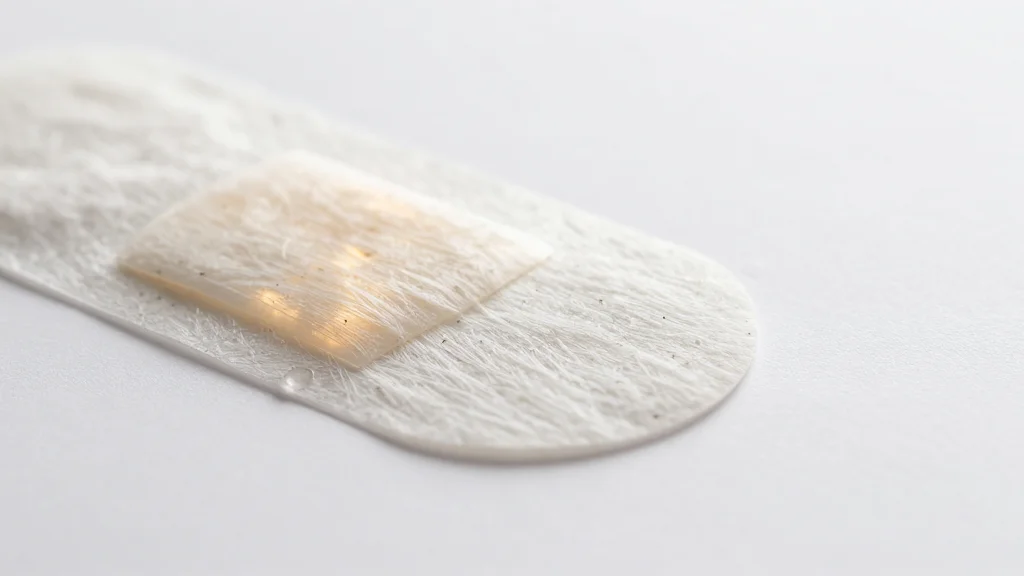
Freeze‐Drying Tumor Tissues Derived Bio‐Patches With Hair Melanin Nanoparticles Integration for Wound Healing
Researchers have created a freeze‑dried bio‑patch from decellularized colon tumor tissue that incorporates hair‑derived melanin nanoparticles. The patch preserves extracellular matrix proteins, growth factors, and collagen while adding antioxidant and photothermal antibacterial functions. In vitro tests show enhanced cell migration,...

Zeto Receives US FDA 510(k) Clearance for Zeto New Wave to Advance Outpatient EEG
Zeto has secured FDA 510(k) clearance for its New Wave outpatient EEG system, enabling use in clinics and homes. The device features 21 soft‑tip electrodes covering the full 10–20 system and integrates synchronized video and audio capture. It supports recordings...

The Golden Hour: Saving Lives with Minas Gerais' H145 Helicopters
Minas Gerais' Military Fire Corps has added two Airbus H145 helicopters to its Advanced Air Life Support Service, dramatically enhancing aeromedical rescue across the state’s rugged terrain. The twin‑engine aircraft can transport patients, organs, and perform winch rescues, cutting a...

This Is What 3D Printing Was Made For
Researchers at Hospital Clínic de Barcelona’s Neonatology unit have leveraged additive manufacturing to create personalized, 3D‑printed nasal masks for premature infants. Standard masks, offered in only four sizes, often mismatch babies weighing under 2.5 kg, leading to discomfort and compromised ventilation....

FDB Launches MedProof MCP to Ground AI Agents in Clinical Drug Knowledge
First Databank (FDB) has released MedProof MCP, the first Model Context Protocol server designed to embed AI agents with its clinical‑grade drug database. The open‑source MCP standard lets large language models query trusted medication intelligence in real time, cutting integration...

Vietnam’s New AI Robot Cuts Bone to Millimetre Accuracy While the Surgeon Watches
Tam Anh General Hospital in Ho Chi Minh City has become Vietnam's first site to use the CUVIS‑Joint AI surgical robot, making the country the ninth worldwide to deploy the fully autonomous knee and hip replacement system. Developed by South...

Amazon Teams Up with Berry Street to Expand Access to Nutrition Therapy
Amazon has incorporated nutrition‑therapy platform Berry Street into its Health Benefits Connector, a marketplace that links employees with employer‑covered digital health services. When shoppers look for nutrition products, the connector promotes Berry Street’s virtual dietitian network of about 1,500 clinicians covering weight...

Noninvasive Stimulation “Talks” To the Brain’s Memory Center
Researchers at the University of Iowa have demonstrated that transcranial magnetic stimulation (TMS) can non‑invasively engage the deep hippocampus by targeting cortical regions identified through each patient’s functional connectivity map. In eight neurosurgical patients with intracranial electrodes, personalized TMS elicited...

Impactful Innovations Reshape Learning and Technology at ACC 2026
The American College of Cardiology’s 2026 meeting highlighted AI’s transition from hype to a practical clinical tool, showcasing nearly 200 FDA‑cleared cardiology algorithms and embedding AI into the conference app. Attendees experienced live, mobile CCTA scans with AI‑driven plaque analysis,...

Why People With Chronic Illness Are Turning to AI Chatbots for Health Advice
Patients with complex chronic conditions are increasingly turning to AI chatbots like Claude for diagnostic clues after traditional specialists failed to provide cohesive care. A 70‑year‑old woman from North Carolina used Claude to piece together symptoms, concluding she suffered long...

Changemaker Spearheads Ohio's AI Center of Excellence
John Paganini, president of Paguar Informatics and former HIMSS employee, spearheaded the creation of the Northern Ohio HIMSS chapter’s AI Center of Excellence. The new hub now counts 140 members ranging from clinicians to IT leaders. Its mission is to...

Sirolimus DCB in Peripheral Disease Makes Strides in Hard Outcomes: SirPAD
The SirPAD trial showed that a sirolimus‑coated drug‑coated balloon (MagicTouch) significantly lowered major adverse limb events (MALE) to 8.8% versus 15% with uncoated balloons in femoropopliteal and below‑the‑knee peripheral artery disease patients. At one year, the composite of unplanned amputation...

Brain Game May Reduce Risk of Alzheimer’s and Other Dementias
A new study published in February 2026 finds that a specific brain‑training video game cuts dementia risk by roughly 25 % for adults over 65. The game challenges users to identify two separate images—a vehicle and a fleeting Route 66 sign—under increasingly...

KLAS Research Releases 2026 First Look Report on Abridge Ambient AI for Nursing
KLAS Research gave Abridge Ambient AI for Nursing a 94.3/100 score in its 2026 First Look report, based on early data from nine nurses across six health systems. The AI transcribes spoken observations into EHR flowsheets and links each entry...

Q&A: Duke’s Amanda Randles, Ph.D., on the Future of Digital Twin Innovation
Dr. Amanda Randles of Duke University leads the development of HARVEY, a cardiovascular digital‑twin engine that simulates patient‑specific blood flow across the entire vasculature. The platform, originally requiring the world’s largest supercomputer for a single heartbeat, now runs in minutes...
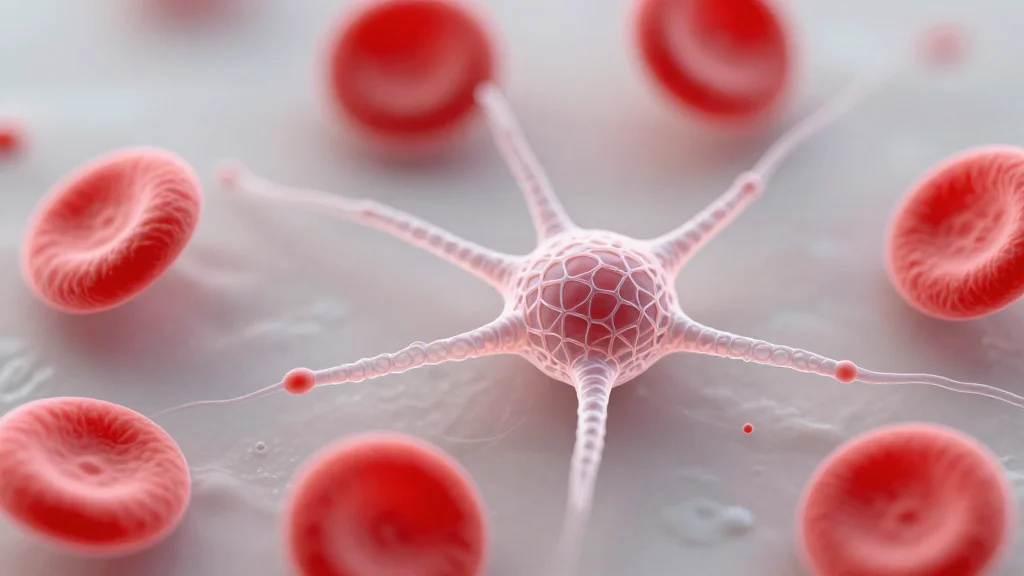
Blood Proteins Can Help Build Conductive Polymers in the Brain
Researchers at Purdue University discovered that iron-containing blood proteins can catalyze the in‑vivo polymerization of n‑doped poly(benzodifurandione) (n‑PBDF), forming conductive polymer meshes around neurons in mice. The method replaces copper salts with naturally abundant hemoglobin and myoglobin, eliminating toxicity concerns...

QT Imaging Releases Next Generation of Breast Imaging Software
QT Imaging Holdings launched version 4.5.0 of its breast imaging software, introducing spatially varying deconvolution that sharpens reflection images. The update fuses speed‑of‑sound data with reflection scans, delivering richer tissue characterization and clearer visualization. It also adds optimized reconstruction for...

Artificial Intelligence and Machine Learning Resource Guide: New From an ASN-Academy Joint Task Force
A joint task force of the American Society for Nutrition and the Academy of Nutrition and Dietetics has published an Artificial Intelligence and Machine Learning Resource Guide in The American Journal of Clinical Nutrition. The guide offers practical recommendations for...

Two Neutral IVUS Trials in Complex PCI—And One Positive—Spark Debate
Three recent randomized trials compared intravascular ultrasound (IVUS) with angiography for guiding complex percutaneous coronary interventions (PCI). Only DKCRUSH VIII, which focused on true bifurcation lesions, demonstrated a 60% relative reduction in 1‑year target‑vessel failure. The European OPTIMAL and IVUS‑CHIP studies,...
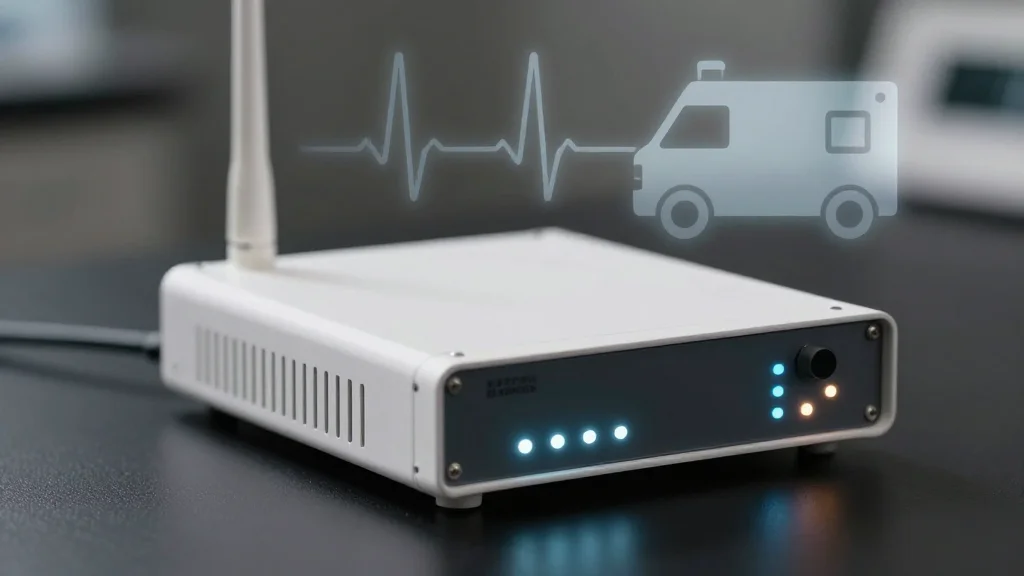
General Device’s User Spotlight: Arizona — Improving Pediatric Patient Care
Phoenix Children’s Hospital upgraded its telecommunications infrastructure with General Device’s CAREpoint ED Workstation to satisfy Arizona Base Hospital certification, enabling advanced life‑support direction for incoming EMS crews. The solution integrates radio voice and video recording, real‑time data monitoring, management reporting,...

Feds Invest $79 Million in Aspect Biosystems to Develop 3D-Printed Tissue Treatment
Vancouver‑based Aspect Biosystems secured $79 million CAD (≈$58 million USD) from Canada’s Strategic Response Fund for a $280 million CAD (≈$204 million USD) project to scale its 3D‑printed tissue platform. The company will fund the remaining $201 million CAD (≈$147 million USD) and aims to enhance...
AI Scribe Adoption Linked to Modest Reductions in EHR, Documentation Time: Study
A new JAMA study of more than 8,500 clinicians across five academic medical centers found that using AI‑powered scribes shaved 13 minutes off daily EHR use and 16 minutes off documentation time per provider. The efficiency boost translated into a...
Commure Launches AI-Powered Speech-to-Cursor Dictation Tool for Clinical Workflows
Commure has unveiled Commure Dictation, an AI‑powered speech‑to‑cursor extension that turns the company’s Ambient mobile app into a wireless microphone for clinicians. The tool eliminates the need for costly, dedicated dictation hardware and enables physicians to dictate notes, messages, and referrals...
AI Tools Simplify Complex Care Data, but Risks Persist
AI-driven platforms are increasingly helping patients decode complex medical records, offering simplified visualizations and personalized insights. However, experts like Leigh Burchell of Altera Digital Health warn that many of these tools lack HIPAA compliance, exposing sensitive health data to breaches....

AI-Powered Cohorting Is Quietly Reshaping How Real-World Evidence Gets Built
AI‑powered cohorting is redefining how real‑world evidence is generated by replacing manual SQL‑driven processes with modular, workflow‑based automation. The new approach decomposes cohort construction into discrete steps—intent interpretation, clinical concept mapping, temporal reasoning, execution, validation, and explanation—each handled by specialized...

How Old Is Your Brain, Exactly? Brain Age May Impact Dementia Risk
Researchers applied a machine‑learning model to sleep‑EEG recordings from more than 7,000 participants, generating a “brain age” index that reflects how fast the brain appears to age. The analysis showed that a brain age ten years older than a person’s...

GE HealthCare Receives FDA Clearance for True Definition DL CT Image Reconstruction Technology
GE HealthCare has obtained FDA 510(k) clearance for its True Definition DL CT image reconstruction technology. The AI‑driven tool enhances spatial resolution in high‑contrast regions such as lungs, musculoskeletal tissue, and the inner ear, delivering ultra‑high‑resolution images in under one...

Restor3d Launches Aeros Modular Stem System
restor3d announced the full commercial launch of its Aeros Modular Stem System for total ankle replacement, becoming available in the United States on April 2, 2026. The system, part of the Kinos Total Ankle portfolio, features 3D‑printed porous tibial and...

A New Implant Aims to Rewire the Brain to Help Stroke Patients
Epia Neuro, a San Francisco startup, unveiled a brain‑computer interface paired with a motorized glove to restore hand function in stroke patients. The disk‑shaped implant sits under the skull, captures neural intent from undamaged brain regions, and translates it via...

SpectraCell Packages Longevity, Early Disease Detection in One Kit
SpectraCell Laboratories introduced Baseline Nexus, a bundled diagnostic kit that merges four flagship tests—micronutrient profiling, lipoprotein particle analysis, telomere length measurement, and MTHFR genotyping—into a single service. The package aims to reveal hidden nutrient deficiencies, cardiovascular risk, biological aging, and...

This Week in European MedTech and HealthTech: 2nd April 2026
European MedTech entered a phase of regulatory convergence and digital integration in the week of March 26‑April 2, 2026. BD launched its Pyxis™ Pro dispensing system and Incada™ Connected Care platform on the AWS European Sovereign Cloud, addressing EU data‑sovereignty rules. The European Commission...

How Acclaim Autism Cut Patient Onboarding From Six Months to Four Days with Appian
Acclaim Autism, a Philadelphia‑based autism‑care provider, used Appian’s low‑code automation to shrink patient onboarding from six months to four days. Insurance denial rates fell from 80% to 5%, and monthly intake rose from three to 47 patients, a fifteen‑fold increase....
Agentis, Ultrahuman Tie Wearables to Longevity Quotient
Agentis Longevity and Ultrahuman announced a strategic partnership to fuse Ultrahuman’s real‑time wearable and continuous glucose monitoring data with Agentis’ proprietary Longevity Quotient (LQ) score. The combined platform will deliver a continuous health score that translates biosensor readings into actionable...
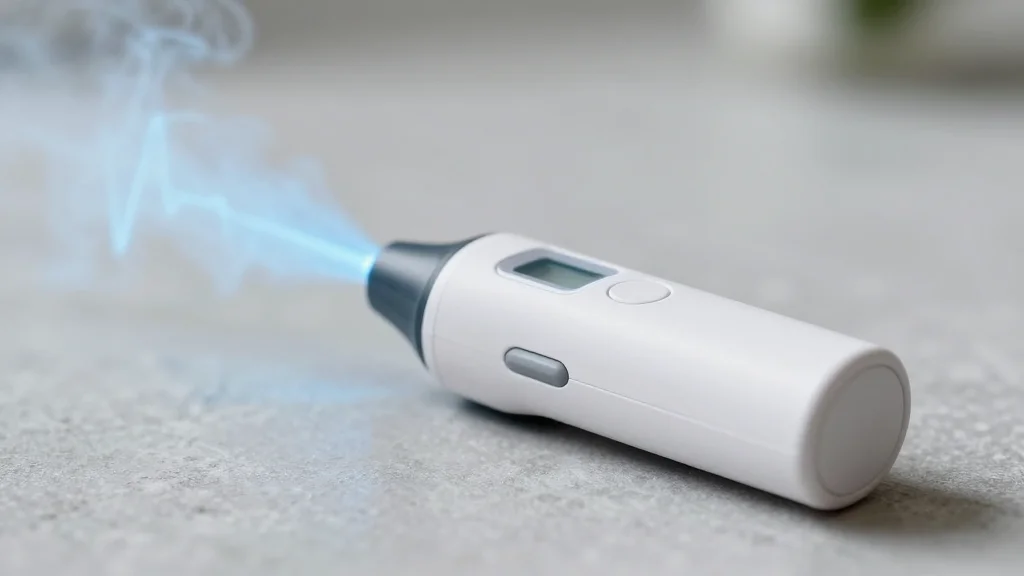
I-Lumen Receives FDA IDE to Start US I-SIGHT2 Enrollment
I‑Lumen announced that the U.S. Food and Drug Administration has granted an Investigational Device Exemption (IDE) for its i‑SIGHT2 clinical study. The clearance allows the company to begin enrolling participants in the United States to evaluate its breath‑based metabolic monitoring...

JenaValve Launches Trilogy Transcatheter Heart Valve System in the US to Treat Symptomatic, Severe Aortic Regurgitation (ssAR)
JenaValve has begun commercializing its Trilogy Transcatheter Heart Valve (THV) system in the United States, becoming the first FDA‑approved transcatheter device for symptomatic, severe aortic regurgitation (ssAR). The valve uses radiopaque locators that attach directly to native leaflets, enabling stable...
Samsung Medical Center Sets New Bar in Smart Hospital Transformation with AI-Ready Systems
Samsung Medical Center (SMC) in South Korea has re‑validated its IT infrastructure at Stage 7 of the HIMSS INFRAM model, confirming world‑class maturity across cybersecurity, adoption, sustainability, performance and outcomes. The hospital completed a massive data‑centre relocation with only 20 minutes of...

Korean Hospitals Outpace Global Peers in Digital Maturity: Pilot Study
South Korean hospitals scored an average of 285 out of 400 on the HIMSS Digital Health Indicator, well above the 2020 global average of 166 and the Asia‑Pacific average of 239. The pilot assessed ten leading institutions and highlighted strong...

Corti Launches Symphony for Medical Coding API, Outperforming OpenAI and Anthropic in Clinical Accuracy ‘Claims’
Clinical AI startup Corti has introduced Symphony, an agentic AI model delivered via API to automate medical coding. The company asserts that Symphony exceeds the clinical accuracy of major large language models—including those from OpenAI, Anthropic, Amazon, Oracle, and Google—by...