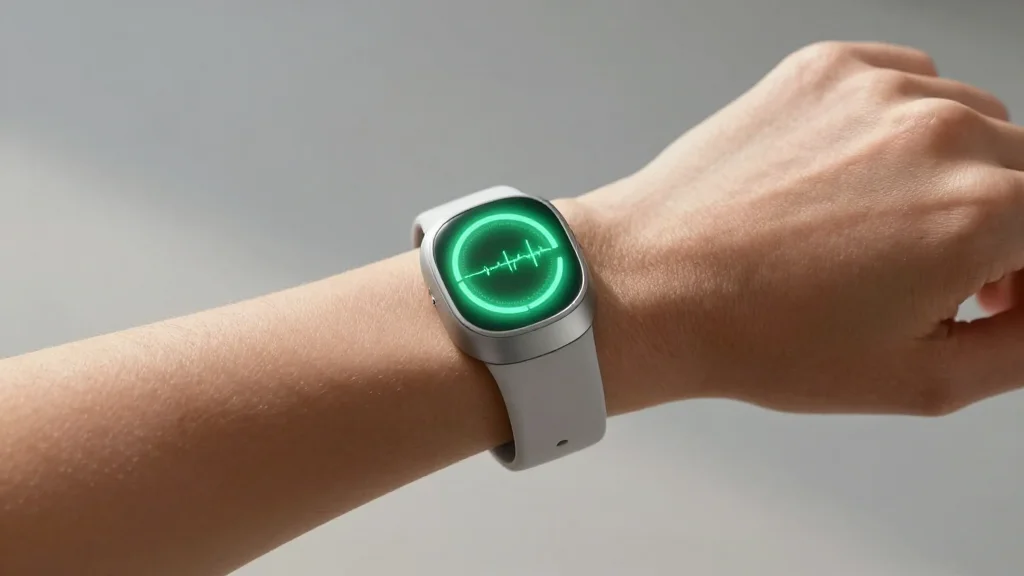
Agentis, Ultrahuman Tie Wearables to Longevity Quotient
Why It Matters
By turning continuous biometric data into a single, actionable longevity score, the partnership could accelerate data‑driven preventive care and expand affordable personalized health services across the consumer market.
Key Takeaways
- •Integration links wearables to Longevity Quotient score
- •Real-time biomarker data drives personalized clinical interventions
- •Partnership aims affordable, inclusive preventive health solutions
- •Only 39% of U.S. adults pursue preventive measures
- •Consumer interest high for genomics, AI diagnosis, personalized meds
Pulse Analysis
Wearable technology has moved beyond fitness tracking to become a cornerstone of precision health. Devices that monitor heart rate, activity, sleep, and glucose levels generate massive streams of biometric data, yet most consumers lack a coherent framework to interpret these signals. The Longevity Quotient (LQ) introduced by Agentis offers a unified metric that aggregates metabolic, genetic, and lifestyle inputs into a single score, promising a clearer picture of long‑term health trajectories. As insurers and employers seek measurable outcomes, such a composite index could become a new standard for risk stratification.
The Agentis‑Ultrahuman alliance leverages Ultrahuman’s scalable sensor ecosystem, including its M1 continuous glucose monitor, to feed real‑time data directly into the LQ algorithm. This integration enables clinicians to trigger interventions—dietary adjustments, medication tweaks, or lifestyle coaching—based on instantaneous biomarker shifts rather than periodic lab tests. By packaging the service at a price point aimed at inclusion, the partnership addresses a critical barrier: the high cost of continuous monitoring and analytics that has limited adoption to elite health‑tech users. The joint platform also promises a seamless user experience, consolidating data dashboards, alerts, and care recommendations into a single app.
If successful, the model could reshape preventive healthcare economics. A continuous, actionable health score may reduce costly acute events by prompting early interventions, thereby lowering hospital admissions and chronic disease expenditures. Moreover, the partnership aligns with growing consumer appetite for genomics, AI‑driven diagnostics, and personalized medication, as highlighted by recent surveys. Investors and policymakers will watch closely as this integration tests the scalability of data‑centric longevity solutions in a market hungry for affordable, evidence‑based health optimization.
Agentis, Ultrahuman tie wearables to Longevity Quotient
Comments
Want to join the conversation?
Loading comments...