
Best Practices for Conducting and Reporting Pharmacoepidemiologic Safety Studies Using Electronic Healthcare Data Sets
The FDA issued a final guidance document outlining best practices for conducting and reporting pharmacoepidemiologic safety studies that rely on electronic healthcare data, such as administrative claims and electronic medical records. It prescribes how sponsors should document study design, analytical methods, and results to facilitate the Agency’s review of protocols and final reports. The guidance applies to drugs and biologics regulated by CDER and CBER, explicitly excluding medical devices. Emphasis is placed on observational studies that test prespecified safety hypotheses.

Chair File: Leadership Dialogue — Insights and Innovation in Rural Hospitals with Mark Boucot of Potomac Valley Hospital
Mark Boucot, CEO of Potomac Valley Hospital, a 25‑bed critical access facility in West Virginia, received the inaugural AHA Rural Hospital Excellence in Innovation Award. He highlighted the hospital’s low‑cost virtual ICU, built with simple tablets for remote intensivist support,...
With Quantum Transformation Looming, No Time to Waste in Maturing Cryptography Management
Quantum computers can break RSA and ECC encryption in seconds, prompting urgent action for healthcare data security. At HIMSS26, DigiCert’s Mike Nelson and other experts will outline practical steps for post‑quantum cryptography (PQC) migration, emphasizing crypto agility and automated management....

Researchers Use Dynamic Digital Radiography to Quantify Functional Outcomes After Total Shoulder Arthroplasty
Emory Healthcare researchers used Konica Minolta's Dynamic Digital Radiography (DDR) to compare anatomic and reverse total shoulder arthroplasty (aTSA and rTSA) in 71 shoulders versus 32 healthy controls. The DDR cine‑loop analysis showed that both procedures restored scapulohumeral rhythm (SHR)...

Designing Trustworthy Health AI: Q&A with Oura’s Dr. Chris Curry and Dr. Tanvi Jayaraman
Oura has launched its first custom AI model focused on women’s health, embedding it in the Oura Advisor experience. The model is built on curated clinical research, combined with individual sensor data, and runs on Oura‑controlled, privacy‑first infrastructure. Lead clinicians...

Simulations of Your Gut May Predict Which Probiotics Will Stick
Researchers have built microbial community‑scale metabolic models that simulate how specific probiotic strains behave in an individual’s gut. Using baseline microbiome data, the models predicted engraftment with 75‑80% accuracy and linked bacterial growth to health outcomes such as improved post‑meal...

Virtual Crisis Care Helps Rural Communities Access Mental Health Resources in Emergencies
Virtual Crisis Care (VCC) programs give rural law enforcement instant video access to behavioral health clinicians, allowing real‑time assessment and de‑escalation of mental‑health emergencies. In South Dakota, the model has been active for over five years across more than 30...
Medicare's Continued Support for Telemedicine Signals Stability, Legitimacy
Medicare has extended its telehealth reimbursement flexibilities through 2027, preserving payment for a broad array of virtual services. Behavioral health telehealth restrictions were made permanent in 2021, removing geographic and originating‑site limits. The DEA also prolonged its telemedicine prescribing allowances...
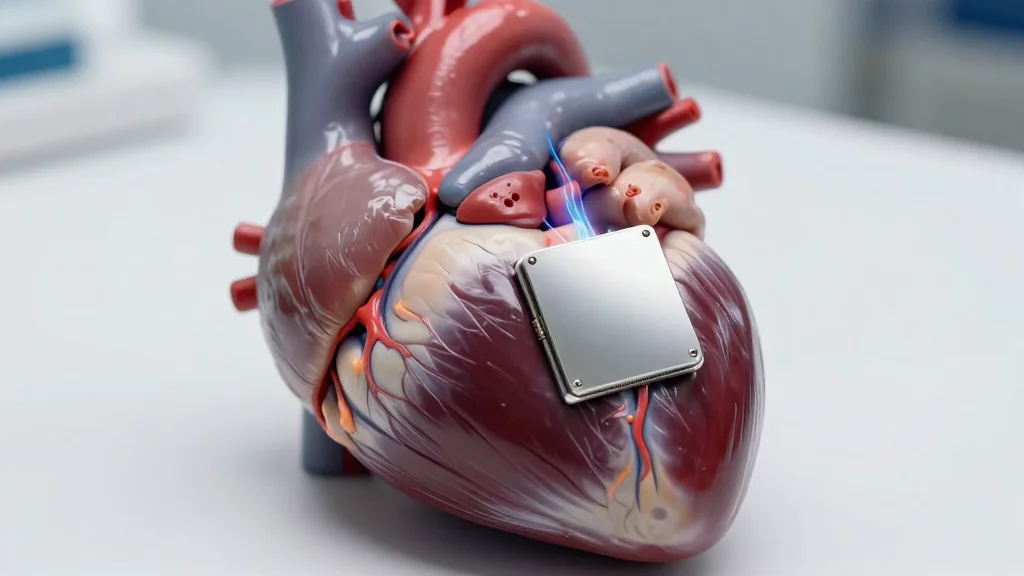
Contributor: Personalized Heart Risk and How AI-Powered Plaque Analysis Is Changing Prevention
AI‑enhanced coronary CT angiography (CCTA) now quantifies total and non‑calcified plaque, delivering risk information that calcium scoring alone misses. Large studies show that incorporating AI‑driven plaque metrics reduces heart attack or cardiac death risk by up to 41% and boosts...

CCI Wants Governments to Buy More Canadian Healthtech
The Council of Canadian Innovators (CCI) released a report urging federal and provincial governments to revamp health‑tech procurement and data practices. It calls for a "Buy Canadian" approach, value‑based purchasing, and a national digital‑health market that prioritises interoperability and lifecycle...

Newfound Third Cell Type Enables Fully Functional Hair Follicles in the Lab
Researchers identified a previously unknown accessory mesenchymal cell (PDGFRα⁺/Sca1⁺/CD34⁺) that enables complete hair follicle formation in a dish. By integrating this cell type with epithelial stem cells and dermal papilla cells, they created a three‑cell organ germ that grew downward,...
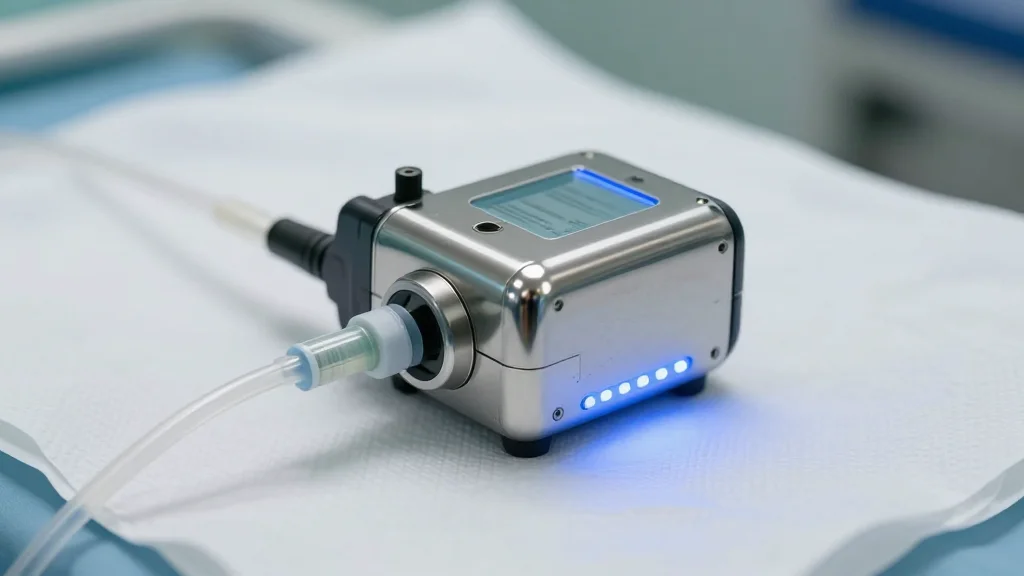
Ventricular Recovery Program Enables Kids to Have VADs Explanted
A standardized ventricular recovery program at Children’s Hospital of Philadelphia enabled 26% of pediatric VAD patients to have the device explanted, far exceeding the typical 4‑6% national rate. The protocol, built on four pillars—mindset, goal‑directed medical therapy, standardized surveillance, and...

Looking Beyond AI Implementation at HIMSS26
HIMSS CEO Hal Wolf announced that the AI track at HIMSS26 will move beyond pure deployment discussions. The conference will spotlight AI governance frameworks, the impact on clinical and administrative workflows, and concrete methods for calculating return on investment. By...

The Paper-Thin Implant That Listens To Your Brain Signals
Researchers published in Nature Electronics a hair‑thin, flexible patch called BISC that places 65,536 micro‑electrodes on the brain’s surface for high‑resolution electrocorticography. The device can address up to 1,024 channels simultaneously and transmits data wirelessly, eliminating percutaneous cables. Animal tests...

Virtual Reality Takes Next Step in Eye Care
Virtual reality is moving from experimental demos to practical tools in ophthalmology, highlighted by the FDA‑cleared Luminopia therapy for amblyopia and patient‑focused IOL simulators such as VirtuaLens and InSightVR. Surgeons are adopting VR for training, with platforms like Eyesi and...
Johnson & Johnson Launches 3 New Stroke Devices
Johnson & Johnson MedTech launched three new stroke devices—Cereglide 42 and Cereglide 57 aspiration catheters and the Innerglide 7 delivery aid—expanding its aspiration‑first portfolio. The catheters feature a multi‑axial shaft, radiopaque tips and hydrophilic coating to improve navigation of distal clots. Innerglide 7 provides...

Ease Health Raises $41M in Series A Funding
Ease Health, a New York‑based AI‑native CRM, EHR, and RCM platform, secured $41 million in Series A financing led by Andreessen Horowitz. The capital will fund expansion of its product and engineering teams and accelerate AI‑driven automation across the suite. The raise...
Curbside Consult with Dr. Jayne 3/2/26
The article sketches a typical week for a clinical informaticist, showing how patient care, system design, feedback loops, governance, safety, and evidence assessment intertwine. It highlights that a single day can involve everything from bedside interaction to long‑term technology strategy....

Danish Healthtech Hemi Health Secures €4 Million Seed to Expand Migraine and Concussion Care
Danish health‑tech startup Hemi Health has closed a €4 million seed round led by EIFO and Swiss Health Ventures to scale its structured migraine and concussion care model beyond Denmark. The female‑led company blends physical clinics with a proprietary digital platform...

Radiology Artificial Intelligence Firm Asks FDA to Exempt Certain Devices From Premarket Review
Harrison.ai filed a citizen petition asking the FDA to grant optional pre‑market exemption for radiology computer‑aided detection (CAD) devices, allowing manufacturers with an existing cleared product to launch similar tools without a new 510(k). The agency must issue a rapid...

Is Anthropic Building Rwanda’s AI Future — or Its Dependence?
Anthropic signed a three‑year memorandum of understanding with Rwanda to deploy its Claude AI tools in health and education, offering developer access and training for public‑sector coders. Rwanda’s ICT minister touts the deal as a boost for national AI capacity,...

Nuclear Medicine Firm Shine Technologies Raises $240M
Shine Technologies announced a $240 million financing round led by Patrick Soon‑Shiong’s NantWorks, bringing its total capital raised to over $1 billion. The infusion will accelerate the company’s commercial fusion initiatives and expand its Lu‑177 isotope production, a cornerstone of targeted cancer...

Segmed Partners with Verily to Expand Access to Real-World Imaging Data
Segmed, a leader in real‑world medical imaging, announced a partnership with Verily to make its de‑identified, diagnostic‑grade imaging datasets available on Verily’s AI‑native Pre Exchange and Workbench platforms. The initial offering is a longitudinal breast‑cancer cohort featuring digital breast tomosynthesis...

Clinical Labs Gain Ground with Noninvasive Dd-cfDNA Transplant Surveillance
A new donor‑derived cell‑free DNA (dd‑cfDNA) blood test is transforming post‑transplant surveillance by providing real‑time, noninvasive insight into graft health. The assay quantifies donor DNA fragments released when a transplanted organ is injured, offering a high negative predictive value that...

NHS Evaluation Shows up to 75% Reduction in Hospital Visits in Care Homes Using Nobi Smart Lights
An independent NHS evaluation across seven Suffolk care homes using Nobi Smart Lights reported up to a 75% reduction in falls‑related hospital admissions and up to a 65% drop in ambulance call‑outs. The study compared six months of baseline data...
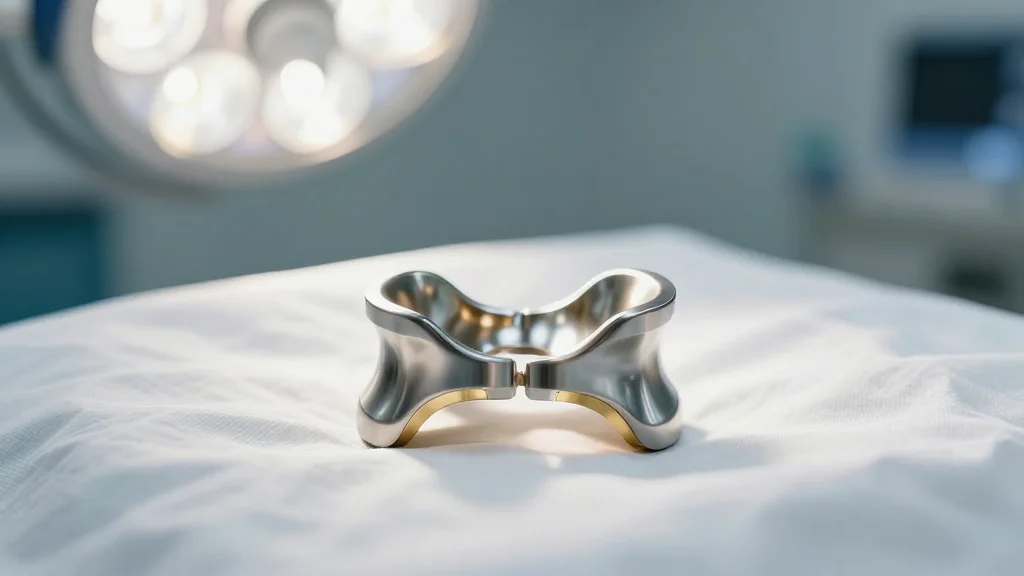
FDA Grants PMA to Synergy’s Cervical Disc
Synergy Spine Solutions received FDA pre‑market approval for its Synergy Disc, a cervical artificial disc designed to preserve motion and correct spinal alignment. Clinical data showed an 87.1% composite success rate at 24 months, with significantly lower neck‑pain and arm‑pain...

Kardi AI Is Scaling, MDR Class IIa Certified and Series A Ready
Kardi Ai, a Czech med‑tech firm, has secured EU MDR Class IIa certification and is expanding its long‑term ECG monitoring platform into the DACH region. The solution records heart rhythm for up to 12 months, uses AI to deliver physician‑ready reports within...

Quadient Powers MedExpress Digital Transformation with Automation of Prescription Workflows
Quadient announced that UK online pharmacy MedExpress has deployed its cloud‑based Quadient Impress platform to automate prescription correspondence. The solution now generates and dispatches up to one million letters each month, digitising manual tasks and ensuring regulatory compliance. By moving...
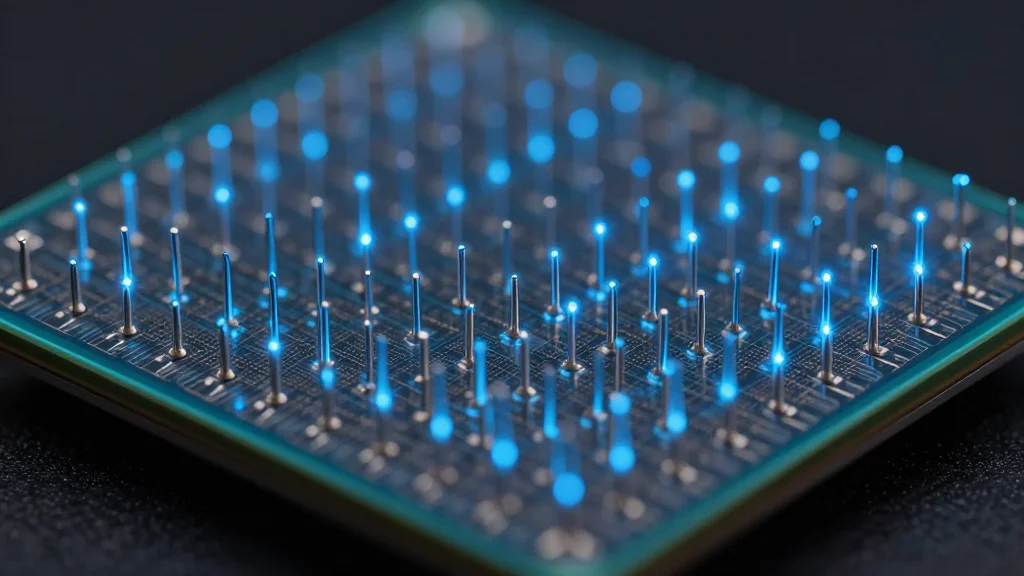
Monolithic 3D Nanoelectrode Arrays on CMOS Circuitry for Scalable, High‐Resolution Neural Recording
Researchers have developed a monolithic 3D nanoelectrode array (HD‑NEA) that integrates 26,400 vertical nanowire electrodes directly onto commercial CMOS chips. The low‑temperature wafer‑scale post‑fabrication process maintains circuit functionality while delivering uniform, high‑yield electrode performance across 4‑inch wafers. In vitro recordings...

Next-Generation Medical Drone Launched with Faster Response & Higher Payload Capacity
Swedish firm Everdrone unveiled the E3, a purpose‑built medical transport drone that replaces its earlier E2 platform with fully proprietary hardware. The new model doubles payload capacity to 4.5 kg and cruises above 80 km/h, enabling deliveries in under three minutes—significantly faster...
AI in Healthcare Revenue Cycle Management: Moving From Automation to Prediction
Healthcare revenue cycle leaders are shifting from rule‑based automation to AI‑driven predictive analytics. Machine‑learning models now scan claim data, documentation and payer behavior to flag denial risks before submission. Early corrections improve first‑pass acceptance, shorten cash cycles and reduce revenue...

A Crowdsourced Megastudy of 12 Digital Single-Session Interventions for Depression in US Adults
The researchers conducted a crowdsourced megastudy that tested 12 digital single‑session interventions (SSIs) for depression among a large U.S. adult sample recruited online. Using a preregistered design, three of the SSIs produced statistically significant reductions in depressive symptoms, with effect...

Senseonics Holdings Inc (SENS) Q4 2025 Earnings Call Transcript
Senseonics reported a 60% jump in full‑year revenue to $35.3 million and lifted gross margins above 50% after a year of selling the Eversense 365 implantable CGM. The company completed a full transition of commercial operations from Ascensia, eliminating revenue‑sharing and gaining...

Morning Headlines 3/2/26
Epic’s Secure Chat, the internal messaging tool embedded in Hyperspace and Haiku, is gaining visibility as clinicians discuss its use alongside MyChart. A public acknowledgment from Dr. Jayne highlighted positive reception while also surfacing concerns about inadvertent audio capture. The...

Australia: New Implementer Hub Advances Digital Health Integration
The Australian Digital Health Agency has launched the Digital Health Implementer Hub, replacing its Developer Portal to simplify how health services, software developers and system providers connect to national digital health infrastructure. The hub adds a personalized case‑management system, dynamic...
Survey Indicates Preferences for Needle-Free Epinephrine Options
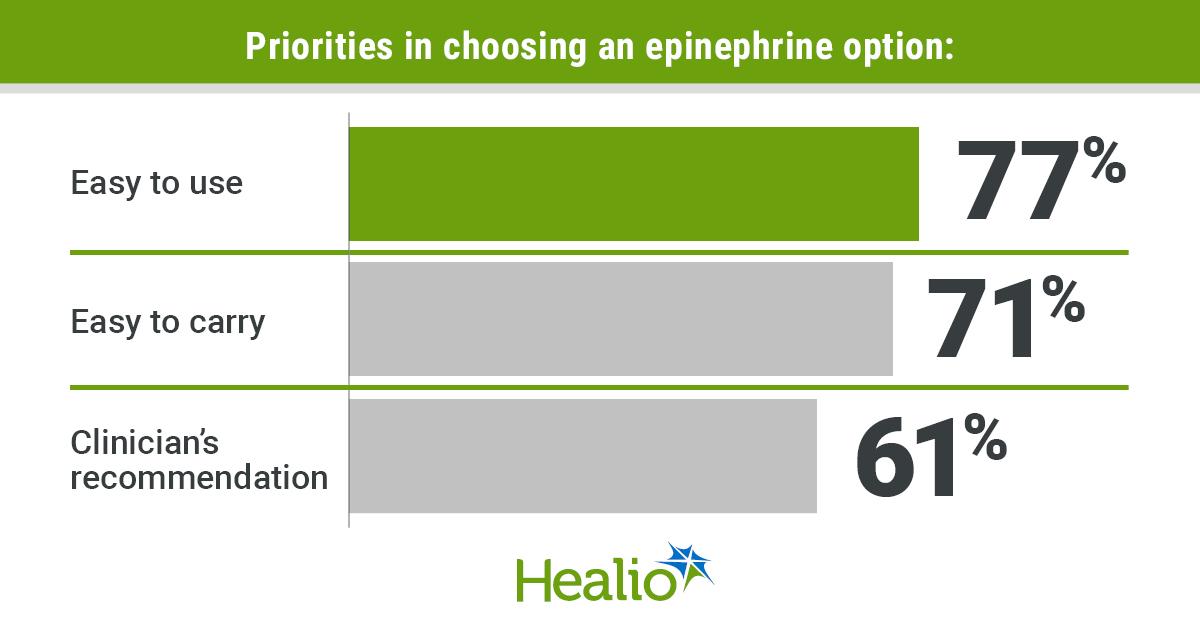
A cross‑sectional survey of 210 anaphylaxis patients and caregivers revealed that 90% prefer needle‑free epinephrine delivery, while 89% value devices that are small and easy to carry. Respondents also expressed strong concerns about temperature effects on epinephrine stability. The study...

GoodRx Launches Employer Program to Help Subsidize High-Cost Brand Drugs
GoodRx introduced GoodRx Employer Direct, a new service allowing employers to directly subsidize the manufacturer‑sponsored price of high‑cost brand medications such as GLP‑1 drugs without adding them to health‑plan formularies. The model, first piloted with retailer Hy‑Vee, lets employers contribute...
Why Telehealth Skills Belong at the Core of Clinical Education
Telehealth is moving from an optional service to a routine component of clinical practice, forcing health‑care educators to rethink curricula. The 2024 U.S. Department of Health and Human Services Workforce Research Recap highlights soaring telehealth utilization and a skills gap...

The Strategic Consolidation of Patient Engagement: Assessing the Viability of the Third Party Portal Market Amidst the Expansion of the...
The NHS is consolidating patient engagement by expanding the NHS App as a national digital front door, aiming for 95% of appointment bookings by 2028 and targeting £11 million in annual savings from phasing out third‑party patient portals. The Wayfinder programme...
Smartphone Photos May Be Misleading Doctors and Putting Patients at Risk: New Research
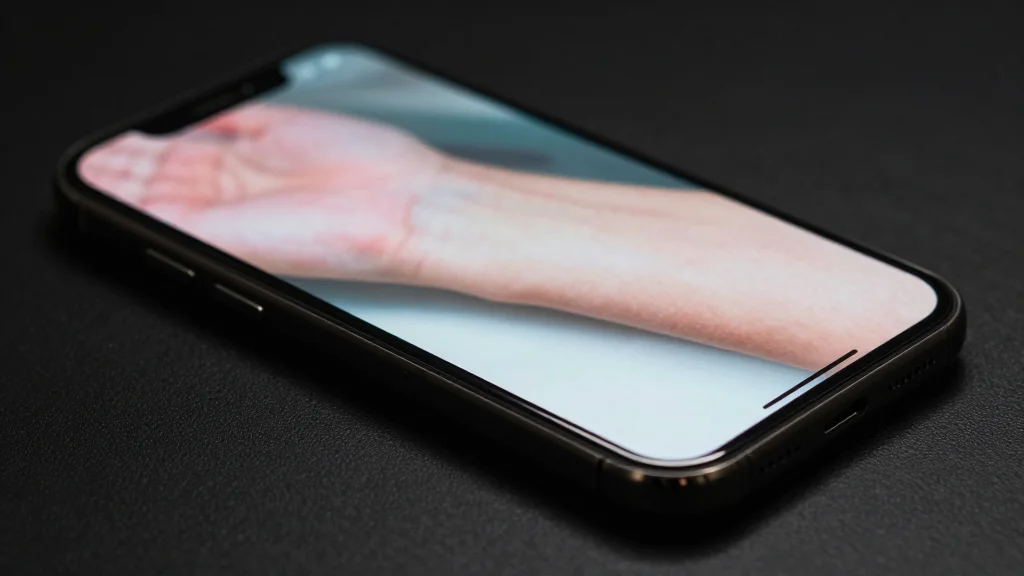
Remote consultations now rely heavily on patient‑generated smartphone photos, but new research shows that automatic image processing and compression often distort clinically relevant details. Color shifts, loss of fine texture, and lighting inconsistencies can cause doctors to miss or misinterpret...

One-Question Screen May Flag Hoarding in Alzheimer's and Other Dementias
Researchers at the University of Colorado Anschutz introduced a one‑question screening tool, the Single‑Item Hoarding Screen (SIHS), to detect hoarding behaviors in patients with Alzheimer’s disease and other dementias. In a study of 135 clinic patients, 23 % of caregivers reported...
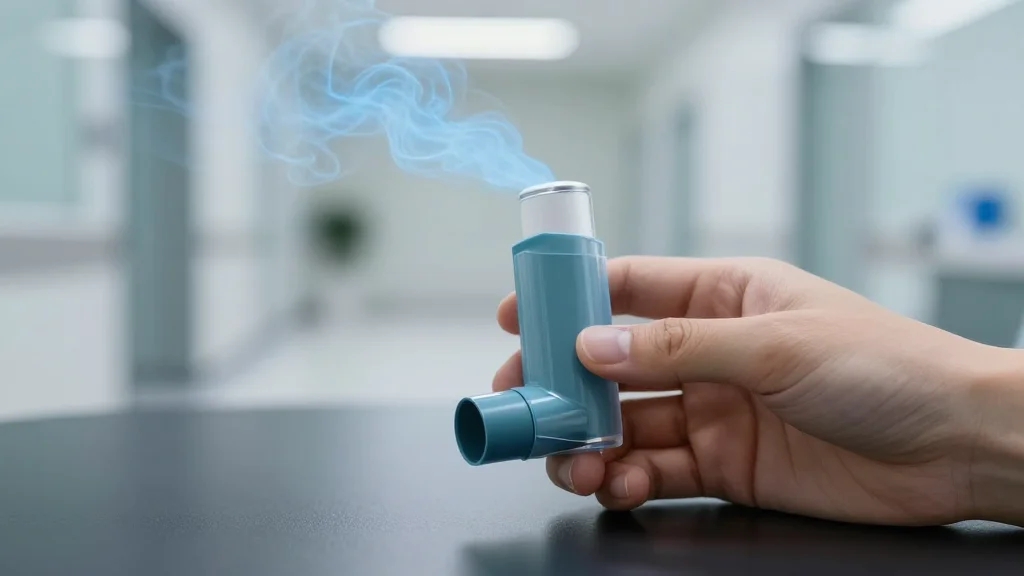
Benefits of a Virtual Asthma Self-Management Education Program
A prospective cohort of 60 adults completed the Virtual Asthma Self‑Management Education Program (VASMEP), a six‑session, educator‑led telehealth curriculum. Twelve weeks after enrollment, 78% showed improved Asthma Control Test scores and 52% reduced systemic corticosteroid use. The free program targets...
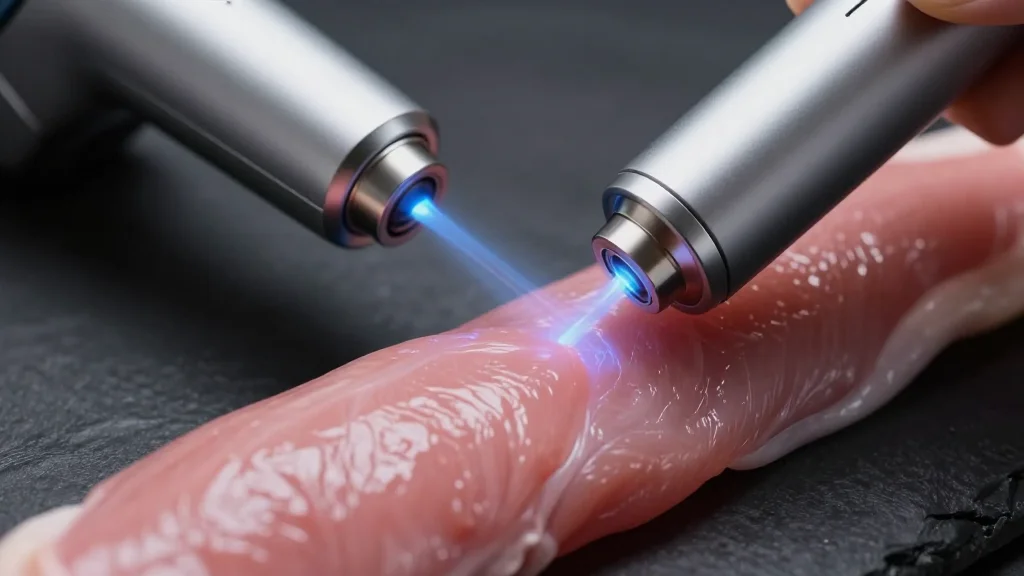
Can Cold Plasma Improve Surgery Recovery? Study Suggests Faster Healing, Less Fat
Researchers at Thomas Jefferson University demonstrated that an FDA‑approved cold plasma device can speed muscle wound healing in rats. Within six hours, plasma treatment boosted neutrophil infiltration and activated repair‑related gene pathways, and after two weeks it reduced fat deposition...

The Convergence of Clinical Intelligence and Patient Outreach: Analysis of OpenEvidence’s AI Integrated Telehealth Ecosystem
OpenEvidence launched its AI‑Integrated Doctor Dialer™, a HIPAA‑secure app that merges voice, messaging, fax and voicemail with real‑time clinical decision support powered by a medical‑specific large language model. The platform embeds deterministic, citation‑backed recommendations directly into patient communications, eliminating the...
![[Comment] Safeguarding Genomic Integrity in Pluripotent Stem-Cell Therapies](https://hixhlmpcokxhartfkpyi.supabase.co/storage/v1/object/public/images/thumbnails/fba52b2aab9c591bf0e059f57acce9ea.webp)
[Comment] Safeguarding Genomic Integrity in Pluripotent Stem-Cell Therapies
Human pluripotent stem cells (hPSCs) are emerging as a transformative platform for Parkinson’s disease, with recent phase I/II trials showing successful engraftment of hESC‑ and iPSC‑derived dopaminergic neurons. Yet extensive data reveal that cultured hPSCs frequently acquire recurrent genetic lesions—most...
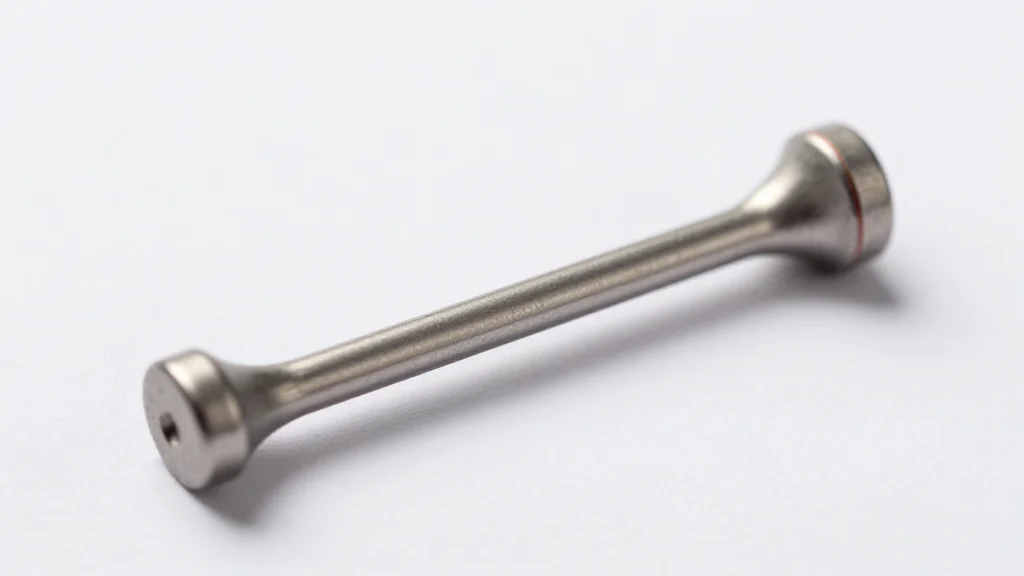
FDA Flags Safety Risk with Boston Scientific Stents
The FDA has classified Boston Scientific’s recall of certain Axios Stent and Electrocautery‑Enhanced Delivery Systems as a Class I recall, the agency’s most serious designation. The recall follows multiple reports of deployment and expansion failures during stent placement, resulting in...

University of Utah Health Helps ‘Reimagine’ the EHR
University of Utah Health researchers are leveraging AI and machine learning to "reimagine" electronic health records (EHR) through the federally funded Reimagine EHR initiative. Backed by roughly $35 million in federal grants and corporate partnerships, the program has produced eight AI‑driven...
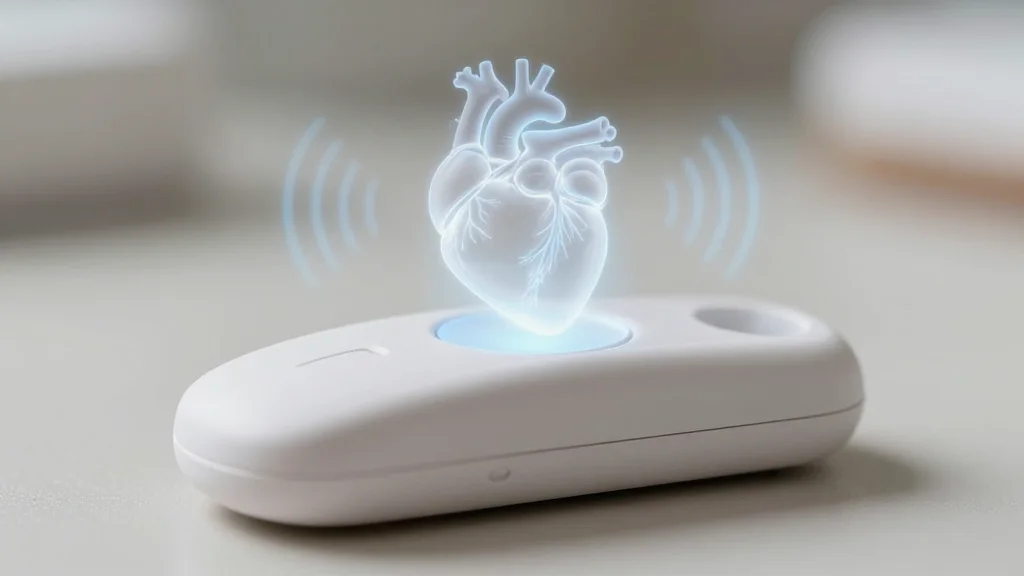
FDA Approves Next-Generation CardioMEMS Reader for Heart Failure Monitoring
Abbott received FDA approval for its next‑generation CardioMEMS HERO reader, a pulmonary artery pressure device for heart‑failure patients. The HERO unit is 60% lighter than earlier readers and incorporates built‑in Wi‑Fi and cellular connectivity, allowing measurements anywhere. The upgrade builds on...

University of Mississippi Medical Center to Resume Clinic Operations After Cyberattack
University of Mississippi Medical Center announced that its outpatient clinics will resume normal operations statewide on March 2, following a cyberattack that shut down its IT systems on Feb. 21. The center has regained access to patient records and will...

The Science of Controlling Drug Release in Implants with Ultrasonic Spray Coating
Ultrasonic spray coating is emerging as a core engineering discipline for drug‑eluting implants, with parameters such as drug‑to‑polymer ratio, nitrogen carrier‑gas flow, nozzle height, and spray power dictating coating thickness, profile, and elution behavior. The article explains how variations in...