
Agilent Launches S540MD Slide Scanner System
Agilent Technologies introduced the S540MD slide scanner, a whole‑slide imaging system now on sale in select European markets. The scanner holds up to 540 slides, supports continuous loading, standard rack compatibility, automated scanning modes, and AI‑assisted tissue detection. It is a rebranded Hamamatsu NanoZoomer S540MD platform. Initial rollout as an in‑vitro diagnostic covers Germany, France, Belgium, Spain, Austria, Luxembourg, Italy, the United Kingdom, and Switzerland, with further European expansion planned.

Illumina Launches Software for Multiomic Analysis
Illumina unveiled Illumina Connected Multiomics, a cloud‑based platform that unifies single‑cell, spatial transcriptomics, proteomics, and methylation data for large‑scale analysis. The system aggregates thousands of samples from Illumina and third‑party assays, delivering reproducible results through DRAGEN secondary analysis. AI‑driven tools...

AI and Genomics: A New Era of Personalized Medicine
Artificial intelligence is reshaping genomics by speeding up sequencing and uncovering patterns that traditional tools miss, enabling truly personalized medicine. AI models can predict disease risk, suggest optimal therapies, and guide tumor classification, especially in oncology and emerging mRNA vaccine...

How Synergy Spine Engineered Its New Cervical Disc for Mobility and Alignment
Synergy Spine Solutions secured FDA pre‑market approval for its Synergy Disc, the first artificial cervical disc that simultaneously improves spinal alignment and preserves full range of motion. The device features a patented interrupted‑articulation geometry that creates a low‑energy, lordotic position...

Could AI Improve Available Treatments for Geographic Atrophy?
Geographic atrophy (GA) management is poised to benefit from AI‑driven OCT analysis, which can quantify ellipsoid zone (EZ) loss, EZ‑RPE ratio, and EZ thickness with micron‑level precision. In Europe, imaging tools like the Topcon GA Monitor are approved, while the...
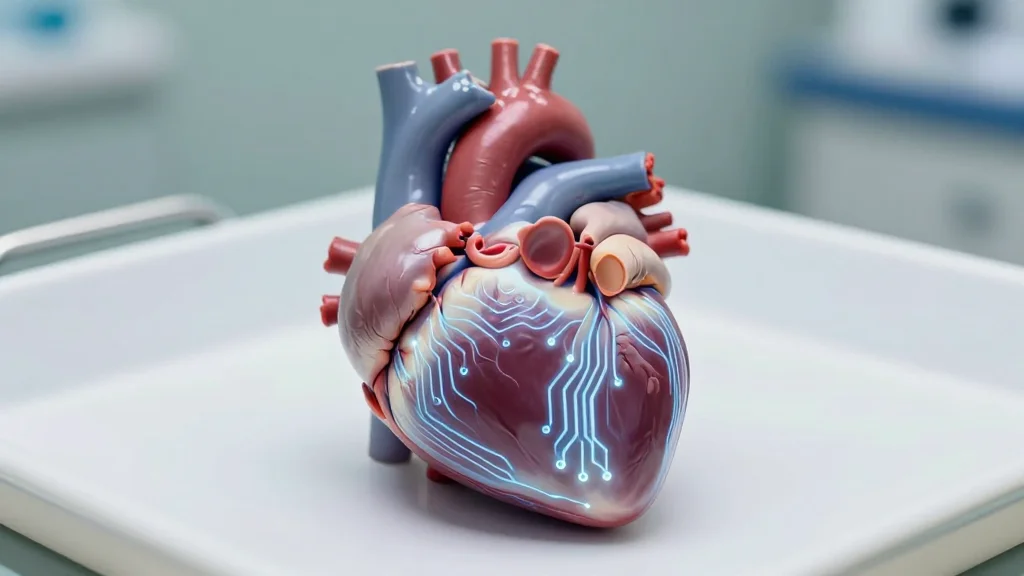
Imaging Evaluations and PCI Planning: Heartflow Announces ‘Tremendous Progress’ for AI Portfolio
Heartflow announced that its AI‑enabled Plaque Analysis software will be highlighted in three ACC.26 presentations, showcasing data from a 15,000‑patient CCTA registry that predicts major adverse cardiovascular events. A separate DECIDE registry of nearly 3,800 patients demonstrated that AI‑guided care...

HIMSS26: The Risks and Rewards of Agentic Artificial Intelligence
At HIMSS26, healthcare leaders highlighted the promise of agentic artificial intelligence to automate routine tasks such as prior authorizations, scheduling, and patient outreach. They warned that the technology’s independent decision‑making can introduce workflow risks if left unchecked. Effective deployment hinges...

Smartwatch Data Can Be Used to Assess Early Diabetes Risk
Researchers at Google used AI to analyze smartwatch data from 1,165 users, combining heart‑rate, sleep and activity metrics with routine lab results to detect insulin resistance. The model identified the condition with 76% accuracy using only clinical data, rising to...

Scaling Health Tech: 6 Lessons From Launching a Second Brand
In 2022 32Co launched as a premium orthodontic aligner platform, then expanded in 2026 with Aerox Health, a dedicated sleep‑medicine brand. The company leveraged an existing dentist network to address the under‑served UK sleep‑apnoea market, applying the same clinical engine...

SOLVE-TAVI: Patient Sex, for the Most Part, Doesn’t Sway Outcomes by Valve Type
The five‑year SOLVE‑TAVI trial shows that self‑expanding and balloon‑expandable transcatheter aortic valves deliver comparable long‑term efficacy and durability in both men and women with severe aortic stenosis. Stroke incidence was markedly lower in women receiving the self‑expanding valve (0.9% vs...

Kent and Medway Mental Health Introduces Tools to Capture Peer Support Outcomes in EPR
Kent and Medway Mental Health NHS Trust has added three digital tools to its electronic patient record (EPR) to capture peer support outcomes, including the Hope, Agency and Opportunity (HAO) measure, a dedicated peer‑support tab, and a specific SNOMED activity...

Understood Care Raises $5M in Seed Funding
Understood Care, a New York‑based AI‑native patient advocacy platform, announced a $5 million seed round led by Rethink Education and Zeal Capital Partners. The funding follows a $3.4 million pre‑seed round backed by 1984 Ventures and Y Combinator. The capital will accelerate...

Your Medical Record Is Too Big To Read. AI May Be The Fix.
Modern electronic health records now contain years of notes, labs, imaging and messages, creating a “storage unit” that clinicians cannot fully review in the few minutes before a visit. This overload forces doctors to perform a real‑time “chart biopsy,” often...

Doctomatic Appoints Bill Josko as Head of Americas to Scale AI-Driven RPm
Doctomatic, an AI‑native remote patient management platform, has named Bill Josko as Head of Americas to accelerate its expansion across North and Latin America. Josko brings more than 25 years of digital‑transformation experience, including senior roles at IBM. The move...

Homecare Homebase Announces the Launch of Curate: Scribe
Homecare Homebase (HCHB) unveiled Curate: Scribe, an AI‑assisted documentation tool built into its EHR. Developed with StenoHealth, the feature generates draft clinical notes that clinicians can review and edit, aiming to cut the time spent on paperwork. By embedding AI...

Ethermed, VisiQuate Partner to Transform Revenue Cycle Automation
Ethermed and VisiQuate announced a strategic partnership that merges Ethermed’s embedded prior‑authorization automation with VisiQuate’s AI‑driven predictive models, data engine, and robotic process automation. The combined platform predicts authorization requirements, executes submissions directly within clinical workflows, and continuously refines its...

Photonics and Nanotech Could Spot Cancer Signals 5 to 8 Years Earlier
Researchers at the University of Illinois Urbana‑Champaign have engineered a photonic‑nanomaterial platform that senses microRNA and DNA signatures linked to cancer up to five to eight years before conventional diagnostics can. The system leverages photonic crystal grating resonance and nano‑assemblies...

Philips Links Patient Monitoring and Diagnostics at HIMSS26
Royal Philips showcased at HIMSS26 its AI‑enabled, interoperable platform that links continuous patient monitoring with diagnostic imaging and EMR data, creating a unified patient story across care settings. The company highlighted two core capabilities—enterprise patient monitoring for longitudinal care intelligence...

Oxford Medical Simulation Secures €5.78 Million to Tackle Healthcare Training Gap with Virtual Reality
Oxford Medical Simulation (OMS) has secured €5.78 million in growth funding from Salica Investments. The capital will fund OMS’s expansion into U.S. health systems and universities, and accelerate product innovation such as AI‑driven scenarios, learning analytics, and workflow tools. The round...

Athenahealth Uses Health Tech Ecosystem to Unify Patient Experience
Athenahealth and b.well have launched a FHIR‑based patient‑led data‑sharing platform that generates QR codes for instant health‑record transfer. The solution, part of the CMS Health Tech Ecosystem “Kill the Clipboard” initiative, pulls data from athena and non‑athena EHRs as well...

Pete Pharma Partners with Atrium24 on Pharmacy 3D Printing
Pete Pharma has entered a strategic partnership with Atrium24 Technologies, designating Pete Pharma as the primary 3D‑printing provider within Atrium24’s group‑ purchasing organization. The deal gives Atrium24‑member independent pharmacies preferred pricing on Pete Pharma’s FABRx 3D‑printing platform, enabling on‑site production...

Exploring Light and Life: Nanophotonics and AI for Molecular Sequencing and Single-Cell Phenotyping
Prof. Dionne introduced VINPix, a silicon‑photonic resonator platform with ultra‑high Q factors and sub‑wavelength mode volumes, capable of housing over 10 million devices per square centimeter. Coupled with acoustic bioprinting and artificial intelligence, the system promises simultaneous detection of genes, proteins,...
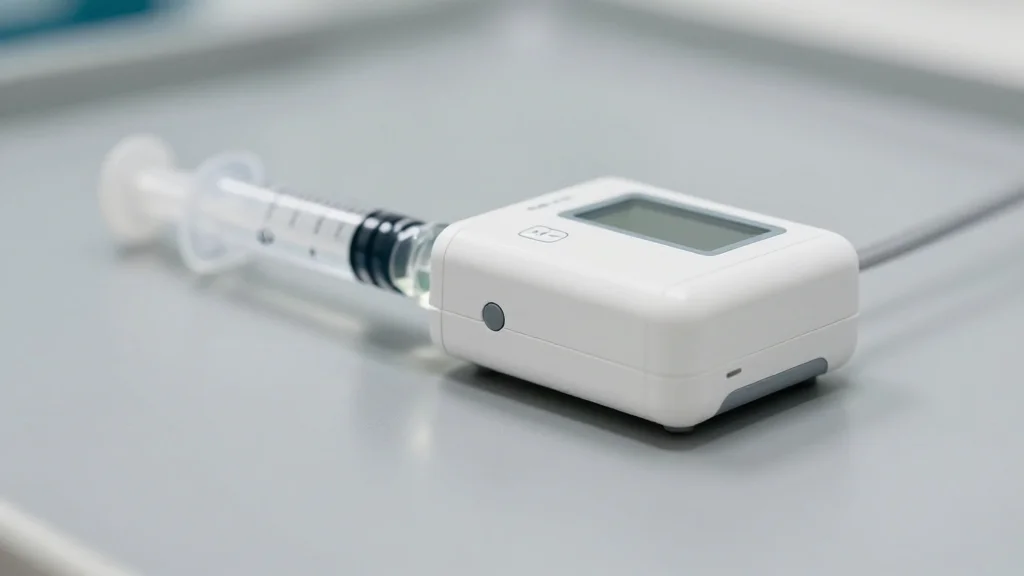
KORU Medical Secures Certification Under EU MDR for Infusion Pump
KORU Medical has obtained European Union Medical Devices Regulation (EU MDR) certification for its Freedom60 infusion pump, which includes an adapter for 50 ml prefilled syringes, allowing commercialisation across the EU. The pump complements the FreedomEDGE system that supports 20 ml cartridges,...

Kistler and ATS Develop High-Speed Medical Device Assembly Line with Real-Time Quality Monitoring
Kistler Group and ATS Life Sciences Systems have launched the Symphoni platform, a high‑speed medical device assembly line capable of processing up to 320 parts per minute while cutting tooling requirements by 90 percent. The system combines Kistler’s force and displacement...

Spotlight Pathology Secures £1.4 Million Seed Investment for AI Blood Cancer Diagnostics
Liverpool‑based Spotlight Pathology has closed a £1.4 million seed round to accelerate its AI‑driven blood cancer diagnostic platform. The round was co‑led by the UK Innovation and Science Seed Fund and the Liverpool City Region Seed Fund, earmarked for product development,...
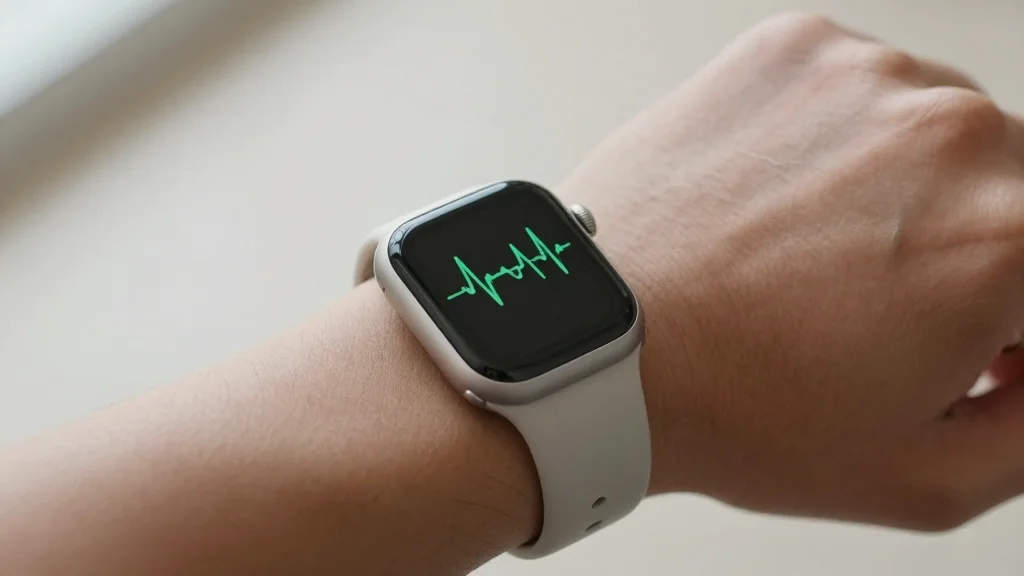
What Does Your HRV Actually Tell You? The 101 On The Popular Health Metric
Heart‑rate variability (HRV) measures the time interval between heartbeats and reflects autonomic nervous system balance. Wearable devices such as Apple Watch and Fitbit now provide daily HRV readings using ECG or photoplethysmography. Low HRV can signal stress, poor sleep, illness,...

Healthcare Tech Innovation: Lessons From HIMSS 2026
Healthcare leaders at HIMSS 2026 highlighted how moving Epic to AWS has become a mainstream strategy, now adopted by over 50 systems across North America and Australia. The cloud foundation enabled Jupiter Medical Center to slash radiology‑scheduling backlogs by 60% and...

Why Real-Time Data Is Becoming Central to PBM Client Retention
Regulatory scrutiny and soaring drug prices are forcing pharmacy benefit managers (PBMs) to deliver real‑time data to their clients. Traditional reporting cycles of 30‑90 days leave payers reacting to problems after they occur, eroding trust and increasing churn risk. RxSense...

Roche Receives CE Mark for Its Elecsys ApoE4 Test to Support Blood-Based Alzheimer’s Biomarker Testing
Roche has secured CE Mark approval for its Elecsys ApoE4 in‑vitro diagnostic immunoassay, a blood‑based test that detects the ApoE4 gene variant linked to Alzheimer’s disease. In a validation study of 607 patients with cognitive complaints, the assay achieved 100%...

Clinical Safety of Large Language Models in Oral Cancer–Related Patient Communication: A Longitudinal Study
A prospective longitudinal study compared Google Gemini Pro and xAI Grok‑1 on Turkish oral‑cancer patient queries over seven days. Both models delivered moderate‑to‑high scientific accuracy (Gemini 3.52, Grok 3.39) and high referral safety (90‑92%). Grok generated longer sentences but readability...
Clinical, Operational, and Economic Evaluation of Point-of-Care X-Ray Use in Outbreak Response in Nigeria: A Cross-Sectional Mixed-Methods Study
A cross‑sectional mixed‑methods study of 327 Nigerian healthcare professionals evaluated point‑of‑care (POC) X‑ray use during outbreak response. Respondents rated POC X‑ray highly for rapid screening (mean 4.6/5), differential diagnosis and severity assessment. Multivariable analysis showed physicians, field workers, greater experience...

Google Scraps AI Search Feature that Crowdsourced Amateur Medical Advice
Google quietly removed its AI‑driven "What People Suggest" feature, which had displayed crowdsourced medical advice from ordinary users. The tool, launched earlier this year on U.S. mobile search, aimed to complement expert health content with lived‑experience insights. Its removal was...

Graphene Oxide Quantum Dots Enable Biosensing of Depression Biomarkers
University of Delhi researchers have introduced an eco‑friendly method to synthesize graphene oxide quantum dots (GO QDs) using citric acid, producing uniform 23.4 nm particles with a negative surface charge. The GO QDs enable dual‑mode biosensing—optical fluorescence and electrochemical detection—of the...

Pain Care Startup Betterhood Raises Seed Round Led by Kairon Capital
Preventive pain‑care startup Betterhood announced a Rs 5 crore seed round led by Kairon Capital, with participation from several angel investors. The funding will accelerate product development, expand the team, and scale both online and offline distribution. Founded in October 2024, Betterhood provides...

Inter‐Crystal Spacing of Implantable Polymeric Surfaces as a Key Suppressor of Microbial Adhesion.
The researchers demonstrated that repeated shape‑memory polymer (SMP) recovery aligns surface crystals and compresses amorphous gaps, dramatically reducing bacterial adhesion. In vitro assays with Escherichia coli, Pseudomonas aeruginosa and Staphylococcus aureus showed progressive detachment as programming cycles increased. An SMP...

Thailand to Digitally Consolidate National Disease Surveillance System
Thailand’s Department of Disease Control has signed an MoU with the National Science and Technology Development Agency to digitally consolidate the nation’s disease surveillance system. The partnership will build big‑data, AI‑driven platforms and strengthen personnel capabilities to shift from reactive...

Australia OKs Coin-Sized Sensor for Hydrocephalus Management
Australian regulators have approved M.scio, a coin‑sized, fully implanted intracranial pressure sensor developed by Germany’s Miethke and distributed by B. Braun. The Class III device provides continuous, telemetric ICP data for up to four years and is available in Flat and Dome...

Singapore: AI, Genomics to Advance Precision Cancer Diagnostics
Singapore’s Agency for Science, Technology and Research has teamed with a precision‑oncology firm and the National Cancer Centre to launch UNITED 2.0, a SG$6 million three‑year project aimed at a clinical‑grade cancer profiling test. The new platform will replace the gene‑panel approach...

Hong Kong: Cross-Border Corridor to Drive Medical Innovation
The University of Hong Kong and Suzhou Industrial Park have signed a memorandum of understanding to launch the HKU‑Suzhou Innovation Corridor, a cross‑border platform for medical technology development. The corridor will link HKU’s research expertise with Suzhou’s clinical and biotech...

Isaac Health Introduces New Virtual Program to Reduce Dementia Risk
Isaac Health, a virtual memory clinic, unveiled an eight‑week, neurology‑led lifestyle medicine program aimed at reducing dementia risk. The weekly virtual group sessions address sleep, nutrition, physical activity, cognitive engagement, vascular health and stress management, and are offered in individual,...

Rhythm-Training Game Played to Music on a Cell Phone Shows Promise for Reducing Stuttering in Children
A proof‑of‑concept study tested the mobile rhythm game Rhythm Workers as a non‑verbal intervention for children who stutter. Over three weeks, pre‑teens aged 9‑12 logged about 300 minutes of beat‑matching taps, and compared with a control group, showed significant reductions...

New Study Raises Concerns About AI Chatbots Fueling Delusional Thinking
A Lancet Psychiatry review by Dr. Hamilton Morrin of King’s College London finds that large‑language‑model chatbots can validate and amplify delusional beliefs, especially in users vulnerable to psychosis. The analysis of media reports highlights mystical, sycophantic responses—most notably from OpenAI’s...

Rethinking Where Patient Recruitment Begins
Clinical trials have long relied on site‑based recruitment, leaving under‑ and misdiagnosed patients underrepresented. Recent studies show digital outreach can identify symptomatic individuals who never enter traditional healthcare pathways, dramatically expanding the eligible pool. Digital campaigns have cut cost per...
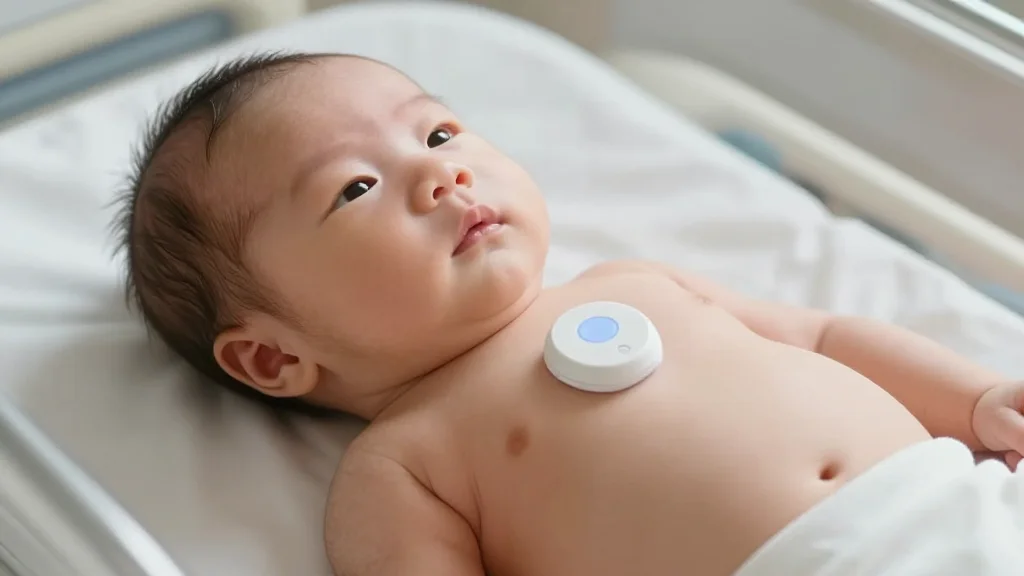
Transcutaneous CO2 Monitoring: The Future Standard of Care?
Transcutaneous carbon dioxide (tcCO₂) monitoring is emerging as a viable alternative to arterial blood gases and end‑tidal CO₂ in neonatal and pediatric intensive care. Recent Pediatric Research data show a strong correlation between tcCO₂ readings and PaCO₂ in stable patients,...

Techie Shrinks Dog's Tumor by Half After Using ChatGPT to Design ‘First Personalized Cancer Vaccine’
Australian tech enthusiast Paul Conyngham used ChatGPT and AlphaFold to design a personalized mRNA vaccine for his dog Rose, whose tumor was genetically sequenced at UNSW. The AI‑assisted workflow identified mutations and suggested therapeutic targets, enabling a custom vaccine administered...
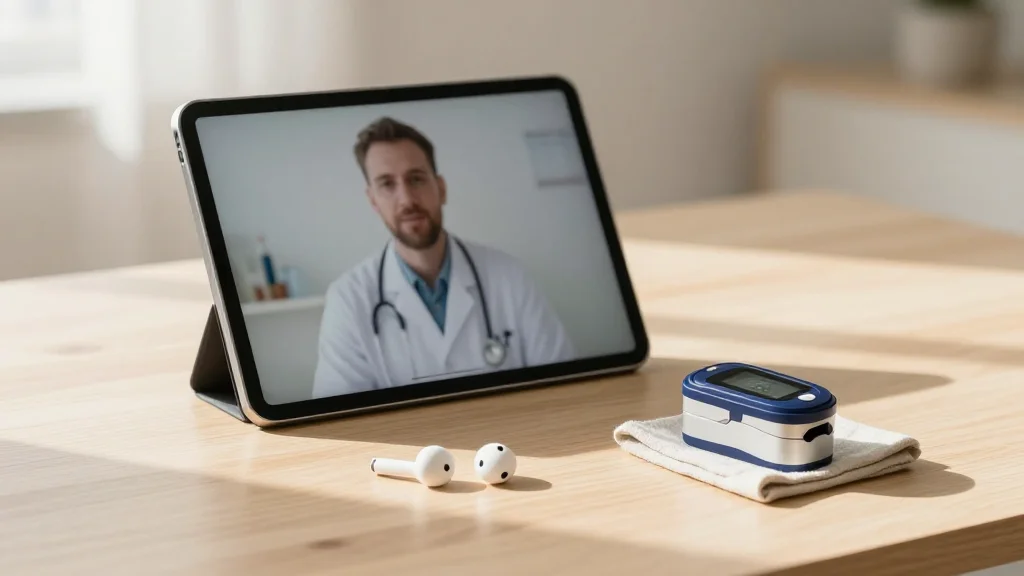
Multimodal Intraoperative Neuromonitoring in Intradural Spinal Tumors: A Detailed Case Series Highlighting the Role of D‑Wave Monitoring
A retrospective case series of four patients undergoing intradural spinal tumor resection evaluated multimodal intraoperative neuromonitoring (IONM). The study tracked motor evoked potentials, somatosensory evoked potentials, and D‑wave signals, noting transient MEP changes in three cases. Preservation or recovery of...

Researchers Develop AI Tool to Predict Patients at Risk of Intimate Partner Violence
Researchers funded by the NIH have created an AI‑driven clinical decision support tool that predicts intimate partner violence (IPV) risk using both structured health records and unstructured medical notes. In a study of 850 IPV cases and 5,200 matched controls,...
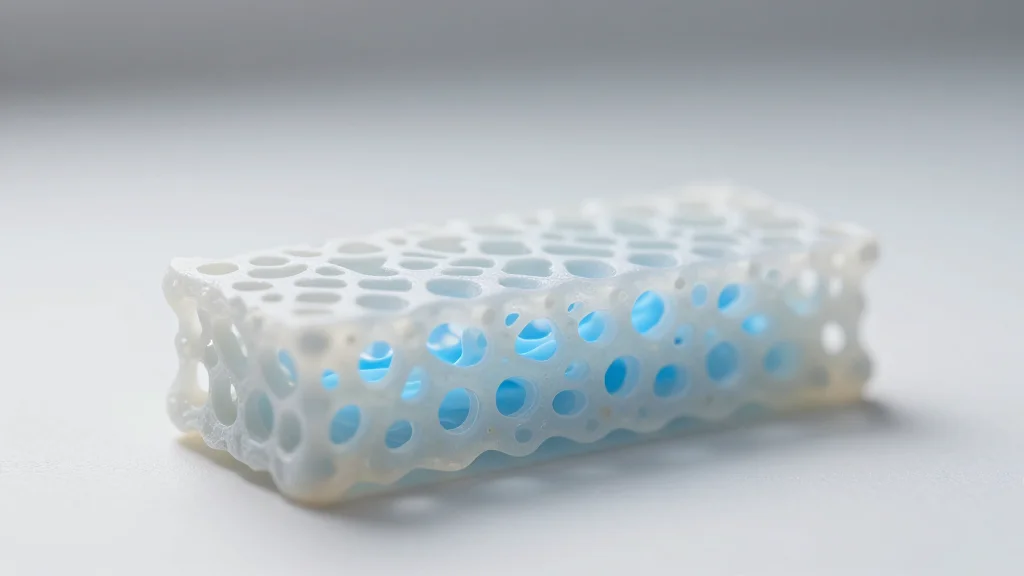
Q&A: Gassing up Bioengineered Materials for Wound Healing
Penn State researchers have engineered a new class of granular aerogel scaffolds (GAS) that allow precise control of pore architecture using protein‑based microparticles. The tunable, oxygen‑rich material demonstrated superior cell infiltration and rapid vascularization in both laboratory assays and mouse...
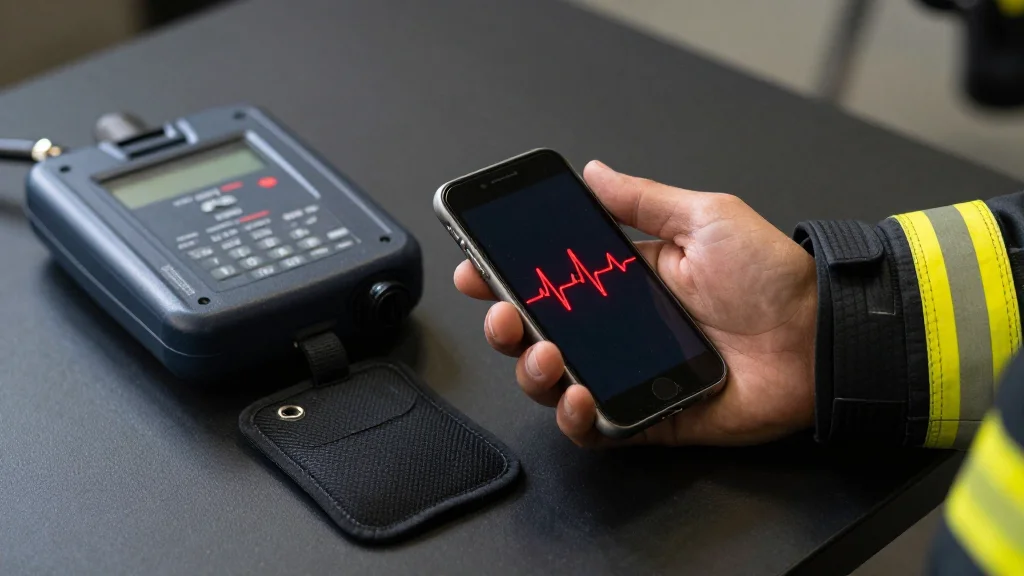
Va. FD Launches PulsePoint App to Alert CPR-Trained Bystanders to Nearby Cardiac Arrests
The Danville Fire Department partnered with the Danville Emergency Communications Center to launch PulsePoint Respond, a free mobile app that alerts CPR‑trained citizens to nearby cardiac arrests. The service taps into the department’s 8,000‑call annual volume, which included 49 cardiac...

5 Best Laboratory Information Systems for Pathology Workflows
Pathology laboratories are adopting specialized Laboratory Information Systems (LIS) to streamline specimen accessioning, case management, and report generation. Core features such as barcode‑based tracking, automated workflow routing, and customizable reporting improve accuracy and reduce turnaround times. Enterprise solutions add multi‑site...