Blackpool Teaching Hospitals Goes Live with eObservations and Bleep System Replacement
Why It Matters
Real‑time digital tools accelerate clinical decisions, enhance patient safety and create a more connected acute‑to‑community care network, setting a benchmark for other trusts.
Key Takeaways
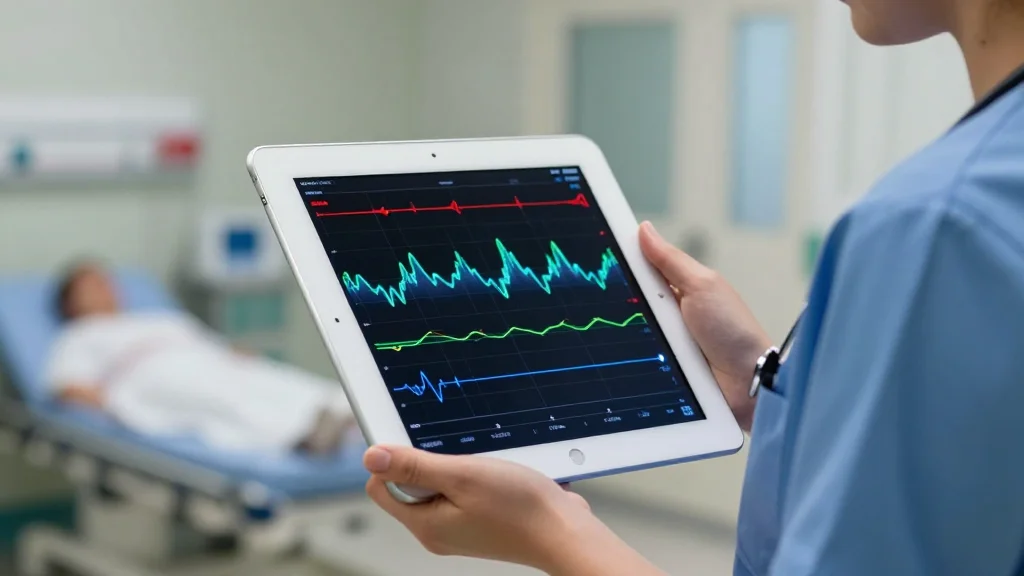
- •eObservations now live in Blackpool ED, using iPads for vitals
- •Alertive replaces legacy bleep, sending secure alerts to smartphones
- •Real-time data boosts clinical decision speed and patient safety
- •Trust’s digital rollout draws interest from primary care partners
- •Supports NHS push for digital tools in emergency services
Pulse Analysis
Blackpool Teaching Hospitals’ rollout of eObservations marks a concrete step toward fully digitised emergency care. By equipping nurses with iPads to record vitals, the trust eliminates paper delays and feeds data directly into electronic patient records, giving physicians immediate visibility of trends. The parallel deployment of Alertive, a smartphone‑based alerting system, replaces the clunky bleep network that often suffered coverage gaps, allowing clinicians to receive secure notifications about deteriorating patients or completed test results wherever they are on the ward. Together, these tools streamline handovers, reduce transcription errors, and free staff to focus on bedside care rather than administrative tasks.
The Blackpool initiative aligns with a wider NHS transformation agenda that sees digital front doors, AI‑assisted note‑taking, and data‑driven dashboards becoming standard in emergency departments. Royal Free London is piloting an automated data‑transfer system from ambulances to accelerate triage, while South East Coast Ambulance Service’s Ambient Voice pilot transcribes call conversations into structured notes, cutting clinician documentation time. North West Ambulance Service’s 2031 strategy emphasises real‑time safety dashboards and smart‑station concepts, underscoring a sector‑wide commitment to leveraging technology for faster, safer patient flow. These projects collectively aim to meet the four‑hour A&E target and alleviate bottlene‑downs caused by delayed discharges.
For providers, the implications are clear: investing in interoperable, mobile‑first platforms can yield measurable gains in efficiency and outcomes. However, success hinges on robust change‑management, staff training, and integration with existing electronic health‑record systems. As primary‑care organisations express interest in Blackpool’s model, the potential for a seamless acute‑community continuum grows, promising more coordinated care pathways and reduced readmission rates. Trusts that replicate this approach stand to improve patient satisfaction while meeting tightening NHS performance benchmarks.
Blackpool Teaching Hospitals goes live with eObservations and bleep system replacement
Comments
Want to join the conversation?
Loading comments...