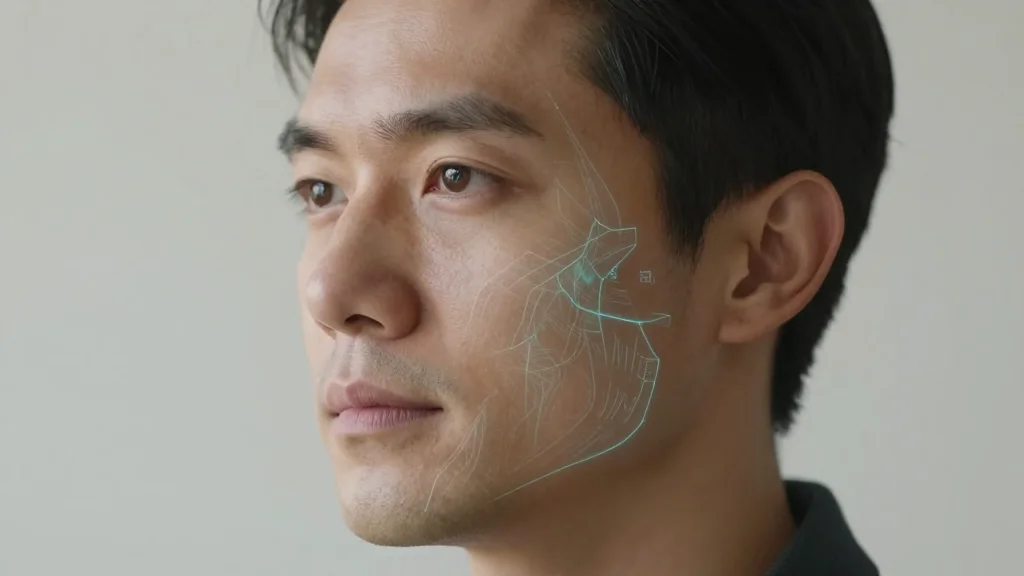
AI, Face Photos May Predict Cancer Survival: Mass General Brigham Study
Companies Mentioned
Why It Matters
FaceAge offers a low‑cost, non‑invasive biomarker that could sharpen oncology decision‑making and personalize patient care, potentially reducing reliance on expensive lab tests.
Key Takeaways
- •Multiple facial photos improve survival prediction versus a single image
- •Study covered 2,279 cancer patients across treatment timelines
- •Face Aging Rate provides near real‑time health tracking
- •Tool may guide personalized treatment intensity and follow‑up schedules
- •AI‑driven visual biomarker could complement existing genomic tests
Pulse Analysis
The Mass General Brigham study introduces a novel application of computer vision in oncology: using AI to read subtle age‑related cues from routine facial photographs. By training the FaceAge algorithm on thousands of images, researchers could translate visual changes into a quantifiable Face Aging Rate. When applied to two photos taken at different treatment stages for 2,279 patients, the rate proved a stronger predictor of overall survival than a single‑timepoint assessment, highlighting the value of longitudinal visual data.
Beyond the academic novelty, the findings have practical implications for clinical workflows. FaceAge leverages equipment already present in most clinics—standard cameras or smartphones—making it a cost‑effective adjunct to traditional biomarkers such as circulating tumor DNA or imaging scans. Oncologists could integrate the aging rate into electronic health records to flag patients whose biological age is accelerating, prompting earlier intervention or more aggressive therapy. This real‑time insight aligns with the broader push toward precision medicine, where treatment intensity is calibrated to each patient’s dynamic health trajectory.
However, deploying AI‑driven facial analysis raises privacy and equity concerns. Patients must consent to the capture and storage of facial data, and algorithms need rigorous validation across diverse ethnicities to avoid bias. Future research will likely explore combining FaceAge with molecular markers to create multimodal prognostic models. If these hurdles are addressed, the technology could spawn a new market for AI‑based health monitoring tools, reshaping how clinicians assess risk and personalize cancer care.
AI, face photos may predict cancer survival: Mass General Brigham study
Comments
Want to join the conversation?
Loading comments...