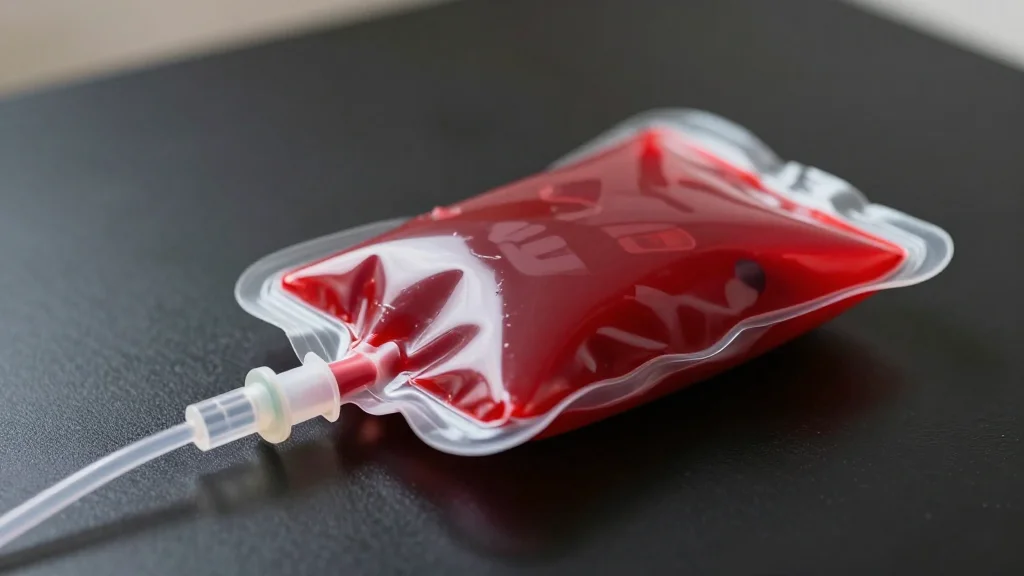
Iowa FD's Whole Blood Pilot Program Proves Worth with Stabbing Victim
Why It Matters
Field whole‑blood transfusions give trauma patients critical minutes of oxygen‑carrying capacity, directly improving survival odds and reshaping pre‑hospital emergency care standards.
Key Takeaways
- •Iowa FD began field whole‑blood transfusions in November 2025.
- •Paramedic administered blood to stabbing victim before hospital arrival.
- •Early transfusion can boost trauma survival rates by ~30%.
- •Doctors call it the most significant trauma care change in Des Moines.
- •Program may prompt nationwide EMS adoption of whole‑blood kits.
Pulse Analysis
Pre‑hospital whole‑blood transfusion has moved from experimental concept to operational reality in a handful of forward‑thinking EMS agencies. Historically, emergency medical services relied on crystalloid fluids, which dilute blood and can delay oxygen delivery. Recent studies, however, demonstrate that fresh whole blood restores clotting factors and hemoglobin more effectively than component therapy, prompting pilot programs in states like Texas, Pennsylvania, and now Iowa. These initiatives test portable refrigeration, rapid‑type‑matching protocols, and paramedic training modules, laying groundwork for broader adoption.
The Iowa pilot, launched in November 2025, equips select Des Moines ambulances with refrigerated whole‑blood units and a compact transfusion device. On February 19, paramedic Coby Klocko applied the kit to a stabbing victim bleeding profusely, initiating transfusion minutes after scene arrival. Hospital physicians confirmed that the early infusion stabilized the patient’s hemodynamics, contributing to a survival outcome that aligns with research suggesting a 30% mortality reduction when blood is given within the first hour of injury. The program’s success underscores the importance of hands‑on training; Klocko’s confidence stemmed from mannequin drills that translated into real‑world decision‑making.
If Iowa’s model proves scalable, it could catalyze a nationwide shift in EMS protocols. Policymakers will need to address logistical hurdles such as blood supply chain management, cross‑matching technology, and cost‑effectiveness analyses. Yet the potential payoff—improved survival for severe trauma, reduced long‑term disability, and lower overall healthcare expenditures—makes a compelling case. As more jurisdictions evaluate field transfusion data, the industry may soon see standardized whole‑blood kits become as routine as defibrillators in emergency response vehicles.
Iowa FD's whole blood pilot program proves worth with stabbing victim
Comments
Want to join the conversation?
Loading comments...