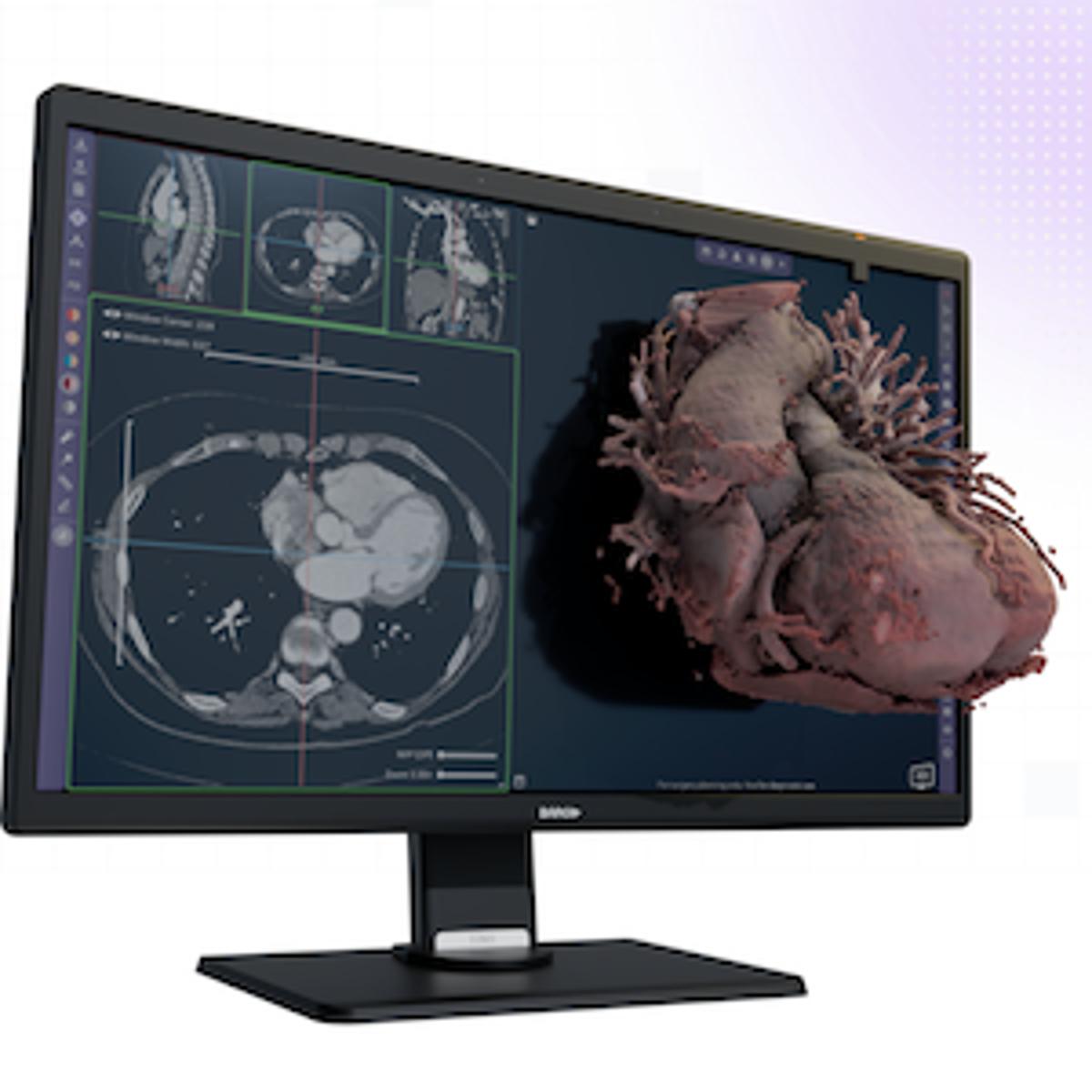
FDA Grants Clearance for Avatar Medical Vision
Why It Matters
The FDA clearance unlocks U.S. commercialization, giving hospitals a validated tool to improve surgical precision and patient communication, and could accelerate adoption of immersive imaging across high‑volume specialties.
Key Takeaways
- •FDA 510(k) clearance allows US commercialization of Avatar Medical Vision
- •Platform offers glasses‑free 3D visualization on Barco Eonis displays
- •Supports CT/MR data across 2D, 3D, VR, and PACS integration
- •Targets neurosurgery, orthopedics, ENT, oncology, interventional radiology
- •Enhances patient‑physician communication via shared, real‑time anatomy view
Pulse Analysis
The U.S. Food and Drug Administration’s 510(k) clearance for Avatar Medical Vision marks a pivotal step for immersive imaging solutions in American hospitals. By meeting the agency’s safety and efficacy standards, Avatar Medical can now sell its platform nationwide, joining a growing roster of cleared surgical‑planning tools. The clearance not only validates the software’s algorithms for processing CT and MR datasets but also unlocks reimbursement pathways that have traditionally hampered adoption of advanced visualization technologies. As health systems increasingly prioritize precision surgery, the regulatory green light positions Avatar Medical to capture a share of the multi‑billion‑dollar intra‑operative imaging market.
Avatar Medical Vision distinguishes itself through a glasses‑free, volumetric display that eliminates the discomfort and isolation of head‑mounted devices. Partnering with Barco, the platform runs on the Eonis 3D monitor, delivering true depth perception on a flat screen while preserving a natural face‑to‑face clinician‑patient interaction. The software integrates seamlessly with existing Picture Archiving and Communication Systems (PACS), allowing radiologists to import studies with a few clicks and instantly toggle between 2D slices, 3D reconstructions, and immersive environments. This plug‑and‑play approach minimizes training overhead and fits within established operating‑room workflows.
The clinical implications extend beyond technical novelty. Neurosurgeons can trace vascular pathways in three dimensions, orthopedists can visualize joint mechanics, and oncologists can delineate tumor margins with unprecedented clarity, potentially reducing operative time and improving outcomes. For patients, seeing a real‑time, shared model of their anatomy demystifies complex procedures and supports informed consent. Analysts anticipate that the combination of FDA clearance, Barco’s display pedigree, and the platform’s workflow‑friendly design will accelerate adoption across high‑volume specialties, spurring further investment in glasses‑free medical visualization.
FDA Grants Clearance for Avatar Medical Vision
Comments
Want to join the conversation?
Loading comments...