Big Companies Position Themselves for Payday From $50B Federal Rural Health Fund
Why It Matters
The distribution of these federal dollars will determine whether rural Americans retain access to essential care or face deeper gaps as Medicaid cuts bite. It also reshapes the health‑tech market, giving large vendors a foothold in a traditionally fragmented sector.
Key Takeaways
- •$50B Rural Health Transformation Program aims to modernize rural care
- •Corporate coalitions (SAIC, Gainwell) pitch tech services to states
- •States must spend first-year funds by Oct. 30 or risk penalties
- •Rural clinics fear funds will bypass them for large vendors
- •Medicaid cuts of $1T heighten urgency for technology upgrades
Pulse Analysis
The $50 billion Rural Health Transformation Program represents the most ambitious federal infusion of technology funding into America’s sparsely populated health markets. Born out of the One Big Beautiful Bill Act, the program seeks to offset the $1 trillion Medicaid reduction by bolstering electronic health records, telehealth, and cybersecurity infrastructure. States received first‑year allocations ranging from $147 million in New Jersey to $281 million in Texas, but they must commit the money by Oct. 30 and file detailed progress reports by the end of August, creating a race against time for compliance.
Against this backdrop, a handful of well‑capitalized coalitions have mobilized to capture a sizable slice of the pot. SAIC’s Alliance for Advancing Rural Healthcare bundles a Fortune‑500 contractor’s cyber‑engineering expertise with partners like Walgreens and Mission Mobile Medical, promising an "ecosystem" that can deliver everything from RV‑based clinics to data analytics. Gainwell Technologies, already embedded in many state Medicaid systems, offers similar integrated solutions and has secured multi‑million‑dollar contracts in states such as Maine. While these vendors can accelerate deployment and satisfy reporting requirements, critics argue that the emphasis on large‑scale contracts marginalizes the small, community‑based providers that actually deliver day‑to‑day care.
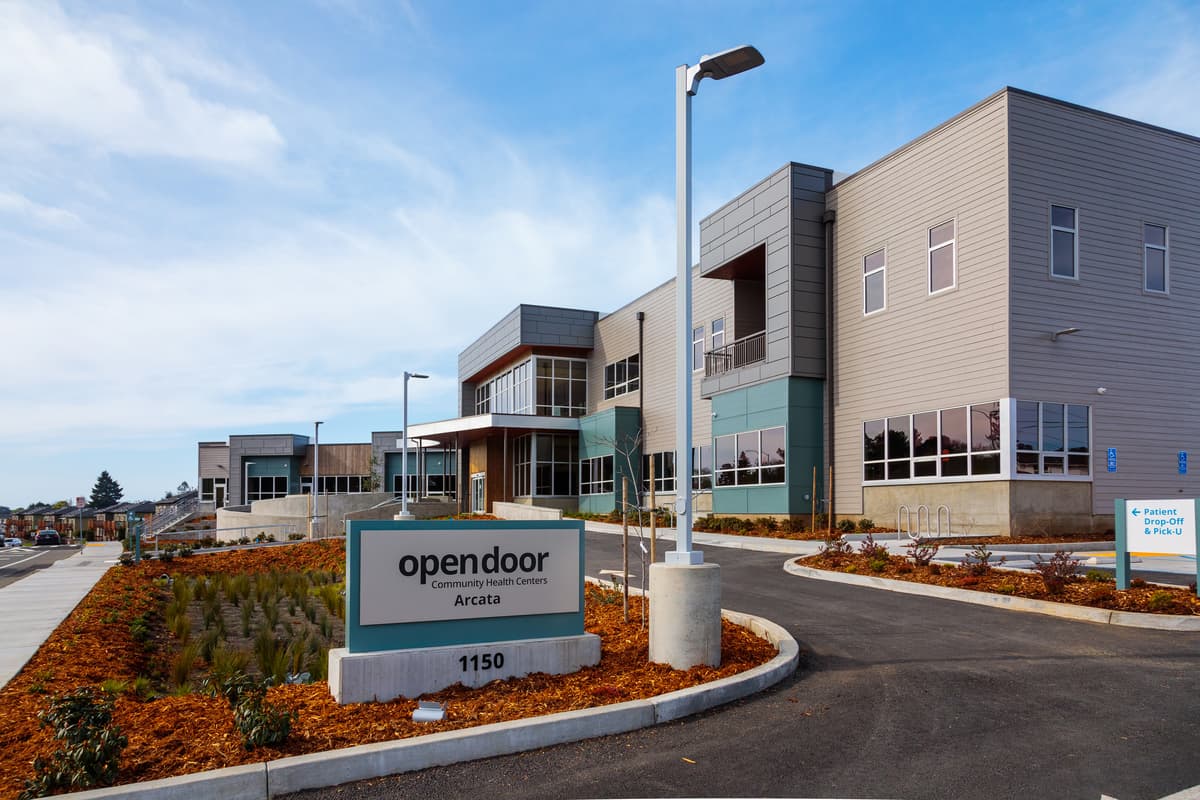
The ultimate impact on rural health hinges on how funds are allocated between high‑tech upgrades and frontline service delivery. If the money flows primarily to corporate platforms, clinics like Open Door may still lack the basic connectivity needed to keep Medicaid patients enrolled, exacerbating access gaps already widened by federal cuts. Conversely, a balanced approach that pairs technology modernization with direct support for rural providers could preserve coverage for millions of low‑income patients and set a template for future federal‑state collaborations in health innovation.
Big Companies Position Themselves for Payday From $50B Federal Rural Health Fund
Comments
Want to join the conversation?
Loading comments...