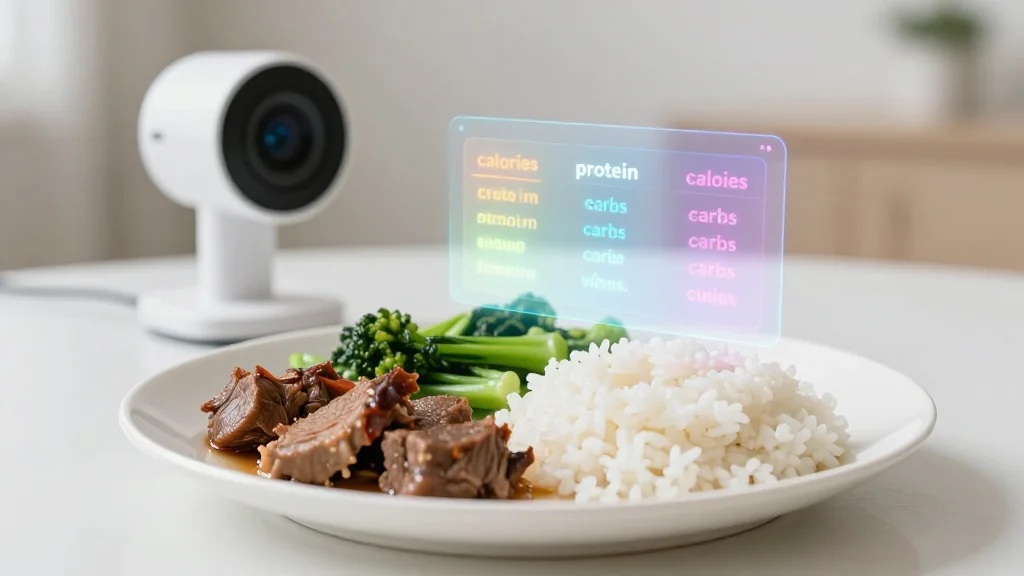
Development of an Intelligent Food Nutrition Recognition and Nutrient Intake Assessment System in Hospital Settings
Why It Matters
The system automates dietary assessment, cutting labor costs while delivering clinically actionable nutrient data, which can improve patient outcomes and hospital resource efficiency.
Key Takeaways
- •AI model reached 99.2% food classification accuracy
- •Volume estimation met ≥80% accuracy for all tested items
- •Integrates RGB‑D imaging, SAM segmentation, and SE_ResNet50
- •Monitors 20+ therapeutic diet types with ≥90% nutrient match
- •Reduces manual diet survey workload, enabling precision nutrition
Pulse Analysis
Hospitals are increasingly recognizing that nutrition is a therapeutic pillar, yet conventional diet surveys are labor‑intensive and error‑prone. The new system leverages cutting‑edge computer vision—combining depth sensing with the Segment Anything Model—to isolate each food item on a plate, then classifies it using a fine‑tuned SE_ResNet50_vd network. This dual‑approach not only identifies the dish with near‑perfect accuracy but also estimates portion volume by comparing pre‑ and post‑meal scans, translating visual data into precise weight and nutrient values.
Beyond technical performance, the platform’s real value lies in its scalability for clinical workflows. By linking a curated database of 204 standardized therapeutic diets to the Chinese Food Composition Table and accounting for cooking loss, the software can instantly verify whether a patient’s meal meets individualized nutrient targets. Hospitals can thus shift from anecdotal diet monitoring to data‑driven precision nutrition, reducing the need for dietitians to manually record and calculate intake, and freeing staff to focus on higher‑order care decisions.
The broader implications extend to health economics and patient satisfaction. Accurate, automated nutrient tracking can shorten hospital stays by ensuring optimal therapeutic diets, lower the risk of malnutrition‑related complications, and provide measurable quality‑of‑care metrics for administrators. As more institutions adopt AI‑enabled nutrition platforms, the industry may see a new standard for dietary care, driving research into personalized nutrition therapies and fostering integration with electronic health records for holistic patient management.
Development of an intelligent food nutrition recognition and nutrient intake assessment system in hospital settings
Comments
Want to join the conversation?
Loading comments...