How to Implement AI-Powered Coronary Plaque Analysis Software—And Ensure You Get Paid
Why It Matters
The new reimbursement framework turns AI plaque analysis from a research tool into a billable service, accelerating adoption and creating a new revenue stream for cardiology practices.
Key Takeaways
- •AI plaque analysis now has Medicare coverage and new CPT codes
- •New CPT codes introduced in 2024 streamline reimbursement for CCTA AI services
- •Webinar on May 5 offers workflow, integration, and billing guidance
- •Speakers include Circle Imaging CMO and Sheeley Consulting founder
- •Implementing AI requires workflow redesign and proper coding to capture revenue
Pulse Analysis
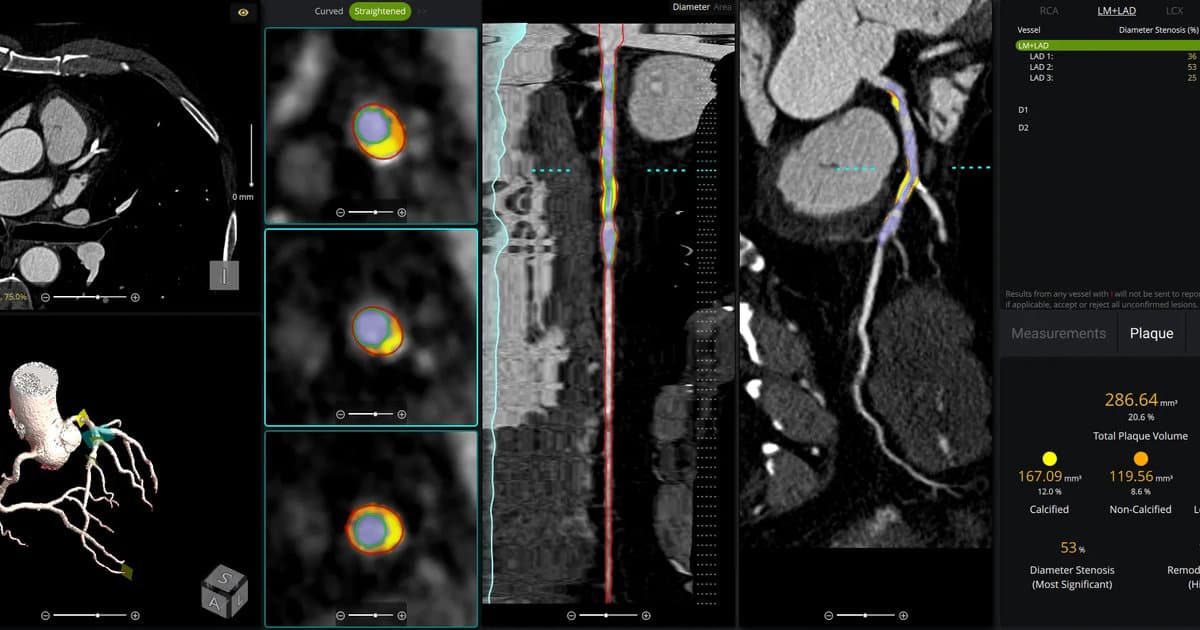
The rise of AI‑powered coronary plaque analysis marks a pivotal shift in cardiac imaging. By leveraging deep‑learning algorithms on CCTA scans, clinicians can quantify plaque volume, composition, and vulnerability with a precision that rivals invasive methods. The clinical benefits—earlier detection of high‑risk lesions and more personalized treatment plans—are now reinforced by policy changes. Medicare’s 2024 decision to cover these services and assign Category 1 CPT codes (e.g., 75573 for AI‑derived plaque quantification) legitimizes the technology and aligns reimbursement with the time physicians spend interpreting AI outputs.
Despite the promise, integrating AI tools into existing radiology and cardiology workflows presents practical hurdles. Practices must update PACS interfaces, train technologists to acquire optimal scan protocols, and ensure that AI results feed seamlessly into electronic health records. Equally critical is mastering the new billing landscape; accurate use of CPT codes, appropriate modifier application, and documentation of medical necessity are essential to avoid claim denials. Educational initiatives, such as the upcoming "From Plaque to Payment" webinar, provide a forum for sharing best‑practice templates, real‑world case studies, and live Q&A with industry leaders, helping teams navigate these complexities efficiently.
Financially, the convergence of AI analytics and reimbursable CPT codes opens a lucrative avenue for cardiovascular departments. Early adopters can capture additional revenue per study while differentiating their services in a competitive market. Moreover, the data generated by AI platforms can support quality‑improvement programs and research collaborations, further enhancing institutional prestige. As more payers recognize the value of AI‑derived insights, the ecosystem is poised for rapid expansion, making strategic implementation a critical priority for forward‑looking cardiology practices.
How to implement AI-powered coronary plaque analysis software—and ensure you get paid
Comments
Want to join the conversation?
Loading comments...