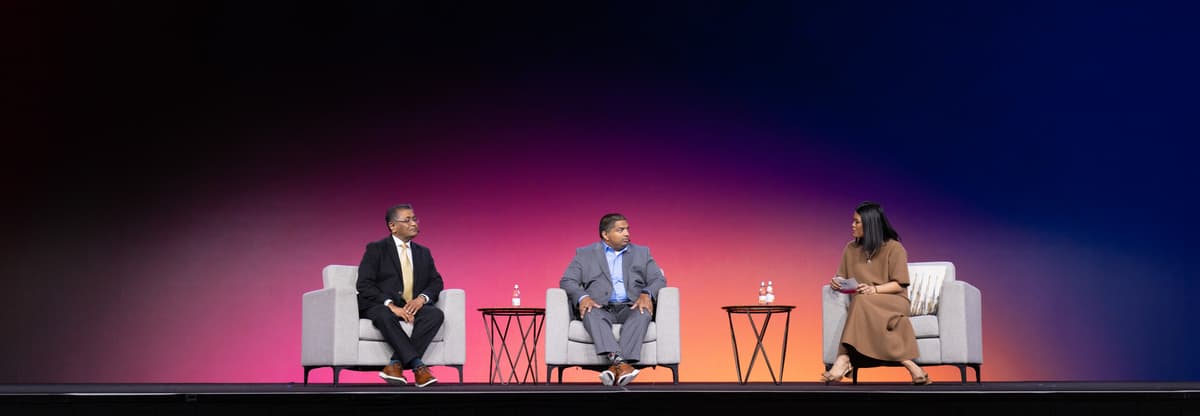
IHS Leaders Tie Cybersecurity Directly to Patient Care
Companies Mentioned
Why It Matters
By framing security as a patient‑safety issue, IHS ensures that cyber defenses directly support clinical outcomes, setting a precedent for mission‑aligned cybersecurity in healthcare.
Key Takeaways
- •IHS serves 2.7 million patients across 37 states.
- •Cybersecurity is framed as a patient‑care enabler.
- •Real‑time monitoring protects both IHS and tribal partners.
- •AI tools augment clinicians and security analysts, not replace them.
- •Culture and flexibility drive long‑term security strategy.
Pulse Analysis
The Indian Health Service (IHS) used the 2026 Splunk GovSummit to underline a growing truth: cybersecurity is inseparable from patient care. Serving roughly 2.7 million individuals across 37 states, the agency’s network stretches from urban hospitals to remote tribal clinics, where connectivity can be fragile. In that environment, any interruption threatens clinical workflows, so IHS positions security as a business enabler that must operate transparently behind the scenes. Real‑time visibility into network activity allows the service to detect threats early and protect both its own facilities and partner tribal organizations.
The agency’s AI strategy mirrors that pragmatic stance, treating artificial intelligence as an augmentation tool rather than a replacement. Security analysts can feed massive log streams into machine‑learning models that surface high‑risk alerts, freeing human investigators to focus on response. Clinicians benefit from automated transcription that drafts electronic health‑record notes, shortening documentation time while preserving physician‑patient interaction. IHS couples these capabilities with mandatory training and clear communication, ensuring staff understand both the advantages and the potential pitfalls of AI. This balanced rollout aims to boost efficiency without compromising safety or regulatory compliance.
Beyond technology, IHS leaders stress culture and flexibility as the backbone of a resilient security posture. By branding cybersecurity as patient safety, they embed protective habits into daily clinical routines, reinforced through newsletters, real‑world case studies, and continuous education. The agency also designs systems with modularity, anticipating that threat landscapes and regulatory demands will evolve over the next decade. This mission‑first, adaptable framework offers a blueprint for other federal health entities seeking to protect vulnerable populations while expanding telehealth and digital services.
IHS Leaders Tie Cybersecurity Directly to Patient Care
Comments
Want to join the conversation?
Loading comments...