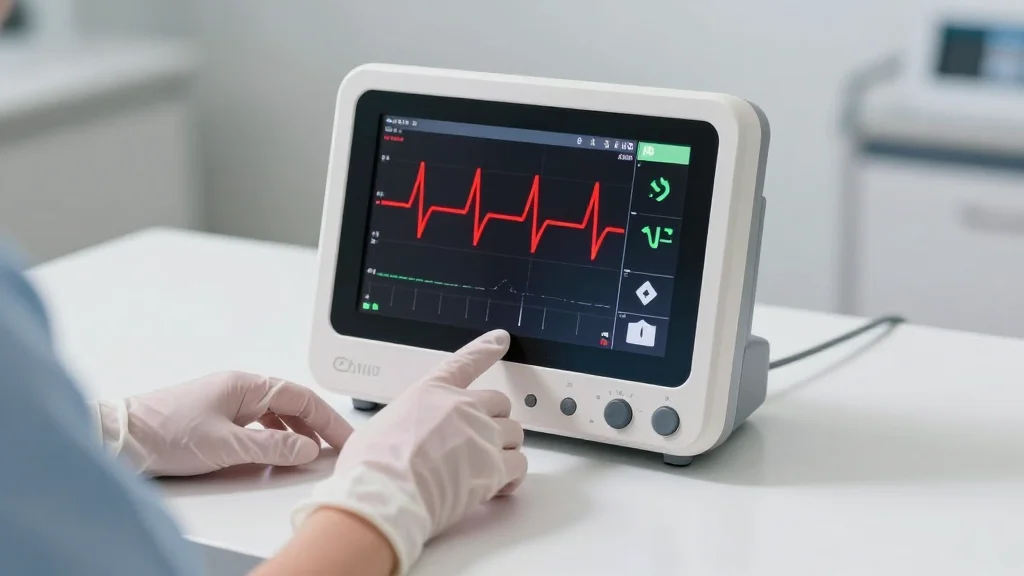
Why Cardiac Monitoring Belongs at the Foundation of Your Service Line Strategy: A Conversation with Amanda Maples, RN, BSN, MHA
Companies Mentioned
Why It Matters
Embedding ambulatory cardiac monitors into service line strategy reduces repeat ED visits, accelerates diagnoses, and generates actionable data, directly boosting patient outcomes and financial performance for health systems.
Key Takeaways
- •Continuous cardiac monitors cut repeat ED visits for AFib symptoms
- •Women’s cardiovascular program leverages monitoring for early detection
- •Standardized monitoring workflow eases staff burden and speeds diagnosis
- •Monitor data becomes strategic asset guiding service line decisions
- •Underutilized monitoring tools improve access, outcomes, and cost efficiency
Pulse Analysis
Healthcare executives are under relentless pressure to expand access, trim diagnostic delays, and contain costs. In this environment, service line leaders are turning to ambulatory cardiac monitoring as a cost‑effective diagnostic lever. Unlike expensive imaging suites or surgical robots, wearable ECG devices such as iRhythm’s Zio series provide continuous rhythm data without requiring hospital admission, enabling clinicians to triage patients more accurately and allocate resources where they are needed most. This shift aligns with broader industry moves toward value‑based care and population health management, where early detection and prevention are paramount.
Women’s cardiovascular disease illustrates a critical gap that continuous monitoring can fill. Although heart disease remains the leading cause of death for U.S. women, symptoms often differ from those of men, leading to missed or delayed diagnoses. Programs that integrate wearable monitors into routine obstetric and primary‑care visits can capture silent arrhythmias, microvascular dysfunction, and post‑pregnancy cardiac stress, providing clinicians with objective data to intervene before adverse events occur. By coupling education with technology, health systems not only improve outcomes for a high‑risk demographic but also differentiate themselves in a competitive market.
Operationally, the success of monitoring programs hinges on streamlined workflows and data stewardship. Maples emphasizes end‑to‑end process design—patient registration, device placement, data transmission, and result interpretation—to minimize staff burden and eliminate friction points. When data from thousands of monitors are aggregated, they become a strategic asset that can be analyzed quarterly to identify volume trends, outcome gaps, and ROI opportunities. Leveraging this intelligence, service line leaders can justify further investment, expand monitoring coverage, and ultimately drive sustainable growth in cardiovascular care.
Why Cardiac Monitoring Belongs at the Foundation of Your Service Line Strategy: A Conversation with Amanda Maples, RN, BSN, MHA
Comments
Want to join the conversation?
Loading comments...