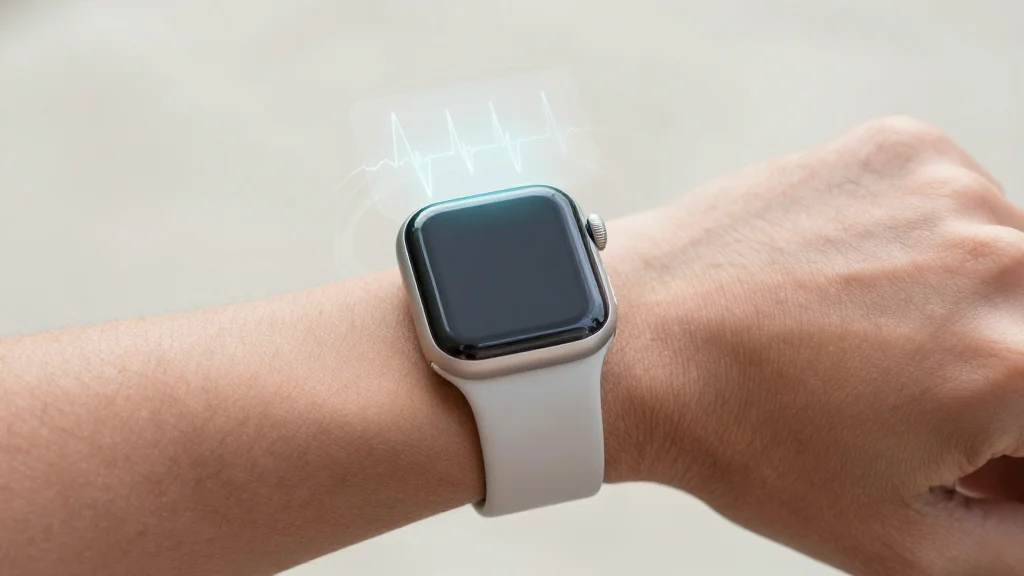
Utilizing Wearable Technology to Characterize and Predict Post-Exertional Malaise Crashes Across Post-COVID Syndrome and Chronic Inflammatory Conditions: Study Protocol of the Prospective Observational Study &Lsquo;U-WaTCH’
Why It Matters
Accurate PEM prediction could enable personalized pacing strategies, reducing disability for Long COVID and rheumatic patients while creating a new digital‑health service opportunity.
Key Takeaways
- •Study enrolls 300 participants: PCS, rheumatic, healthy controls.
- •Wearables collect continuous HRV, activity, sleep, and environmental data.
- •Machine‑learning models aim to forecast PEM crashes up to weeks ahead.
- •“PEM‑protection mode” will deliver real‑time alerts via mHealth app.
- •Potential to shift PEM management from reactive reporting to proactive prevention.
Pulse Analysis
Post‑COVID syndrome and inflammatory rheumatic diseases share a debilitating symptom known as post‑exertional malaise, or PEM, which can trigger sudden crashes of fatigue lasting days or weeks. Traditional management relies on patient diaries, leaving clinicians blind to the physiological precursors of these events. The rapid diffusion of consumer wearables—Apple Watch, Fitbit, and similar devices—offers a unique opportunity to capture high‑resolution biometric data in real time, turning subjective reports into objective, actionable signals.
U‑WaTCH leverages this ecosystem by pairing continuous wearable streams with advanced machine‑learning techniques, including Cox regression, survival random forests, and deep neural networks. By integrating heart‑rate variability, activity patterns, sleep quality, and environmental exposures, the study aims to identify the subtle physiological shifts that precede a PEM crash. The inclusion of a second 90‑day monitoring phase for PEM patients provides a validation window, ensuring the predictive models are robust across diverse symptom trajectories. This methodological rigor positions the trial at the forefront of digital phenotyping in chronic inflammatory conditions.
If successful, the “PEM‑protection mode” could become a scalable digital therapeutic, delivering real‑time alerts that prompt users to modify activity or initiate supportive interventions before a crash unfolds. Such proactive management promises to improve quality of life for millions of Long COVID sufferers and rheumatic patients, while offering health systems a data‑driven tool to reduce emergency visits and associated costs. The study also signals a broader shift toward wearable‑enabled, AI‑powered care pathways that could redefine chronic disease monitoring across the healthcare industry.
Utilizing Wearable Technology to Characterize and Predict Post-Exertional Malaise Crashes across Post-COVID Syndrome and Chronic Inflammatory Conditions: Study Protocol of the prospective observational study ‘U-WaTCH’
Comments
Want to join the conversation?
Loading comments...