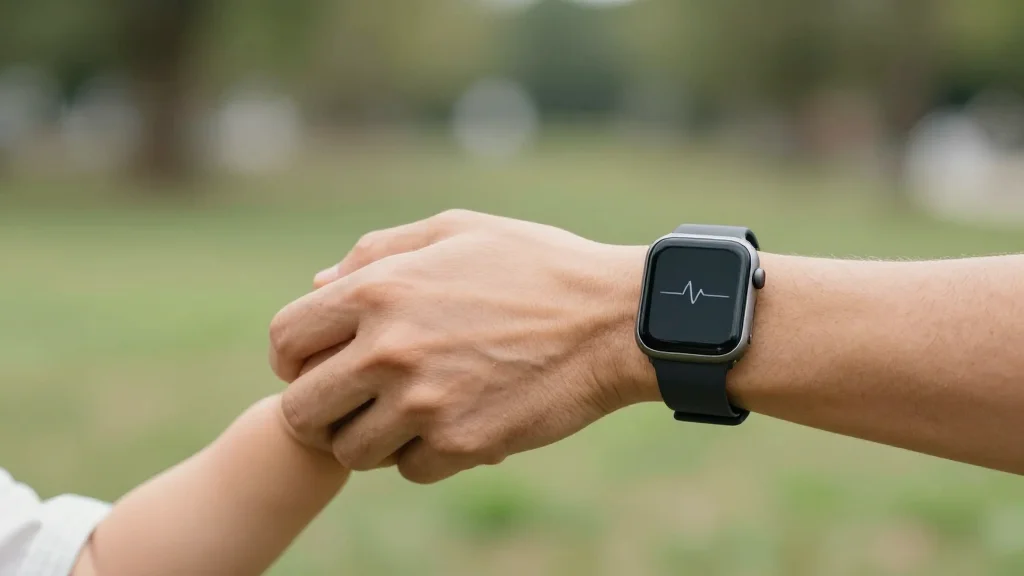
Samsung Says Galaxy Watch Can Predict Fainting up to 5 Minutes Early
Companies Mentioned
Why It Matters
Early detection of fainting can give users critical seconds to protect themselves, reducing injury risk and showcasing wearables as proactive medical tools. The validation also signals a broader shift toward AI‑enabled preventive care in the consumer tech market.
Key Takeaways
- •Galaxy Watch 6 AI predicts fainting up to five minutes early
- •Study of 132 patients showed 84.6% accuracy, 90% sensitivity
- •Vasovagal syncope affects 40% of people, causing injury risk
- •Samsung aims to shift wearables toward preventive health care
- •No consumer rollout timeline announced; partnership with hospitals emphasized
Pulse Analysis
The recent clinical validation of Samsung’s Galaxy Watch 6 marks a milestone for wearable health technology. By continuously monitoring heart‑rate variability and feeding the data into a proprietary AI model, the watch can spot the subtle autonomic shifts that precede vasovagal syncope. In a cohort of 132 patients, the system flagged impending fainting episodes with 84.6% accuracy, delivering alerts up to five minutes before loss of consciousness. This window, while brief, offers users a chance to sit or lie down, call for help, or otherwise mitigate the risk of falls and related injuries.
The findings arrive at a time when the wearable market is fiercely competitive, with Apple, Fitbit, and emerging Chinese brands all racing to embed medical‑grade sensors into consumer devices. Samsung’s emphasis on preventive care differentiates its offering from the typical fitness‑tracking narrative, aligning the product with emerging digital‑health reimbursement models and potential partnerships with hospitals. However, regulatory pathways remain a hurdle; achieving FDA clearance or CE marking for a diagnostic‑grade feature will require extensive real‑world evidence and compliance with medical‑device standards.
Looking ahead, Samsung’s strategy appears to leverage the watch as a platform for broader health‑monitoring services, potentially integrating with telemedicine providers and chronic‑disease management programs. If the faint‑prediction capability can be scaled and validated across diverse populations, it could open new revenue streams through subscription‑based health insights and data licensing. Yet, consumer adoption will hinge on clear communication of benefits, privacy safeguards, and the eventual rollout timeline, which remains undisclosed. The move underscores a growing industry trend: wearables evolving from lifestyle accessories into integral components of preventive healthcare ecosystems.
Samsung says Galaxy Watch can predict fainting up to 5 minutes early
Comments
Want to join the conversation?
Loading comments...