
Tolion Health AI Launches AI-Powered Tolion Brain Coach App for Brain Health, Longevity, and Prevention of Alzheimer’s Disease
Tolion Health AI unveiled the Tolion Brain Coach, an AI‑driven mobile app that extends its Brain Health Platform with personalized, preventive insights for cognitive wellness. The app pulls data from Apple Health and Google Health Connect, analyzing more than 15 wearable‑derived variables such as cardiovascular metrics, sleep, and activity. It tailors recommendations to strengthen brain resilience, aiming especially at adults aged 40‑60, APOE4 carriers, and those with a family history of Alzheimer’s. The launch positions Tolion as a frontrunner in AI‑enabled neuro‑preventive care.

FDA Approves First AI Test to Guide Breast Cancer Chemotherapy Decisions
The U.S. Food and Drug Administration has cleared ArteraAI Breast, the first artificial‑intelligence test designed to guide chemotherapy decisions for early‑stage, hormone‑receptor‑positive, HER2‑negative breast cancer. The digital‑pathology platform scans resection slides, combines them with clinical variables, and uses a multimodal...

How AI Is Supporting Nurses
TechRepublic reports that artificial intelligence is increasingly deployed to assist nurses across hospitals, targeting the chronic documentation overload that consumes much of their time. AI-powered transcription, predictive safety alerts, and real‑time patient monitoring are reducing charting effort and improving clinical...

FDA Approves Early Warning System for Sepsis
U.S. Food and Drug Administration has cleared the Targeted Real‑Time Early Warning System, an AI‑driven tool from Johns Hopkins and Bayesian Health that flags sepsis before clinicians suspect it. The system can detect the infection 2 to 48 hours earlier...

Ultrasound-Activated Nanoparticles Shine a Light Deep Within Living Tissues
Stanford researchers have demonstrated that ultrasound can activate mechanoluminescent nanoparticles to emit blue light deep within living tissue. By coating Sr4Al14O25:Eu,Dy particles with a biocompatible film and injecting them into mice, they produced programmable 490 nm illumination in organs such as...
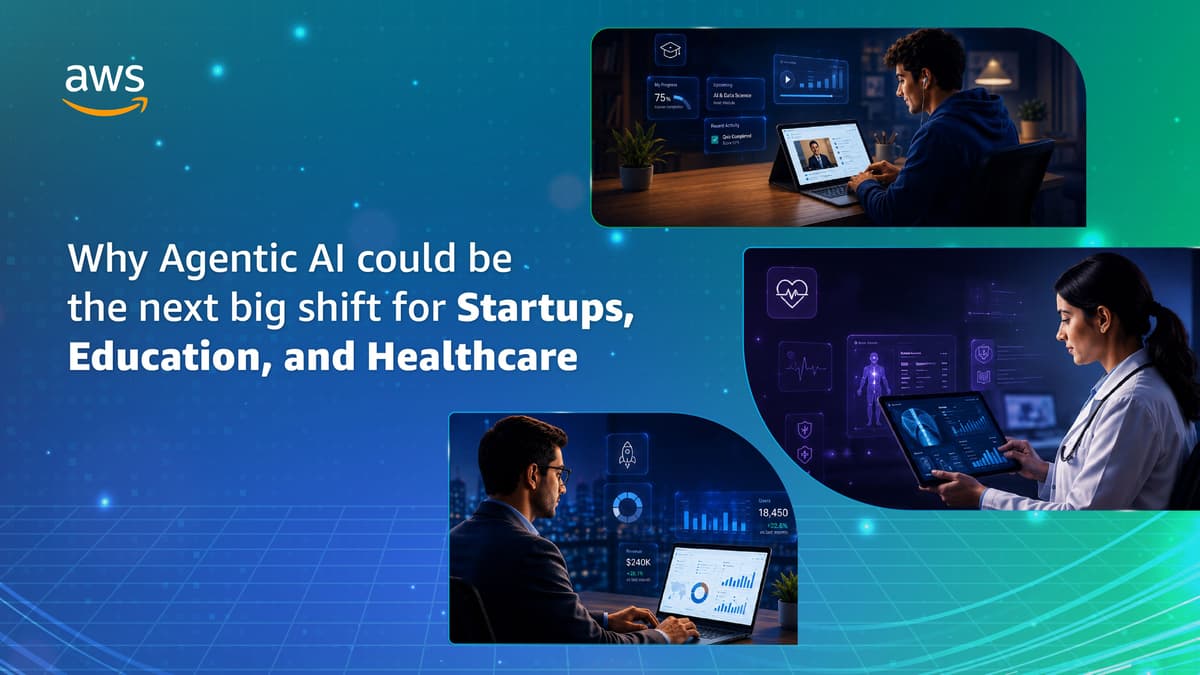
Why Agentic AI Could Be the Next Big Shift for Startups, Education, and Healthcare
Generative AI is moving from isolated pilots to embedded, agentic systems that understand context, orchestrate workflows, and act within guardrails. Industry forecasts expect nearly 40% of enterprise applications to include task‑specific AI agents by 2026, signaling a shift toward autonomous,...

How Compassus Is Transforming Home Health Intake With AI
Compassus, a Tennessee‑based home health and hospice provider, has deployed an AI‑driven intake platform that slashes referral processing from roughly an hour to under ten minutes. The tool aggregates fax, email and EMR sources, automatically checks zip codes and insurance,...

Digital Aging Twin Measures How Organs Age at Different Speeds Across Adulthood
Researchers from China’s Aging Biomarker Consortium unveiled the Digital Aging Twin, a computational framework that predicts biological age and organ‑specific aging rates using 240 physiological and multi‑omics measures from 2,019 healthy adults. The system features a three‑tier clock architecture, with...

What if Your Health Had a CIBIL-Like Score? A Hyderabad Startup Is Building It for a Decade
Hyderabad‑based eKincare, founded in 2014, has spent a decade building a continuous health‑score platform that stitches together fragmented medical records from corporate health checks. Leveraging AI, it standardises data from hundreds of diagnostics providers to create longitudinal health timelines for...

LUX Wants Women to Hold Their Heads High, Literally
LUX has introduced a free web‑based tool called “Chin Up” that uses a phone’s built‑in motion sensors to detect when users tilt their devices below a 90‑degree angle, prompting them to straighten their posture. The tool runs in a browser...

‘Taiwan Action Team’ Set to Head to Geneva
Taiwan’s Ministry of Foreign Affairs and Ministry of Health and Welfare announced a delegation, the “Taiwan Action Team,” led by Health Minister Shih Chung‑liang, will travel to Geneva for the 79th World Health Assembly. Although Taiwan has not received a...

Reconnecting Body and Brain: Europe's Breakthrough in Reversing Paralysis
European researchers have unveiled a fully implantable brain‑spine interface that bridges damaged neural pathways, allowing paralysis patients to move voluntarily. The EU‑funded ReverseParalysis project demonstrated the technology in four patients, with two regaining the ability to stand and walk and...
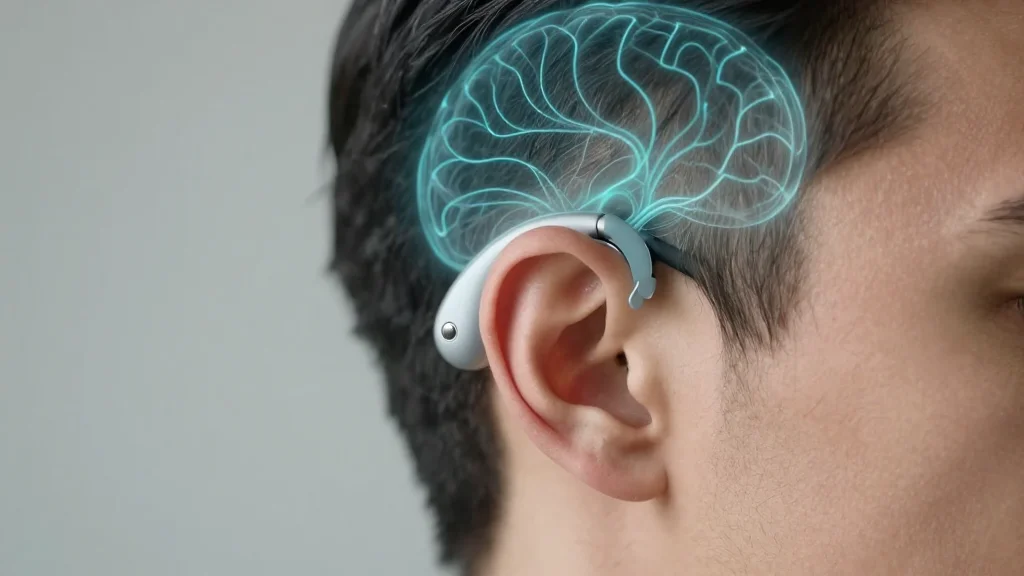
New Research May Lead to Hearing Aids with the Ability to Select One Voice Among Many
Researchers at Columbia University have demonstrated a brain‑controlled hearing‑aid prototype that uses auditory‑cortex signals to isolate a single speaker in a noisy environment. By monitoring neural activity, the system automatically amplifies the desired voice while suppressing others, improving comprehension and...

Building Winning Digital Health Strategies for Patient-Centered Care — Lessons From 3 Health Systems
Health systems are flooded with digital health pilots, but most fail to improve outcomes because technology often clashes with real‑world clinician workflows and patient behavior. At Becker’s 16th Annual Meeting, leaders from Loretto Hospital, InterSystems, Emory Healthcare and University of...

Transforming Cancer Care: The Evolution of Remi, an AI-Powered Oncology Assistant
Reimagine Care, a Nashville‑based virtual oncology provider, unveiled an upgraded version of its AI‑powered assistant Remi. The new system leverages large language models and agentic AI to conduct more natural conversations, integrate NCCN‑based clinical pathways, and automatically triage 50% of...

Advocate Health Speeds up Prior Authorizations with AI: 5 Notes
Advocate Health has integrated an AI‑driven module into its Epic EHR to automate prior‑authorization workflows for specialty medications. The new system replaces traditional phone and fax processes with digital questionnaires and AI‑generated draft responses. Staff time per authorization fell from...

GE HealthCare Recalls Certain CT Systems Due to 'Security Vulnerability'
The U.S. FDA has issued a Class 2 recall for GE HealthCare's Revolution series CT scanners after identifying a security vulnerability in the AW Server accessed through Edison Health Link. Approximately 200 systems worldwide are affected, prompting GE to issue Urgent...

How Beth Israel Lahey Health Cut Fax Failures From 34% to 4% — and Saved $4 Million
Beth Israel Lahey Health modernized its fax infrastructure by adopting Retarus’s cloud‑based platform during a 2023 Epic EHR consolidation. The new system cut fax failure rates from 34% to 4% and introduced AI‑driven document processing. Visibility into fax delivery eliminated...

FDA Clears High-Pressure Balloon Catheter for BAV Procedures
Corvention, an Arizona‑based medtech startup, received FDA clearance for its KardiaPSI high‑pressure balloon catheter used in balloon aortic valvuloplasty (BAV). The device is engineered to retain its diameter under extreme pressures, delivering precise focal force in heavily calcified aortic valves....

AI Ethical Minefields in Clinical Decision-Making
Hospice providers are testing AI for documentation, operational efficiency and clinical decision support, aiming to offset rising demand and shrinking staff. Dr. Kimberly Curseen of AAHPM argues that smart AI can lift administrative burdens without eroding patient rapport, but regulatory...

First Real-Time Brain-Controlled Hearing Device
Columbia University researchers have built the first real‑time brain‑controlled hearing prototype that can isolate a single voice in a noisy setting. By decoding intracranial EEG signals, the system identifies which speaker a listener is attending to and automatically amplifies that...
Volatile Digital Health Marketplace Impacts Interoperability Adoption
Providers are slowing interoperability purchases as volatility grips the digital‑health market, according to Health Gorilla CEO Bob Watson. Startup vendors that promise seamless data exchange face funding gaps and uncertain exits, prompting hospitals to favor established platforms. The hesitation coincides...

Federal Pressure Aims to Accelerate Interoperability for Payers, Providers
The Centers for Medicare & Medicaid Services (CMS) and the Department of Health‑related Interoperability Initiative (DOGE) are jointly urging payers and providers to accelerate clinical data exchange. In a HIMSS TV interview, Health Gorilla CEO Bob Watson highlighted the federal...

New Coronary IVL Tech From Boston Scientific Impresses in First-in-Human Study
Boston Scientific’s Seismiq 4CE Coronary IVL Catheter, a laser‑driven intravascular lithotripsy system, completed a first‑in‑human study of 41 patients with severely calcified coronary lesions. The device achieved a 97.4% device‑success rate and a 90.2% freedom‑from‑major‑adverse‑cardiovascular‑events at 30 days, with procedural success...

Testing for ‘Bad Cholesterol’ Doesn’t Tell the Whole Story
The 2026 American Heart Association and American College of Cardiology guidelines recognized apolipoprotein B (apoB) as a more precise marker of atherogenic particles than traditional LDL‑C, but they stopped short of replacing LDL testing. A JAMA modeling study of about 250,000...

Castomize Rethinks the Orthopedic Cast as a Breathable ‘4D-Printed’ Lattice Shell
Castomize, a Singapore‑based med‑tech startup, has introduced a 4D‑printed orthopedic cast that softens with heat, conforms to a patient’s limb, and hardens as it cools. The lattice shell is breathable, waterproof and can be reshaped for swelling, eliminating the need...

AI-Aided Colonoscopy May Help High-Risk Colorectal Cancer Group
A randomized trial of 1,356 Taiwanese adults showed that computer‑aided detection (CAD) during colonoscopy increased adenoma detection, especially among patients with a positive fecal immunochemical test (FIT). CAD achieved a 39% higher likelihood of finding adenomas in the FIT‑positive subgroup...

Vendor Notebook: Health AI Bolstered by Collective Approaches to Quality
A coalition of health‑tech vendors is rolling out AI tools to close the technology gap in rural hospitals. Viz AI, partnered with the National Rural Health Association, will deploy AI that flags strokes and pulmonary embolisms and streamlines care coordination. InterSystems...

How Tissue-Based Approaches Are Enabling Long-Term Implants
A new class of medical devices that integrate directly with the body’s own tissue is emerging, promising longer functional lifespans and fewer replacement surgeries. John Schorgl, CEO of Peytant Solutions, explains how tissue‑based designs improve implant stability, promote natural healing,...

Subcutaneous Furosemide Aids With Earlier Discharge: SUBCUT II HF
A randomized SUBCUT II HF trial in 22 UK hospitals showed that subcutaneous furosemide delivered via a minipump enables safe early discharge for heart‑failure patients. The early‑discharge arm reduced average hospital stay from 11.0 to 5.6 days and added four additional days...

The Rise of Predictive Treatment Planning in Modern Aligner Therapy
Predictive treatment planning leverages 3‑D imaging, machine learning and massive case datasets to simulate tooth movements for clear aligner therapy. Modern software generates tray‑by‑tray sequences, predicts attachment needs, and flags cases likely to require mid‑treatment refinements. Clinicians now act as...
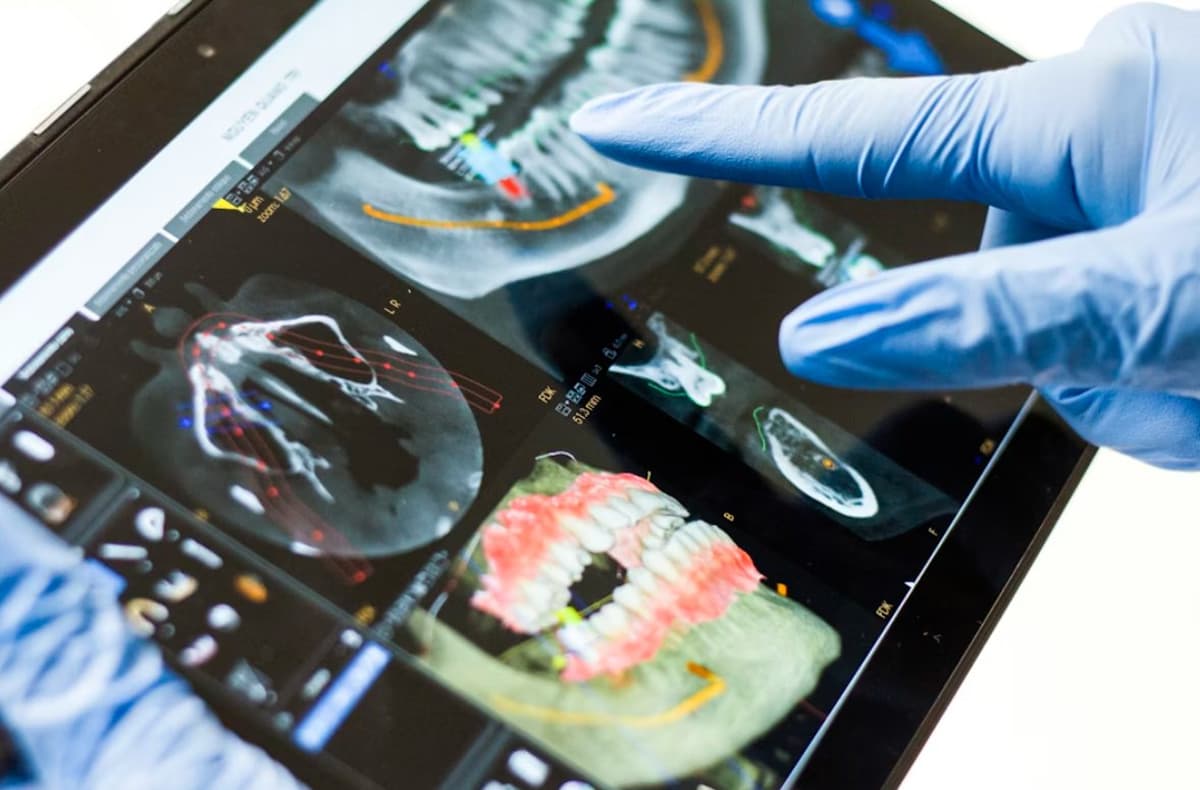
How Digital Smile Design Is Changing the Veneer Experience
Digital Smile Design (DSD) is reshaping porcelain veneer procedures by replacing hand‑crafted impressions and wax‑ups with a data‑driven workflow that blends high‑resolution photography, intra‑oral scans, video, and 3D modeling. The method delivers photorealistic visualizations and physical mock‑ups before any tooth...

Proposals To License AI In Health Care Catch Fire
State lawmakers, academic groups, think tanks, and the American Medical Association are debating whether AI tools that deliver medical care should be required to obtain a license to practice medicine. The debate intensified after Utah controversially permitted an AI system...
/https://tf-cmsv2-smithsonianmag-media.s3.amazonaws.com/filer_public/44/a5/44a5970b-e8d9-42c1-a967-4d292e0358e1/20260308_kang_edward_project_0004_ae.jpg)
This High Schooler Developed an A.I. Tool to Diagnose Autism and ADHD Using the Retina
Seventeen‑year‑old Edward Kang won second place at the 2026 Regeneron Science Talent Search with RetinaMind, an AI system that analyzes retinal images to diagnose autism spectrum disorder and ADHD with about 89% accuracy. The tool uses ensemble learning and Grad‑CAM...
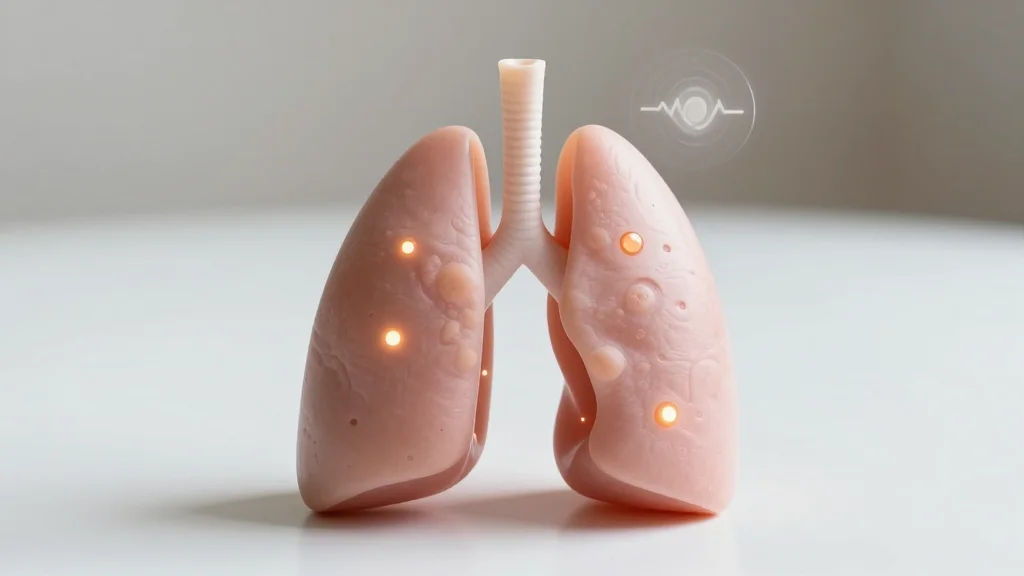
Sarasota Memorial IDs Lung Cancers Earlier with Analytics Platform
Sarasota Memorial Health Care System adopted the Eon analytics platform to scan radiology reports, surface incidental lung nodules, and manage patient follow‑up. The solution lifted real‑time alerts from 1‑2 per week to roughly 170, enabling a dedicated lung nodule clinic....
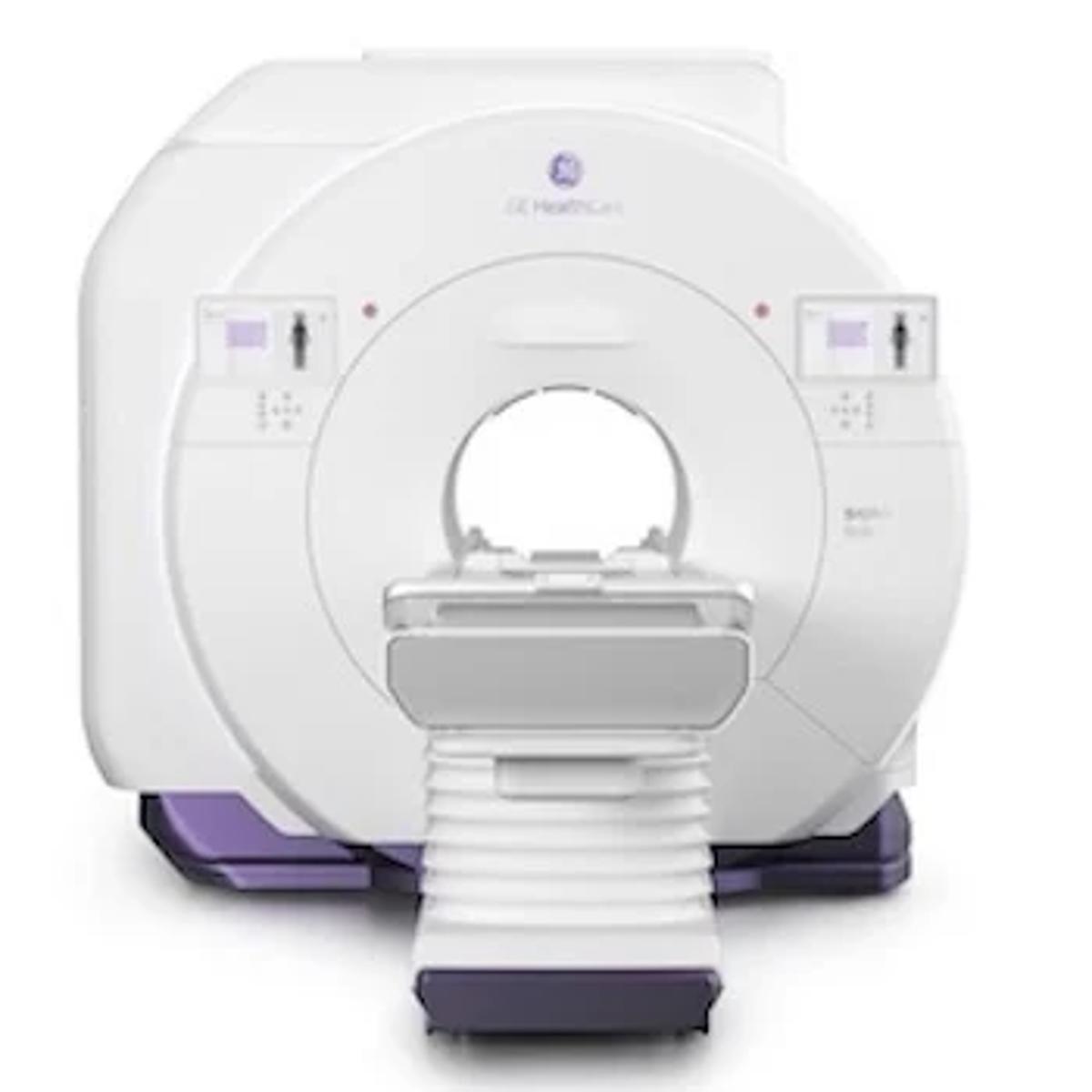
GE HealthCare Showcases AI-Powered MRI Technologies
At the ISMRM 2026 meeting, GE HealthCare announced a suite of AI‑powered MRI innovations designed to speed scans, improve image quality and support collaborative research. The rollout includes the SIGNA One workflow platform, Sonic DL deep‑learning acceleration pending FDA clearance,...

Whoop Is Putting a Board-Certified Physician in Its App to Tell You Why You’re Tired
Whoop is launching live, in‑app video consultations with board‑certified physicians, allowing members to share months of biometric data and, where available, electronic health records via a HealthEx partnership. The service rolls out this summer in the United States and is...

Telehealth Didn’t Break the Bank—And the Data Prove It
A UCLA‑led analysis of 3.04 million insured adults from 2019‑2023 found that the telemedicine surge did not drive higher ambulatory visits or total medical spending, which totaled $178.44 billion. High‑adoption regions saw a 2.4% dip in visits and a 0.5% dip in...

Health Info Net Advances Sovereign Digital Healthcare With Red Hat and VSHN
Health Info Net (HIN) partnered with Red Hat and managed‑service provider VSHN to build a sovereign, cloud‑native platform on Red Hat OpenShift. The migration moved HIN from static servers to a multivendor private cloud spanning Swiss providers Cloudscale and Exoscale, completing the...

The Hidden Design Flaw in Medical Device Service Technology
Medical device service platforms still rely on industrial‑style metrics such as uptime and ticket closure, which ignore the regulatory and safety dimensions of clinical equipment. In regulated health settings, a device must be demonstrably ready for patient use, with real‑time...

Quantum Health Adds Prescription Cost Guidance Through Scripta Integration
Quantum Health partnered with Scripta Insights to embed prescription‑savings guidance into its care‑coordination platform. The integration surfaces lower‑cost, clinically equivalent drug alternatives, supports member‑prescriber engagement, and delivers analytics across existing PBM contracts. By extending its navigation model to pharmacy benefits,...

An Endovascular Approach to Neurological Diseases Can Shift the Treatment Paradigm
For six decades the ventriculoperitoneal shunt has been the standard treatment for hydrocephalus, but its invasive nature and high complication rates limit patient eligibility. Endovascular neurosurgery, refined through stroke and aneurysm care, now enables catheter‑based shunt placement that avoids craniotomy....

New Photoacoustic Imaging Helps Robotic Surgeons Avoid Hidden Anatomical Hazards
Researchers at Worcester Polytechnic Institute have integrated photoacoustic (PA) imaging into robot‑assisted laparoscopic surgery, creating real‑time 3‑D maps of hidden blood vessels and nerves. The PA probe, introduced through a standard laparoscopic port, overlays depth‑coded images onto the endoscopic video,...

Why Gen AI Is a Win for MedTech: And, How to Unlock Its Potential with the Right Policies
Generative AI is rapidly becoming a core productivity tool in medical device development, accelerating tasks such as code generation, unit testing and especially documentation. Studies show AI can reduce unit‑testing effort by up to 70%, while AI‑drafted design artifacts free...

Health IT Leaders Eye AI, Data Sharing to Improve Affordability
Health IT leaders, convened by the Health IT Advisory Committee, highlighted data interoperability, streamlined prior authorization, and transparent AI as levers to lower healthcare costs. ONC National Coordinator Thomas Keane underscored affordability as a top priority alongside liquidity and technology evolution....

Digital Maturity Sets the Foundation for AI-Powered Care
Health systems are accelerating digital transformation to build robust data backbones that support seamless interoperability and strong governance. By standardizing data exchange, they create a foundation for AI-driven tools that can personalize patient interactions. Alexandra Wright of HIMSS highlights that...

Canvys Expands 4K Display Platform for Medical Applications with New 32-Inch Monitor
Canvys, a division of Richardson Electronics, announced a new 32‑inch 4K monitor that extends its existing medical‑grade display platform. The Ultra HD screen offers 3840 × 2160 resolution, high color accuracy, and a True Flat, non‑reflective surface designed for easy cleaning. Built...

Transforming Medical Coding Operations Through Hybrid Intelligence Design
Healthcare revenue cycle management faces rising coding volumes, evolving payer policies, and workforce shortages. AI improves efficiency for low‑complexity encounters but struggles with complex, multi‑specialty cases. A hybrid intelligence model blends AI‑driven coding with human‑in‑the‑loop review, routing high‑confidence cases to...

Shaping the Future of Asthma Management with the NObreath® at ATS 2026
Bedfont Scientific, a 50‑year‑old breath‑analysis specialist, is exhibiting its NObreath® fractional exhaled nitric oxide (FeNO) device at the American Thoracic Society (ATS) International Conference in Orlando, May 15‑20. The showcase, held at booth 1236 alongside U.S. distributor coVita™, targets the 15,000‑plus...

Palantir’s Access to Identifiable NHS England Patient Data Is ‘Dangerous’, MPs Say
The UK NHS has granted US‑based Palantir access to identifiable patient records as part of a £330 million (≈$420 million) contract to build a federated data platform powered by AI. The arrangement allows Palantir engineers “unlimited” access to raw data before it...