
Kin Health Raises $9M to Build an AI Notetaker for Patients
Kin Health announced a $9 million seed round led by Maveron to launch a patient‑focused AI notetaker. The free app records doctor visits, transcribes the conversation, and delivers a concise summary with actionable next steps. Built by former GoodRx executives, the platform encrypts data and adheres to privacy standards despite not being HIPAA‑certified. Kin plans to broaden its health‑graph by pulling in electronic health record data later this year.

ORIS v0.1 — Open Radiographic Imaging Schema for Dental Panoramic Reports: A Digital Dental-Formula Analogue for Documenting Imaging Findings
The Open Radiographic Imaging Schema (ORIS) version 0.1 introduces a machine‑readable, MIT‑licensed framework for documenting dental panoramic radiograph findings. It assigns a six‑character universal code to each tooth position and defines 14 object types, covering natural teeth, implants, and prosthetics....
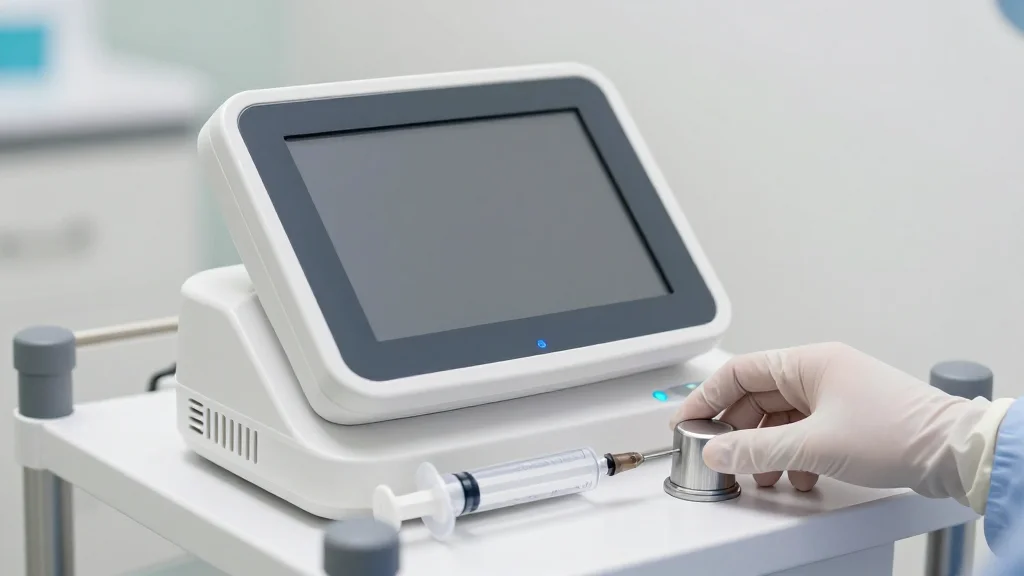
FDA Clears Next-Gen Contrast Management System for the Cath Lab
Acist Medical Systems, a Bracco subsidiary, received FDA clearance for its Acist Pro Diagnostic System, a next‑generation contrast management platform for cardiac catheterization labs. The system, already launched in Japan and Europe, offers real‑time contrast tracking, customizable presets, and on‑screen...

Melbourne Psychiatrist Refuses New Patients Who Don’t Consent to AI Note-Taking
A Melbourne psychiatrist, Dr. Hemlata Ranga, is refusing new patients who do not consent to AI‑driven transcription of their sessions. The requirement reflects a broader surge in AI note‑taking, with the Royal Australian College of General Practitioners reporting that adoption...

AI-Equipped Rigs Bring Hospital-Level Care to Rural Mich. Patients
University of Michigan researcher Jason Corso leads a five‑year, $24.6 million ARPA‑H‑funded project to build VIGIL, an AI‑equipped mobile clinic that brings hospital‑level diagnostics to rural patients. The truck‑sized vehicle will arrive this fall, with nine units slated for launch in...

Atropos Health and Guidehouse Launch Point-of-Care Clinical Decision Support Solution
Atropos Health and consulting firm Guidehouse have launched a joint clinical decision support (CDS) platform that embeds predictive AI models directly into electronic health records. The solution uses aggregated claims and EHR data to stratify patients and deliver real‑time alerts...

Pittsburgh Researchers Develop Shelf-Stable Artificial Platelets to Stop Severe Bleeding
Researchers at the University of Pittsburgh, in partnership with Case Western Reserve and Haima Therapeutics, have created SynthoPlate, a freeze‑dried artificial platelet that reconstitutes with water to form a clotting agent. The quarter‑sized vial remains stable at room temperature for...
10 Key Lessons in 'the Shift From CoPilots to Agents in Healthcare'
Healthcare is moving from reactive AI copilots to autonomous agents that can execute multi‑step clinical workflows with minimal human input. Global AI spending is projected to hit $2.52 trillion in 2026, while AI firms secured $242 billion in Q1 2026, fueling rapid adoption...

Reminder Texts Help Radiology Department Reduce Nuclear Medicine Appointment Cancelations
Automated reminder texts introduced by the Mayo Clinic in Jacksonville have cut cancellations for nuclear medicine exams. In a study published in JACR, opening the messages lowered stress‑test cancellations to 3.21% versus 5.91% overall, and FDG PET cancellations fell to...

The Next AI Use Case in Radiology Isn’t Diagnosis. It’s Patient Understanding
Peter Nemeth argues that the first scalable AI use case in radiology is not autonomous diagnosis but patient‑focused explanation of imaging results. The 21st Century Cures Act now forces health portals to release reports instantly, leaving most patients confused by...

We Need to Domesticate Africa’s Health Algorithm
The article argues that Africa must domesticate its health‑data AI ecosystem to capture economic and public‑health value. While the continent boasts some of the world’s most diverse and under‑represented health data, less than 1% of global data‑center capacity and 70‑90%...

Reinventing the Stethoscope and Cardiopulmonary Care
Eko Health, backed by Infineon, has launched the CORE 500 AI‑powered digital stethoscope, which pairs ultra‑low‑power PSoC 63 microcontrollers with advanced MEMS microphones to deliver real‑time heart‑sound analysis and three‑lead ECG. Clinical data from the TRICORDER trial show the device identifies heart...
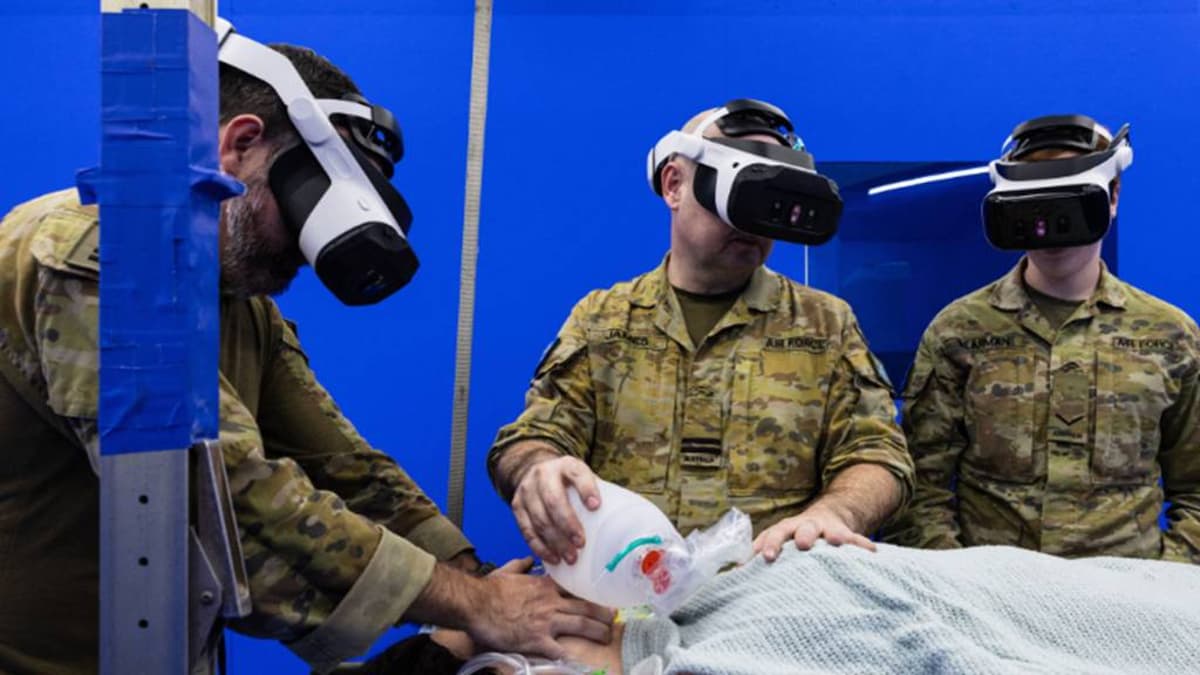
“It’s Absolutely Critical”: How BlueRoom Simulations Is Saving Lives Through Mixed Reality
BlueRoom Simulations has turned mixed reality into a lifelike training platform for emergency medics, enabling them to rehearse complex procedures—from aeromedical rescues to battlefield trauma—without exposing anyone to real danger. Backed by a 10 million‑AUD (~$6.6 M USD) Australian government AI fund and...
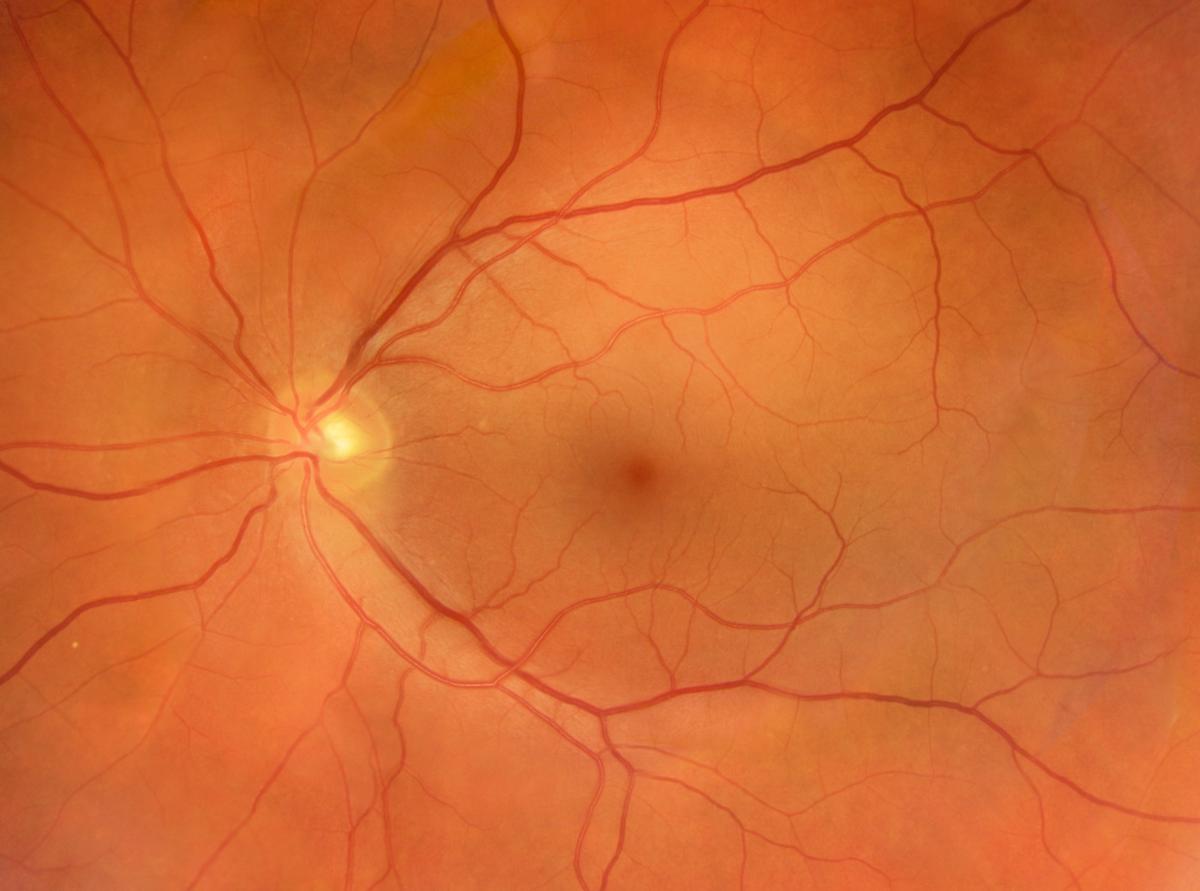
AI Eye Scans Reveal Who May Be at Higher Risk of Osteoporosis
A new AI model called RetiAGE estimates retinal biological age and shows a strong inverse relationship with bone mineral density, predicting osteoporosis risk. The model was validated in two large cohorts—1,965 Singaporean participants and 43,938 UK Biobank volunteers—where higher retinal...
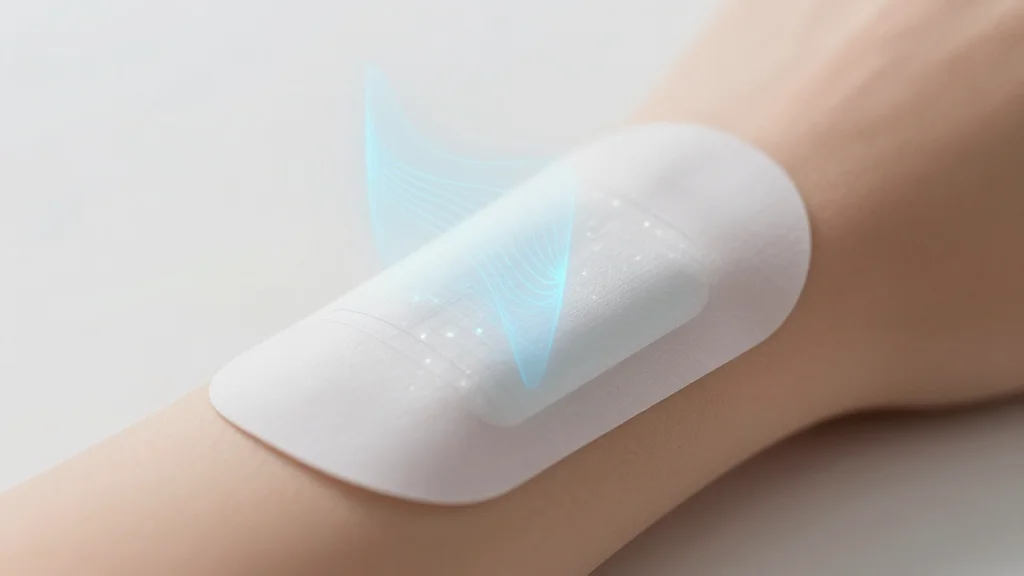
AI-Driven Wearable Patches Help Identify Undetected Hormone Disruption in Unexplained Infertility
Researchers unveiled an AI‑enabled wearable skin patch that continuously monitors reproductive hormone levels and rhythms, revealing hidden endocrine disruptions in both men and women. In a study of 102 men with normal morning testosterone, the patch detected abnormal testosterone patterns...

Subjecting AI to Human Doctor Standards?
Flinders University researchers argue that AI models matching or outperforming physicians on text‑based diagnostic tasks should be judged by real‑world patient outcomes rather than benchmark scores. A recent *Science* study demonstrated AI’s parity with doctors on clinical vignettes and emergency‑department...
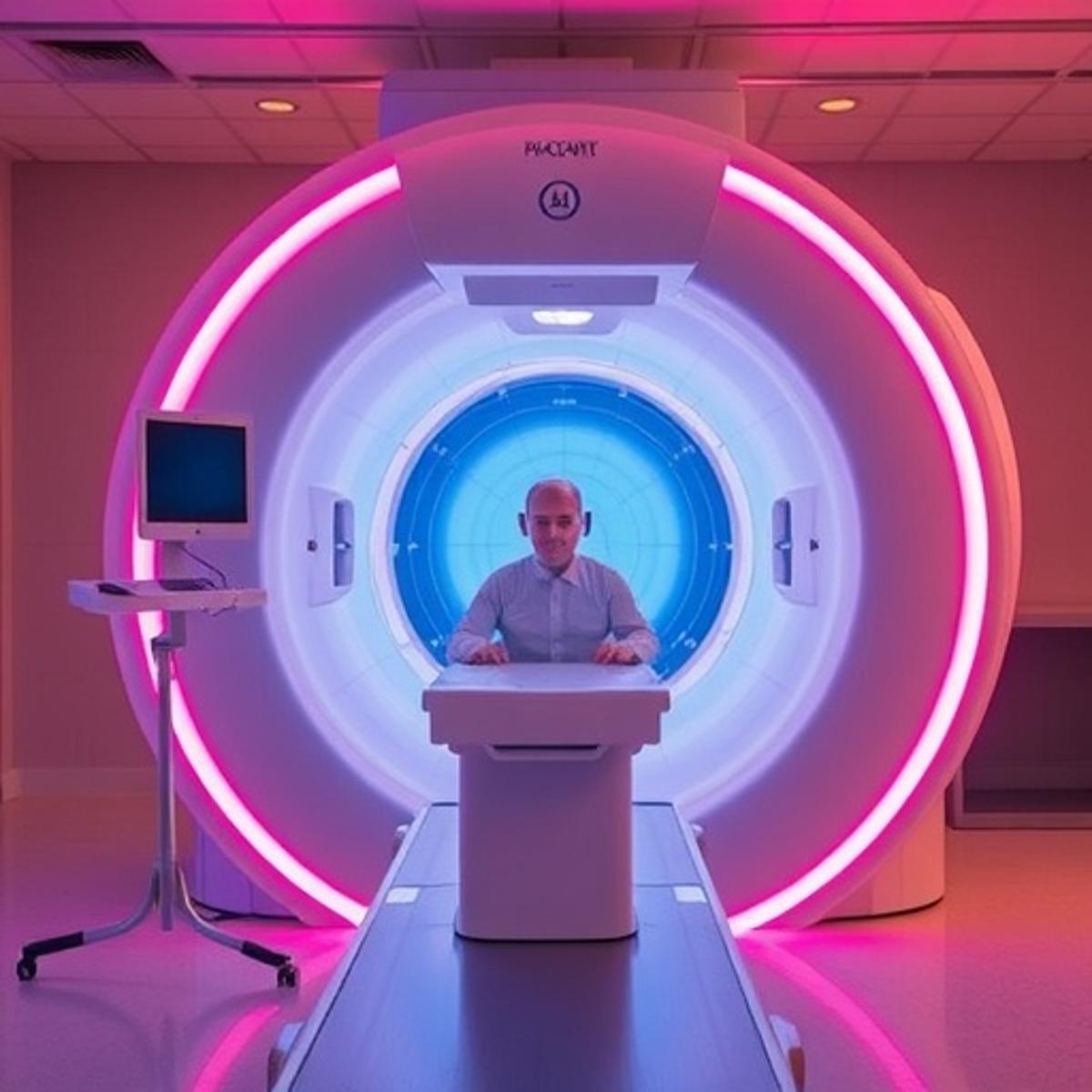
AI Tool in Radiotherapy Advances Global Fight to Eradicate Cervical Cancer
A collaborative consortium has launched an AI‑driven radiotherapy planning platform that automates contouring and dose‑optimization for cervical cancer. Trained on more than 10,000 patient scans, the tool generates treatment plans in minutes, cutting planning time by roughly 40% while preserving...
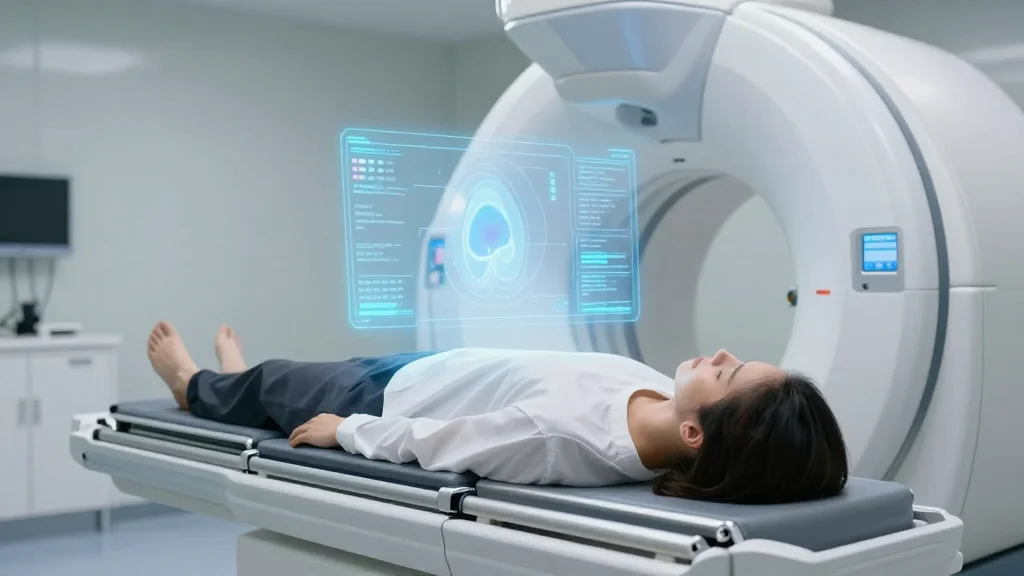
AI Tool for Radiotherapy Can Support the Global Effort to Eliminate Cervical Cancer
An AI‑driven radiotherapy planning tool demonstrated high‑quality results in the multinational ARCHERY trial, achieving over 95% success for cervical cancer and 85% for prostate cancer. The technology compresses planning from weeks to roughly one hour, directly addressing specialist shortages that...
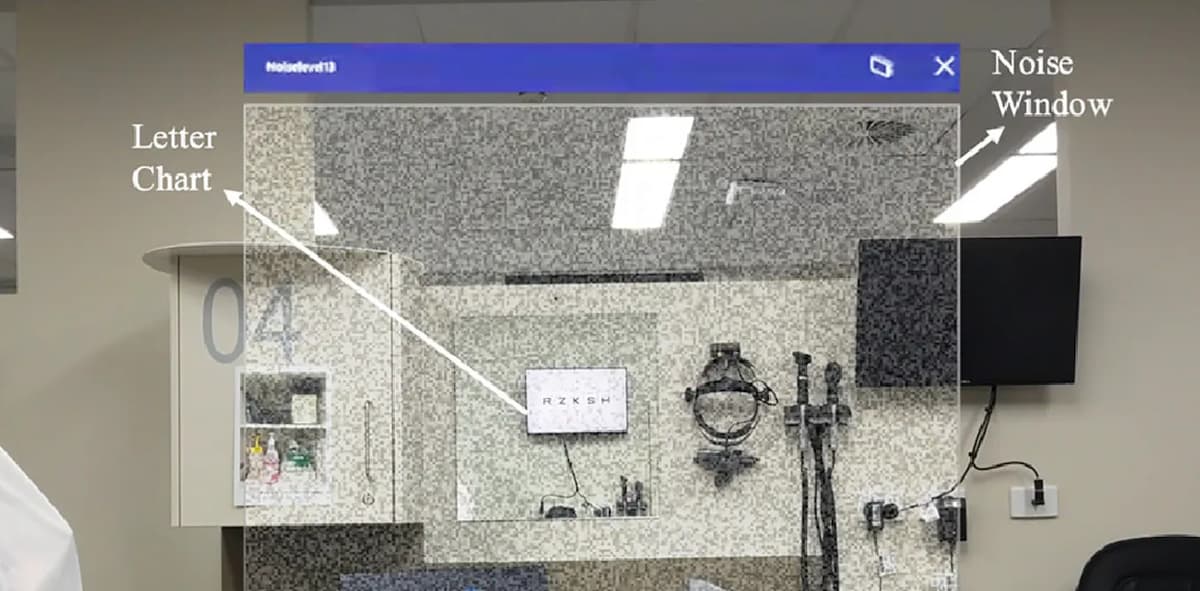
How Looking Through Static Can Help People with a Common Degenerative Disease See Better
Researchers demonstrated that adding visual noise via a Microsoft HoloLens 2 augmented reality headset can modestly improve visual acuity in patients with exudative age‑related macular degeneration (AMD). In a trial of twelve AMD participants, medium‑level static enabled them to read about...
Text Message Reminders Improve CRC Screening in FQHCs, With Best Results at 3-Week Frequency
A quality‑improvement study of 4,822 patients at two Texas and California FQHC networks found that text‑message reminders boosted colorectal cancer (CRC) screening rates. Weekly SMS reminders over three weeks raised overall screening completion to 28% versus 24% in the control...

ElliQ Is a Surprisingly Helpful Companion Robot for Older Adults
Intuition Robotics' ElliQ companion robot proved surprisingly effective for a senior with Parkinson's disease, encouraging daily exercise, social interaction, and emotional engagement. The device’s animatronic head and tablet interface initiated conversations, suggested activities, and facilitated video calls, leading the user...

AI in Mental Health Care: Why Chatbots Raise New Risks
AI‑powered mental‑health chatbots are proliferating as low‑cost, 24‑hour alternatives to traditional therapy, which averages $122‑$227 per session and often has long waitlists. While they can help users track mood, practice breathing exercises, and organize thoughts before a therapist visit, they...

Clinics at Scale: How Ilara Health Is Building Africa's Quiet Health Infrastructure
Ilara Health, a Kenyan‑Ugandan healthtech firm, equips small private clinics with diagnostic equipment on credit, adding software and data tools to create a network. The company now serves over two million patients across roughly 3,000 clinics in Kenya and Uganda....

Meeting an AI Doctor Before a Real-Life Consultation Can Improve Cancer Patients' Understanding and Reduce Stress
A study presented at ESTRO 2026 found that cancer patients who viewed a personalized AI‑avatar video before their radiation oncology appointment demonstrated higher comprehension of treatment options and reported lower stress than those who watched a standard educational video. The...

New AI Tool Could Replace Costly Cancer Gene Expression Profiling
Cedars‑Sinai researchers unveiled Path2Space, an AI model that infers spatial gene expression from standard pathology slides. Trained on breast‑cancer datasets, it predicts the activity of roughly 5,000 genes within minutes, bypassing the weeks‑long, multi‑thousand‑dollar cost of conventional spatial transcriptomics. Validation...

Tech Now
Tech Now’s "High Tech Heart Surgery" episode spotlights emerging 3D‑imaging technology that is now being deployed in cardiac operating rooms. The 24‑minute feature, first aired on 16 May 2026, walks viewers through real‑world trials that aim to improve surgeon precision and patient...
In the Near Future, AI-Enabled Care May Be Expected by Patients
Artificial intelligence is rapidly becoming a standard component of health care delivery, with patients increasingly expecting AI‑driven support in diagnosis and treatment. Matt Cybulsky, managing director at Catalant, warns that clinicians who fail to adopt AI tools may be viewed...

New MRI Technique Maps 20-Plus Multiple Sclerosis Biomarkers in a Single Noncontrast Scan
Researchers at the University of Illinois Urbana‑Champaign have unveiled MRx, a multiparametric MRI method that maps more than 20 quantitative brain biomarkers in a single, non‑contrast scan. The AI‑driven acquisition and physics‑based processing deliver high‑resolution structural, physiological and molecular data...
Wearable Polygraph Tracks Deep-Body Stress Signals
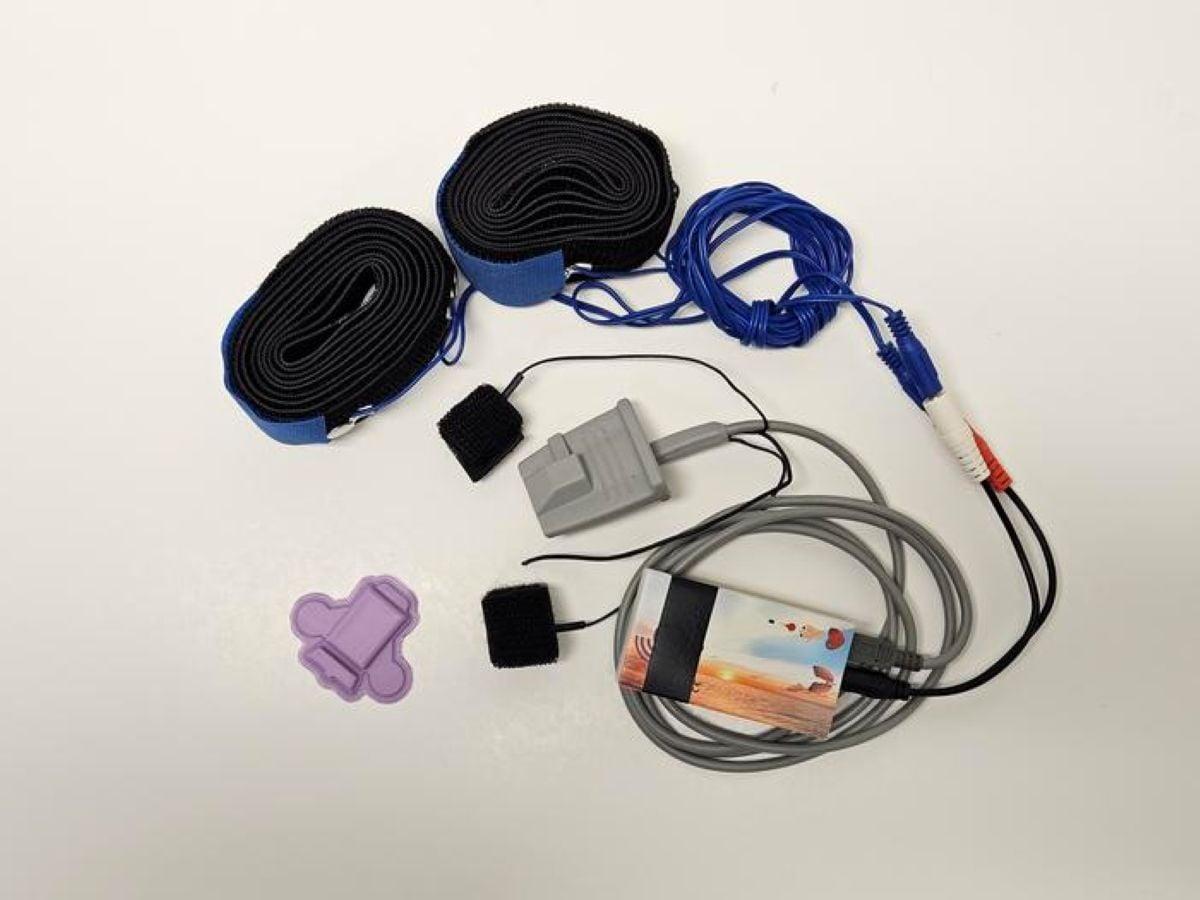
Northwestern University engineers have created a sub‑8‑gram, wireless polygraph that adheres to the chest like a bandage and continuously records heart activity, respiration, sweat, blood flow and temperature. The system streams real‑time data to a smartphone, delivering an objective stress...
Heartflow Reports Significant Revenue Growth as CCTA Sees Wider Adoption
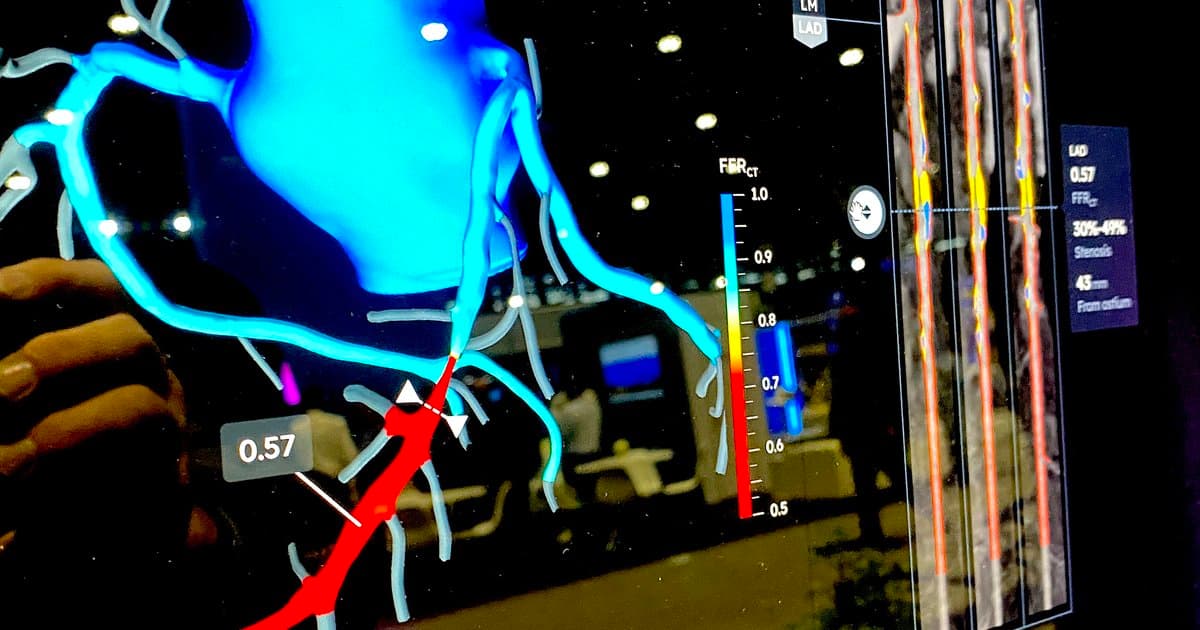
Heartflow announced a 41% year‑over‑year jump in first‑quarter 2026 total revenue to $52.6 million, with U.S. sales climbing 42% to $48.3 million. The surge is driven by expanding use of its AI‑powered FFR‑CT platform and the newly launched Plaque Analysis software. Inclusion...

Implantable Bacteria Can Now Be Safely Contained, Clearing a Major Hurdle for Fighting Infection and Cancer
Harvard researchers have engineered a polyvinyl alcohol (PVA) hydrogel scaffold that securely contains therapeutic bacteria for up to six months, preventing escape while allowing drug‑release functions. The scaffold’s stiffness and toughness give it a ten‑fold higher fatigue threshold than prior...
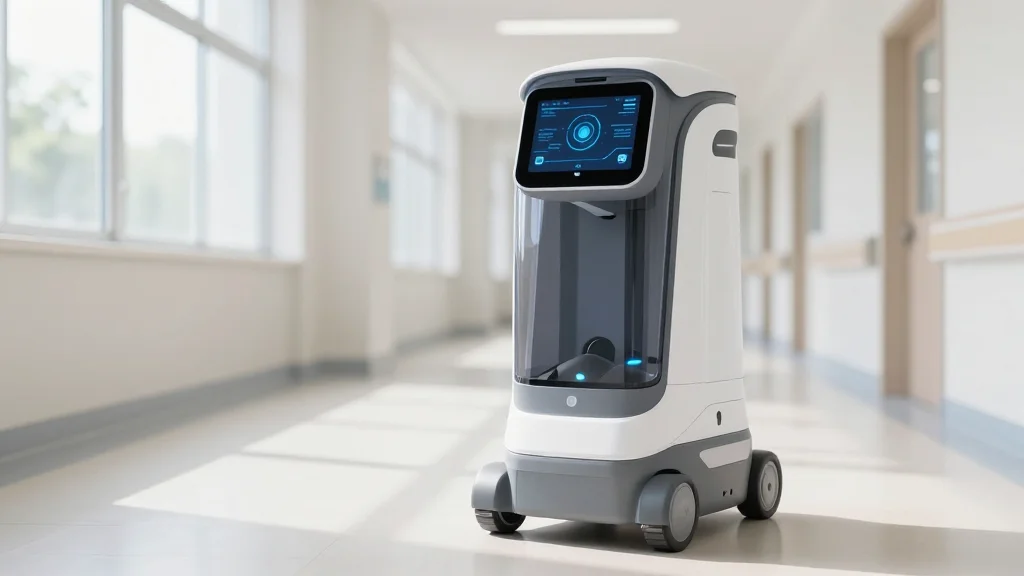
How One Rural Health System Is Designing Targeted AI Pilots to Ease Care Delivery Pressures
Berkshire Health Systems, a rural network of three hospitals and numerous outpatient sites in western Massachusetts, is tackling rising costs and staffing strains by launching targeted artificial intelligence pilots. CIO William Young emphasizes measurable outcomes, focusing on time savings, error...

PFA Has Been a Game-Changer for Heart Patients—But There Are Still Risks
Pulsed field ablation (PFA) is reshaping atrial fibrillation treatment by using electrical fields instead of heat, delivering a markedly safer profile than radiofrequency or cryoablation. Clinicians report near‑zero phrenic nerve and esophageal injury, accelerating adoption of multiple FDA‑cleared catheters such...
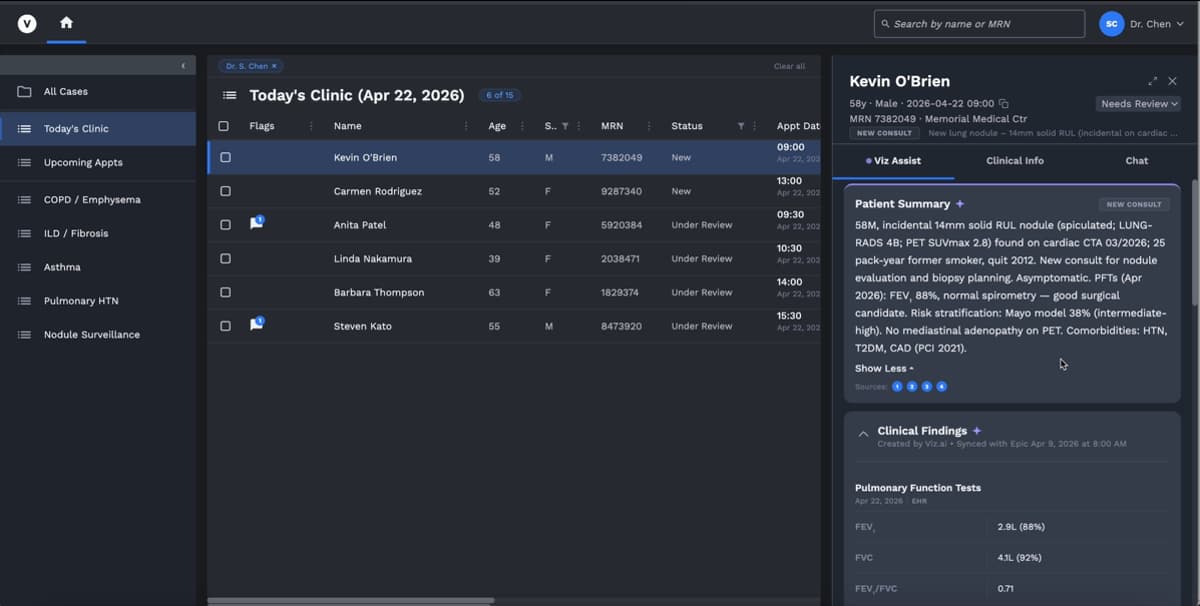
Viz.ai Launches Viz Pulmonary™ Suite: AI-Powered Workflows for COPD, Lung Nodules, and PE
Viz.ai unveiled the Viz Pulmonary™ Suite, an AI‑powered platform that unifies workflows for chronic obstructive pulmonary disease, lung nodules, and pulmonary embolism. The suite embeds real‑time alerts into existing EHRs, aiming to close the coordination gap that often leads to...

Healthcare AI Evaluation Frameworks: Moving Beyond Accuracy to Safety and Fairness
Healthcare AI is now embedded in 71% of US hospitals, yet many deployments fall short of promised gains. Most evaluations rely on accuracy metrics such as AUROC, ignoring safety, fairness, calibration, and workflow compatibility. Studies show over 95% of AI...

Private Voice AI in Healthcare: How to Capture Critical Conversations Without Letting Patient Data Leave the Building
Healthcare’s strict HIPAA rules prevent most providers from using cloud‑based AI notetakers, leaving only 21% of physicians with AI assistance. On‑premises voice AI deploys generative models inside hospital infrastructure, ensuring audio and transcripts never leave the building. This local processing...

How Smart Implants and AI Robotics Could Transform Neurological Surgery
NeuFluent is pioneering smart neurological implants that continuously monitor brain signals and relay data to surgeons. The company pairs these implants with AI‑enhanced robotic platforms to boost precision during minimally invasive procedures. Dr. Sam Browd, co‑CEO and CMO, says the...

Discovery Could Reshape RNA Editing with DNA-Guided CRISPR
University of Florida engineers unveiled the first DNA‑guided CRISPR system, allowing Cas12 enzymes to locate and edit RNA targets using stable DNA guides. The approach cuts guide‑synthesis costs, boosts specificity, and delivers near‑perfect diagnostic accuracy for viruses like HIV and...

Glooko Secures FDA Clearance for Cloud-Based EndoTool IV Insulin Dosing Platform
Glooko announced FDA 510(k) clearance for EndoTool IV Cloud, a cloud‑based insulin dosing platform for hospitalized patients receiving IV insulin. The solution uses the same algorithm as the existing EndoTool IV but moves dosing calculations to a secure cloud, reducing on‑premise infrastructure needs....

InterSystems Connects Medicus GP Systems Within West Midlands Shared Care Record
InterSystems UKI has integrated the Medicus GP platform into the West Midlands Shared Care Record, marking the first large‑scale deployment of a next‑generation primary‑care system within an NHS Integrated Care System. The rollout follows Doctolib’s £100 million (~$127 million) investment to accelerate...

Archer Materials Advances Biosensor Prototype Toward Preclinical Validation
Archer Materials announced that its alpha Biosensor prototype, built on its Biochip platform, has reached clinical‑grade potassium‑sensing accuracy. The company is now engineering a beta prototype designed for pre‑clinical validation and eventual patient trials, with the first beta system expected...

Serebral
Serebral’s Halo implant embeds a neural sensor in patients like the narrator’s grandmother, continuously streaming brain‑wave data to a cloud‑based AI platform. The system translates raw activity into semantic vectors, predicts emotions with about 91% confidence, and serves personalized care...

Shyld AI Snags $13M for Device that Disinfects Hospital Rooms Autonomously
Shyld AI announced a $13.4 million seed round led by Aulis Capital to scale its AI‑enabled UV disinfection devices for hospital rooms. The system autonomously detects occupancy, triggers targeted UV exposure, and logs cleaning activity, cutting pathogen levels by 93 % in...

Dexcom Unveils Next-Generation G8 CGM for Real-Time Glucose Monitoring
Dexcom announced its next‑generation G8 continuous glucose monitor at Investor Day, branding it as a completely new product platform built on a novel silicon chip and adaptive algorithm. The G8 offers a 50% smaller form factor than the G7 and...
Ardent Health, Fujifilm Team Up to Deliver Enterprise Imaging Solutions
Ardent Health has partnered with Fujifilm Healthcare Americas to roll out the Synapse enterprise imaging platform across its acute‑care hospitals in six states. The solution unifies radiology, cardiology and mammography images into a single PACS viewer and integrates directly with...

Integrating Sarcopenia Into ICU-Acquired Weakness Risk Stratification: A Machine Learning–Based Prediction Model for Critical Care
A retrospective study of 1,324 ICU patients found that sarcopenia significantly predicts ICU‑acquired weakness (ICU‑AW). Using six variables—age, APACHE II score, sarcopenia, sepsis, mechanical ventilation, and lactate—the researchers trained ten machine‑learning models and identified XGBoost as the top performer (AUC ≈ 0.84). SHAP...
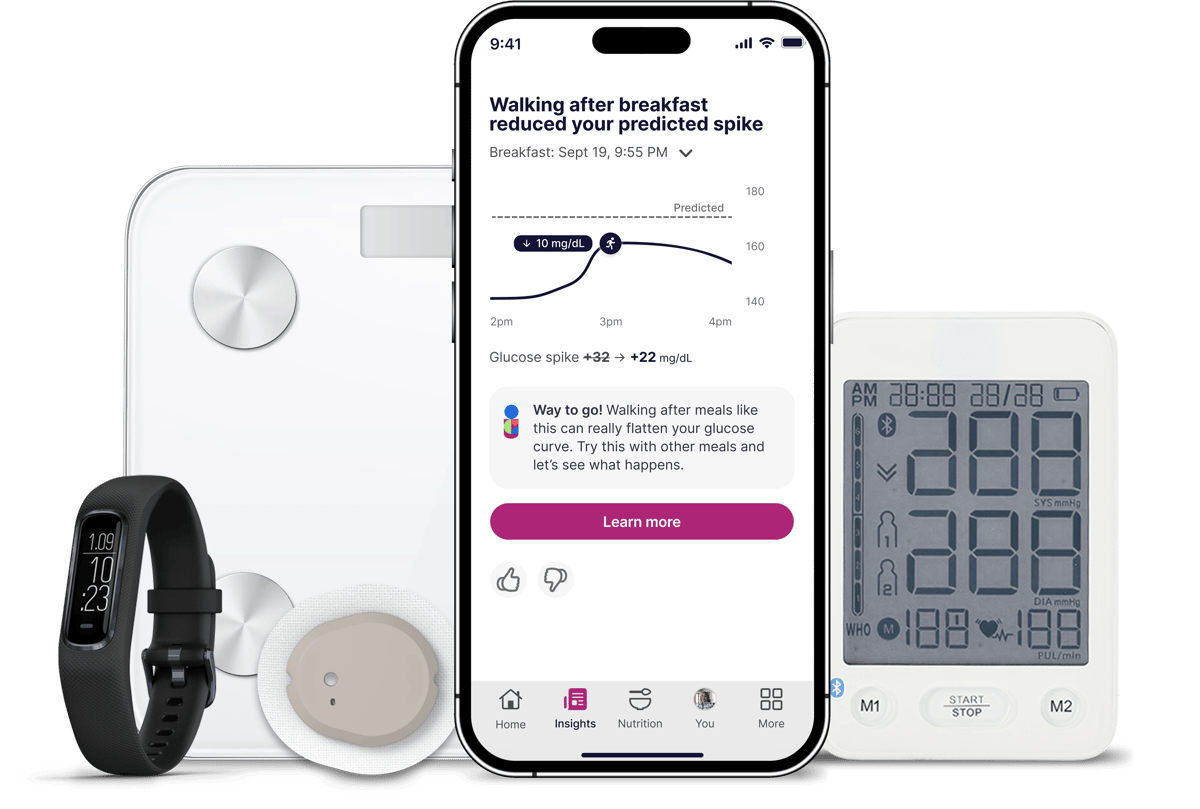
Using ‘Digital Twins’ to Address Chronic Metabolic Conditions
Twin Health, a California startup, uses AI‑driven digital twins built from wearables, glucose monitors and quarterly labs to personalize metabolic guidance for pre‑diabetes, type 2 diabetes and obesity. In a Cleveland Clinic‑run randomized trial, 71% of participants using the twin achieved...

Time for ‘Novel Ideals’: Rural Health Leaders Share Strategies Amid Budget Constraints
Sanford Health, the nation’s largest rural health system, is leveraging a $350 million virtual‑care initiative and a 60,000‑sq‑ft Virtual Care Center to sustain profitability while serving over 2 million patients across 300,000 square miles. The system’s hybrid model, which routes two‑thirds of virtual...

Who Will Be Accountable for AI Harms? Lessons From Valproate.
The article argues that AI governance must shift toward clear developer accountability, backed by rigorous pre‑market and post‑market safety assessments and enforceable implementer liability. It warns that focusing blame solely on developers risks superficial fixes while the real danger lies...

Glooko Announces FDA 510(k) Clearance for EndoTool IV Cloud
Glooko announced that the U.S. Food and Drug Administration granted 510(k) clearance for EndoTool IV Cloud, the first cloud‑based, patient‑specific insulin dosing platform for hospitals. The solution mirrors the proven algorithm of the on‑premise EndoTool IV but adds scalable, centralized deployment and reduced...