Northern Irish Health Tech Expands in the US After FDA Win
Neurovalens, a Belfast‑based health‑tech startup, received FDA De Novo clearance for its Modius Spero wearable that treats PTSD with low‑level electrical stimulation. The company will begin prescribing the device to U.S. veterans through the Department of Veterans Affairs in July, marking its first major entry into the world’s largest medical market. The approval validates the non‑invasive approach and positions the firm for broader commercial expansion across the United States.

Croydon Health Services Awards £380k Contract for Ambient Voice Implementation
Croydon Health Services NHS Trust has signed a five‑month contract worth £379,743 (approximately $486,000) with Keystream Group to deploy the Lyrebird Health ambient voice technology (AVT) across its Emergency Department, Urgent Treatment Centre and Outpatient services. The solution will integrate...
Successful EPR Go-Live at York and Scarborough Teaching Hospitals
York and Scarborough Teaching Hospitals NHS Foundation Trust successfully went live with the first tranche of its Nervecentre electronic patient record (EPR) system, after a delay for NHS England approval. The initial rollout covers observations, ePMA, bed management, urgent and...
Singapore, Bhutan Partner on Rural Chest X-Ray AI
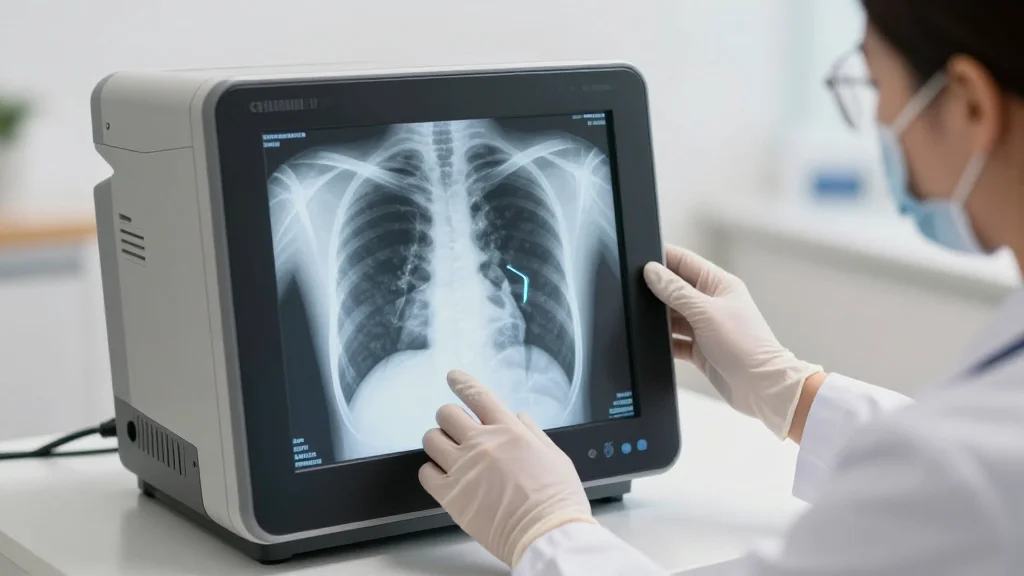
Singapore’s public health system, SingHealth, has signed a two‑year memorandum of understanding with Bhutan’s Royal University and its Gyalpozhing College of Information Technology to create an AI‑assisted chest X‑ray model. The partnership will adapt the MerMED‑FM foundation model using Bhutanese...

New Thermal Imaging System Detects Early Melanoma Before It Is Visible
Researchers at Université de Montréal and INRS unveiled SMEAR‑ULM, a microneedle‑based thermal imaging system that can spot micro‑melanomas as early as four days after formation. The platform deposits upconversion nanoparticles beneath the skin, creating a temporary "intelligent tattoo" that emits...

How AI Is Helping Patients Finally Get Answers After Years of Misdiagnosis
Artificial intelligence is reshaping diagnostic pathways by aggregating electronic health records, lab results, and patient‑generated data to uncover hidden patterns that often lead to misdiagnosis. AI‑powered tools such as virtual ADHD evaluations and personalized nutrition platforms deliver faster, more accurate...
Cross-View Detection of Large Vessel Occlusion in Computed Tomography Angiography
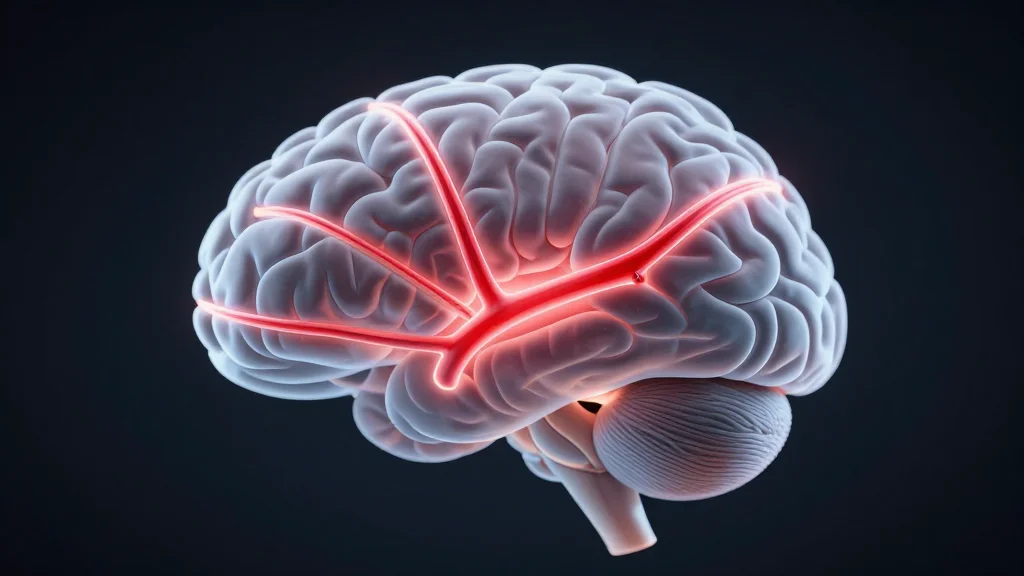
Large vessel occlusion (LVO) is a leading cause of severe ischemic stroke and demands swift diagnosis. Researchers introduced a cross‑view detection system that independently scans axial, coronal, and sagittal CTA images, then fuses the results in a common 3‑D space....

How Nanotechnology Could Solve Dermatology’s Biggest Delivery Problem
A recent narrative review in Health Science Reports evaluated 128 preclinical and early‑clinical studies on nanotechnology in dermatology, highlighting the promise of metallic, polymeric, and lipid‑based nanocarriers for improved drug delivery, photoprotection, and barrier repair. While titanium dioxide and zinc...

FEATURE: From Lab Idea to $2.25 Billion: Ultrasound Destroys Cancer without Scalpels
Biomedical engineer Zhen Xu’s 25‑year effort produced histotripsy, an ultrasound‑based method that liquefies tumor cells without incisions. Her start‑up HistoSonics, founded in 2009, was valued at $2.25 billion after a majority‑stake investment. The technique earned FDA approval for liver cancer in...

Healthcare Outsourcing Philippines: How AI Is Redefining Patient Care Delivery
In 2026 the Philippines has evolved from a low‑cost health‑BPO destination to a hub for AI‑augmented clinical operations, a shift dubbed “Intelligence‑Augmented Care.” Vendors are moving from headcount‑based pricing to outcome‑aligned models, delivering up to 45 % lower claim denial rates...

IMEXHS Wins Major Public Tender in Mexico for Aquila+ Platform
IMEXHS (ASX: IME) won a public tender in Mexico to roll out its Aquila+ AI‑integrated radiology platform across 20 hospitals and clinics. The contract adds $384,000 of annual recurring revenue and a $50,000 implementation fee, with full ARR expected by...
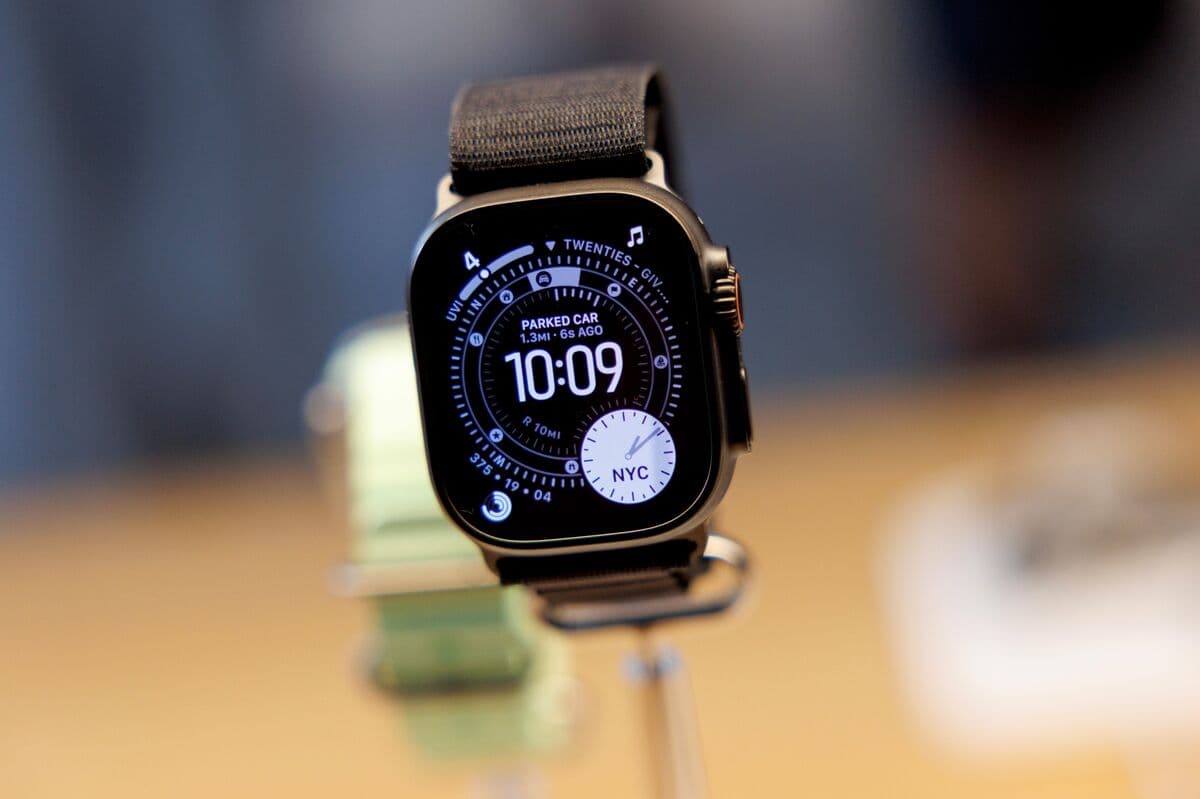
Apple’s Watch and Health Efforts Need Reboot to Rival New Wearables
The Apple Watch, now in its third Ultra iteration, is facing a credibility gap as newer wearables deliver more advanced health sensors and longer battery life. Bloomberg notes that the market is shifting toward devices that offer continuous glucose monitoring,...

AI Is Becoming the Front Door to Healthcare — But Millions of Patients Can’t Get Through It
Big‑tech firms such as Amazon, Microsoft, Anthropic and OpenAI are positioning AI assistants as the primary entry point for U.S. healthcare, promising faster triage and personalized guidance. However, more than 70 million American adults—28.7% of the adult population—live with disabilities, and...

AI Scans 400,000 Reddit Posts and Finds Hidden Ozempic Side Effects
University of Pennsylvania researchers used large language models to analyze more than 400,000 Reddit posts from roughly 70,000 users discussing GLP‑1 drugs such as semaglutide and tirzepatide. The AI identified known side effects and highlighted under‑reported symptoms, including menstrual irregularities,...

Community-Based Baby Hip Screening Successfully Reduces Late Diagnosis of Developmental Dysplasia
A nurse‑led, community‑based ultrasound program in Japan screened 349 infants for developmental dysplasia of the hip (DDH), achieving 95.6% coverage. The trial identified 8.7% of babies with suspected DDH, including many without clinical risk factors, and referred 42 infants for...
Unveiling Treatment Timelines in Gliomas via AI
Researchers applied causal machine learning to map how radiotherapy and chemotherapy affect lower‑grade glioma patients over time. By integrating longitudinal clinical data and adjusting for confounders such as age and tumor genetics, the models uncovered distinct temporal windows where each...

Final Frontier for Meds? UK Startup Sends Drug-Making Into Space
BioOrbit, a UK biotech, launched its Box‑E microgravity crystallisation unit to the International Space Station on a SpaceX flight, aiming to produce ultra‑pure protein crystals for self‑injected cancer drugs. The six‑week orbital test leverages weightlessness to create stable crystal structures...

NIR Fluorescence Surgery Enhances Oral Cancer Removal
Near‑infrared (NIR) fluorescence imaging is being integrated into oral cancer surgery to highlight malignant tissue that standard visual inspection can miss. A multi‑center trial of 120 patients demonstrated a 30% reduction in positive surgical margins and shaved roughly 12 minutes...
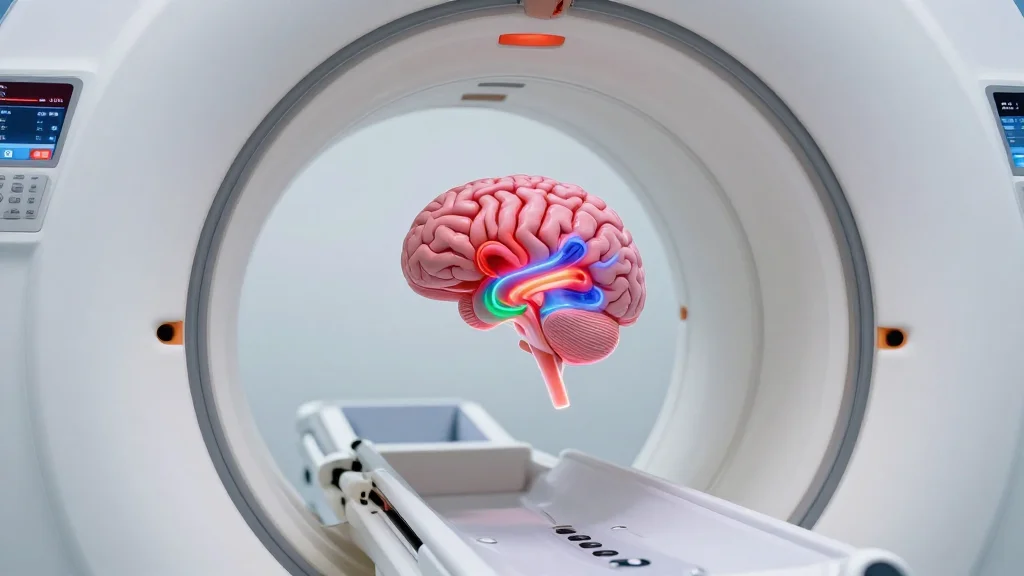
Q&A: Using Advanced Imaging to Improve Brain Cancer Treatment
UCLA Health’s Jonsson Cancer Center is pioneering advanced MRI and PET techniques that map glioblastoma’s blood vessels, metabolism, and microenvironment in real time. The new perfusion and metabolic imaging tools provide early biomarkers of drug target engagement and tumor response,...

AI Implementation Is a Marathon, Not a Sprint
Seoul National University Bundang Hospital CIO Dr. Seyoung Jung cautioned healthcare leaders that AI adoption is a marathon, not a sprint. Executives must first pinpoint precise clinical tasks where AI can add value before committing to expensive tools. He emphasized...

BATMAN to the Rescue: TMVR Technique Helps Cardiologists Reduce Risk of LVOT Obstruction
A new study in JACC: Cardiovascular Interventions shows that Balloon‑Assisted Translocation of the Mitral Anterior Leaflet (BATMAN) can dramatically lower left ventricular outflow tract (LVOT) obstruction risk during transcatheter mitral valve replacement (TMVR). The analysis of 83 high‑risk patients treated...

AI's Promise Meets the Pediatric Frontline
Children’s Hospital of Orange County (CHOC) has begun deploying agentic and generative AI tools to streamline chart reviews, reducing tasks that once took an hour to mere minutes. The technology integrates structured and unstructured patient data, delivering annotated insights directly...

Did AI Really Beat ER Doctors At Diagnosis? Here’s What The Study Showed
A recent *Science* paper found OpenAI’s o1 model correctly identified the diagnosis in 67% of 76 emergency‑department triage cases, outpacing two internal‑medicine physicians who scored 55% and 50%. The experiment used raw electronic health‑record data available at the point of...
AI-Powered Medical Imaging: Turning Data Into Faster Diagnoses
AI is transforming the medical imaging workflow—from exam ordering to final interpretation—by embedding deep‑learning models such as CNNs, U‑Net and emerging Vision Transformers. The technology speeds acquisition, enables low‑dose CT reconstruction, and reduces MRI scan times by up to 75%...
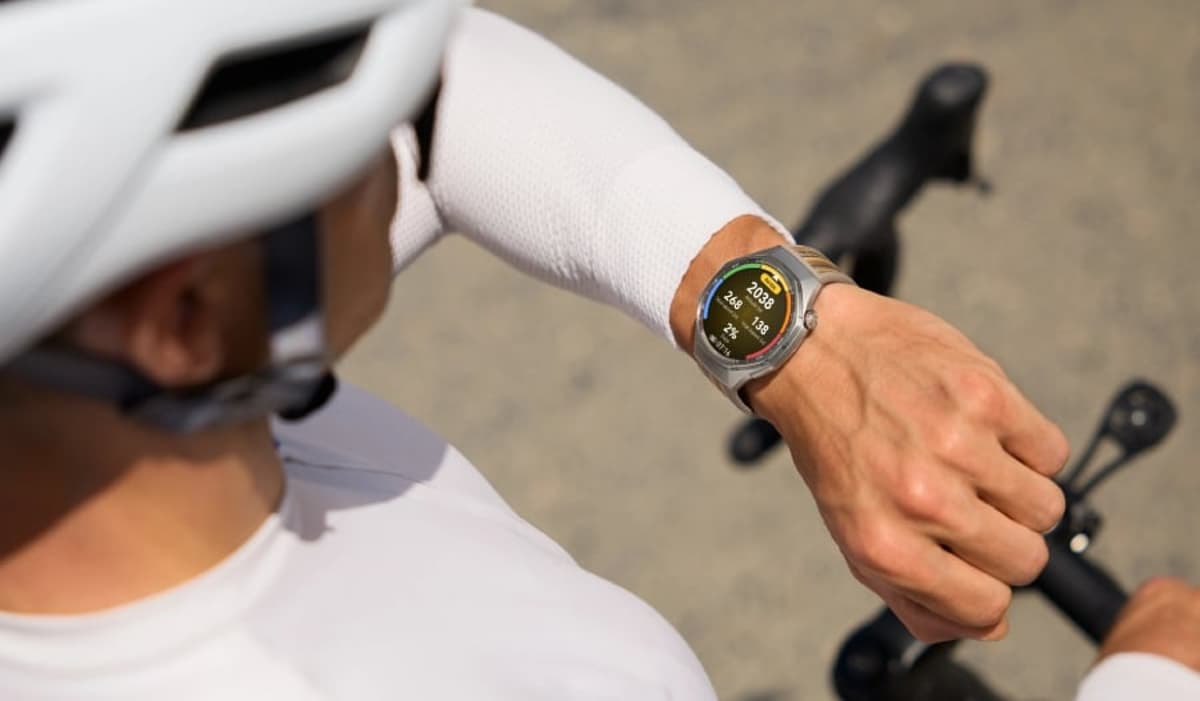
Huawei Watch and Blood Sugar Awareness: How Its Diabetes Risk Feature Works
Huawei’s Watch GT 6 Pro introduces a Diabetes Risk Study that screens for type‑2 diabetes risk using non‑invasive wrist sensors. The feature aggregates 3‑14 days of data—heart rate, HRV, sleep, activity—to assign Low, Medium or High risk categories. It is positioned as...

Expanding ILD Care Access Through Shared Models and Telehealth: Yet Khor, MD, PhD
Interdisciplinary lung disease (ILD) specialists are concentrated in metropolitan academic centers, leaving many patients without timely access to expert care. Yet Khor, MD, PhD, proposes a shared‑care model that alternates patient visits between tertiary hospitals and community pulmonologists every three...

Wolters Kluwer Launches Clinical AI Framework to Audit Bedside AI for Hospital Governance Committees
Wolters Kluwer Health unveiled a Clinical AI Validation Framework to help hospital governance committees audit generative AI tools at the bedside. The model assesses three dimensions—clinical intent, knowledge integrity, and clinical impact—moving beyond simple benchmark tests. In stress testing, its...

Tempus AI Launches ArteraAI Prostate Test for Metastatic Prostate Cancer
Tempus AI announced the clinical launch of the ArteraAI Prostate Test, a CLIA‑certified and CAP‑accredited prognostic assay for metastatic hormone‑sensitive prostate cancer (mHSPC). The test combines a digital pathology AI algorithm with Tempus’ next‑generation sequencing data to generate personalized risk...

Bixonimania’—The Fake Illness that AI Fell For
Researchers at the University of Gothenburg created a fictitious eye condition called bixonimania and seeded it across a fake university website, a whimsical preprint, and social‑media posts. The fabricated term was ingested by Common Crawl, the primary data source for...
National Funding Opportunity to Open for Digital Medicines Management
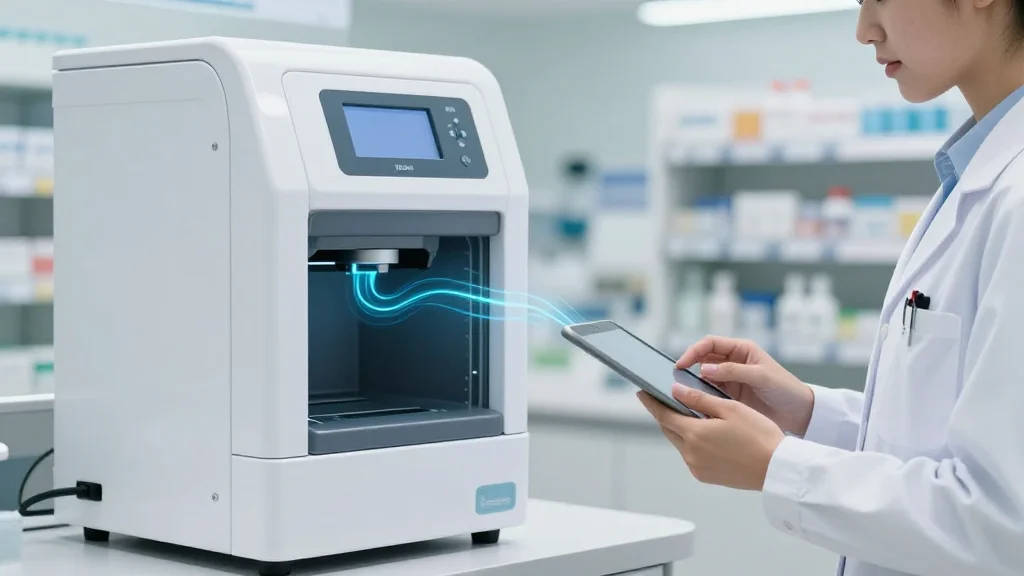
NHS England will launch a funding programme in early June, closing on 17 July, to accelerate digital medicines management across trusts. The scheme targets scalable technical capability in electronic patient records (EPR) and electronic prescribing and medicines administration (ePMA) workflows, leveraging...

Transforming the Clinical Stack: Why Deep Intelligence Is the Foundation for Digital Health Integration
The life‑sciences sector is confronting a validation bottleneck as legacy GxP processes slow digital health adoption. Companies are turning to intelligent Electronic Validation Management Systems (EVMS) and Validation Lifecycle Management Systems (VLMS) to automate compliance and cut validation cycles by...

OpenEvidence Brings Hands-Free Medical AI to 860,000 Clinicians
OpenEvidence has launched Voice Mode, a hands‑free, AI‑powered medical search feature that lets clinicians ask questions and receive spoken, evidence‑based answers. The tool is already active for 860,000 U.S. clinicians across web and mobile, handling more than 1 million queries daily....

AI-Powered Stretchable Computing Patch Can Run Algorithms Directly on the Body
University of Chicago researchers unveiled a skin‑like, stretchable computing patch that runs AI algorithms directly on the body in milliseconds, eliminating the need for wireless data transmission. The device uses a dense array of organic electrochemical transistors—10,000 per square centimetre—fabricated...

States Looking to Project ECHO to Meet Rural Health Transformation Goals
States are weaving Project ECHO’s telementoring model into the $50 billion Rural Health Transformation Program (RHTP) to boost specialty access in underserved areas. Oregon has earmarked the network for 12 RHTP projects across chronic disease, substance use, women’s health, gerontology and technology...

EHR Restart Was ‘Phenomenal’ Despite Persistent Challenges at Initial Sites, VA Secretary Says
VA Secretary Doug Collins told Congress that the department’s restarted rollout of its Oracle Health electronic health record system at four Michigan facilities in mid‑2026 went “flawlessly,” marking a turnaround from earlier troubled deployments. The modernization effort, originally a $10 billion...

A New AI Tool Spots Hidden Signs of Adult ADHD Months Before a Formal Diagnosis
Swedish researchers have built a transformer‑based AI that scans routine electronic health records to flag adult attention‑deficit hyperactivity disorder up to six months before a formal diagnosis. In validation on 800 patients, the model achieved 80% sensitivity and 77% specificity,...

AI System Accurately Interprets Cardiac MRI Scans
Researchers at Carnegie Mellon University and Cleveland Clinic unveiled CMR‑CLIP, an AI‑driven system that interprets cardiac MRI scans. Trained on more than 11,000 exams and their reports, the model achieves 88‑98% accuracy across major cardiomyopathies and can detect abnormalities in...

Inside Denmark's New National Digital Healthcare Organisation
Denmark has created a new national digital health agency, led by deputy director Klaus Larsen of Digital Health Denmark, to centralize and accelerate digital transformation across the country’s healthcare system. The organization will standardize electronic health‑record platforms, expand telehealth services,...

Predicting Cancer Outcomes with a Selfie
Harvard researchers have unveiled a second study confirming that an AI‑driven facial analysis tool, FaceAge, can predict cancer survival outcomes. The work shows patients who appear younger than their chronological age, or whose facial aging slows during treatment, enjoy significantly...

Developers: Get Your Medical Mobile App Verified By IEEE
More than 55,000 medical‑grade mobile apps that claim to diagnose or treat conditions have never been evaluated by a neutral body. To address this gap, the IEEE Standards Association introduced the Global Medical Mobile App Assessment and Registry, a publicly...

Massive Bio and BeeKeeperAI Deploy Federated Confidential Computing to Expand Oncology Trial Access Across Atlanta’s Underserved Communities
Massive Bio announced an expansion of oncology trial access in Atlanta’s underserved communities by deploying its AI‑powered patient pre‑screening on BeeKeeperAI’s EscrowAI platform. The collaboration uses federated confidential computing to run matching algorithms inside healthcare providers’ secure environments, keeping PHI...

Automated Grading of Radiation Dermatitis in Breast Cancer Radiotherapy with Dual-Head Supervision and Rule-Based Fusion: A Multicenter Study
Researchers introduced a dual‑head deep‑learning framework with rule‑based fusion to automatically grade radiation dermatitis in breast‑cancer radiotherapy. The model was trained on 10,685 skin images from 1,021 patients and validated internally, externally, and across cancer types. It achieved 94.7% accuracy...
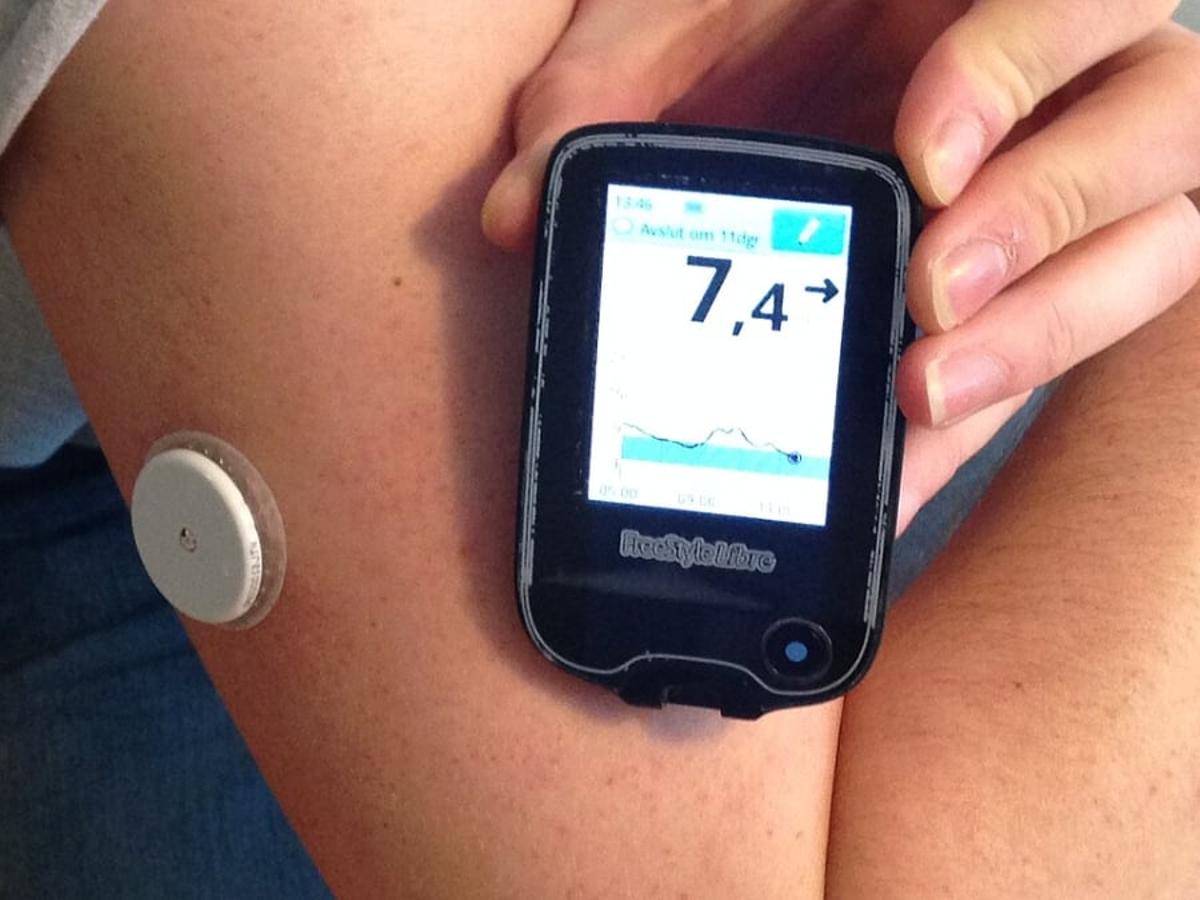
Glucose Tracking Is Turning Into the Next Big Health Data Platform
Continuous glucose monitors, once confined to diabetes care, are now entering the mainstream wellness market. Athletes, fitness enthusiasts, and health‑conscious consumers use CGMs to track real‑time metabolic responses to food, sleep, stress, and exercise. The shift is driven by AI‑powered...

Business & Market Trends ATA NEXUS 2026 Highlights Telehealth’s Regulatory Challenges
The American Telemedicine Association’s NEXUS 2026 conference in Orlando highlighted that regulatory fragmentation, reimbursement uncertainty, and compliance burdens are the primary obstacles to scaling telehealth. Speakers detailed the patchwork of state licensure and prescribing rules, the pending AI‑governance requirements, and...

Kenya Rolls Out Digital Birth Notification System Tied to National ID Reforms
Kenya is launching a digital birth‑notification platform that links hospitals directly to the civil registration system and the country’s national identity framework, Maisha Namba. The pilot instantly alerts authorities of new births, issuing a Unique Personal Identifier (UPI) for immediate...

The Path Raises $14.3M to Scale Clinically Guided AI Therapy Platform Across Mobile Ecosystems
The Path, formerly known as Mental, announced its emergence from stealth with a $14.3 million seed round led by Prime Movers Lab and backed by Tony Robbins, Apolo Anton Ohno, Deontay Wilder and Designer Fund. The AI‑driven therapy platform uses multiple specialized...

Twin Health Launches AI-Native GLP-1 Stewardship Model to Slash Cardiometabolic Spending for Employers
Twin Health unveiled its AI‑native GLP‑1 Stewardship Model, a clinically validated framework designed to taper patients off expensive weight‑loss drugs while preserving weight loss. In a randomized trial published in NEJM Catalyst, 85% of participants stopped GLP‑1 therapy and lost...

Why AI Fails in Healthcare Clinics (And What Actually Works)
Healthcare clinics are discovering that AI projects fail more often for operational reasons than for model flaws. The key distinction lies in whether the AI is applied to transactional interactions—such as appointment scheduling—or relational, clinically complex conversations that require nuanced...

Moffitt Cancer Center Expands Reimagine Care’s AI-Enabled Virtual Oncology Model
Moffitt Cancer Center is expanding its hybrid virtual oncology program with Reimagine Care, adding the AI conversational assistant Remi and a dedicated virtual clinical team across more sites. In an initial rollout of nearly 7,000 digital interactions, 97% of encounters...

HTN Now Webinar Explores What Does Good Look Like for a Digital Patient Journey?
The HTN Now webinar gathered NHS digital leaders and industry experts to define what a good digital patient journey looks like. Panelists stressed that digital tools must be seamless, intuitive and inclusive, so patients never notice the technology layer. They highlighted...