
Top 7 Modern AI-Powered EAP Providers for Global Workforces in 2026
Traditional employee assistance programs are used by only 1‑3% of workers, prompting a surge in AI‑powered EAP solutions that promise higher engagement and faster care. Providers such as Spring Health, Kyan Health, Lyra Health, Modern Health, Unmind, Wysa and Yuna Health are reshaping mental‑health support with AI‑driven intake, real‑time triage and global therapist networks. Kyan Health reports utilization rates of 10‑40% across 90+ countries, while Spring Health cites a 1.9× ROI and $1,070 net savings per participant. The shift signals a move from crisis‑only models to continuous, data‑informed employee wellbeing infrastructure.
Tailoring AI Solutions for Health Care Needs
AI is rapidly reshaping health care, with the FDA approving more than 1,300 AI‑enabled medical devices—over half in the past three years—and a surge in non‑device AI for administrative tasks. Mayo Clinic Platform stresses that successful tools must blend deep...

Needle-Free Diabetes Care: 6 Devices that Painlessly Monitor Blood Sugar
Needle‑free glucose monitors are moving from research labs to commercial shelves, with six innovative devices highlighted for their non‑invasive approaches. Abbott’s FreeStyle Libre remains the market leader for interstitial sensing, while newcomers such as Occuity Indigo, D‑Pocket, Light Touch Technology,...

Sonire Therapeutics Initiates First U.S. Clinical Study of Ultrasound-Guided HIFU Therapy for Pancreatic Cancer
Sonire Therapeutics announced the launch of SUNRISE‑II, its first U.S. clinical trial evaluating a proprietary high‑intensity focused ultrasound (HIFU) system for pancreatic cancer. The study will enroll roughly 10 patients to assess safety and feasibility. The inaugural patient was treated...
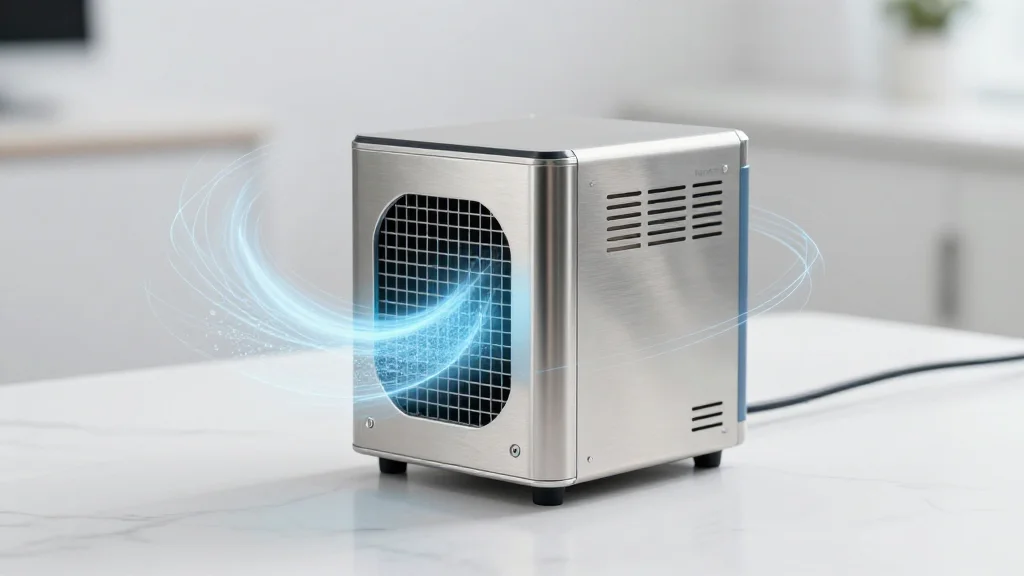
Using AI to Anticipate Healthcare Air Quality Risks
Healthcare facilities are turning to AI‑driven air‑quality platforms to move from reactive monitoring to predictive protection. By fusing IoT sensor streams with machine‑learning models, systems like SensusAir can forecast spikes in pathogens, humidity or chemical pollutants hours before they endanger...

OpenAI Made a Special ChatGPT for Your Doctor
OpenAI unveiled ChatGPT for Clinicians, a free, HIPAA‑compliant AI assistant built on its GPT‑5.4 model and tailored with health‑specific tools. The service targets doctors, nurses, physician assistants and pharmacists, pulling answers from peer‑reviewed studies, clinical guidelines and public‑health guidance. In...
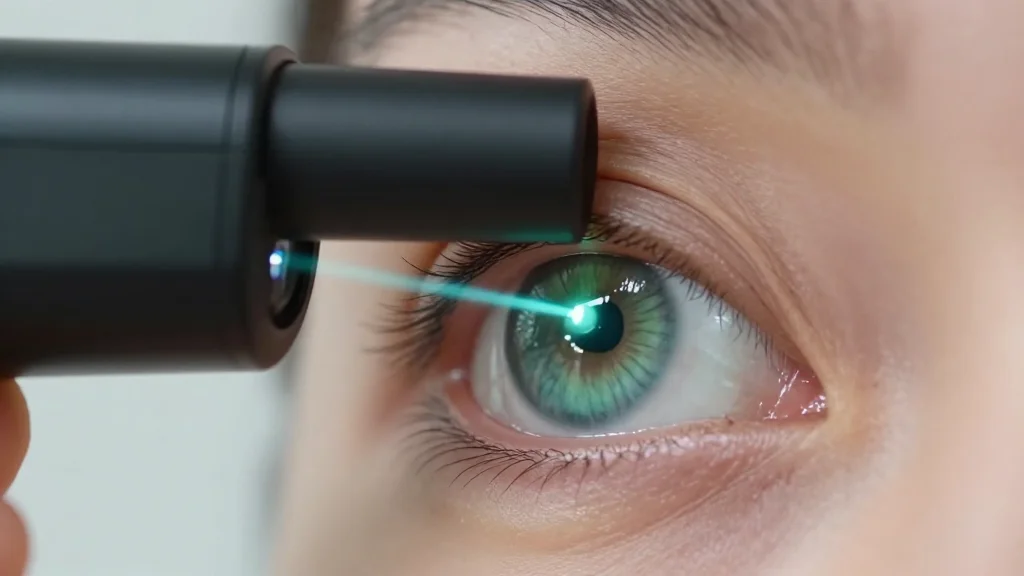
Seeing Keratoconus Earlier with Light Polarization and AI
Researchers combined polarization‑sensitive optical coherence tomography (PS‑OCT) with artificial‑intelligence algorithms to improve detection of subclinical keratoconus. In a study of 359 eyes from Narayana Nethralaya, the PS‑OCT‑based model outperformed conventional shape‑based devices such as Pentacam and MS‑39 in identifying early...

Solving the $150B No-Show Problem: The Rise of Healthcare Conversation Intelligence
Healthcare providers lose up to $150 billion a year to missed appointments, a problem that persists despite the phone’s central role in patient access. Conversation intelligence—AI‑driven analysis of call content, sentiment, and outcomes—turns unstructured voice data into scalable insights. By flagging...

This AI-Powered Headband Promises to Help You Fall Asleep on Demand
The Elemind headband, priced at $399 with an optional $7‑per‑month subscription, combines EEG sensors, AI‑driven algorithms, and low‑frequency acoustic stimulation to help users fall asleep on demand. In a CNET test, the reviewer fell asleep within minutes during a 25‑minute...
How a Vision-Restoring Gene Therapy Proved that We Can Treat Inherited Diseases
Luxturna, the first FDA‑approved gene‑augmenting therapy for inherited retinal disease, received the 2026 Breakthrough Prize after restoring sight to patients with Leber’s congenital amaurosis type 2. Developed by Spark Therapeutics founders Katherine High, Jean Bennett and surgeon Albert Maguire, the treatment...
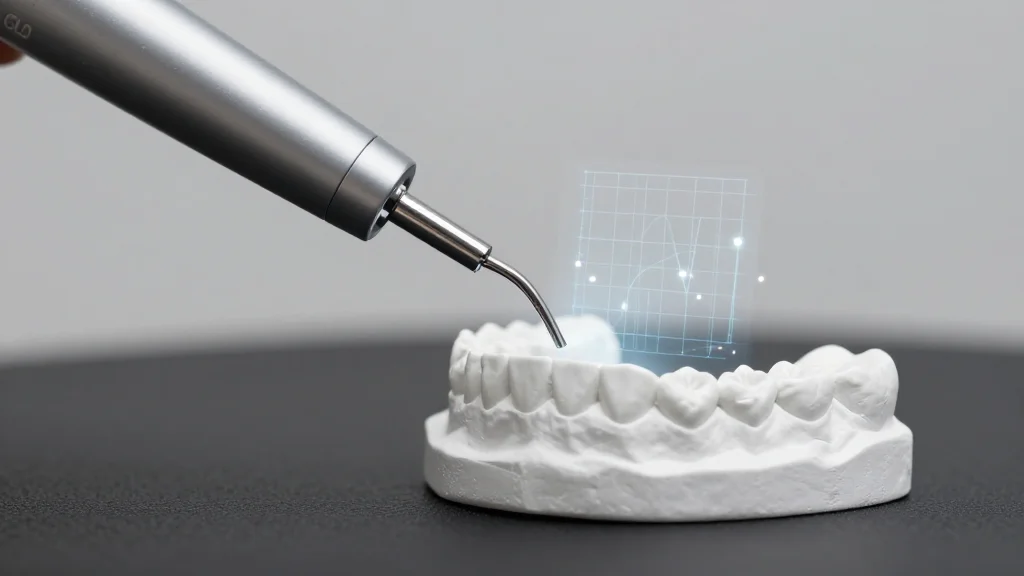
5 Ways Digital Dentistry Is Transforming South African Practices
Digital dentistry is reshaping South African dental practices through intraoral scanners, AI‑driven diagnostics, CAD/CAM workflows and 3D printing. The sector’s equipment market is projected to grow from roughly $157 million in 2025 to $178 million by 2030, while the digital X‑ray segment...

I Let AI Look at My Breasts—And I’m Glad I Did
Wall Street Journal columnist Joanna Stern let an artificial‑intelligence system read her mammograms after years of early screening due to dense breast tissue. The AI flagged subtle patterns that radiologists might miss, offering a personal case study of how machine‑learning...
The AI Knowledge Gap We Can’t Afford to Ignore
Healthcare is rapidly integrating artificial intelligence, with two‑thirds of physicians using AI tools in 2024—a 78% surge from previous years. While AI can streamline chart review and surface clinical trends, experts warn that overreliance creates automation bias, magnifying documentation flaws...

How Health Systems Are Tackling 'Kill the Clipboard' Obstacles
In July 2025, more than 60 health systems pledged to CMS to eliminate repetitive patient data entry, a move dubbed “Kill the Clipboard.” The initiative encourages patients to retrieve records from CMS Aligned Networks or personal health‑record apps and share...
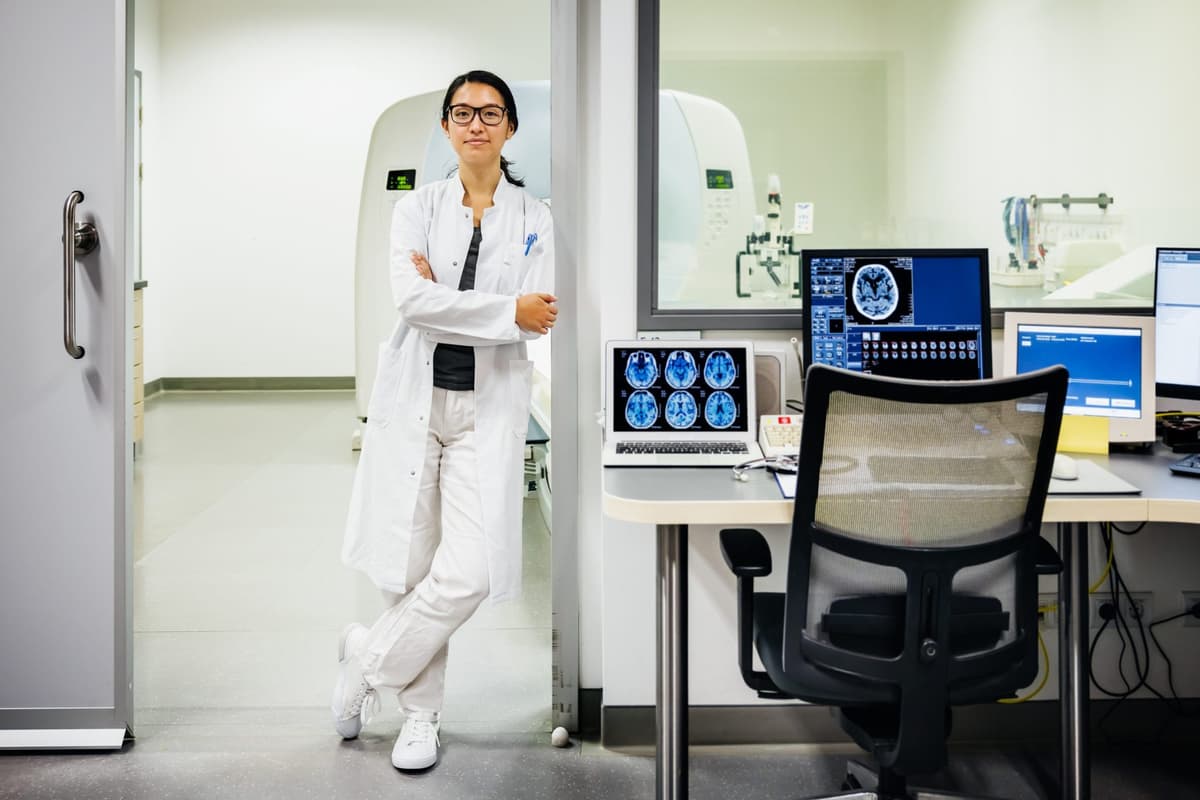
A Decade After the ‘Godfather of AI’ Said Radiologists Were Obsolete, Their Salaries Are up to $571K and Demand Is...
Ten years after Geoffrey Hinton warned that AI would make radiologists obsolete, the specialty is thriving. The U.S. radiology workforce grew about 10%, while average compensation rose to $571,000 in 2025, a 9% increase year‑over‑year. Demand remains high, with over...

Artificial Retina Uses Biological Liquid Medium for Direct-to-Display ‘Vision’
Italian researchers led by Prof. Thomas M. Brown unveiled BIOPIX, a bio‑electronic hybrid retina emulator that embeds organic photodetectors in a liquid Ames medium. The proof‑of‑concept includes a 2 × 2 cone‑type array for colour and a 4 × 4 rod‑type array for grayscale,...
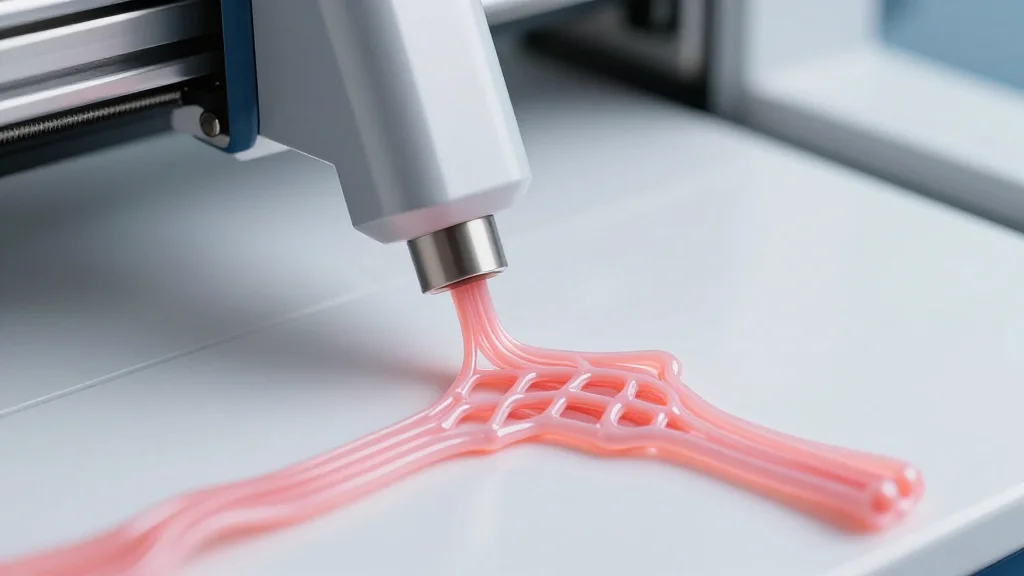
Novel Bioprinting Method Lays the Foundation for Personalised Regenerative Medicine
Researchers in Italy unveiled a solid‑electronics, liquid‑electrolyte sensor array that mimics retinal function, marking a proof‑of‑concept for bio‑integrated vision devices. A cell‑free hydrogel delivering extracellular vesicles showed efficacy in repairing intrauterine adhesions and restoring fertility in preclinical studies. An analysis...
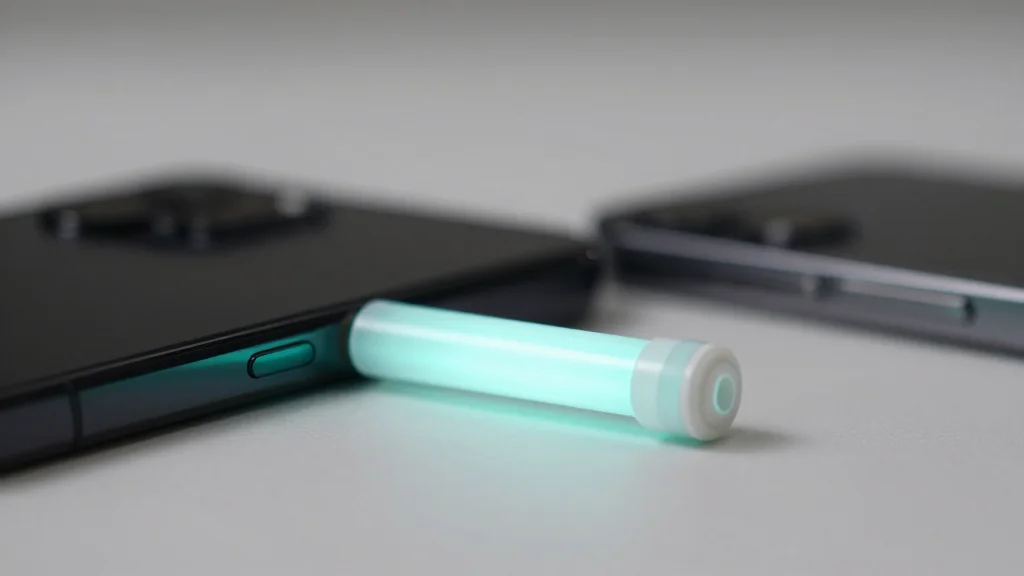
Glowing Probe Detects Multiple Antibiotics with Just a Smartphone
Researchers in Italy unveiled a proof‑of‑concept sensor array that blends solid‑state electronics with a liquid electrolyte, effectively mimicking biological vision and allowing a smartphone to detect multiple antibiotics via fluorescence. In parallel, a heat‑resistant polyamide was engineered to emit pure...

Virtual Medicine's Rise — and Its Malpractice Risks
Virtual care has become a permanent pillar in Canada, jumping from 10‑20% pre‑COVID to 40% in 2021. Regulators such as the CPSO and CNO maintain that the standard of care remains unchanged but require additional technology‑savvy skills. The main malpractice...
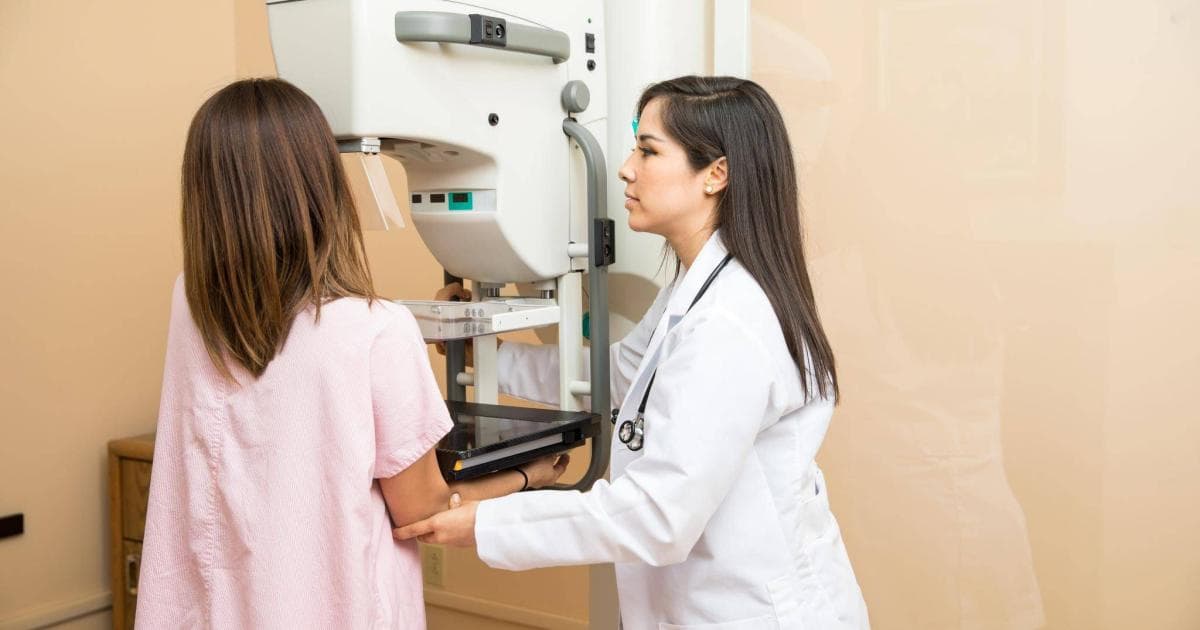
4D Mammo May Be up to Four Times More Accurate than 3D
Calidar Inc.'s 4D mammography system, which uses X‑ray diffraction to capture molecular tissue signatures, demonstrated up to four times the diagnostic precision of traditional 3D digital breast tomosynthesis in an early‑stage human trial at Baptist Health Hardin. The first‑in‑human study...

The Rise of AI Agents in Healthcare: Designing Man-Machine Systems
AI is moving into healthcare not as isolated models but as coordinated man‑machine systems. The article proposes a Clinical Agent Stack that separates execution, optimization, decision, and learning layers, each pairing AI functions with human oversight. Human‑in‑the‑loop and agent orchestration...
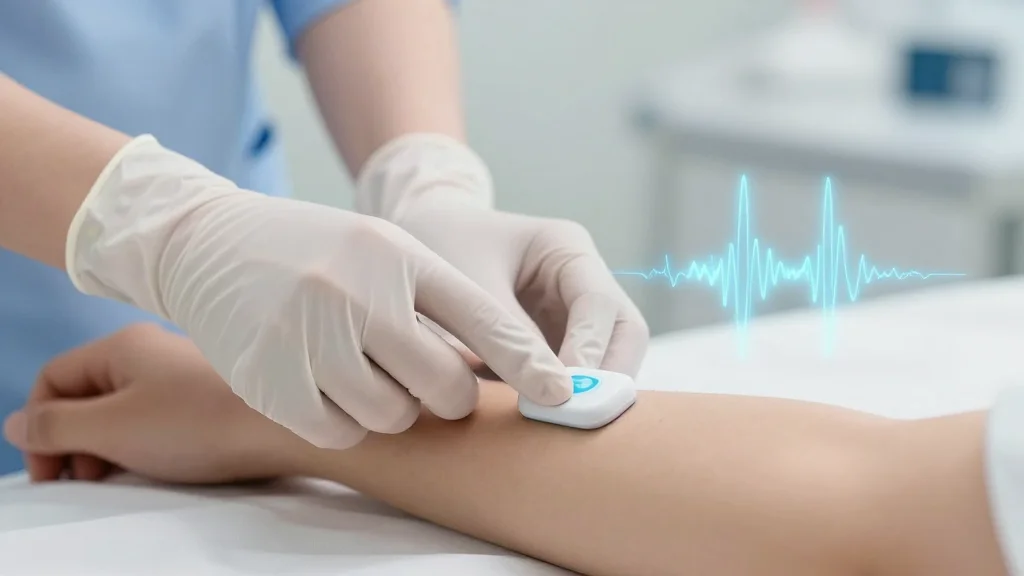
Nurses Harness AI to Help Quantify Their Instincts About Patient Care
Hospital nurses often sense patient decline before vital signs change, but lack a formal way to convey that intuition. Researchers at Johns Hopkins and Columbia are embedding nurse‑generated data—extra vital checks, medication administration, and explicit concern scores—into machine‑learning‑driven early warning...
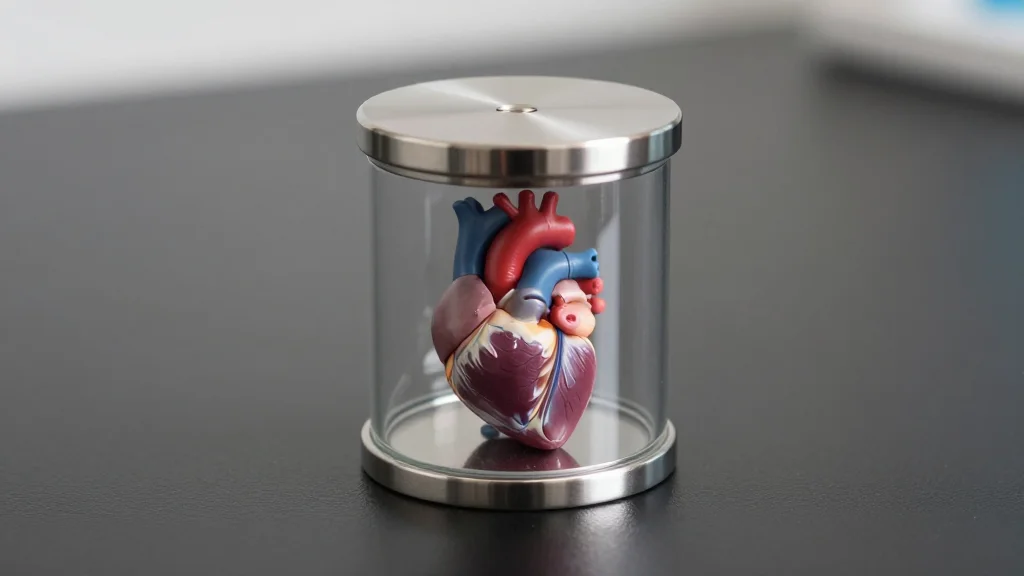
Clinical Data Foundries Are on the Horizon
Health systems are pivoting toward "clinical data foundries" by 2030, turning electronic health records into high‑velocity, monetizable assets. The shift is driven by rising labor costs, margin pressure and the promise of modular AI architectures that replace fragmented point solutions....

Wearable-Derived Metrics May Monitor Treatment Response in IBD
Researchers presented data at Digestive Disease Week showing that sleep metrics captured by the Oura Ring can differentiate patients with inflammatory bowel disease who respond to biologic therapy from those who do not. In a 14‑week study of 60 adults,...

AI Is Starting To Outperform Doctors. Here’s Why Doctors Are Needed Now More Than Ever
Recent studies show artificial‑intelligence models surpassing emergency‑room physicians in diagnostic decision‑making and outpacing radiologists in detecting pancreatic cancer up to three years before clinical presentation. The AI systems achieved higher accuracy by analyzing electronic health records and routine CT scans,...

Liquid Biopsy Predicts Response to Breast Cancer Immunotherapy
Researchers at Vanderbilt-Ingram Cancer Center demonstrated that serial liquid biopsies analyzing peripheral blood RNA can predict response to pembrolizumab in high‑risk early‑stage HER2‑negative breast cancer. The study examined 546 blood samples from 160 patients in the I‑SPY2 trial, showing transcriptional...

Taiwan Deepens Medical Cooperation with Eswatini, Eyes AI Integration
Taiwan is expanding its long‑standing medical cooperation with Eswatini to include digital health and AI applications. Health Minister Shih Chung‑liang announced plans to adopt the Fast Healthcare Interoperability Resources (FHIR) standard, enabling AI‑assisted healthcare systems. The Taiwanese medical mission, led...

The Science Of Sobriety: New Clinical Protocols In Rehab Tech
The healthcare sector is rapidly integrating advanced technology into substance‑use treatment, from FDA‑cleared digital therapeutics that supplement counseling to wearable biosensors that feed real‑time data to clinicians. Virtual‑reality exposure modules and mobile support apps are giving patients on‑demand tools to...
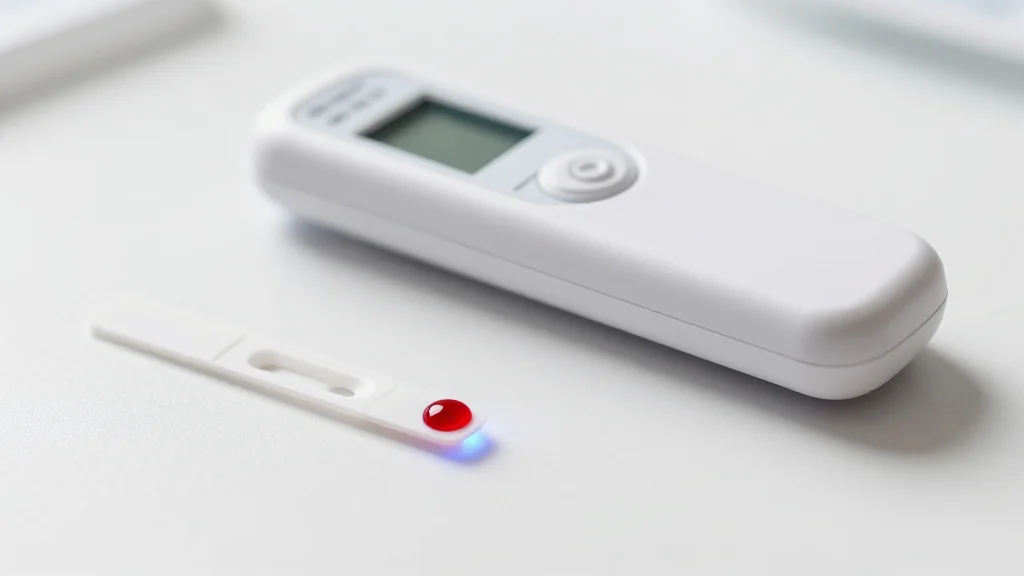
New Test Promises to Detect Cancer Earlier, From Tiny Particles in Bodily Fluids
Researchers at the University of Calgary have unveiled EXOSense, a patent‑pending platform that electrically isolates small extracellular vesicles from blood or urine for cancer screening. These vesicles carry molecular signatures that appear long before conventional biomarkers, offering a potential route...

ŌURA Closes the Hormonal Health Data Gap
Oura announced two new women’s health experiences—Hormonal Birth Control support and Menopause Insights—rolling out globally on May 6. The Hormonal Birth Control feature extends Cycle Insights to show how pills, patches, IUDs and other methods influence temperature, sleep, recovery and bleeding...

Assessing the Usefulness, Availability and Maintenance of Automated External Defibrillators in Emergency Care in Greater Accra
A recent cross‑sectional study of Ghana's National Ambulance Service in Greater Accra found that, while staff widely recognize the life‑saving value of automated external defibrillators (AEDs), only about two‑thirds of ambulance stations had a functional unit. Common problems included expired...
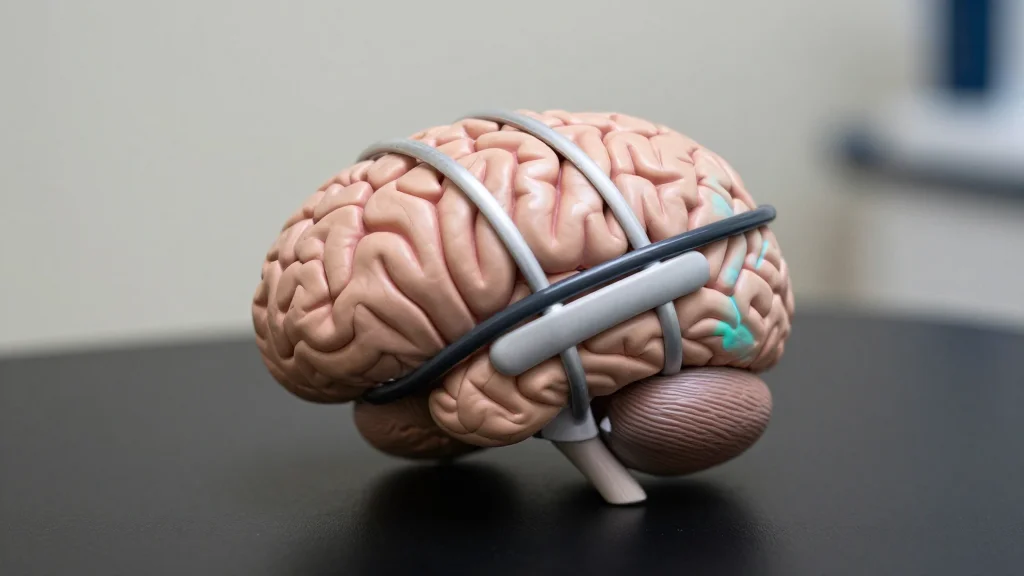
APT and GluCEST Imaging at 5.0 T in Patients with Brain Tumors: A Phantom Reproducibility Validation and Clinical Study
Researchers evaluated the reproducibility of amide proton transfer (APT) and glutamate chemical exchange saturation transfer (GluCEST) MRI at 5 Tesla using phantom experiments and a cohort of 96 brain‑tumor patients. Phantom tests showed intraclass correlation coefficients above 0.96 and coefficients of...
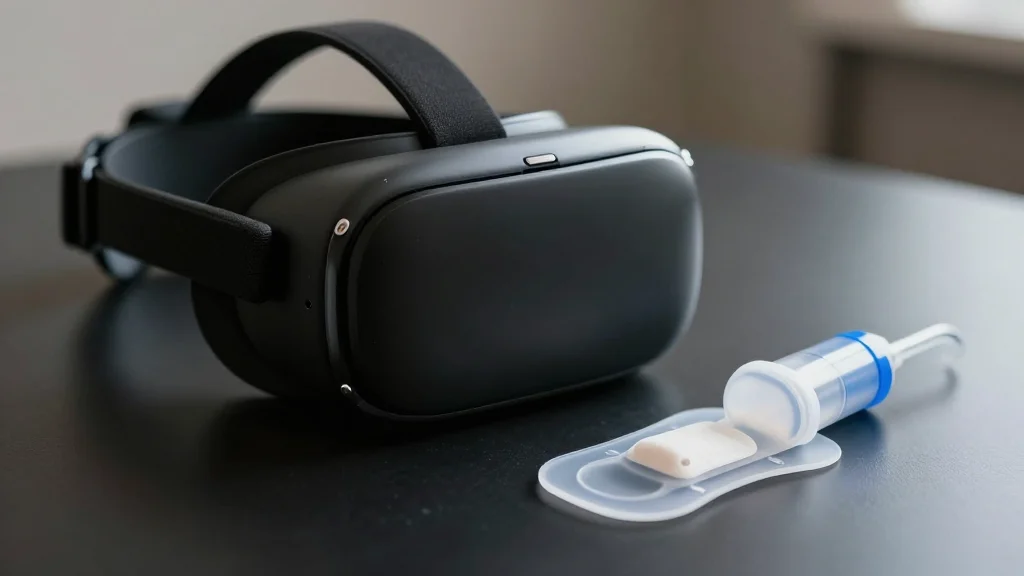
Effect of Virtual Reality on Acute Stress Response and Discomfort During Vacuum-Assisted Closure (VAC) Dressing Changes: A Protocol for Randomized...
A randomized controlled trial will evaluate immersive virtual reality (VR) as a non‑pharmacologic method to lessen acute stress during vacuum‑assisted closure (VAC) dressing changes. Participants are split 1:1 between VR and standard care, with primary endpoints including heart rate, blood...
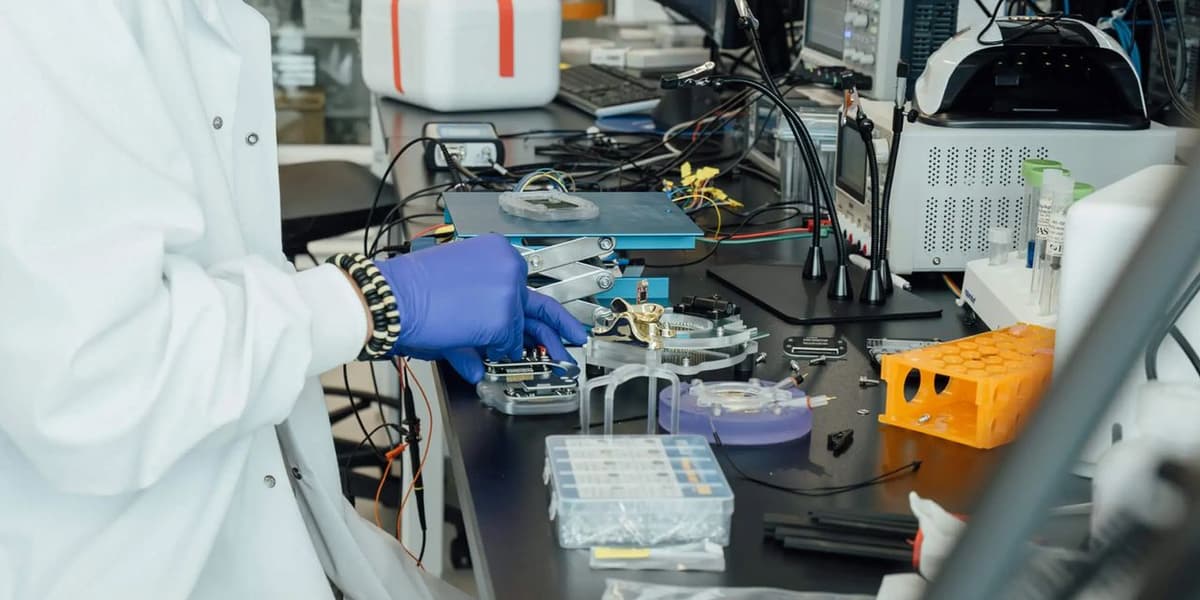
'Build AI that Can Accurately Represent the Full Complexity of Biology': Mark Zuckerberg Wants to Cure All Diseases but Needs...
Meta billionaire Mark Zuckerberg is channeling $500 million into Biohub’s Virtual Biology Initiative to amass massive cellular datasets for AI modeling. The funding splits into $100 million for global data collection and $400 million for advanced imaging and engineering tools. Partnerships with the...

Robotic-Assisted Surgery Introduced in Hawke’s Bay with Royston Hospital Urology Operations
Robotic‑assisted surgery arrived in Hawke’s Bay as Royston Hospital installed Medtronic’s Hugo system, marking the region’s first use of a surgical robot. The first two procedures, robot‑assisted prostatectomies, were completed in March 2024, allowing patients to stay local instead of...
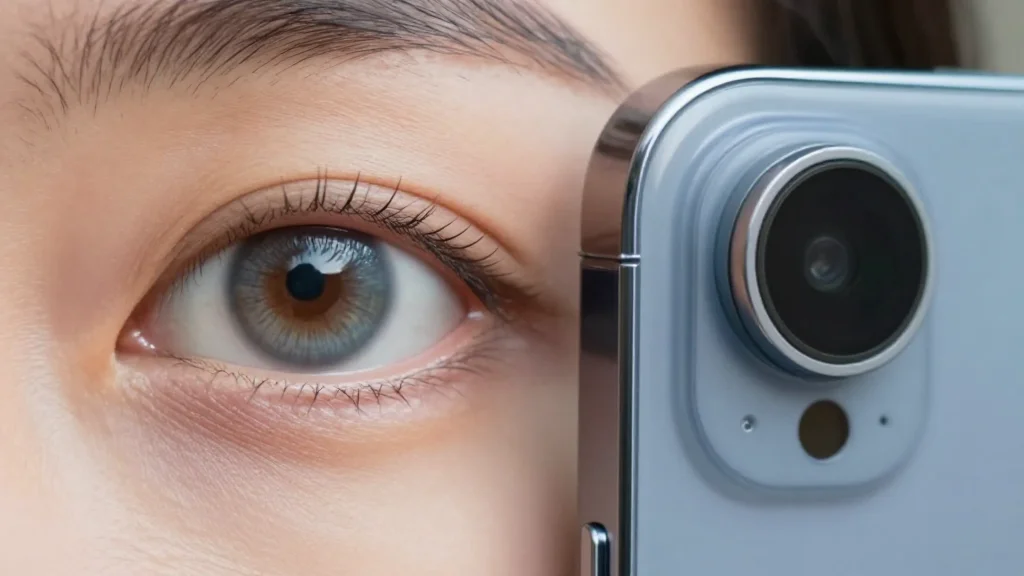
Retina Scan for Diabetes Could Also Reduce Deaths During Pregnancy in Developing Countries
Bill Gates highlighted Remidio's AI‑powered retinal camera that captures high‑resolution eye images in seconds using a smartphone. The device, already deployed in 40 countries for over 15 million diabetes screenings, can also identify early signs of gestational diabetes and pre‑eclampsia without...
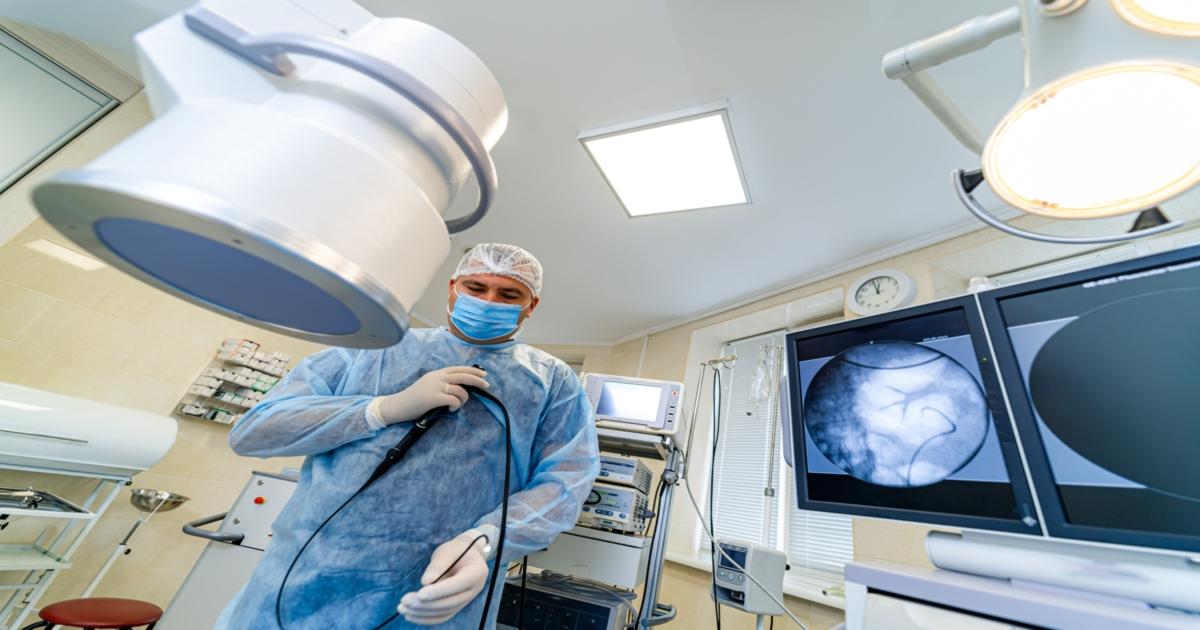
In AI-Era: Interval CRC Incidence Down, Adenoma Detection Up
A retrospective analysis of more than 1.5 million colonoscopies across 67 U.S. health systems found that the AI‑assisted colonoscopy era (2022‑2025) cut interval colorectal cancer incidence by 47% compared with the pre‑AI period (2015‑2019). Adenoma detection rates doubled to 3.6% and...
The Orchestration of Clinical Intelligence: Anthropic Claude and the Healthcare Ecosystem in 2030
Anthropic’s Claude has become the foundational clinical AI platform by 2030, leveraging Constitutional AI and the Model Context Protocol to integrate safely with EHRs and regulated workflows. The healthcare‑AI market grew from $36.7 B in 2025 to a 39% CAGR, driven...

Human Organ Chip Systems Reshape Drug Development
Harvard’s Wyss Institute, led by Dr. Donald Ingber, has spent over a decade perfecting Human Organ Chip systems that mimic organ-level functions in a thumb‑drive‑sized device. Recent FDA and NIH policy shifts endorse these chips as viable alternatives to animal...
Lyrebird Health: Analysis of Ambient AI Integration in Global Healthcare
Lyrebird Health, founded in 2023 in Melbourne, has scaled to an ambient AI platform that records and structures clinical conversations for tens of thousands of daily consultations. By early 2025 the company was handling over 28,000 visits per day and...
AI Provides Evidence-Based Information About Acetaminophen Use During Pregnancy
At the ACOG Annual Clinical & Scientific Meeting, researchers reported that ChatGPT‑5 provided evidence‑based answers to five prompts about acetaminophen use during pregnancy. The AI emphasized that no studies have proven harm at normal prenatal doses and reiterated the recommendation...

The Company that Built TikTok’s Algorithm Is Now Designing Drugs for Diseases Pharma Called Undruggable
ByteDance’s Anew Labs showcased its first AI‑designed therapy, a small‑molecule inhibitor of IL‑17, at the American Association of Immunologists meeting in Boston. The molecule targets a protein‑protein interaction long deemed undruggable, suggesting generative AI can breach a major pharmaceutical barrier....
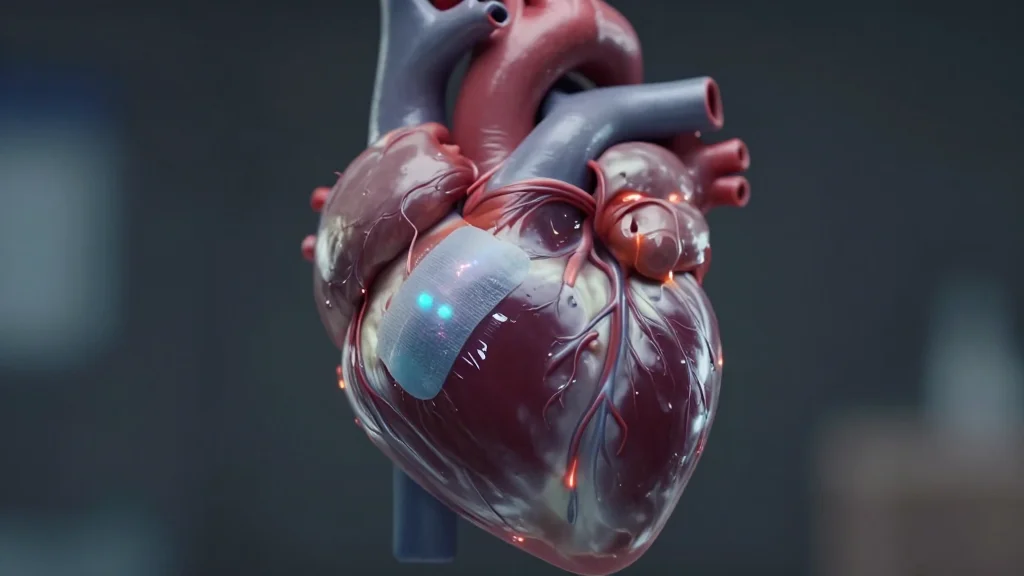
Precise Spatiotemporal Cardiac Repair and Regeneration
Researchers are advancing spatiotemporal drug delivery systems (DDS) that synchronize therapeutic release with the heart’s natural healing stages after myocardial infarction. These platforms integrate bioelectrical scaffolds, programmable degradation, and cell‑free vesicle carriers to provide phase‑specific immunomodulation, angiogenesis, and antifibrotic treatment....

Dunedin Hospital Installs Advanced Linear Accelerator to Expand Cancer Treatment Capacity
Dunedin Hospital has installed a new linear accelerator (LINAC) costing NZ$4.3 million (about $2.6 million USD), replacing an aging unit and adding next‑generation radiotherapy capabilities. The machine can target tumours within roughly one millimetre and deliver radiation from multiple angles, allowing higher...
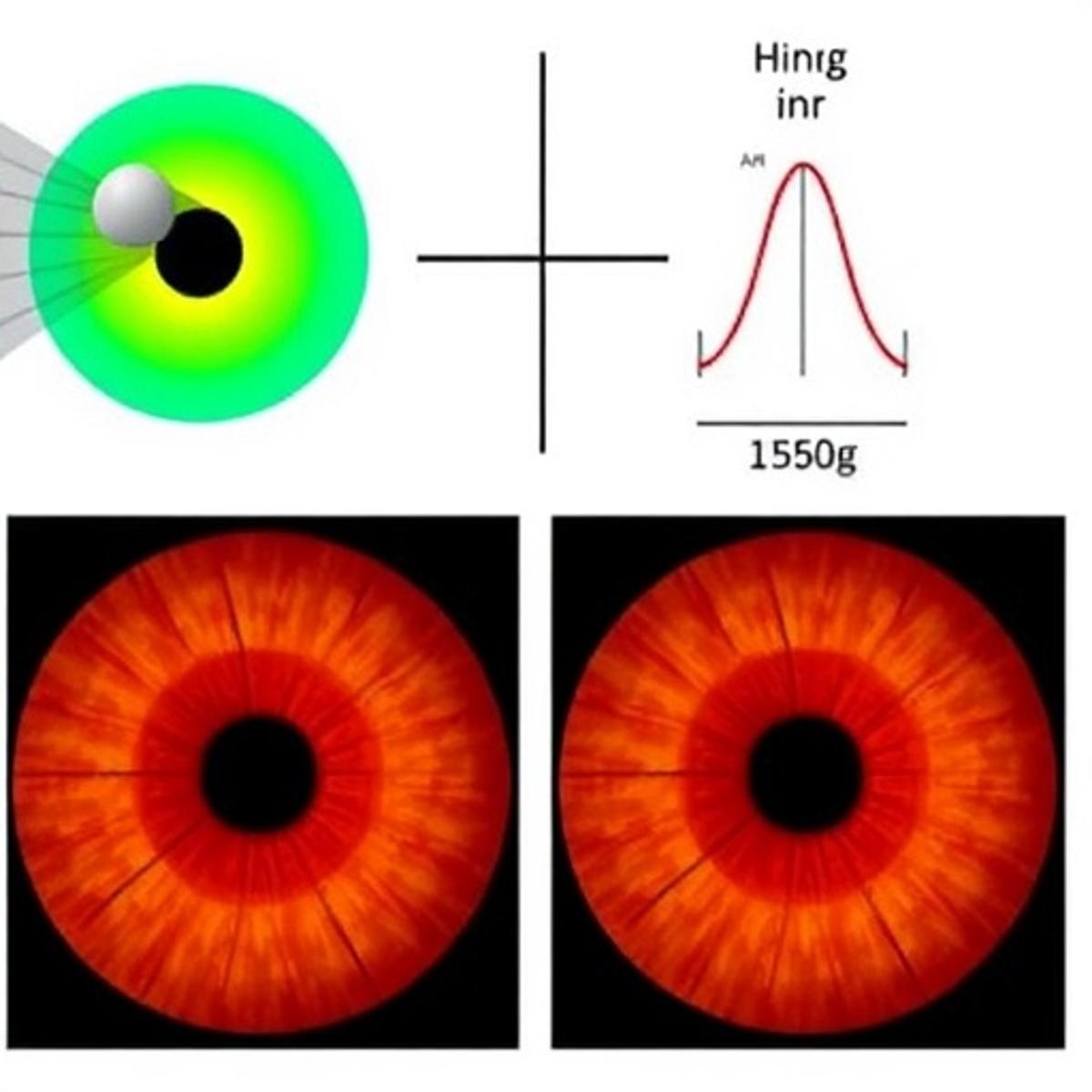
Early Detection of Keratoconus Enhanced by Light Polarization and AI
Researchers at Seoul National University have unveiled a portable eye‑screening system that combines polarization‑sensitive imaging with a deep‑learning algorithm to spot keratoconus at its earliest stages. The device captures subtle birefringence patterns in the cornea, which the AI model classifies...

Best Red Light Therapy Devices of 2026, Tested and FDA-Cleared
Red‑light therapy’s market is booming, growing from $421 million in 2024 to $444 million in 2025 and projected to reach $658 million by 2032. CNET tested five FDA‑cleared devices across facial, eye, hair‑growth, neck and full‑body categories, highlighting Shark CryoGlow’s combined LED‑cryotherapy mask,...

Singapore: AI to Strengthen Community-Based Ageing Support
Singapore has launched NANA, an AI‑powered voice assistant that conducts regular check‑in calls with seniors and alerts care staff to potential issues. The tool, developed by Lions Befrienders, can converse in local languages and generate concise summaries after each interaction....

Innovative Nanoparticle Technique Advances Early Detection of Pancreatic Cancer
Researchers have unveiled a novel nanoparticle‑based imaging agent that markedly improves early detection of pancreatic cancer. In pre‑clinical trials the probe identified tumors as small as 2 mm, delivering a 30% sensitivity boost over conventional CT scans. The technology earned FDA...

Oura Unveils Menopause Insights, Birth Control Tools, US Open Partnership
Oura introduced two new hormonal health features for its Ring: a birth‑control support tool embedded in the Cycle Insights suite and a Menopause Insights module that uses a proprietary questionnaire and biometric data to assess symptoms. The company also sealed...

Validated Quality Signals Will Drive Digital Health Adoption
The Digital Medicine Society’s DiMe Seal and the CARIN Code of Conduct are being adopted by CMS to highlight high‑quality digital health apps for Medicare beneficiaries. By attaching these validated quality signals to apps, CMS can surface trustworthy solutions amid...