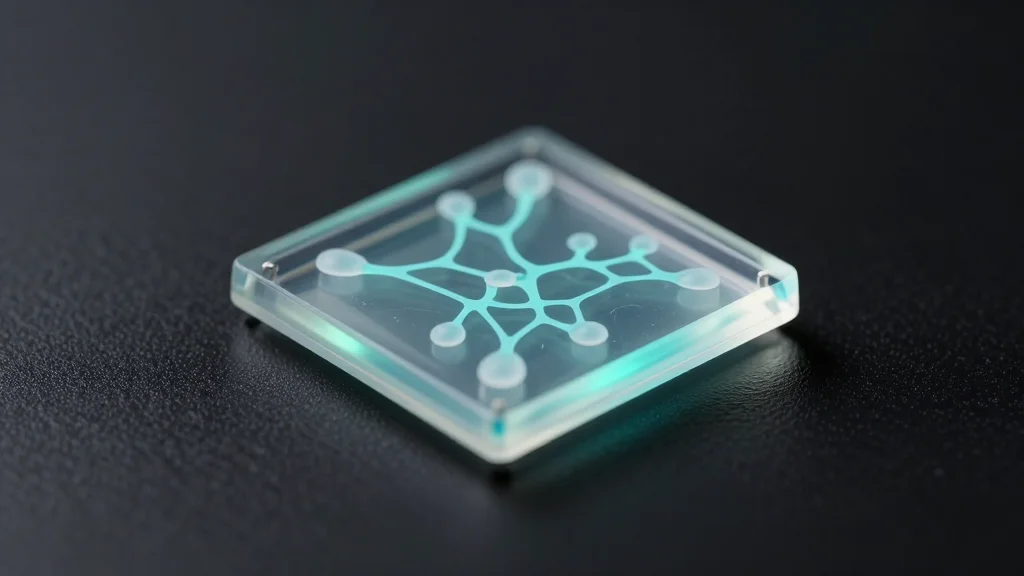
Artificial Retina Uses Biological Liquid Medium for Direct-to-Display ‘Vision’
Why It Matters
By fusing wet‑biological environments with solid‑state electronics, BIOPIX bridges a critical gap toward more physiologically accurate retinal implants, potentially accelerating therapies for vision loss. Its real‑time display capability also offers a versatile research tool for evaluating hybrid photodetectors before clinical deployment.
Key Takeaways
- •BIOPIX combines organic electronics with liquid medium for retina-like sensing
- •2×2 cone array mimics mouse dichromatic vision; 4×4 rod array provides grayscale
- •Device operates in tens of milliseconds, matching natural retinal response times
- •First real-time direct-to-display image demonstrated via custom readout electronics
- •In‑vitro tests show biocompatibility, opening path to retinal prosthesis research
Pulse Analysis
The emergence of BIOPIX marks a pivotal shift in artificial vision research, moving beyond traditional solid‑state sensors toward a hybrid architecture that more faithfully reproduces the eye’s wet environment. By embedding organic semiconductor photodetectors in Ames’ liquid medium, the device captures light with ionic dynamics akin to native retinal cells, a feature that could improve signal fidelity and reduce the mismatch that often hampers implant performance. This approach aligns with broader trends in bio‑electronics, where researchers seek to integrate living tissue characteristics into electronic platforms for smoother interfacing.
Technical validation shows BIOPIX delivering colour and grayscale images through a 2 × 2 cone and 4 × 4 rod pixel matrix, respectively. The system’s response time—tens of milliseconds—mirrors the slower, yet biologically relevant, processing of mammalian retinas, distinguishing it from the microsecond speeds of conventional cameras. Moreover, the team engineered a bespoke readout circuit that translates the ionic signals into pixelated data for immediate display, achieving the first real‑time direct‑to‑display output from a liquid‑based sensor array. Sensitivity levels comparable to leading solid‑state polymer photodetectors suggest that performance trade‑offs are minimal.
Looking ahead, BIOPIX offers a versatile platform for pre‑clinical testing of new photoreceptive materials and for simulating retinal behavior under varied physiological conditions. Its demonstrated biocompatibility with human mesenchymal stromal cells paves the way for future implantable devices aimed at restoring sight in age‑related macular degeneration or other degenerative eye diseases. As the market for retinal prosthetics expands, hybrid technologies like BIOPIX could become a cornerstone, delivering more natural visual experiences while reducing regulatory hurdles associated with purely synthetic implants.
Artificial Retina Uses Biological Liquid Medium for Direct-to-Display ‘Vision’
Comments
Want to join the conversation?
Loading comments...