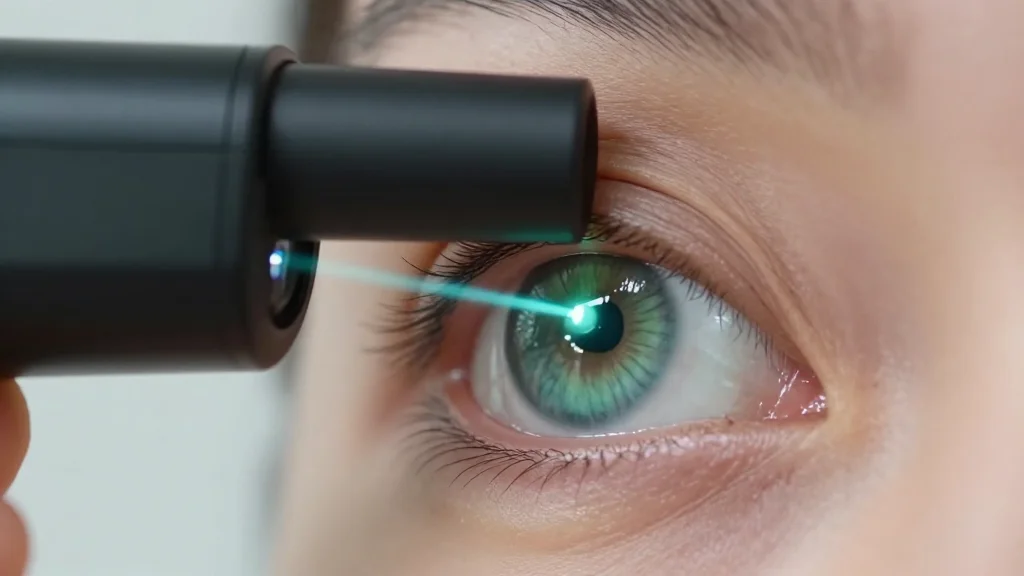
Seeing Keratoconus Earlier with Light Polarization and AI
Why It Matters
Early, accurate identification of keratoconus prevents inappropriate refractive surgeries and lowers the risk of vision‑loss complications, offering a clearer pathway for patient management.
Key Takeaways
- •PS‑OCT AI model detects subclinical keratoconus better than shape‑based tomography
- •Study analyzed 359 eyes across healthy, subclinical, and keratoconus groups
- •Phase retardation maps reveal collagen disorganization before visible corneal deformation
- •PS‑OCT reclassifies some suspect eyes as healthy, improving screening confidence
- •Combining polarization imaging with AI adds functional data to tomography
Pulse Analysis
Keratoconus remains a diagnostic challenge because its earliest manifestations are microscopic changes in corneal biomechanics rather than overt shape alterations. Traditional screening tools—Pentacam, MS‑39, and similar tomographers—focus on curvature, thickness, and surface irregularities, which only become pronounced after the disease has progressed. Consequently, patients with thin yet stable corneas are often labeled as "suspect," limiting their eligibility for laser vision correction and prompting unnecessary monitoring. Understanding the limitations of shape‑based imaging sets the stage for more nuanced diagnostic approaches.
Polarization‑sensitive optical coherence tomography (PS‑OCT) introduces a functional dimension by measuring how polarized light interacts with corneal collagen fibers. The resulting phase‑retardation maps capture subtle disruptions in the stromal architecture that precede macroscopic deformation. When paired with machine‑learning classifiers, these micro‑structural signatures enable the AI model to differentiate true early keratoconus from naturally thin corneas with higher precision. The recent multi‑center trial, encompassing 359 eyes, demonstrated that PS‑OCT‑driven AI correctly identified a larger proportion of subclinical cases while reducing false‑positive rates compared with conventional tomographic devices.
For clinicians, the integration of PS‑OCT into pre‑operative workflows could transform patient selection for refractive surgery, offering confidence that a seemingly borderline cornea is genuinely healthy. From a market perspective, manufacturers of ophthalmic imaging equipment may accelerate development of hybrid platforms that combine high‑resolution tomography with polarization analytics. Ongoing longitudinal studies will be essential to confirm that PS‑OCT‑reclassified eyes remain stable over time, but the technology already signals a shift toward biomarker‑driven ophthalmology, where tissue integrity is assessed as rigorously as surface geometry.
Seeing keratoconus earlier with light polarization and AI
Comments
Want to join the conversation?
Loading comments...