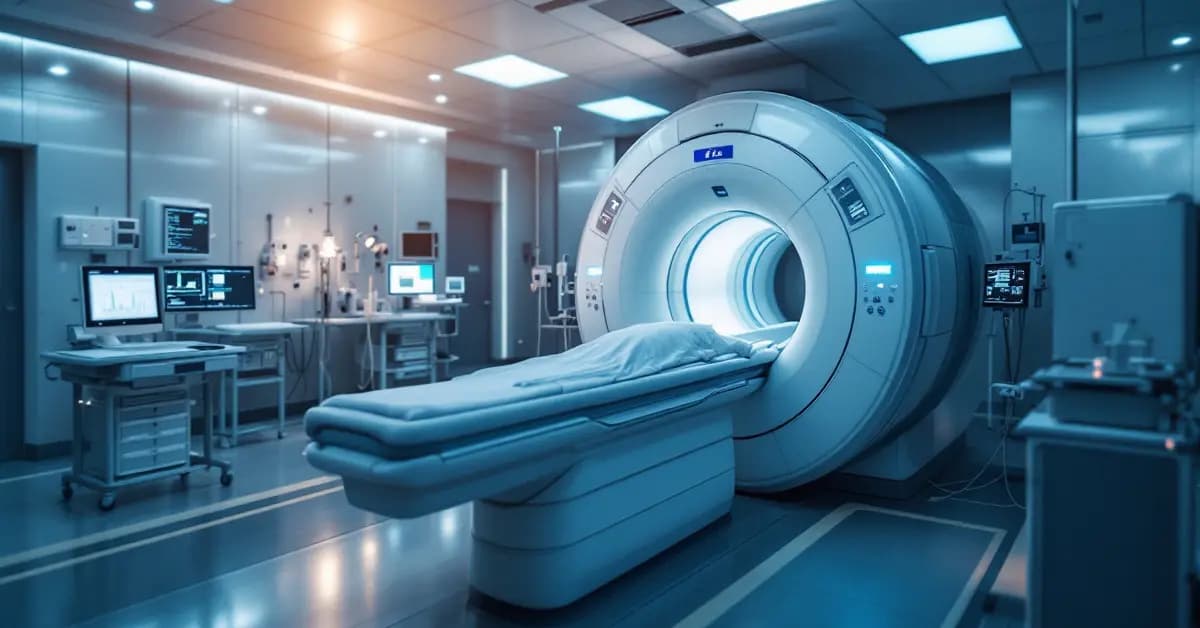
Dunedin Hospital Installs Advanced Linear Accelerator to Expand Cancer Treatment Capacity
Why It Matters
The upgrade boosts treatment precision and capacity in the lower South Island, reducing patient travel and improving outcomes, while signalling the government’s commitment to modern health infrastructure.
Key Takeaways
- •NZ$4.3 million ($2.6 million) LINAC installed at Dunedin Hospital.
- •Machine targets lesions within 1 mm, improving radiotherapy precision.
- •Multi‑angle delivery cuts treatment time and enables higher dose protocols.
- •Supports regional training and expands clinical options for cancer patients.
- •Part of nationwide NZ cancer‑care upgrade, following Taranaki centre investment.
Pulse Analysis
The new linear accelerator at Dunedin Hospital reflects a global shift toward high‑precision radiotherapy, where sub‑millimetre targeting reduces collateral damage and improves tumour control. Modern LINACs integrate advanced imaging, allowing clinicians to map tumours in real time and adjust beams on the fly. By investing roughly $2.6 million in this technology, New Zealand aligns with leading health systems that prioritize patient‑centred care and cost‑effective treatment pathways, as shorter sessions free up machine time for more patients.
For patients in the lower South Island, the upgrade translates into tangible benefits: reduced travel to larger centres, fewer treatment visits, and access to sophisticated protocols such as stereotactic body radiotherapy (SBRT). Multi‑angle delivery and faster software enable higher radiation doses directly to the tumour while protecting surrounding organs, a critical advantage for brain and head‑and‑neck cancers. Moreover, the ability to treat multiple lesions in one appointment shortens overall therapy courses, easing the logistical and emotional burden on families.
The Dunedin installation is a piece of a wider national strategy to bolster cancer services across New Zealand. Recent upgrades at the Taranaki Cancer Centre and planned investments in other regions illustrate a coordinated effort to close geographic gaps in care. By modernising equipment and fostering specialist training, the government aims to improve survival rates and keep advanced treatment within community hospitals, reducing pressure on tertiary centres and supporting the country’s broader health‑infrastructure modernization agenda.
Dunedin Hospital Installs Advanced Linear Accelerator to Expand Cancer Treatment Capacity
Comments
Want to join the conversation?
Loading comments...