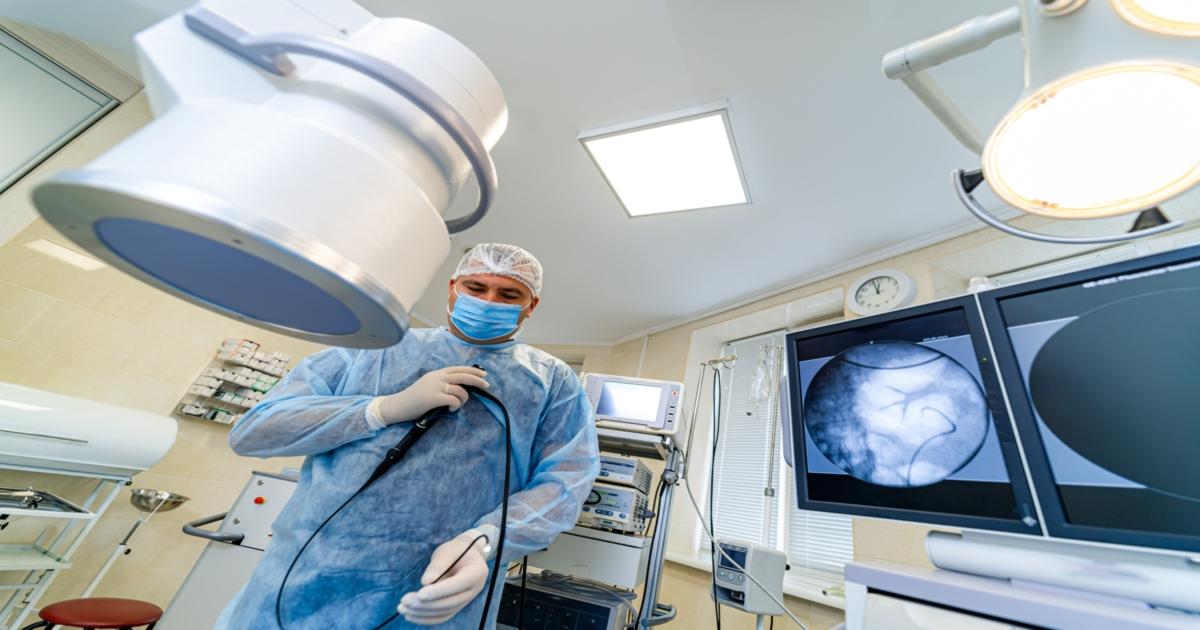
In AI-Era: Interval CRC Incidence Down, Adenoma Detection Up
Why It Matters
Halving interval colorectal cancer demonstrates AI’s capacity to enhance preventive oncology, potentially lowering treatment costs and improving patient survival. The findings signal a shift toward technology‑driven quality standards in gastroenterology.
Key Takeaways
- •AI-assisted colonoscopy cut interval CRC incidence by 47% in real-world data
- •Adenoma detection rate doubled to 3.6% versus 1.8% pre‑AI
- •Advanced adenoma detection rose modestly to 0.19% from 0.13%
- •Study analyzed over 1.5 million procedures across 67 health systems
- •Findings support AI’s potential to improve colonoscopy quality, pending further trials
Pulse Analysis
The integration of artificial intelligence into colonoscopy workflows has moved beyond controlled academic trials into everyday clinical practice. Early AI platforms flagged subtle mucosal patterns that human eyes might miss, prompting a wave of adoption across hospital networks and ambulatory centers. This transition coincided with updated quality benchmarks, such as higher adenoma detection rate (ADR) targets, creating a synergistic environment where technology and standards reinforce each other. As a result, providers are now equipped with decision‑support tools that flag suspicious lesions in real time, reducing reliance on operator experience alone.
The recent TriNetX‑based cohort study provides the first large‑scale, real‑world evidence of AI’s impact on hard outcomes. By comparing 1.5 million colonoscopies performed before and after AI rollout, researchers observed a 47% relative reduction in interval colorectal cancer—a metric that captures cancers missed during the initial exam and diagnosed within three years. Simultaneously, ADR climbed from 1.8% to 3.6%, and advanced adenoma detection modestly increased, suggesting that AI not only catches more lesions but also identifies higher‑risk polyps that could progress to malignancy. These improvements persisted across diverse health systems, indicating that AI benefits are not confined to elite academic centers.
For the healthcare market, the data signal a compelling value proposition for AI‑enabled endoscopy platforms. Payers may view the technology as a cost‑saving measure, given the expensive downstream care associated with colorectal cancer treatment. Device manufacturers are likely to accelerate R&D, focusing on explainable AI and integration with electronic health records to streamline reporting. Meanwhile, clinicians will need to balance AI insights with clinical judgment, and regulators may tighten post‑market surveillance to ensure that observed gains translate into consistent patient outcomes across all practice settings.
In AI-era: interval CRC incidence down, adenoma detection up
Comments
Want to join the conversation?
Loading comments...