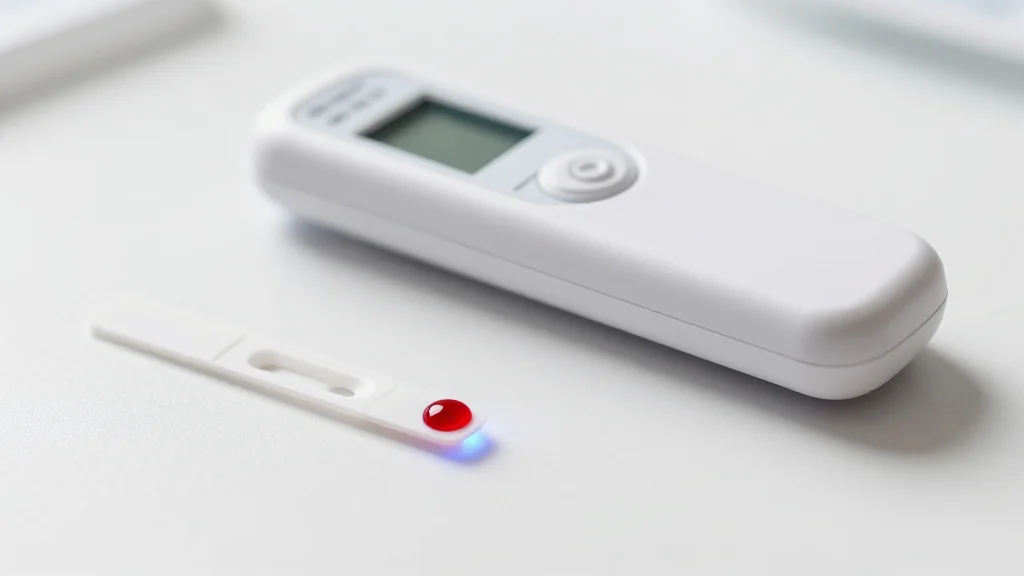
New Test Promises to Detect Cancer Earlier, From Tiny Particles in Bodily Fluids
Companies Mentioned

Why It Matters
Early detection dramatically boosts survival odds and cuts treatment expenses, making a cheap liquid‑biopsy a game‑changer for global cancer care.
Key Takeaways
- •EXOSense captures extracellular vesicles electrically, avoiding labeling reagents
- •Vesicles emerge in blood months before traditional cancer biomarkers
- •Goal: a drop‑of‑fluid test using microfluidic, low‑cost platform
- •Technology is patent‑pending and awaiting validation with patient samples
- •Could improve early detection access in underserved communities worldwide
Pulse Analysis
Cancer claims over 10 million lives annually, and early diagnosis can dramatically raise survival rates. Current screening relies on scarce biomarkers that often disappear before symptoms appear, limiting routine use. Small extracellular vesicles—nanometer‑scale particles released by cells—carry DNA, RNA and proteins that mirror the cell’s condition. Tumor‑derived vesicles have been found in blood or urine months before traditional markers, making them an attractive foundation for a new liquid‑biopsy capable of detecting cancer at its earliest stages. These vesicles, often termed exosomes, are stable in circulation, making them reliable analytes.
The University of Calgary’s EXOSense platform solves the isolation challenge by using a calibrated electric field to attract vesicles without labels. This label‑free capture preserves surface proteins and cargo, avoiding the bias of antibody‑based methods. Integrated into a microfluidic chip, the system processes just microliters of biofluid and converts vesicle concentration into an electrical signal that can be automatically interpreted. The approach cuts reagent costs, shortens assay time, and delivers data suitable for high‑throughput screening. The electrical readout correlates with specific oncogenic signatures, enabling disease‑specific panels.
Pending clinical validation, EXOSense could lower cancer‑screening costs and expand access in underserved regions lacking sophisticated labs. A simple drop‑of‑fluid test priced below current imaging or molecular panels would enable mass screening, catching disease earlier and reducing expensive late‑stage treatments. The patent‑pending technology and modular design also appeal to diagnostic firms seeking rapid commercialization. Successful rollout would not only improve patient outcomes but also generate substantial savings for insurers and public health systems worldwide. Early adoption could also stimulate ancillary markets in point‑of‑care devices and data analytics.
New test promises to detect cancer earlier, from tiny particles in bodily fluids
Comments
Want to join the conversation?
Loading comments...