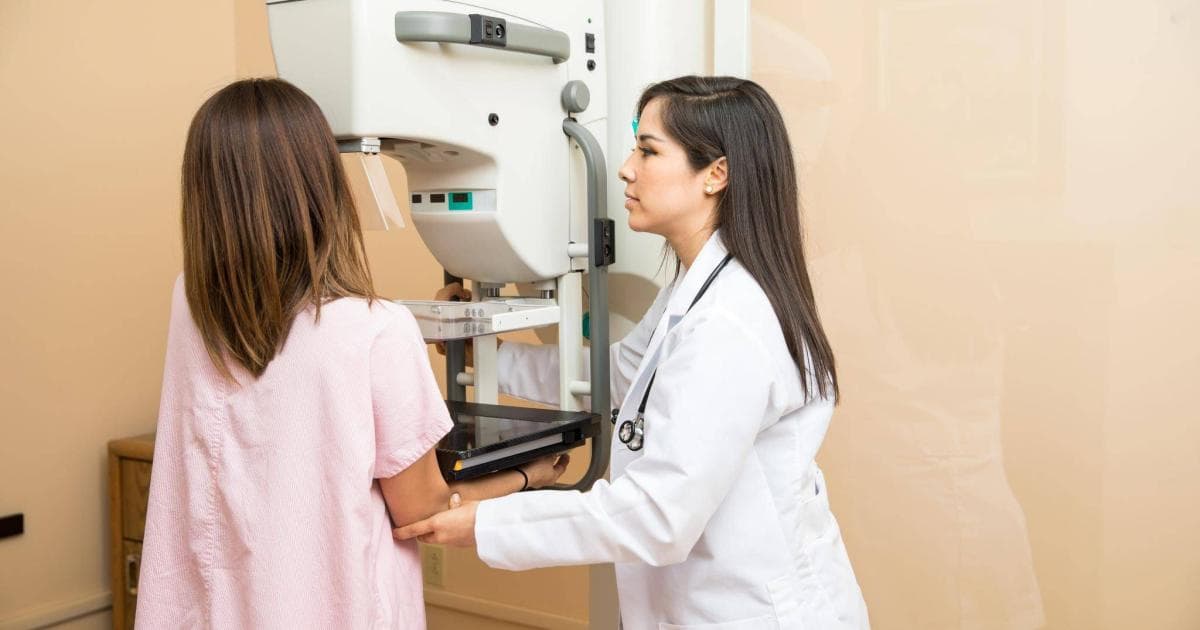
4D Mammo May Be up to Four Times More Accurate than 3D
Why It Matters
Higher diagnostic accuracy and reduced radiation could transform breast‑cancer screening, lowering false positives and enabling earlier treatment, which benefits patients and reduces overall healthcare costs.
Key Takeaways
- •4D mammography shows up to 4× precision over 3D DBT.
- •Technique uses X‑ray diffraction to capture molecular disease fingerprints.
- •Early trial completed 61 scans with reduced radiation dose and faster exams.
- •Calidar launches Series A to fund multi‑site pivotal U.S. study.
- •Peer‑reviewed results expected later 2026, targeting FDA clearance.
Pulse Analysis
The emergence of 4D mammography marks a shift from conventional anatomical imaging to molecular‑level diagnostics. Developed by North Carolina‑based Calidar Inc., the system leverages X‑ray diffraction to generate tissue “fingerprints,” allowing radiologists to differentiate malignant cells far earlier than standard 3‑dimensional digital breast tomosynthesis (DBT). Early‑phase data from a first‑in‑human trial at Baptist Health Hardin, involving 61 participants, suggest up to a four‑fold increase in diagnostic precision while delivering scans more quickly and with lower radiation exposure. This technological leap could redefine breast‑cancer screening protocols.
From a clinical standpoint, higher precision translates directly into fewer false‑positive biopsies and earlier therapeutic intervention, both of which improve patient outcomes and reduce healthcare costs. The reduced dose aligns with ongoing efforts to minimize cumulative radiation, a concern for women undergoing annual screening. Moreover, faster exam times can increase throughput in busy imaging centers, addressing capacity constraints that have plagued mammography services. If the multi‑site pivotal study confirms these findings, insurers and providers may rapidly adopt the technology, reshaping the market for breast‑imaging equipment.
Calidar’s current Series A raise is earmarked for the pivotal U.S. trial and regulatory preparation. A peer‑reviewed publication slated for later 2026 will provide the scientific community with detailed performance metrics, while an FDA clearance submission could position the company as a first‑to‑market player in 4D breast imaging. Competitors in the mammography space will likely accelerate their own research into molecular imaging, intensifying R&D spending across the sector. Investors are watching closely, as successful commercialization could unlock a multi‑billion‑dollar market opportunity.
4D mammo may be up to four times more accurate than 3D
Comments
Want to join the conversation?
Loading comments...