Early Detection of Keratoconus Enhanced by Light Polarization and AI
Why It Matters
By identifying keratoconus before structural damage accrues, the solution can dramatically lower the need for invasive surgeries and cut long‑term healthcare costs. It also expands access to specialist‑level screening in primary‑care and remote settings.
Key Takeaways
- •Polarization imaging detects corneal shape changes earlier than standard topography
- •AI algorithm classifies keratoconus with 96% accuracy on clinical data
- •Early diagnosis enables treatment before vision loss, reducing surgery rates
- •Portable device offers point‑of‑care screening for optometrists worldwide
- •Study funded by Korean Health Ministry, published in Nature Biomedical Engineering
Pulse Analysis
Keratoconus, a progressive thinning of the cornea, affects roughly 1 in 2,000 people worldwide and is a leading cause of non‑genetic vision impairment. Traditional diagnostics—such as corneal topography and tomography—typically identify the disease only after noticeable curvature changes, limiting treatment options to later‑stage interventions. The urgency for earlier detection has driven researchers to explore optical biomarkers that reveal micro‑structural alterations before macroscopic deformation becomes apparent.
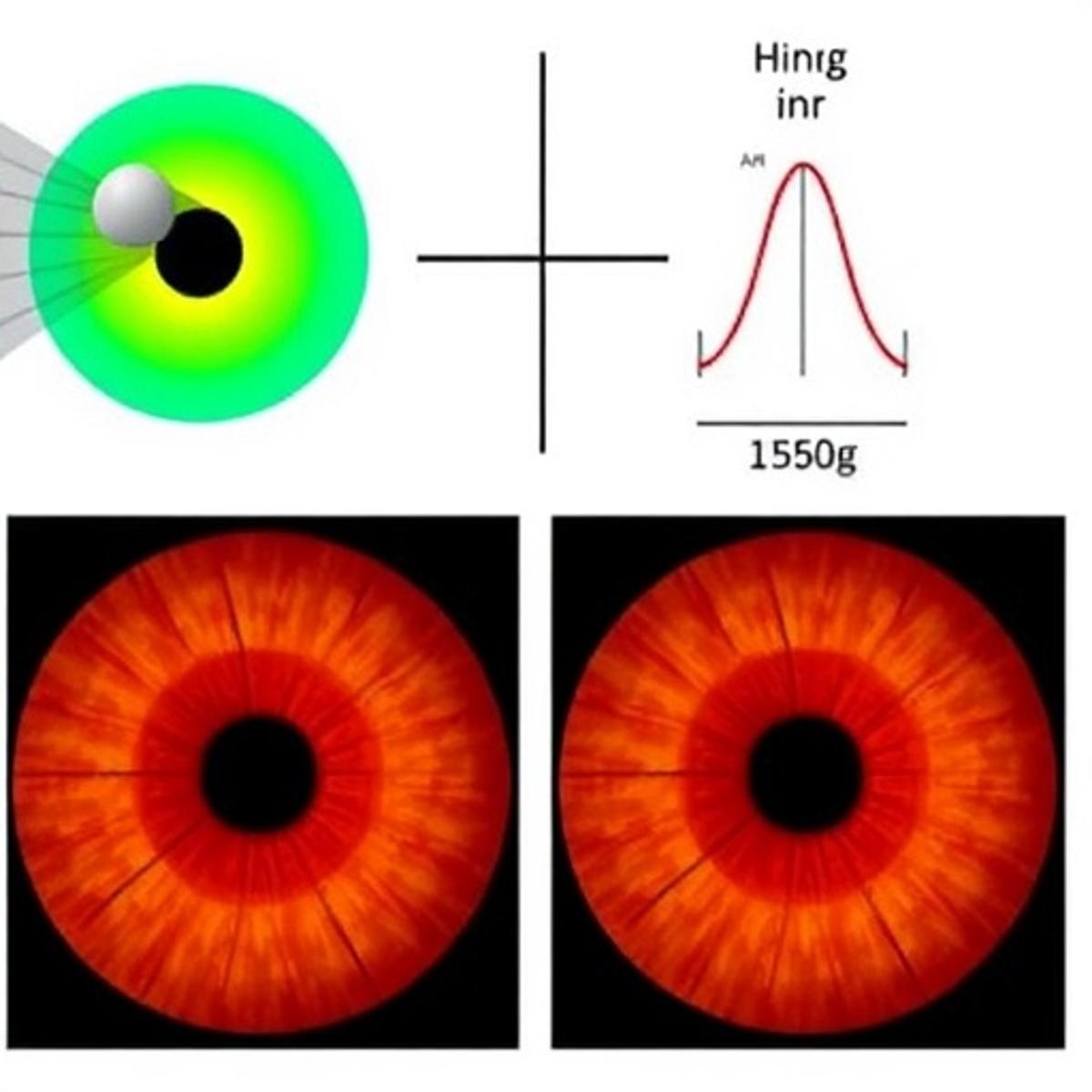
The SNU team’s breakthrough leverages polarization‑sensitive imaging to map the cornea’s birefringence, a subtle optical property linked to collagen fiber orientation. Coupled with a convolutional neural network trained on more than 10,000 labeled scans, the system distinguishes early‑stage keratoconus from healthy tissue with 96% overall accuracy, 94% sensitivity, and 98% specificity. Validation across three hospitals demonstrated consistent performance, positioning the technology as a viable alternative to expensive, stationary tomography units.
Clinically, the ability to diagnose keratoconus at a pre‑symptomatic phase opens the door to timely corneal cross‑linking, which can halt disease progression and preserve visual acuity. For healthcare systems, earlier intervention translates into fewer corneal transplants and lower long‑term costs. The device’s compact, battery‑free design also supports tele‑ophthalmology initiatives, extending specialist screening to underserved regions. With regulatory submissions planned for late 2026, the market potential spans optometry chains, ophthalmology clinics, and vision‑screening programs, heralding a shift toward proactive eye‑care.
Early Detection of Keratoconus Enhanced by Light Polarization and AI
Comments
Want to join the conversation?
Loading comments...