
UnitedHealth Group Investing Billions in AI
UnitedHealth Group announced a $1.5 billion investment in artificial intelligence to modernize its internal operations and launch commercial AI products. The spend targets member and patient engagement tools, workflow automation, and productivity gains across its health‑care and insurance divisions. In Q1 2026, UnitedHealth reported $111.7 billion in revenue, while its Optum unit posted $63.7 billion in revenue with a 5.2% margin. Optum Health’s revenue slipped 3% YoY, prompting a renewed focus on AI‑enabled value‑based care.

First Set of Research Teams Announced in Effort to Transform Behavioral Health
The Advanced Research Projects Agency for Health (ARPA‑H) unveiled the first cohort of research teams under its EVIDENT initiative, allocating up to $139.4 million to accelerate rapid‑acting behavioral‑health therapies. At least $50 million is reserved to match state investments in psychedelic studies...
'No Pumps, No Batteries Needed': Wearable Semiconductor Fabric Monitors Health Through Sweat
A research team at Daegu Gyeongbuk Institute of Science and Technology has created a wearable sweat sensor built from a molybdenum disulfide (MoS₂) and polylactic acid (PLA) composite fiber. The porous fiber draws sweat through capillary action, eliminating the need...

The Future of Mental Health and Substance Use Treatment: Technology, Policy, and Collaboration
On April 20, HHS convened a roundtable to explore how health‑IT can close gaps in mental health and substance‑use care. Officials highlighted the SUPPORT Act reauthorization and the Great American Recovery Initiative, which together channel billions into overdose prevention and treatment....

Interventional Radiologist Launches AI-Powered, IR-Specific Decision Support Platform
Interventional radiologist Dr. Syed Aziz Rahman unveiled VIRad.AI, an AI‑powered clinical decision‑support platform tailored for interventional radiology, at the Society of Interventional Radiology’s annual meeting. The tool combines an IR‑specific question bank, procedure reference library, device catalog, and an integrated...

A Look Into an Upcoming AI-Powered Surgical Performance Center
A new AI‑powered Surgical Performance Center, built around OMNIMED’s SmartOR platform, is set to transform operating‑room training. The system fuses 3D video, audio and environmental sensors to generate objective performance baselines for surgeons and support staff. An integrated AI agent...

Radiopharmaceutical Manufacturer Secures $30M to Bolster Domestic Isotope Production
Ionetix Corporation, a Michigan‑based cyclotron and radiopharmaceutical firm, announced a $30 million private‑placement raise at $3 per share. The capital will fund expansion of domestic radioisotope production for PET imaging and alpha‑emitter therapies and boost R&D on its superconducting cyclotron platform....

House FY27 VA Funding Bill Allocates $3.4B for EHR Rollout
The House Appropriations Committee approved a FY27 funding package that earmarks $3.4 billion for the Veterans Affairs (VA) electronic health record (EHR) modernization. The allocation matches FY26 levels but ties 25% of the money to performance metrics and quarterly reporting, with...

AACR 2026: Lung Cancer Immunotherapy Response Predicted by Pathomics AI Model
Researchers at UT MD Anderson unveiled Path-IO, a deep‑learning pathomics model that predicts outcomes and immunotherapy response in metastatic non‑small cell lung cancer (NSCLC). The AI was trained on 797 patients and externally validated on 280 cases, consistently outperforming the...

Sirolimus- and Paclitaxel-Coated Balloons Deliver Comparable 1-Year PCI Outcomes
A nationwide Swedish registry analysis of more than 8,000 percutaneous coronary intervention (PCI) patients found that sirolimus‑coated balloons (SCBs) and paclitaxel‑coated balloons (PCBs) deliver comparable one‑year clinical outcomes. While PCBs showed a modest advantage in reducing in‑stent restenosis, rates of...

VA Accelerates Electronic Health Record Deployment to Improve Veteran Services in Michigan
The Department of Veterans Affairs has gone live with its new Federal Electronic Health Record system at four Michigan hospitals on April 11, marking the first wave of 13 deployments planned for 2026. The accelerated rollout replaces fragmented legacy platforms and...

HIMSS Measures Healthcare AI Progress and Shares Successful Strategies
HIMSS has launched its 2026 AI Adoption Index, a comprehensive benchmark that evaluates how hospitals and health systems are integrating artificial intelligence across clinical and operational domains. The index surveyed more than 500 institutions, identifying the AI techniques that deliver...

Jeremy Renner Backs RapidSOS Emergency Platform to Advance AI
Actor Jeremy Renner has invested in and partnered with emergency‑response platform RapidSOS, aiming to accelerate AI‑driven data sharing for first responders. RapidSOS pulls real‑time health, location and sensor data from smartphones, wearables, vehicles and surveillance to deliver richer information before...

4 Ways AI Could Support Psychotherapy
University of Utah researchers introduced a four‑tier framework that maps how artificial intelligence can automate psychotherapy tasks, ranging from scripted chatbots to fully autonomous AI therapists. The model categorizes automation into Levels A through D, each with distinct utility and...

UnitedHealth Breaks Down How It Plans to Spend $1.5B on AI
UnitedHealth Group confirmed it is on track to invest $1.5 billion in artificial intelligence this year. The spend will fund internal efficiency projects and the development of AI‑driven solutions for other insurers and health providers. UnitedHealth aims to embed generative AI...
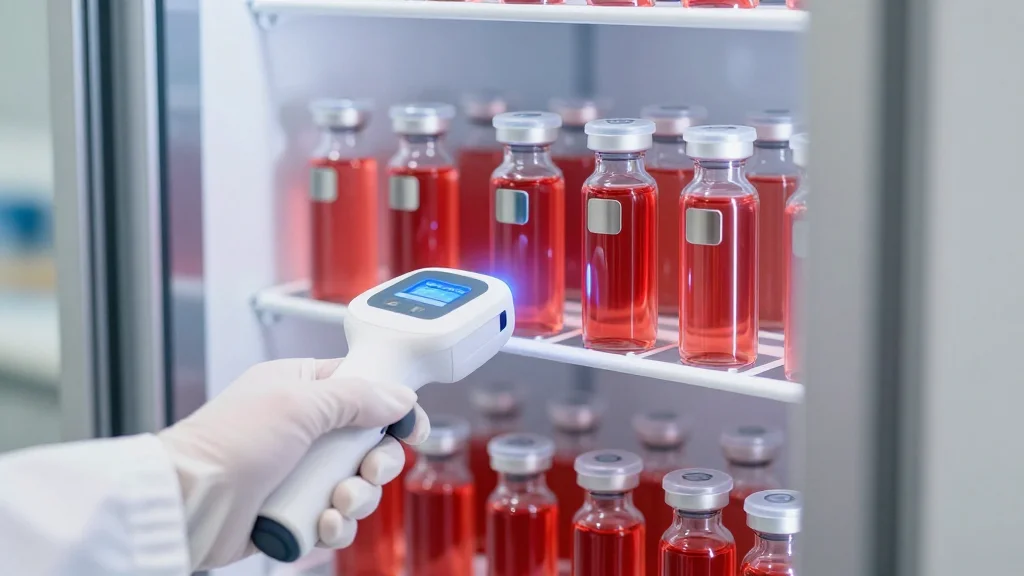
Pharmacy System Saves Texas Children's Hospital $14M, and That's Just for Starters
Texas Children’s Hospital replaced its manual pharmacy inventory process with an RFID‑enabled Tecsys point‑of‑use platform, focusing on high‑cost medications. Partnering with Zebra Technologies, the hospital equipped refrigerators and cabinets with RFID tags and handheld scanners, delivering real‑time visibility of stock,...
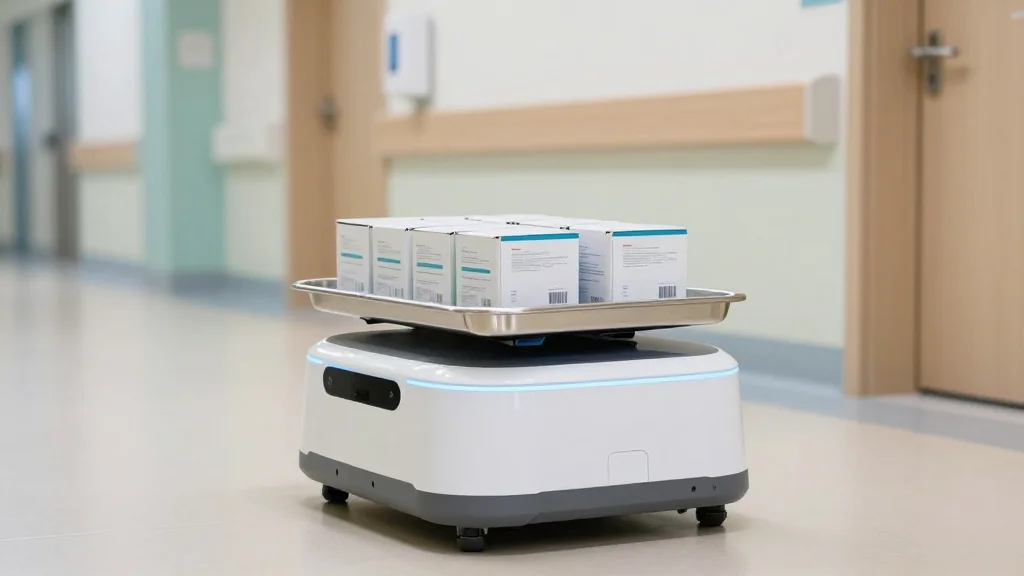
GMEX Robotics Advances Autonomous Hospital Logistics Platform to Enhance Safety, Efficiency and Operational Workflow
GMEX Robotics announced an upgraded autonomous Hospital Logistics Robot designed to improve durability, ergonomics and safety in high‑traffic medical settings. The new chassis resists impacts while the delivery height is optimized to prevent staff from bending to retrieve supplies. Integrated...
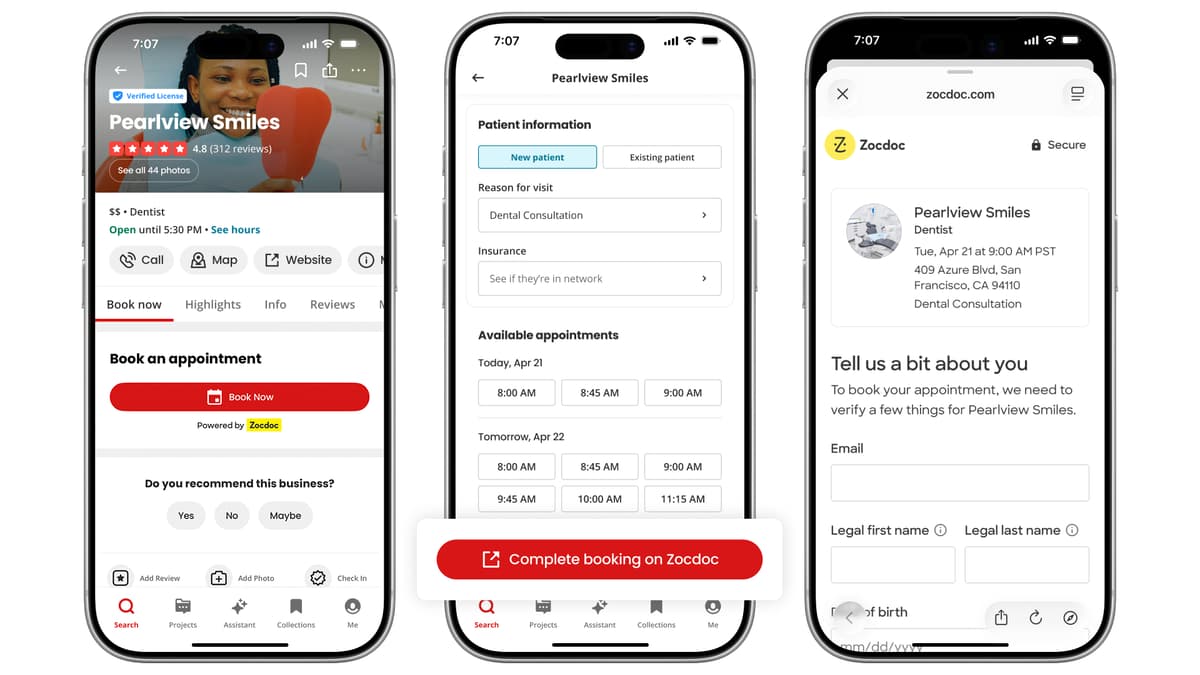
Yelp Partners with Zocdoc to Launch Real-Time Healthcare Appointment Booking
Yelp has teamed up with Zocdoc to embed real‑time medical appointment booking directly into doctor business pages on its iOS app, leveraging Zocdoc’s scheduling engine and the new AI‑driven Yelp Assistant chatbot. The feature displays in‑network availability and lets patients...
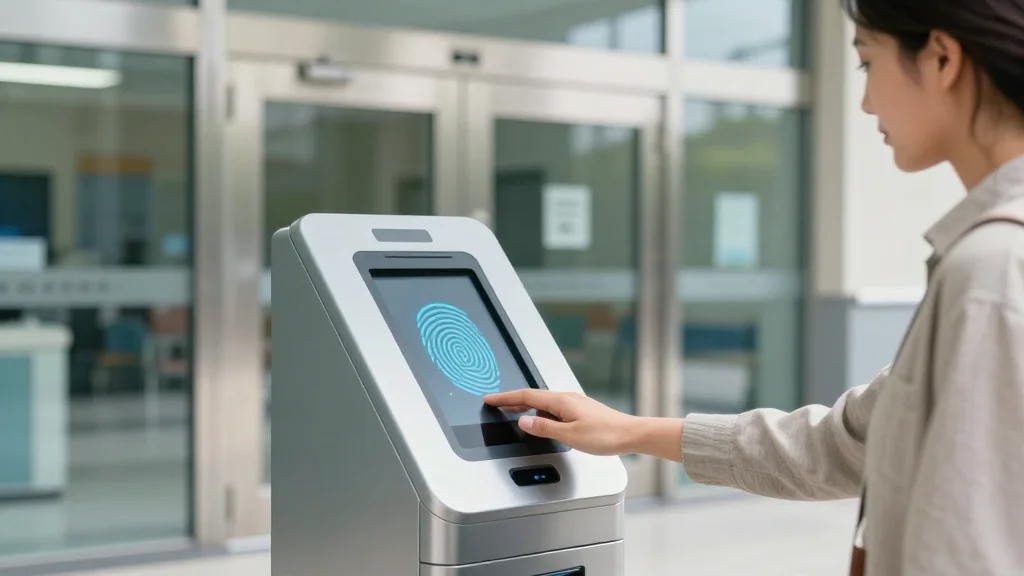
Frictionless Access Is Healthcare’s Next Front Door
Mount Sinai is overhauling its patient‑front‑door by integrating CLEAR’s digital identity platform, giving patients and staff an optional, fast‑track check‑in experience. The hospital used focus groups to shape a solution that blends digital convenience with traditional registration for those who...

ECRI Spins Off Supply Tech Company
ECRI has spun off its healthcare spend and recall management unit into a new independent company called Staritas. Staritas will deliver data‑driven supply chain intelligence, leveraging AI and real‑time analytics used by nearly 90% of top U.S. hospitals and providers...

Amazon One Medical Launches Nationwide GLP-1 Management Program Integrated with Primary Care
Amazon One Medical has launched a nationwide GLP‑1 obesity management program that embeds weight‑loss drugs within a full primary‑care model. The service, linked to Amazon Pharmacy, offers insurance‑backed pricing as low as $25 a month and cash‑pay options starting at...

New Patient Chatbot Tackles AI's Failing Triage Accuracy
Japanese startup Ubie launched Ubie Consult, a free AI‑driven chatbot that guides patients on whether to self‑manage or seek professional care. Built on a large language model trained with peer‑reviewed medical literature and clinical guidelines, the tool flags high‑risk symptoms like...

Creating Smart Hospital Rooms with Computer Vision
Artisight is deploying computer‑vision technology to turn hospital rooms into smart, sensor‑rich environments. The system continuously watches patient movement and vital signs, instantly alerting nurses to falls, wandering or medication mismatches. Early pilots show a 30% faster response to critical...

How Computer Vision Fits Into a Smart Hospital Room
Artisight’s Chief Nursing Officer Karie Ryan outlined the company’s ambient intelligence platform that fuses audio, video, sensor data and computer‑vision algorithms into a single smart hospital room. The solution continuously monitors patients and staff, automatically detecting safety risks such as...
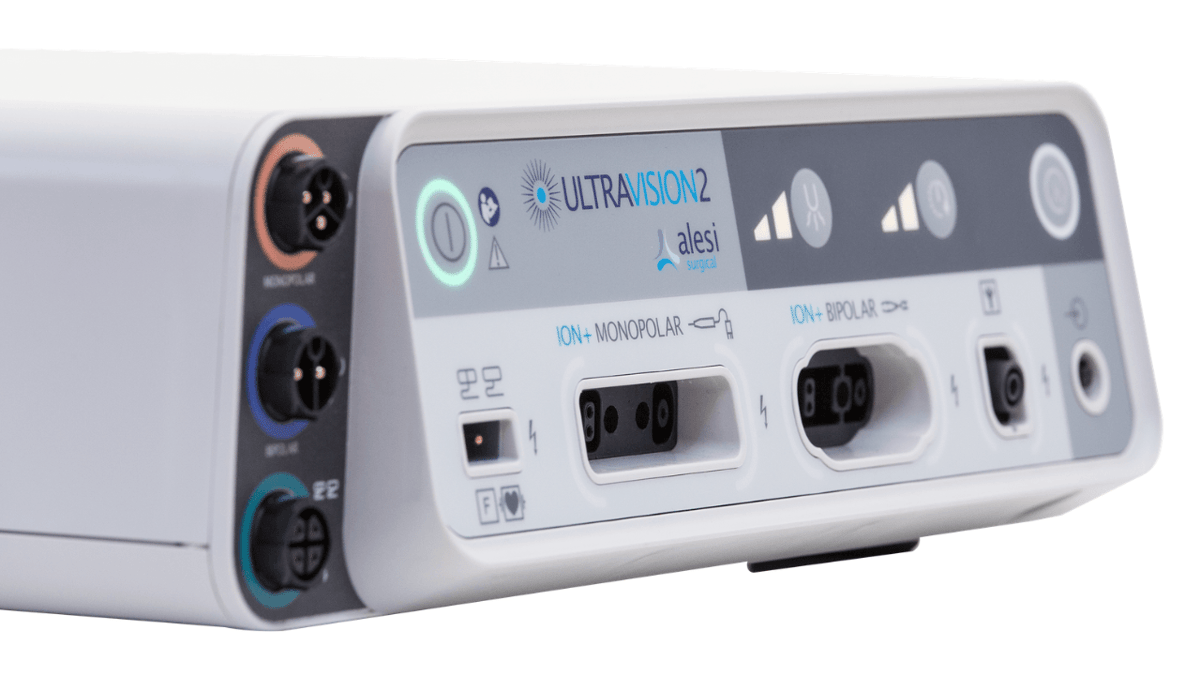
Alesi Surgical Raises £7M to Clear the Air in Operating Theatres with Next-Gen Smoke Management Tech
Alesi Surgical announced a £7 million ($9 million) funding round led by IW Capital to accelerate its Ultravision smoke‑management platform. The technology uses electrostatic precipitation to clear surgical smoke up to 225‑times faster than conventional suction, already deployed in over 50,000 minimally...

Med-Tech Tourism Startup CureMeAbroad Raises Pre-Seed Round
CureMeAbroad, an AI‑first medical‑tourism discovery platform, closed a $600 K pre‑seed round backed by five angel investors. The funding will accelerate development of its AI cost estimator, clinical‑matching models, and a multilingual patient‑intelligence layer. The startup already hosts a directory of...

Where Utah’s Experiment with AI Doctors Is Headed Next
Utah has launched a regulatory sandbox that lets AI-driven health platforms prescribe medications under physician oversight, a move that bypasses typical federal restrictions. The state allocated roughly $5 million to attract startups such as Babylon Health and AIMD for pilot programs...
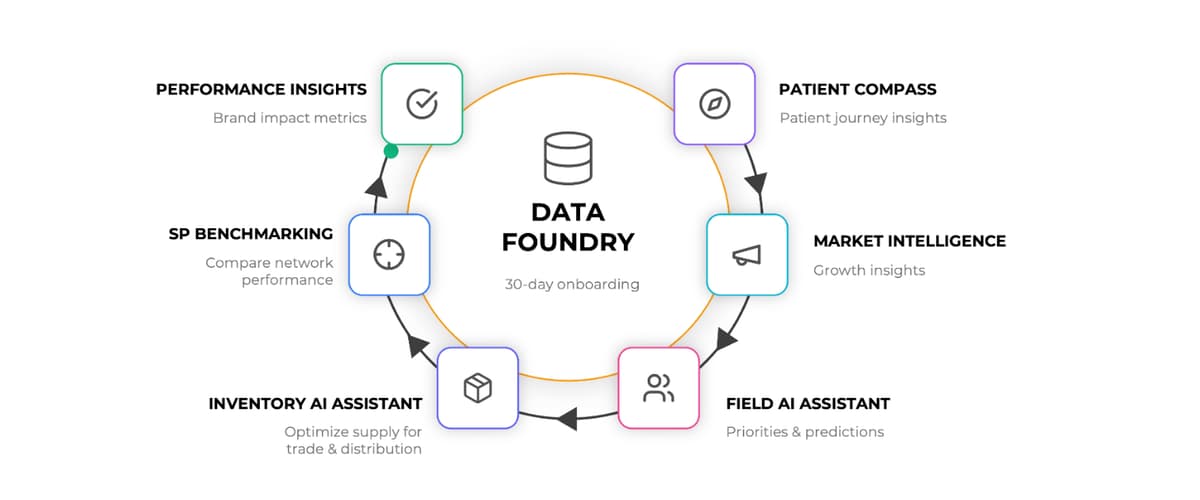
ConcertAI Launches Cadence Suite to Accelerate Patient Access to Life-Changing Therapies
ConcertAI has launched Cadence Suite, an AI-native platform for pharma commercial and field teams to proactively identify and resolve patient access barriers. The suite unifies specialty pharmacy, claims, and social determinants of health data into a single view, enabling real‑time...

From Access to Engagement: Reimagining the Consumer Experience in Behavioral Health
Behavioral health providers have expanded access through telehealth, portals, and peer services, yet consumer engagement remains weak. Recent surveys of providers and patients reveal that cumbersome intake processes and limited post‑visit interaction cause drop‑off during the critical early weeks of...

Transforming Crisis Response: Direct EMS Radio Access for Peer Support Teams in Marion County
Marion County, Florida, has embedded peer support specialists directly into the EMS radio system, allowing real‑time dispatch alongside fire and ambulance crews. The change lets behavioral‑health professionals engage individuals at the moment of overdose or crisis, rather than after hospital...

EMI Filter for High-Field MRI Systems and Sensitive Imaging Processes From EMIS
EMIS has launched the MF420-2CF-M MRI filter, a specialized EMI/RFI filter for high‑field MRI suites. The filter delivers attenuation up to 10 GHz, protecting power and data lines entering shielded rooms. Its design features threaded conduit connections, a discharge bleeder resistor,...

Medicare: CMS’s Use of Data Analytics to Identify and Prevent Fraud
The Centers for Medicare & Medicaid Services (CMS) is leveraging data analytics to detect and stop Medicare fraud, focusing on anomalous billing patterns and spikes. Using these tools, CMS suspended payments and revoked enrollment for 15 providers tied to a...

PSMA PET and the Evolving Imaging Landscape in Prostate Cancer
In the 2026 prostate cancer guidelines, PSMA‑PET is elevated to an indispensable imaging tool, expanding beyond initial staging of unfavorable intermediate‑risk and higher‑risk disease to cover biochemical recurrence, including second recurrences. The modality now informs decisions on oligometastatic identification for...

Work Stress or Late-Night Overthinking? 10 AI-Powered Apps to Boost Mental Health
AI‑powered mental‑health apps are emerging as affordable, 24/7 alternatives to traditional therapy, especially for younger users facing stigma and cost barriers. The article highlights ten platforms, from culturally tuned Indian apps like Wysa to research‑backed tools such as Woebot, each...

Dr-Julian to Provide Online Mental Health Platform for North East and North Cumbria
Dr-Julian has secured funding from the NHS North East and North Cumbria Integrated Care Board to launch a 24/7 online mental health platform. The initiative is part of the region’s £19 million (≈$24 million) WorkWell programme aimed at reducing unemployment caused by...

Avricore Health Achieves Milestones and Outlines UK Expansion Roadmap for HealthTab™ Platform
Avricore Health announced that its HealthTab point‑of‑care platform screened over 3,500 patients in community pharmacies across North East and North Central London, completing 2,295 HbA1c tests at 57 locations in a single month. The company unveiled "The Path Forward" roadmap,...

Turn Off Your Sleep Tracker
The essay critiques the wellness boom around sleep trackers, highlighting how they can foster orthosomnia—anxiety over achieving perfect sleep—and often provide inaccurate data. It argues for viewing personality as fluid traits rather than fixed types, which eases self‑criticism and improves...

New Blood Test Aims to Spot Liver Scarring Before It Paves the Way to Cancer
Researchers at Johns Hopkins have developed a blood test that analyzes cell‑free DNA fragments with a machine‑learning model to identify early‑stage liver fibrosis, a reversible precursor to cirrhosis and liver cancer. In a study of 423 participants, the assay detected...

AI Could Help NHS Clinicians Diagnose Childhood Sleep Apnoea, Study Finds
Seluna, a Glasgow‑based health‑tech firm, piloted its cloud‑based AI autoscoring software on 500 retrospective paediatric sleep studies from NHS Greater Glasgow and Clyde. The algorithm flagged severe sleep apnoea with 100% accuracy, while mild and moderate cases were identified with...

Continuous AI Biometric Identification: Why Manual Patient Verification Is Not Enough!
Patient misidentification remains a pervasive safety and cost issue in U.S. healthcare, with up to 12% of electronic health records duplicated and clinicians reporting frequent errors. Traditional wristband and verbal checks are prone to human error, prompting a shift toward...

How Motor Architecture Shapes Surgical Hand Tool Performance
Portescap’s new white paper highlights motor architecture as a pivotal early‑stage decision for surgical hand‑tool design. It breaks down four core architectures—slotted, slotless, brushless DC and core‑less brushed—showing how each influences torque density, vibration, speed range and thermal management. The...
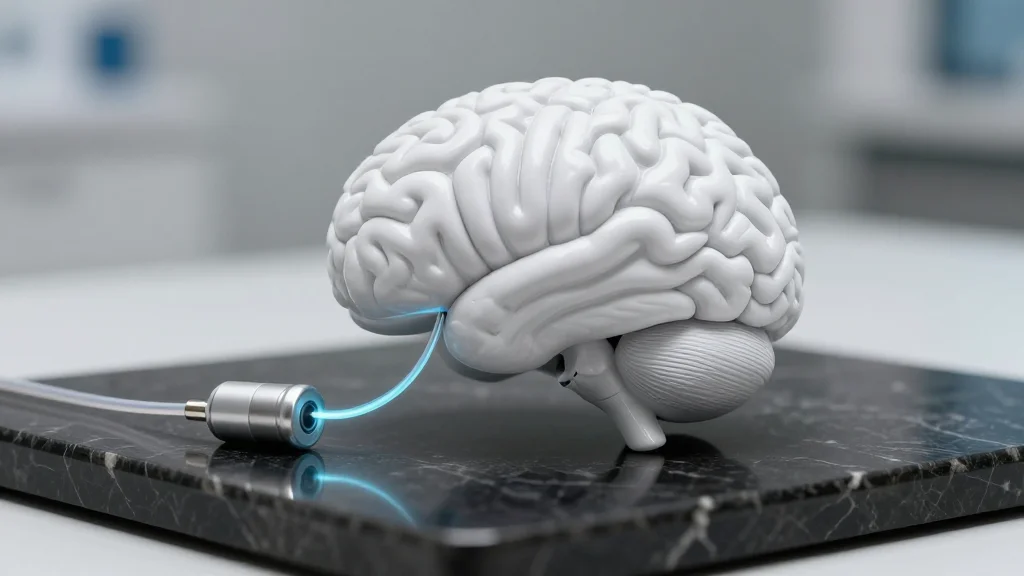
Investors Sound Off on BCI Hype, Regulatory Risk, and the AI Gold Rush
At the 2026 Bioelectronic Medicine Forum, investors highlighted regulatory uncertainty, reimbursement clarity, and the need for translational funding as critical hurdles for brain‑computer interface (BCI) startups. Panelists warned that founders who market their technology as a platform before validating a...

AI Companions Developed for Lonely Students in Australia
Researchers at the University of New South Wales have built two prototype AI companions, Tom and Mia, to help university students cope with loneliness. The chatbots, designed in English and Mandarin, were co‑created with Chinese student input and incorporate safeguards...

Skin-Conforming Electrodes Improve Comfort in Long-Term Heart Monitoring
Researchers at NC State and UNC have created a skin‑conforming, gel‑free polymer electrode for ECG monitoring. The device incorporates a conductive polymer and surfactant into a POMaC elastomer, delivering adhesive, comfortable wear while matching the signal quality of commercial patches....

Marshall: Behavioral Health Providers Should Use One EMR, Dashboard
Sen. Roger Marshall (R‑KS) is urging Congress to mandate that all behavioral health providers adopt a single electronic medical record (EMR) system and a unified mental‑health dashboard. The proposal would tie compliance to federal funding, imposing penalties on providers that...

Smartphone Video Enhances Parkinson’s DBS Programming
Researchers have introduced StimVision, a smartphone‑based system that records video of Parkinson’s patients performing motor tasks and converts the footage into quantitative kinematic data for deep brain stimulation (DBS) programming. The platform’s computer‑vision and machine‑learning algorithms generate metrics that align...

Lab-Grown Mini Brain Models Offer New Hope for Diagnosing and Treating Alzheimer’s Disease
Johns Hopkins researchers created patient‑derived hindbrain organoids that faithfully reproduce Alzheimer’s molecular hallmarks. Using these mini‑brains, they tested the SSRI escitalopram, uncovering strikingly different serotonin‑signaling responses across individual organoids. Proteomic analysis of extracellular vesicles revealed disease‑related proteins that shifted with...

The ROI of Beating Cancer
A small early‑stage trial showed that a personalized mRNA vaccine triggered an immune response and extended survival for pancreatic cancer patients, a disease that kills over 90% within five years. Economists estimate that between 1988 and 2000, cancer detection and...

A Protein Engineering Method May Lead to More Exact Cancer Treatments
Researchers at the University of Texas at Dallas unveiled ProSSpeC, a machine‑learning model that predicts protease substrate specificity by mining evolutionary data from thousands of related enzymes. The model identified engineered synthetic proteases that outperformed the commonly used tobacco etch...

Synthetic Biology and Tissue Engineering Grow Liver Tissue In‑Body
Researchers at the Wyss Institute, Boston University and MIT have created a synthetic‑biology platform called BOOST that triggers growth of tiny engineered liver constructs after implantation. By rewiring hepatocytes and fibroblasts with a doxycycline‑controlled YAP protein and four growth‑factor genes,...