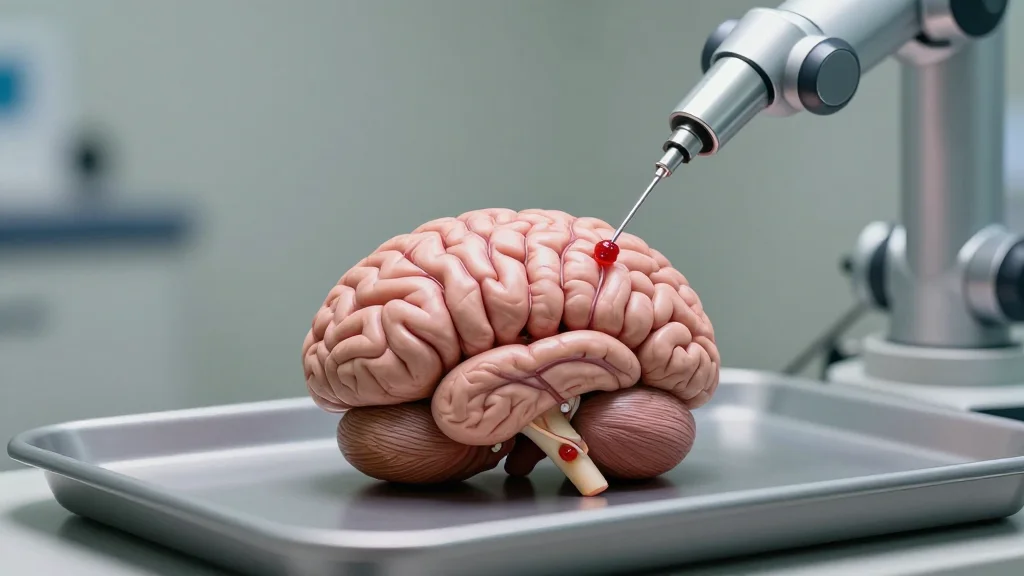
First International Consensus on How to Design, Test and Evaluate Robotic Systems for Stroke Treatment
A new position statement published in the Journal of the American Heart Association establishes the first international consensus on designing, testing, and evaluating robotic systems for mechanical thrombectomy (MT) in stroke care. The framework, created by a multidisciplinary panel of clinicians, engineers, data scientists, health economists, and patient advocates, sets uniform safety and performance metrics. It aims to standardize research, enable remote robotic MT, and accelerate the transition from lab prototypes to clinical trials. Early adoption is already evident, with a UK team demonstrating AI‑driven autonomous MT navigation in a physical lab setting.

I Finally Found an AI Health Coach Worth Listening To
Whoop’s latest MG band bundles an AI health coach that moves beyond generic tips, offering real‑time, personalized guidance based on continuous biometric data. The coach proactively suggests workout adjustments, sleep windows, and recovery limits, even flagging hormonal changes and peak‑heart‑rate...
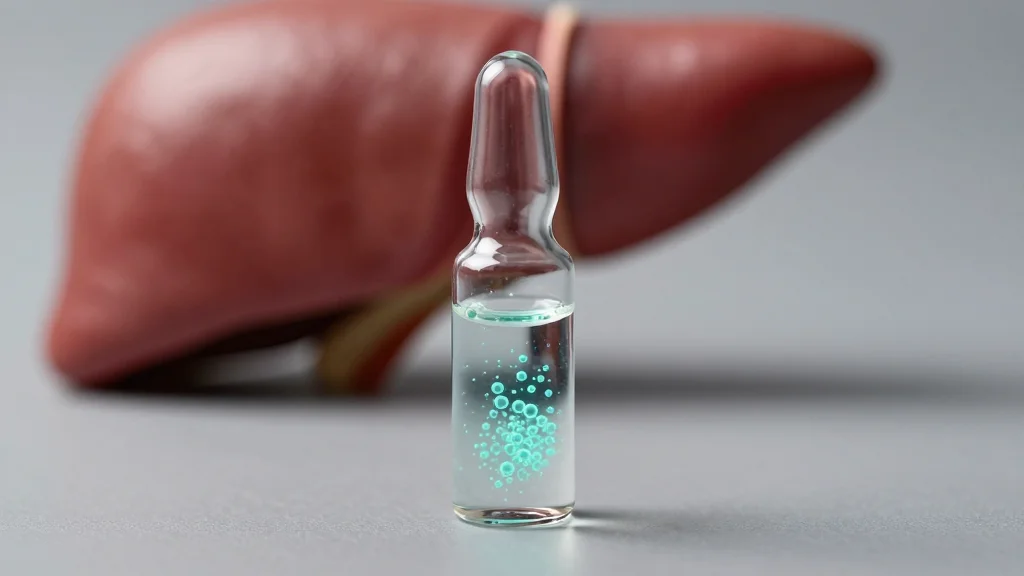
How Nanomedicine Gets Inside Your Cells and Treats You From the Inside Out
Nanomedicine is moving from concept to clinic as researchers use lipid‑nanoparticle carriers to deliver synthetic mRNA and siRNA directly into patient cells. The approach lets liver cells produce missing proteins such as factor VIII for hemophilia A, while silencing harmful proteins like...

Indonesia: Advancing an AI-Driven Shift To Preventive Healthcare
Indonesia is accelerating an AI‑driven shift toward preventive healthcare, focusing on laboratory diagnostics as the backbone of early detection. Deputy Health Minister Dante Saksono Harbuwono highlighted AI’s role in enhancing lab efficiency while stressing that clinical judgment remains essential. The...

Mammary Organoid Depot Enables Post-Surgery Chemo, Regeneration
Researchers have created a mammary organoid‑based depot that delivers a pH‑responsive doxorubicin prodrug directly to the surgical site while simultaneously regenerating breast tissue. The engineered organoids mimic lactation, loading drug‑laden lipid droplets into milk‑fat globules that are secreted locally, achieving...

Boston Health AI Secures Its US Footprint Through Implementation with Avicenna Clinics
Boston Health AI launched its Clinical Intelligence Companion, Hami, at Avicenna Clinics in Houston after a three‑month live deployment. The AI platform now supports patient intake in English, Spanish, Urdu and Arabic, handling histories, documentation, decision‑making and coding. Early patient...

Tech Bills of the Week: Improving Maternal Health; Expanding Access for Disabled Americans; and More
Congress introduced a suite of bipartisan tech‑focused bills this week, ranging from the Tech to Save Moms Act, which expands telehealth and training for maternal health in underserved areas, to an updated 21st Century Communications and Video Accessibility Act that...
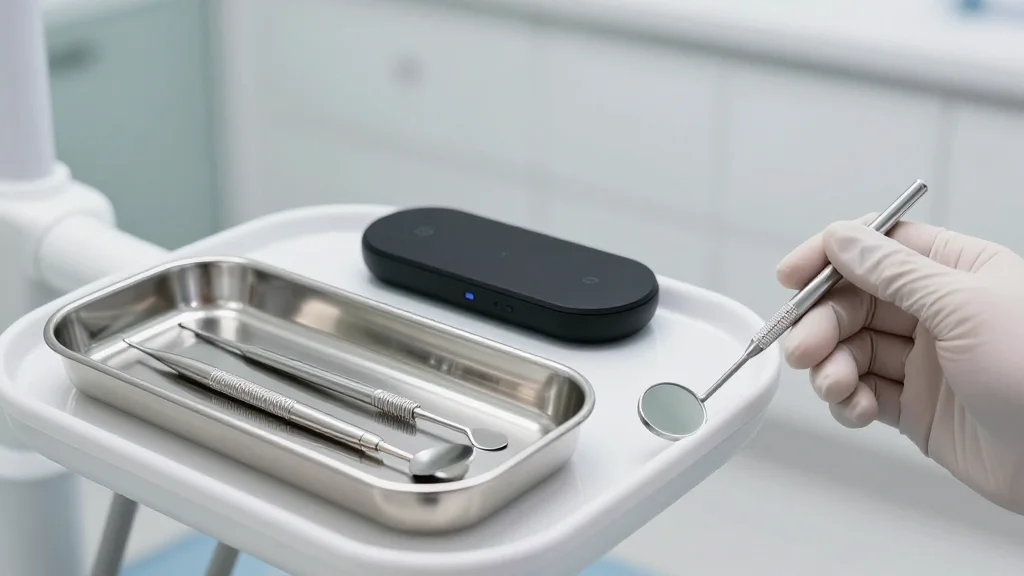
My Mountain Mover Expands Into Dental with Virtual Assistants Built for Practice Operations
My Mountain Mover, a leading provider of medical virtual assistants, announced its entry into the dental market with a suite of virtual assistants trained for dental practice operations. The new offering covers reception, scheduling, billing and insurance, and practice‑management‑system simulations,...

Keep Operations Running During EHR Downtime
Healthcare providers now treat electronic health record (EHR) downtime as a recurring operational reality rather than a rare glitch. As core clinical and administrative workflows migrate to digital platforms, manual fallback procedures no longer sustain the speed or accuracy required....
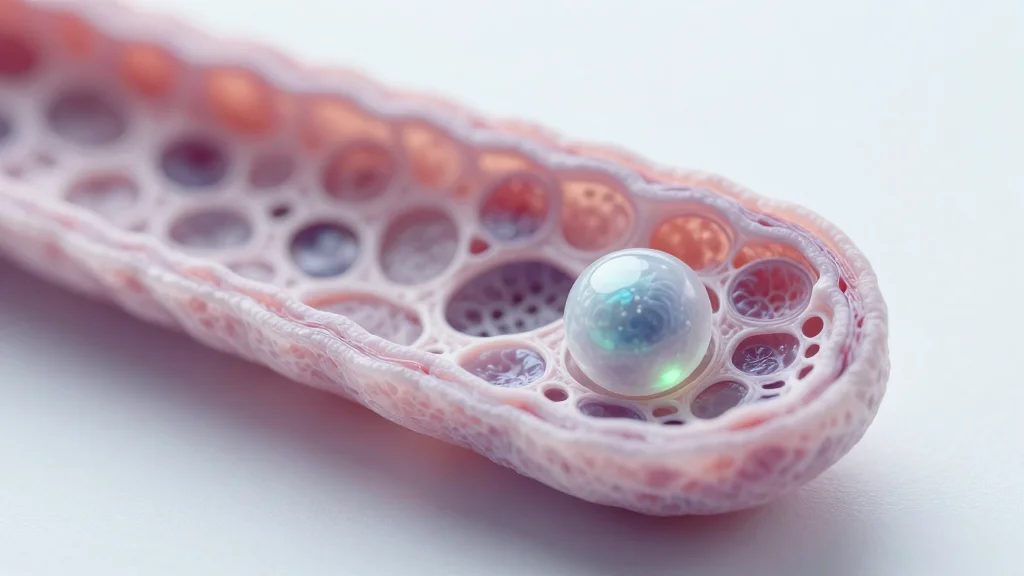
Nanobody Repairs Misfolded CFTR Inside Cells, Boosting Function in Cystic Fibrosis
Researchers at Charité‑Berlin and the Leibniz FMP have engineered a cell‑penetrating nanobody that binds the F508del mutant CFTR inside lung cells, restoring proper folding and chloride transport. In vitro, the nanobody remained bound for at least 24 hours and rescued channel...

Personalized Bioelectrodes Improve Brain Signal Monitoring and Compatibility
Penn State researchers have created 3D‑printed hydrogel bioelectrodes that are customized to an individual’s brain geometry using MRI‑derived models. The honeycomb‑inspired, stretchable design conforms to cortical gyri and sulci far better than conventional stiff, one‑size‑fits‑all probes, delivering higher‑quality electrical signals....

Hc1® CEO, Bradley Bostic Recognized as a 2026 Notable Leader in Health Care for Driving AI-Powered Health System Transformation
hc1® founder, chairman and CEO Bradley Bostic has been added to Crain’s Chicago Business Notable Leaders in Health Care 2026. The honor spotlights his work using AI‑driven lab data intelligence to lower costs, eliminate waste, and boost efficiency in large...
GE HealthCare, RadNet Expand AI Mammography Collaboration
GE HealthCare is widening its AI mammography partnership with RadNet subsidiary DeepHealth, adding more artificial‑intelligence tools to its Pristina Via system. The expanded pact introduces features such as cancer detection, automated density assessment, and lesion localization, plus an optional secondary‑review...

HIMSSCast: Expanding Behavioral Healthcare in the Tech Age
NeuroFlow’s chief operating officer Robert Capobianco highlighted the company’s behavioral health infrastructure platform as a technology‑driven solution to close the mental‑health access gap. He emphasized that digital tools can identify undiagnosed patients, deliver care beyond traditional settings, and support data‑driven...

AI Needs a Reality Check
AI firms are flooding the healthcare market with bold claims, yet none have delivered an approved treatment. The reality check is stark: a Phase 3 trial costs roughly $2 billion and spans a decade, making quick wins unlikely. Owkin’s CEO Thomas Clozel...

Ransomware Attack Continues to Disrupt Healthcare in London Nearly Two Years Later
In June 2024 a Qilin‑linked ransomware attack on Synnovis crippled blood‑testing services across South East London, forcing hospitals to cancel surgeries and postpone thousands of appointments. More than 18 months later South London and Maudsley NHS Foundation Trust (SLaM) still...

AI Restores Voices Through Microscopic Neck Movements
Researchers at POSTECH have unveiled a soft multiaxial strain‑mapping sensor that reads microscopic neck movements to reconstruct speech in real time. The wearable device pairs a miniature camera with AI algorithms to translate subvocal muscle activity into the user’s own...
UCI Health Names Chief AI Officer
Deepti Pandita, MD, has been appointed chief medical informatics and AI officer at UCI Health in Orange, California. Pandita, who joined the system in 2023 as vice president of clinical informatics and chief medical information officer, will now oversee the...

ARPA‑H’s ‘1 Cure’ Program Bets Smarter Design Can Expand Cancer Care to More People, Faster
ARPA‑H has launched the 1‑Cure program to create a universal radiotherapy platform that, together with smart biomaterials and AI‑driven treatment planning, can treat dozens of cancer types with a single, low‑cost approach. The technology aims to expose tumors to the...

California’s Rural Health Transformation Plan, Focus on Workforce and Telehealth Expansion
California’s Rural Health Transformation Program (CalRHT) has been awarded roughly $233.6 million for fiscal year 2026, part of a $50 billion federal initiative to overhaul rural health care. The state’s three‑pillar plan targets hub‑and‑spoke care networks, workforce development, and a digital‑health overhaul...
AI for Mental Health Monitoring Shows Promise but Faces Bias and Privacy Barriers, Umbrella Review Finds
An umbrella review of 29 systematic studies finds AI tools can detect depression, anxiety and suicidal risk with 78%‑92% diagnostic accuracy, and multimodal systems surpass 89%. The analysis highlights AI’s promise for early detection, real‑time monitoring and expanding care to...

Medicine's Next Leap: Delivering Gene Therapies Exactly Where They're Needed
Researchers at the University of Ottawa have shown that small extracellular vesicles (sEVs) can be selected based on their cell of origin to deliver siRNA therapeutics precisely to kidneys and the brain. In mouse models of chronic kidney disease, sEV‑mediated...
Scientists Find Unexpected Immune Pathways for mRNA Cancer Vaccines
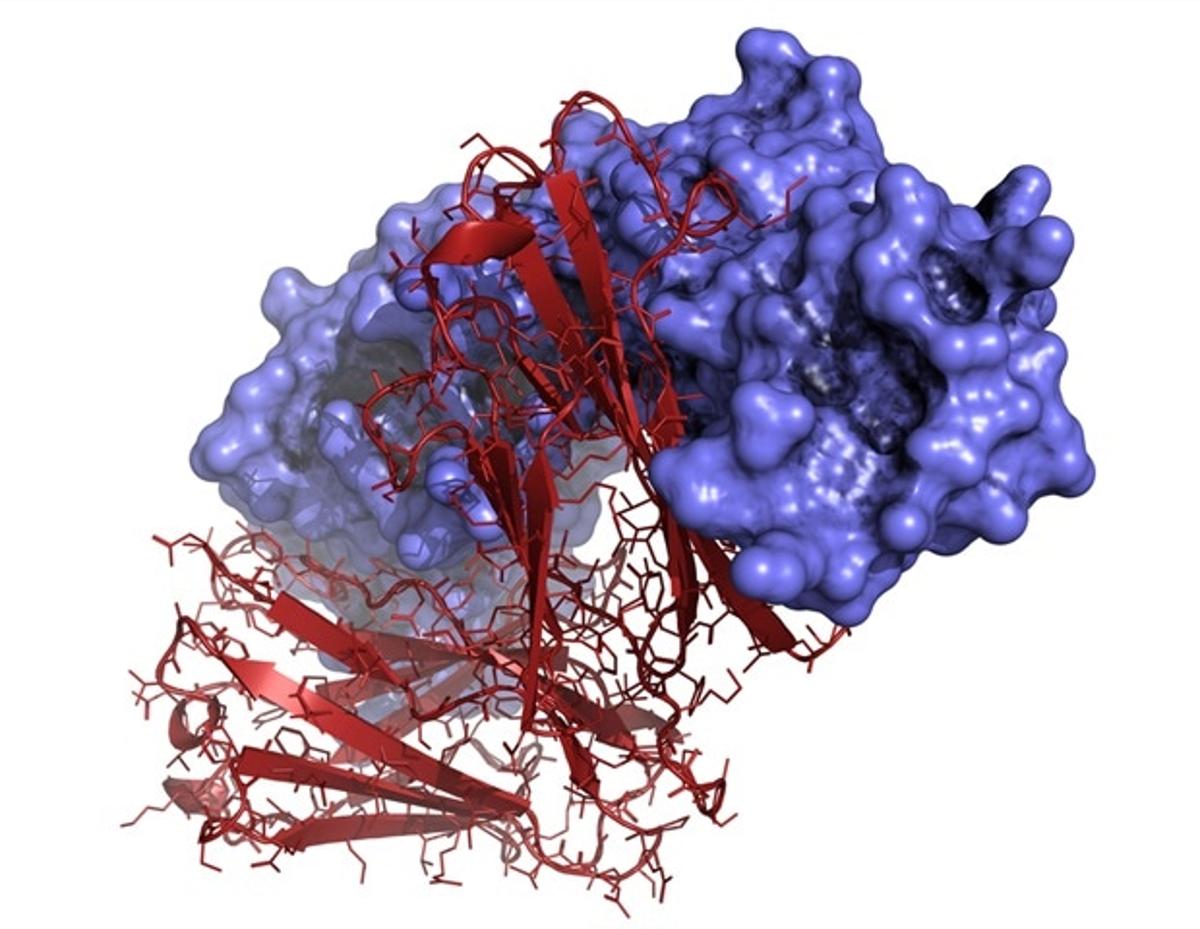
Scientists at Washington University demonstrated that mRNA cancer vaccines can elicit potent anti‑tumor T‑cell responses even when the classic cDC1 dendritic cell subset is absent. Using mouse models lacking cDC1, cDC2, or both, they showed that cDC2 cells also prime...

How Patients Are Using AI to Find Healthcare Providers in 2026
Patients are now starting their care journey by asking AI models, not search engines. Recent surveys show roughly one‑quarter of U.S. adults used a health‑focused chatbot in the past 30 days, and 14% skipped a doctor visit after AI advice—about...

UMC El Paso Cuts ED Boarding by Half with Dashboards
University Medical Center of El Paso deployed real‑time TeleTracking dashboards to overhaul patient‑flow management. By embedding daily discharge and length‑of‑stay metrics into leadership and frontline workflows, the hospital shifted from retrospective reporting to proactive decision‑making. The initiative drove inpatient length...

Commonwealth Growth Strategies for UK and European HealthTech Companies
The Commonwealth Growth Strategy 2026 creates a unified policy framework that pushes digital health infrastructure across the UK, Europe and Commonwealth markets such as Canada, Australia, New Zealand and South Africa. In the UK, the NHS 10‑Year Health Plan and mandatory value‑based procurement force...

HIMSS Advocates for Consistent Nationwide AI Regulation
HIMSS is urging the U.S. government to adopt a single set of AI guardrails that ensure safety and trust across the healthcare sector. The organization’s public‑policy principles, outlined by Jonathan French, call for nationwide standards to eliminate a patchwork of...

Could Alzheimer’s Begin in the Nerves, Not the Brain?
University of Central Florida researchers used a human‑on‑a‑chip neuromuscular‑junction model to show that familial Alzheimer’s mutations can impair peripheral nerves and muscle connections independent of the brain. The study demonstrates that balance and gait problems in Alzheimer’s may originate in...

How Technology Is Helping Healthcare Teams Spend Less Time on Non-Clinical Tasks
Healthcare providers are increasingly turning to technology to offload non‑clinical tasks that drain clinician time. Remote billing specialists, AI‑driven scribing, automated scheduling and website chatbots are among the tools gaining traction. These solutions promise to reduce documentation errors, cut call...

TRACERx MRD Results Showcase ppmSeq’s Ultra-Sensitive ctDNA Detection at AACR
Ultima Genomics unveiled ultra‑sensitive ctDNA detection using its ppmSeq platform at AACR, presenting six abstracts including a plenary on TRACERx MRD data. A pilot of 50 plasma samples demonstrated analytical sensitivity at low single‑digit parts‑per‑million, while independent studies showed >99.9%...

Hospices’ Top Questions About AI
Hospice providers are rapidly adopting AI to streamline operations and support clinical decisions, with 36% naming predictive analytics as their top technology investment for 2026. The rollout spans functions from scheduling and documentation to medication management and family communication. However,...
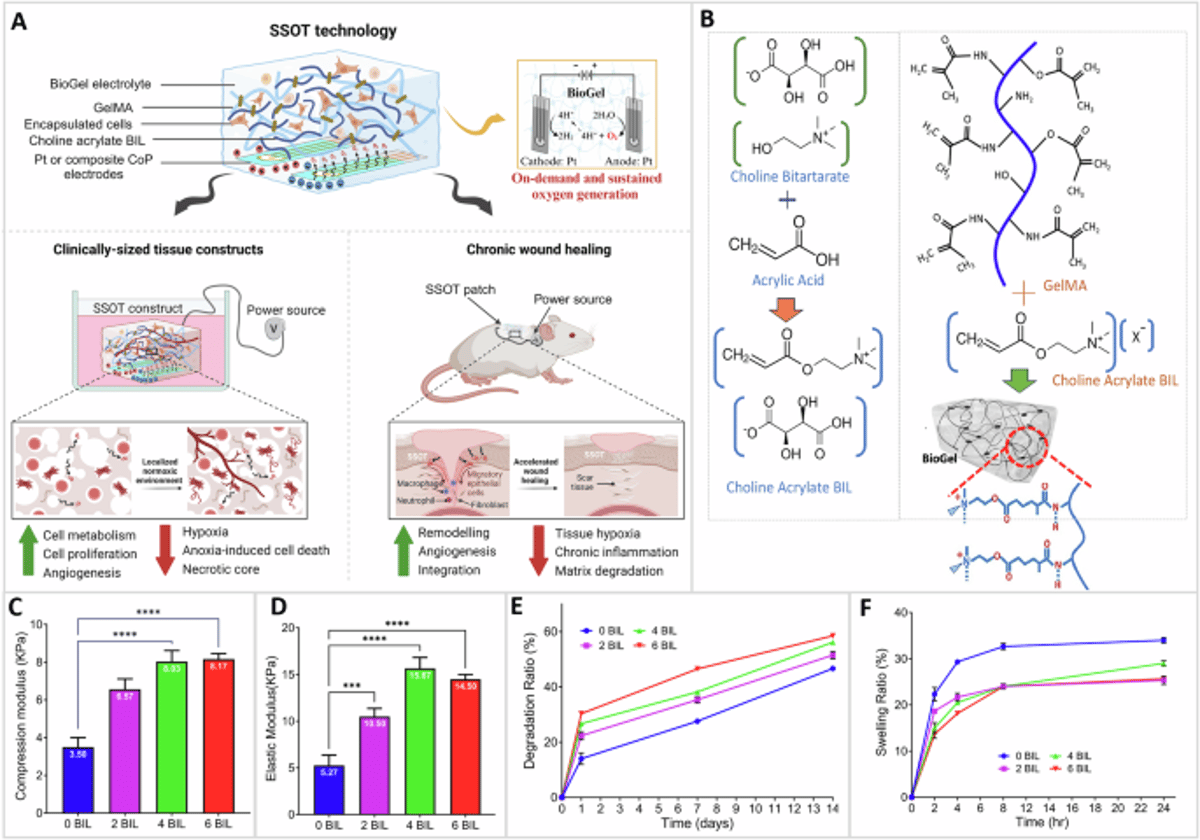
New Bioengineered Patch Makes Its Own Oxygen to Heal Wounds and Grow Tissue
Researchers at UC Riverside and Rowan University unveiled a self‑oxygenating tissue patch, the Smart Self‑Oxygenating Tissue (SSOT) system, that creates oxygen on‑demand via low‑voltage electrolysis in a conductive hydrogel called BioGel. The BioGel incorporates a choline‑based ionic liquid, boosting stiffness...
Helsinki’s Algorithmiq Wins €1.7 Million Prize for Quantum-Enabled Light-Sensitive Cancer Drug Discovery
Algorithmiq, a Helsinki‑based quantum software firm, secured the €1.7 million ($2 million) Wellcome Leap prize for demonstrating a practical quantum advantage in drug discovery. The team built an end‑to‑end quantum‑classical workflow that ran on up to 100 qubits to simulate a photosensitiser...

This New Test Could Be a Breakthrough in UTI Treatment
Researchers evaluated an experimental rapid susceptibility test, RMD AST, on 352 urine samples and found it matched standard laboratory cultures 96.95% of the time. The assay delivers results in six hours, a dramatic cut from the typical 48‑72‑hour culture period. Faster,...

This Sam Altman-Backed $1.8 Billion Startup Bets AI Can Get Drugs Through Clinical Trials Faster
Formation Bio, backed by Sam Altman and top VCs, has raised $615 million at a $1.8 billion valuation to use AI for faster, cheaper clinical trials. The New York‑based firm plans to acquire a portfolio of about ten early‑stage drug candidates, many stalled...
Labcorp and CHOP Launch Pediatric Diagnostics Partnership to Expand Advanced Testing and Drive Clinical Lab Growth
Labcorp and the Children’s Hospital of Philadelphia (CHOP) have formed a strategic partnership to accelerate development and commercialization of pediatric‑specific diagnostics. The collaboration will combine CHOP’s research expertise with Labcorp’s nationwide testing network to bring new molecular and genetic assays...
The Innovators Working to Make in Vivo Cell Therapy a Reality
First‑in‑human trials of in‑vivo CAR‑T therapies are now underway, delivering therapeutic genes directly inside patients via viral or lipid‑nanoparticle vectors. Big‑pharma interest is evident after AstraZeneca’s $1 bn purchase of EsoBiotec and Eli Lilly’s $2.4 bn acquisition of Orna Therapeutics, despite limited clinical...
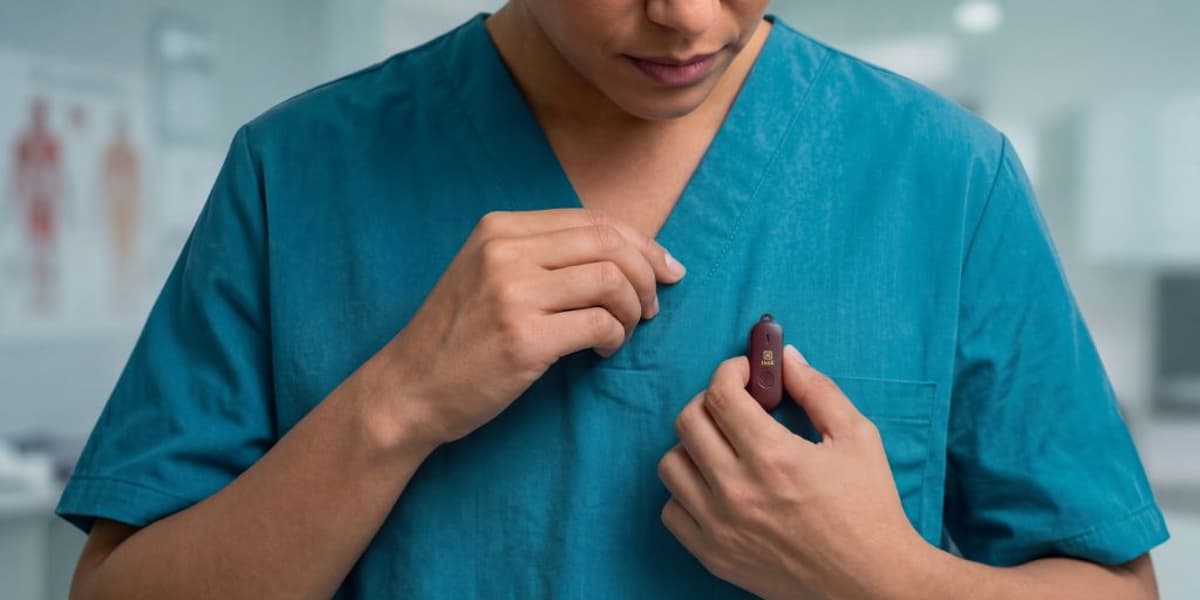
Heidi Launches First Hardware Designed For Reliable Audio Capture in Every Clinical Setting
UK‑based AI health platform Heidi has launched Heidi Remote, a purpose‑built wearable microphone for reliable audio capture in clinical settings. The device replaces phones and laptops, offering 14 hours of battery life, offline recording, and hospital‑grade durability to improve AI‑scribe transcription...

Doctolib, AP-HP, and Roche Launch Startup Programme to Bridge Healthtech–Clinical Gap
Doctolib, AP‑HP’s Hôtel‑Dieu, and Roche have launched Care Forward, a health‑tech accelerator housed at Station F. The program pairs Doctolib’s software know‑how, AP‑HP’s hospital network access, and Roche’s regulatory expertise to help European startups test and scale solutions that measurably...

The Rise of Virtual Therapy Platforms in Healthcare
Virtual therapy platforms have surged into mainstream healthcare, offering patients flexible, cost‑effective mental health care through video, audio, and text channels. The COVID‑19 pandemic accelerated adoption, normalizing remote sessions and prompting providers to integrate digital tools. Advances such as AI‑driven...

Automating Behavioral Health Utilization Review to Reduce Denials
A Johns Hopkins study found that 1 in 10 U.S. adults experienced a mental‑health crisis in 2025, underscoring soaring demand for behavioral health services. Most facilities still rely on manual utilization review (UR) using spreadsheets and shared inboxes, which creates...

£1m Longitude Prize Awarded to “Revolutionary” AI Smart Glasses Companion for People Living with Dementia
The Longitude Prize on Dementia awarded a £1 million (~$1.25 million) grand prize to CrossSense for its AI‑powered smart‑glasses companion, Wispy. The device uses computer‑vision and voice prompts to identify objects and guide early‑stage dementia patients through daily routines, learning each user’s...

NTU's AI Chip Detects Disease Biomarkers in 20 Minutes and More Briefs
Researchers at Singapore’s NTU unveiled an AI‑enabled nanophotonic chip that detects microRNA disease biomarkers in about 20 minutes, bypassing traditional PCR methods. South Korea’s Neurophet raised $21.6 million to expand its AI brain‑imaging platform for Alzheimer’s and other neuro‑conditions, targeting the...

Philips Receives US FDA 510(k) Clearance for AI-Powered Spectral CT Verida System
Philips has obtained FDA 510(k) clearance for its Verida spectral CT system, the world’s first AI‑powered detector‑based spectral CT platform. The system combines always‑on spectral imaging with deep‑learning reconstruction, delivering higher image quality, lower noise, and enhanced tissue characterization. It...
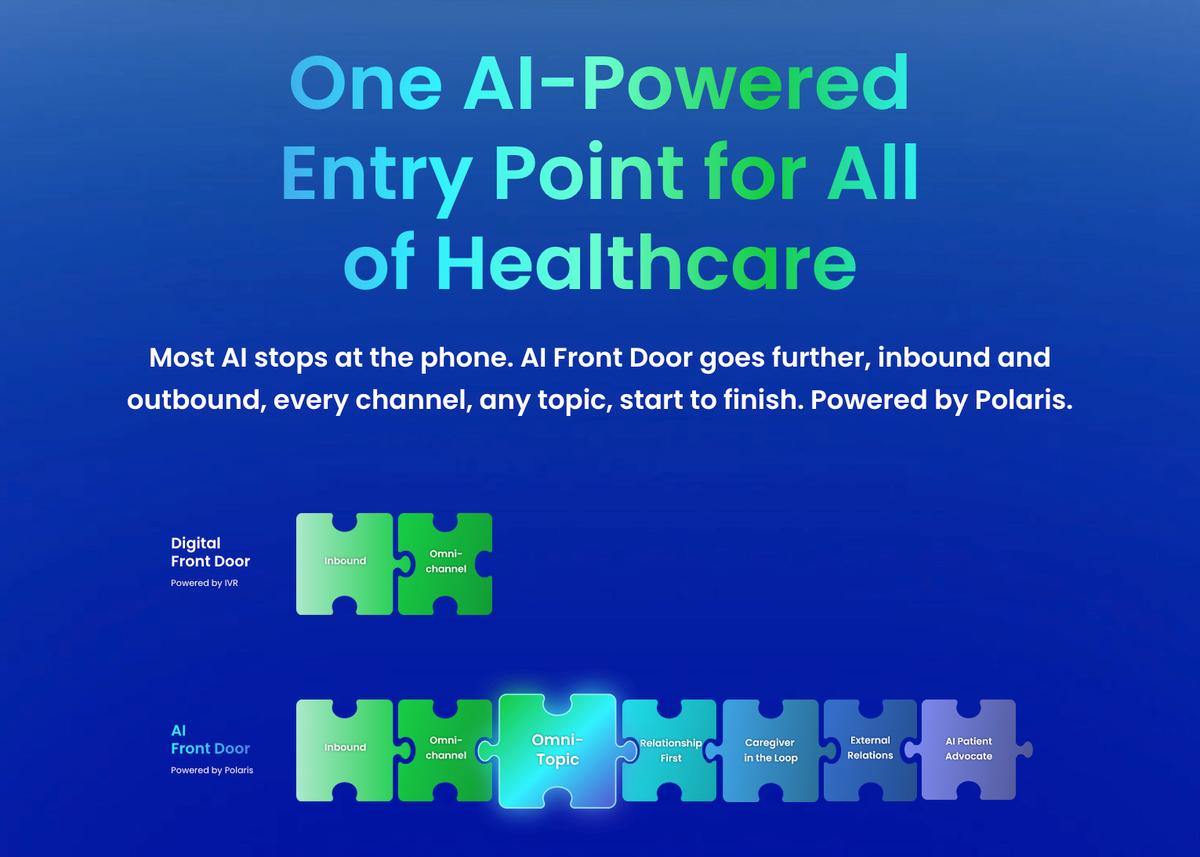
Hippocratic AI Launches Safety-First Voice AI for Patients and Nurses
Healthcare AI startup Hippocratic AI unveiled two voice‑driven solutions: AI Front Door, a patient‑facing omni‑topic agent, and Nurse Co‑Pilot, a bedside assistant for inpatient nurses. AI Front Door consolidates scheduling, lab results, billing and care follow‑ups into a single, relationship‑based...

'Self-Regulating' Wound Patch Developed in South Korea
Researchers at KAIST unveiled a self‑regulating wound‑healing patch that merges a 630‑nm organic LED with a ROS‑triggered drug delivery system. The OLED emits uniform light to stimulate cell regeneration while nanocarriers release Centella asiatica extract in proportion to the generated...
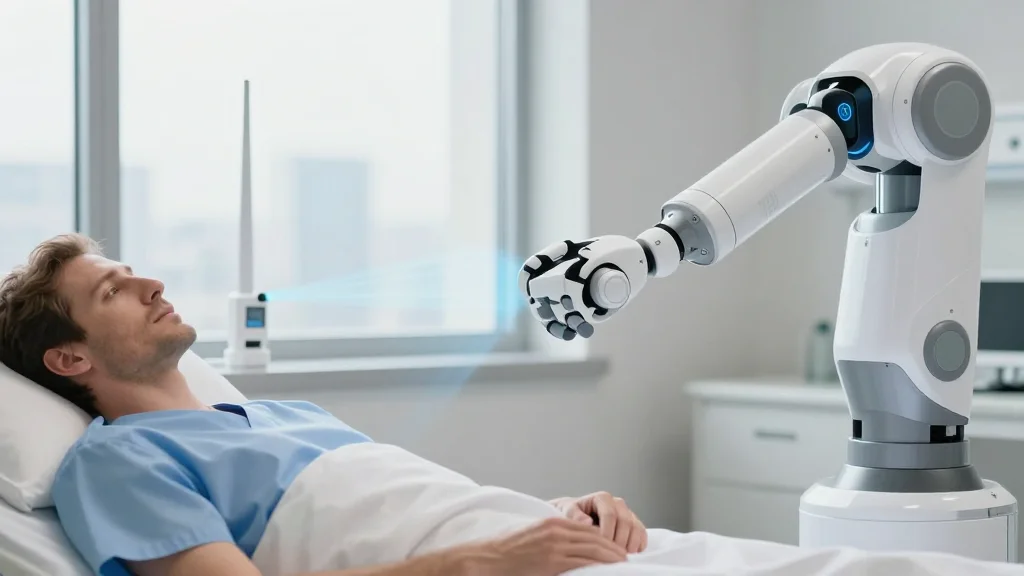
Establishing 5G Connectivity to Enable a Smart Regional Health System
Singapore’s National University Health System (NUHS) has signed a strategic agreement with GSMA Foundry to embed private 5G across its hospital cluster. The partnership will integrate 5G private networks with digital twins, XR, IoT and ambient AI to accelerate remote...
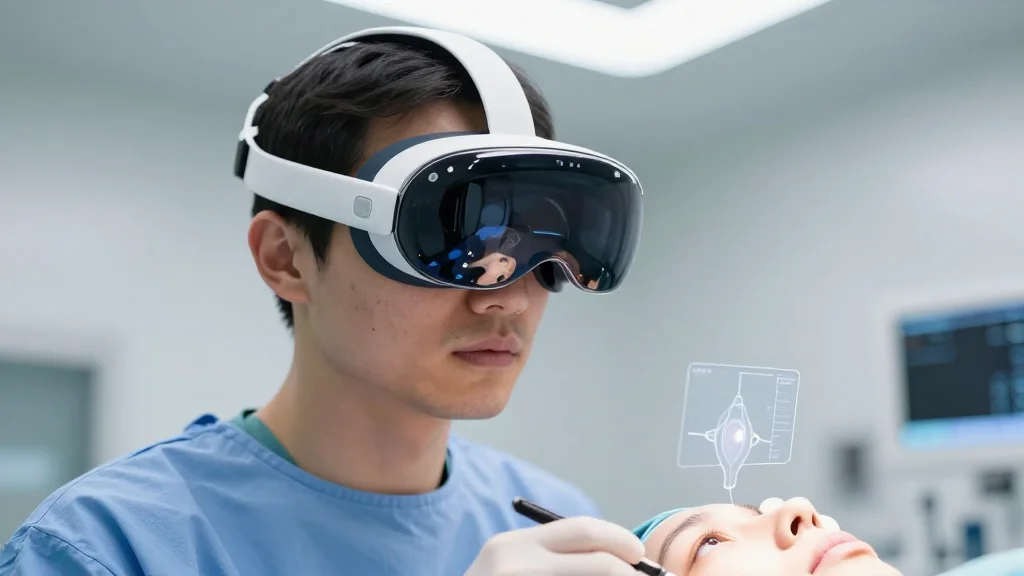
Sharp HealthCare Taps Apple Vision Pro for Surgical Innovation
Sharp HealthCare in San Diego has launched an IRB‑approved clinical study to evaluate Apple’s Vision Pro headset in cataract surgery. The feasibility and safety study will measure how spatial‑computing tools affect depth perception, workflow efficiency, and surgeon ergonomics. Conducted at Sharp...

Whoop Wants to Test Your Blood
Whoop is expanding its health platform with Specialized Panels, a set of five targeted blood‑test packages that measure 75‑89 biomarkers. Priced at $299 per panel, the tests are offered as one‑time purchases through Quest Diagnostics and sync results directly into...

Wisp, Visby Partner to Expand Access to At-Home STI Test
Wisp has partnered with Visby Medical to offer Visby’s at‑home PCR test for chlamydia, gonorrhea and trichomoniasis. The palm‑sized test costs $149.99, delivers results in 30 minutes via a mobile app, and is FDA‑authorized. Positive results trigger free virtual follow‑up...