
Kennedy: 90% Of FDA Reviewers Are Using AI For Faster Drug Approvals
U.S. Health and Human Services Secretary Robert F. Kennedy Jr. told the House Ways & Means Committee that more than 90% of FDA reviewers are now using artificial‑intelligence tools to speed drug approvals. The AI applications are also being rolled out across other HHS divisions to detect fraud and improve operational efficiency. Kennedy emphasized that the technology is already shortening review cycles, allowing promising therapies to reach patients faster. The announcement reflects a broader push to modernize regulatory processes with advanced analytics.
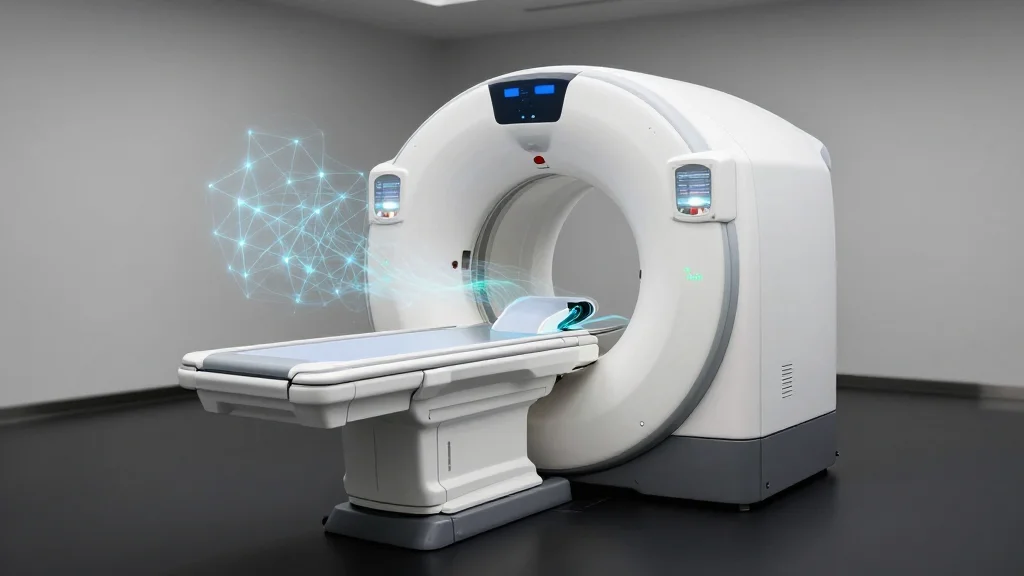
FDA Clears First AI-Enabled, Detector-Based Spectral CT System
Philips received FDA 510(k) clearance for its Verida spectral CT system, the first AI‑enabled, detector‑based scanner of its kind. The platform combines a dual‑layer Nano‑panel detector with AI‑driven image reconstruction, delivering always‑on spectral imaging without extra scans. Verida can reconstruct...

Another Win for Opportunistic Screening: AI Turns Head CT Scans Into Heart Assessments
Researchers at Harvard Medical School have trained deep‑learning models on nearly 100,000 head CT scans to predict cardiovascular disease (CVD) risk and estimate coronary artery calcium (CAC) scores. The AI‑derived CVD timing model outperformed the American Heart Association’s PREVENT risk...

Staging, ctDNA, and the Art of Personalizing Metastatic Breast Cancer Therapy: Hayley Knollman, MD
Hayley M. Knollman, MD, highlighted how estrogen‑receptor‑positive metastatic breast cancer still relies on conventional staging—blood work, imaging, and tissue biopsies—while emerging HER2‑low categories gain relevance only after disease spreads. She noted that circulating tumor DNA (ctDNA) and broad genomic panels are now...

AI Documentation Seen as a ‘Competitive Advantage’ in Hospice Regulatory Labyrinth
Hospices are turning to artificial‑intelligence documentation platforms to ease staffing shortages and meet mounting Medicare audit demands. Dr. Brian Haas, national medical director at Ascend Hospice, argues that precise, rapid documentation will become a measurable competitive advantage. While AI can...

How Healthcare Organizations Can Go From Technical Debt to a Hybrid Infrastructure That Supports Innovation
Healthcare providers are wrestling with aging IT assets that create security risks and impede patient care. Executives at the Medical College of Wisconsin and Children’s Mercy argue that moving suitable applications to the cloud transforms technical debt into a strategic...

Genome Sequencing Solves Rare Disease Mysteries
A Karolinska Institute study of more than 15,000 patients used whole‑genome sequencing to pinpoint a genetic cause in 22.6% of cases, marking one of the largest clinical genome‑sequencing efforts to date. The program uncovered over 4,400 disease‑causing variants across 1,570...

Mount Sinai Uses AI to Enhance the Speed of Genomic Testing
Mount Sinai Health System is deploying Sophia Genetics' cloud‑native DDM platform to embed AI into its pathology workflow. The platform analyzes genomic and multimodal data, linking to a network of 800 global cancer institutions. AI-driven analytics reduce hands‑on analysis, accelerating...

With Federal Grant, Connecticut HIE Works on Electronic Consent Management
The Office of the Assistant Secretary for Technology Policy and SAMHSA awarded a federal grant to Connecticut’s health‑information exchange, Connie, to pilot an electronic consent‑management solution for substance‑use‑disorder data. United Services, a nonprofit serving 22 rural towns, will work with...

After Opening an Advanced-Tech Hospital, a CIO Discusses Lessons Learned
Children’s Healthcare of Atlanta opened the $2.5 billion Arthur M. Blank Hospital in September 2024, featuring 60+ new systems, 5,500 integrations and the world’s largest autonomous robot fleet. While the infrastructure performed flawlessly, utilization of several technologies lagged, revealing that human workflow friction, not...

Why Hospital Dashboards Tell the Future But Operations Remain Stuck in the Past
Over the past decade, hospitals have poured capital into data warehouses, interoperability and predictive dashboards, creating an abundance of real‑time intelligence. Yet most health systems still treat analytics as a reporting layer, with decisions anchored in historical precedent and negotiated...

Carrot Launches ‘Carrot Intelligence’ AI Platform for Global Fertility and Family Care
Carrot, a global fertility and family‑care platform, unveiled Carrot Intelligence, an AI engine built on a proprietary clinical dataset exceeding $1 billion in claims across 195 countries. The platform fuels a new Global Price Monitoring System that automatically spots billing anomalies,...

Trials Bolster LBBAP as an Alternative to Biventricular Pacing in CRT
Recent EHRA 2026 presentations deepened the evidence base for conduction‑system pacing as an alternative to traditional biventricular (BiV) cardiac resynchronization therapy (CRT). The LECART trial showed a composite event rate of 12% with left bundle branch area pacing (LBBAP) versus...

My AI Agent Calls My Allergy Clinic Before Every Appointment (And Why That’s the Best AI I’ve Built)
Productivity expert Thanh Pham built a Lindy AI agent that automatically calls his allergy clinic 30 minutes before each appointment, navigates the phone menu using DTMF tones, and notifies staff of his arrival. The call ensures the clinic prepares his...

How a Rural Community Hospital Deploys AI to Detect Heart Disease
Wayne General Hospital in Waynesboro, Mississippi partnered with Eko Health to roll out the AI‑driven SENSORA platform across its emergency department and primary‑care clinics. The FDA‑cleared tool captures heart sounds and ECG data in 15 seconds, automatically flagging murmurs, low...

Patients' AI Privacy Concerns Meet Practicality
A recent HIMSS TV survey reveals that while AI‑savvy patients remain wary about where their health data is stored, an overwhelming 95% are willing to use ambient AI to enhance patient‑doctor interactions. Dr. Matt Sakumoto of Nabla interprets this high acceptance...

Medtronic Confirms Paclitaxel Balloon’s Efficacy in Post-Approval Trial
Medtronic reported that its IN.PACT AV paclitaxel‑coated balloon achieved a 70.2% target lesion patency rate at 12 months in a post‑approval study of end‑stage kidney disease patients. This figure mirrors the 65.3% rate observed in the pivotal trial that secured FDA...

Walmart Expands Better Care Services Platform with GLP-1 Weight Management Offerings
Retail giant Walmart is expanding its Better Care Services digital health platform to provide comprehensive weight‑management support for customers using GLP‑1 therapies. The rollout adds the newly FDA‑approved oral GLP‑1 pill Foundayo to its network of nearly 4,600 pharmacies, with...

Precision Medicine Gaps Persist Amid Evidence and Access Challenges: Daryl Pritchard, PhD
At the AMCP 2026 meeting, senior vice‑president Daryl Pritchard highlighted persistent fragmentation, evidence gaps, and decision‑support shortfalls that curb precision‑medicine adoption. He stressed the need for robust clinical outcomes and cost‑effectiveness data to win payer and provider buy‑in. The panel...

Philippines Plans ID Verification for Healthcare with PhilSys Integration
The Philippines will embed its national ID system, PhilSys, into the PhilHealth Check Utility to verify patients in real time, aiming to curb fraudulent claims and streamline benefit delivery. A memorandum of understanding between PhilHealth and the Philippine Statistics Authority...

Proteins.1 Launches with €4.7m to Make Protein Detection as Easy as PCR
Proteins.1, a Finnish spin‑off, announced a €4.7 million (~$5.1 million) pre‑seed round to commercialise a PCR‑style protein amplification platform. The enzyme‑free, solid‑state technology uses magnetic cycling and thin‑film transistors to read a single captured protein repeatedly, delivering up to 1,000× greater sensitivity...

The End of Incrementalism: Why Healthcare Innovation Is Finally Reshaping the Model
Healthcare innovation is shifting from costly, incremental upgrades to AI‑driven models that make the traditional hospital‑centric system economically untenable. Pioneers such as Ro and Transcarent demonstrate that new platforms can lower total care costs rather than merely reallocating expenses. Continuous...

M&A: D2 Solutions Acquires ProModRx to Streamline Patient Journeys
D2 Solutions, a market‑access consulting firm, has acquired cloud‑based platform ProModRx to accelerate patient access to prescription drugs. Financial terms were not disclosed. The acquisition will embed ProModRx technology into D2’s UltraTouch® Verify and UltraTouch® Engage suites, automating benefit verification,...

Rotherham, Doncaster and South Humber Shares Digital Plans as IT Becomes “Largest Single Expenditure of Capital” For First Time in...
RDaSH NHS Foundation Trust announced that IT will be its largest capital expenditure for 2026/27, with more than £11 million (≈$13.8 million) earmarked through 2029/30. The plan covers firewall, server, telephony, backup hardware, anti‑virus and endpoint upgrades, alongside a move to a...

Technology Giveth and Taketh Away
Anthony Guerra revisits Shelby Foote’s three‑part Civil War audiobook, praising its narrative flair compared with today’s AI‑generated prose. He cites Ethan Mollick’s warning that AI often produces bland text, highlighting the loss of style. The piece then shifts to healthcare, noting...

EPtalk by Dr. Jayne 4/16/26
Dr. Jayne cautions against the hype that AI can fully replace radiologists, noting that AI merely extends existing human‑generated knowledge. She argues that while routine imaging interpretation may be automated, novel diseases or tumors that fall outside training data require...

Interview: Bernard Seiser, Vice-President of Digital, Data and IT, AOP Health
Bernard Seiser, vice‑president of digital, data and IT at AOP Health, joined the Vienna‑based rare‑disease specialist in September 2024 after senior roles at Bayer, Johnson & Johnson and AstraZeneca. He has crafted a 2030‑oriented digital strategy that already moved the legacy Navision ERP...

Health Tech Innovators and Industry Experts Invited to Join Fast-Paced Innovation Sprint to Accelerate Solutions
Health Tech Enterprise has opened applications for its Health Innovation Sprints, a one‑day intensive workshop series scheduled for 11 May 2026 in London and 2 June 2026 at the Imperial War Museum Duxford, Cambridge, with the latter focusing on paediatrics. The program invites NHS...

Dakota Forms Partnership with Pocketalk to Bring Easy-To-Use Two-Way Translation to the Healthcare Sector
Dakota Integrated Solutions has partnered with Pocketalk to embed a two‑way translation device and enterprise app into its healthcare product line. The handheld Pocketalk unit translates spoken and written language in real time, featuring a noise‑cancelling microphone and support for...

MRNA Vaccines Activate Unconventional CD8+ T Cells
A recent study published in *Nature Immunology* shows that mRNA COVID‑19 vaccines trigger a previously underappreciated subset of CD8+ T cells with innate‑like characteristics. These unconventional cells, resembling mucosal‑associated invariant T (MAIT) and γδ T cells, expand rapidly after the...

Innovation for a New Era of Cancer Care
The UK’s National Cancer Plan, released earlier this year, prioritises expanding genomic testing, liquid biopsies, and a national inherited cancer registry to modernise cancer pathways. Johnson & Johnson argues that linking these precision diagnostics to innovative therapies is essential for...

Bedside to Bench: Reducing Steps in Clinical Workflows
Healthcare providers are tackling inefficiencies by trimming unnecessary steps in clinical workflows. By deploying point‑of‑care technologies such as mobile computer carts, clinicians can document, review data, and place orders directly at the bedside, reducing walk‑time and cognitive load. Ergonomic designs...

Millions Turn to AI for Health Advice — Here’s Why That Might Backfire
Millions are turning to AI chatbots for quick health advice, but a new Nature Medicine study shows the technology may do more harm than good when used by consumers. In the trial, AI models alone diagnosed correctly in about 95 %...

SA Firm Raises R85m to Scale AI Stethoscope for TB Screening
South African medtech firm AI Diagnostics secured roughly R85 million (about $4.6 million) in a pre‑Series A round led by The Steele Foundation for Hope. The capital will accelerate rollout of its AI‑enabled Ostium digital stethoscope, which screens for tuberculosis using lung‑sound analysis...
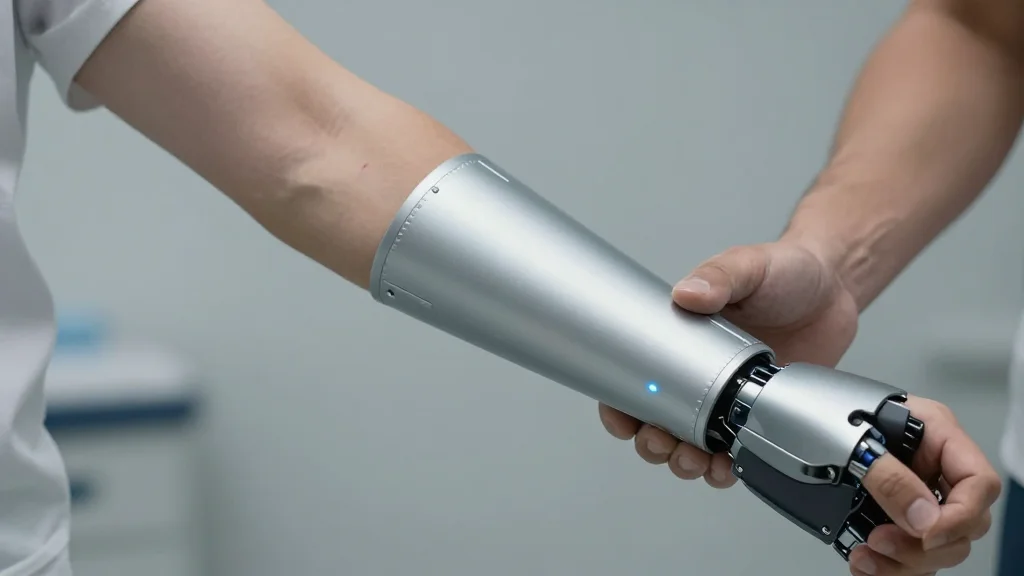
Phantom Neuro Secures Approval for Muscle-Machine Interface Trial
Phantom Neuro has received regulatory clearance to launch its first‑in‑human trial of the Phantom X muscle‑machine interface in Melbourne, Australia. The early feasibility study, called CYBORG, will enroll up to ten unilateral below‑elbow amputees who will receive a single outpatient implant...

NHS England Develops New Tool to Streamline APIs Integration
NHS England has launched Proxygen, an automation tool that streamlines API proxy creation for its national API platform. The new solution slashes onboarding time from an average of 12 weeks to three or four weeks, addressing a surge in API...
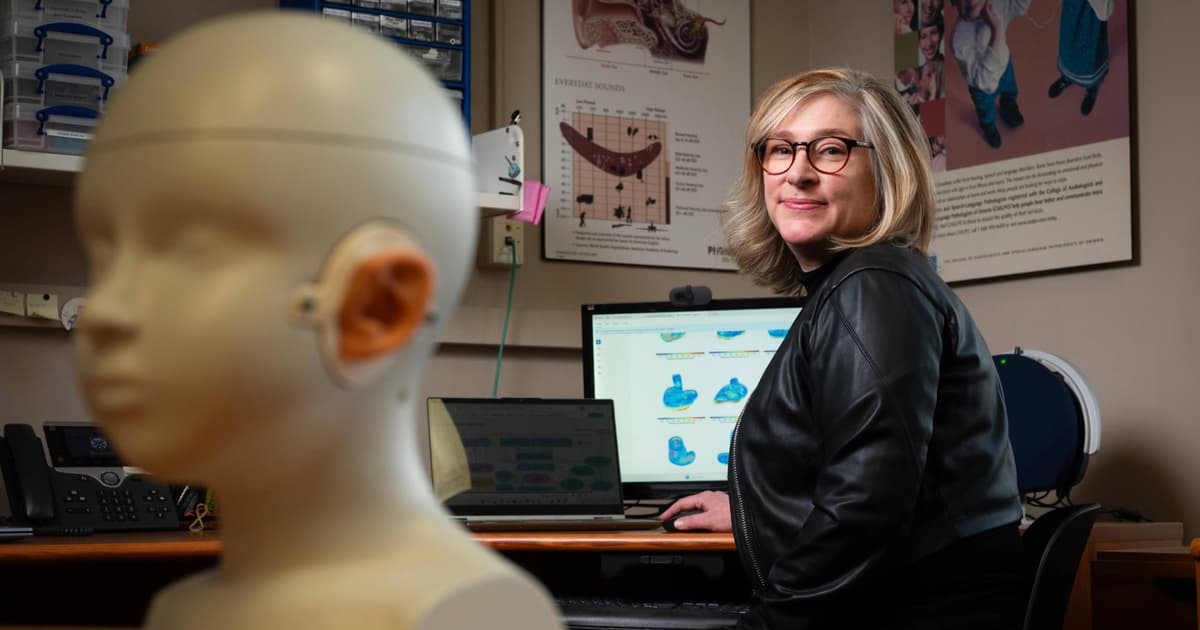
Western University Uses AI to Predict Ear Growth and 3D Print Earmolds
The ALLEars project, a partnership between Western University and Boys Town National Research Hospital, is using artificial intelligence to forecast how a child's ear will grow and then 3D‑printing earmolds in advance. Backed by a $4.4 million Oberkotter Foundation grant, the...

Optimizing Nursing Home Menus in Norway From a Sustainability and Nutritional Perspective
A Norwegian study used the AI‑driven tool EvoMeal to re‑arrange dinner menus in 24 nursing homes without altering recipes. The optimized menus aligned more closely with national dietary guidelines and cut carbon emissions by 36‑42% and water use by 29‑36%...

Fibre: The Backbone of South Africa’s Digital Health Ecosystem
Mweb’s survey of over 40,000 digitally active South Africans shows that the internet, especially fibre, is now central to health‑seeking behaviour. Seventy‑three percent of respondents research symptoms online, while roughly half of those using the web for medical queries have...

Texting Anxiety Away: Does Text Message CBT Work for Young Adults?
A randomized controlled trial of 102 U.S. young adults tested a fully automated, text‑message‑delivered cognitive‑behavioral therapy (CBT) for generalized anxiety disorder. Over a 64‑day period participants received 350 tailored texts, resulting in a large treatment effect (d = 0.83) and a drop...

Australia’s Aged Care Algorithm Is Under Fire. At Last, Someone’s Listening
Australia’s Support at Home program uses a digital Integrated Assessment Tool that feeds an algorithm to set home‑care funding levels. Critics argue the algorithm lacks public validation, combines eleven error‑prone assessments, and cannot be manually overridden, raising concerns about under‑funded...

Research Warn of Public-Health Risks as Chatbots Generate ‘Problematic’ Advice
A BMJ Open study evaluated five leading AI chatbots—Google Gemini, DeepSeek, Meta AI, ChatGPT and Elon Musk’s Grok—on 50 health‑related queries across cancer, vaccines, stem cells, nutrition and athletic performance. Experts found that half of the responses were either somewhat...

Tackling the Complexity of Cancer with Generative Models
The article proposes that generative AI models are the next‑generation tool to capture cancer’s multimodal, multiscale complexity, complementing the reductionist Hallmarks of Cancer framework. By learning from diverse biological data—genomics, imaging, histopathology, and clinical records—these models can generate hypotheses, simulate...

Quantum Computers Take on Health Care: Light-Sensitive Cancer Drugs Win US$2-Million Contest
A team comprising Algorithmiq, IBM, and the Cleveland Clinic secured the $2 million Quantum for Bio prize by demonstrating a hybrid quantum‑classical simulation of a light‑sensitive cancer drug. The approach models photon‑electron interactions on IBM’s Quantum System One, revealing how molecular...

Singapore: AI Biochip Speeds Up Genetic Marker Detection to 20 Minutes
Scientists at Nanyang Technological University have unveiled an AI‑powered biochip that identifies disease‑linked microRNA markers in just 20 minutes using a single drop of blood. The nanophotonic chip amplifies fluorescent signals, while deep‑learning algorithms analyze thousands of nanocavities in real...

The Horizontal Enabling Layer: Structural Disruption and the Reconfiguration of Healthcare AI Moats
Healthcare AI is undergoing a structural shift as foundation models and agentic AI create a horizontal enabling layer that supersedes traditional point‑solution moats. This layer lets a single model be fine‑tuned for diverse clinical tasks, turning AI from a collection...

Single Blood Sample Could Soon Screen for Several Cancers, Study Suggests
UCLA researchers unveiled MethylScan, a low‑cost blood test that reads DNA methylation patterns in cell‑free DNA to flag multiple cancers and liver diseases from a single draw. By stripping out 80‑90% of background DNA, the assay slashes sequencing needs, driving...

Color Test 'Sniffs Out' Dangerous Staph Strains Fast
Researchers at RMIT University have created a rapid, low‑cost color‑changing test that distinguishes virulent and antibiotic‑resistant Staphylococcus aureus strains. The assay uses gold nanozyme particles and DNA aptamer binders to generate strain‑specific color fingerprints, functioning effectively in simulated wound fluid....

New Imaging AI Tool Hits Market with Reimbursement Eligibility
Elucid, a Boston‑based AI firm, launched its Lesion Inspection Tool for coronary and carotid plaque analysis as part of the Plaque‑IQ suite. The software, the only FDA‑cleared plaque analysis product trained on histology, quantifies lesion composition and burden across vessels....

BodySpec Partners with Longevity Telehealth Clinic on DEXA Scans
Hone Health, an AI‑enabled telehealth clinic focused on longevity, has integrated BodySpec’s clinical‑grade DEXA body composition scans into its patient app. The partnership lets users purchase scans directly, view detailed metrics such as lean muscle, visceral fat, bone density and...