After Opening an Advanced-Tech Hospital, a CIO Discusses Lessons Learned
Why It Matters
The experience shows that even multi‑billion‑dollar health‑tech projects succeed only when adoption barriers are addressed, a lesson critical for hospitals investing heavily in AI and automation.
Key Takeaways
- •Adoption hinges on workflow alignment, not just technology
- •Simulations reveal real‑world friction before go‑live
- •Outcome‑driven design prevents chasing novelty
- •Post‑launch relaunch plans boost utilization quickly
Pulse Analysis
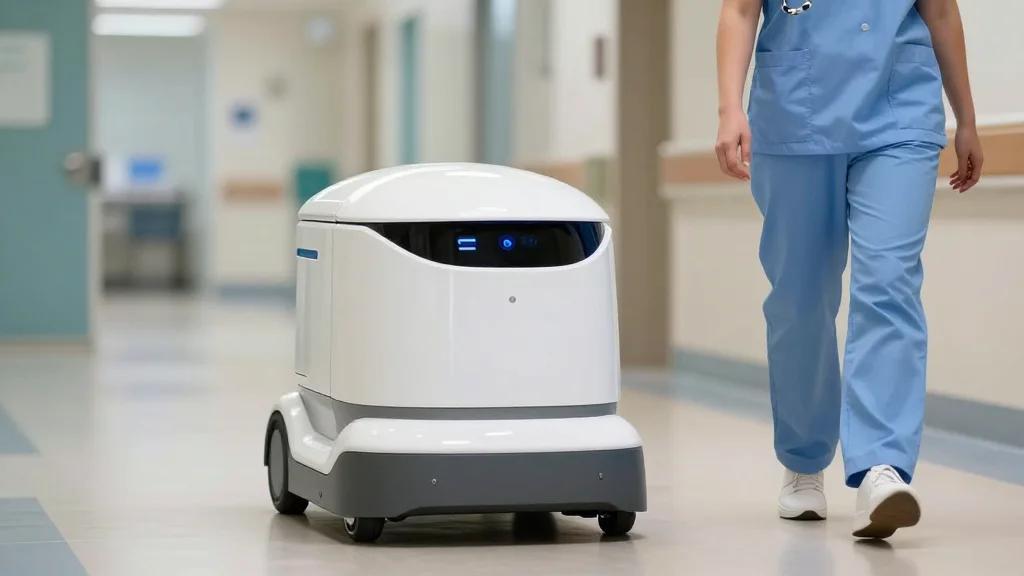
The Arthur M. Blank Hospital represents one of the most ambitious pediatric infrastructure projects in the United States, with a $2.5 billion price tag and a technology stack that includes over 60 new clinical systems, 5,500 integrations, and the world’s largest fleet of autonomous delivery robots. Such scale reflects a broader industry trend where health systems pour capital into digital and AI tools to improve care efficiency and patient experience. However, the sheer volume of technology does not guarantee immediate returns; the real test lies in how clinicians interact with these tools on the front lines.
Within months of opening, Children’s Healthcare of Atlanta observed a dip in utilization of key innovations, from under‑used robots to cumbersome interpreter‑camera workflows. The CIO’s team traced the shortfall to human friction—extra steps, unfamiliar interfaces, and entrenched workarounds—rather than technical glitches. By conducting full‑day simulations in the actual hospital environment, they identified hidden bottlenecks before they impacted patient care. A dedicated utilization team then surveyed 600 care‑team members, streamlined the interpreter process to a single click, and re‑engineered robot traffic patterns, resulting in robots handling more than 1,500 deliveries daily.
For health‑IT leaders planning comparable transformations, the lessons are clear. First, anchor every technology decision to concrete outcomes—saving clinician steps, enhancing decision‑making, and improving patient experience. Second, treat simulations as discovery tools, not just training exercises, to surface real‑world challenges. Finally, embed a relaunch strategy that includes rapid feedback loops, user surveys, and iterative fixes. By prioritizing adoption alongside implementation, hospitals can convert multi‑billion‑dollar tech investments into measurable clinical value.
After opening an advanced-tech hospital, a CIO discusses lessons learned
Comments
Want to join the conversation?
Loading comments...