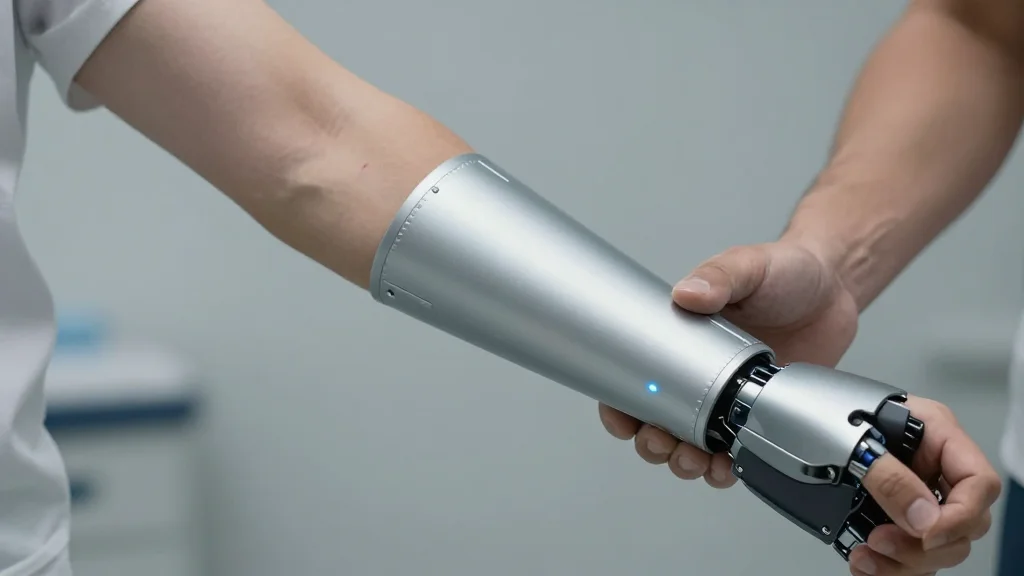
Phantom Neuro Secures Approval for Muscle-Machine Interface Trial
Why It Matters
Demonstrating a minimally invasive, reliable neural‑interface could fast‑track regulatory approval and reshape prosthetic adoption for millions of amputees worldwide.
Key Takeaways
- •First-in-human trial of Phantom X approved in Australia
- •Up to ten below‑elbow amputees will test the muscle‑machine interface
- •Implantable sensor array reads muscle signals, avoiding brain surgery
- •20‑week evaluation will assess safety, efficacy, and prosthetic control
- •Success could accelerate U.S. regulatory pathway and market entry
Pulse Analysis
The prosthetics market has long been hampered by the trade‑off between control fidelity and surgical risk. Traditional myoelectric sockets rely on surface electrodes that can be noisy and uncomfortable, while more invasive neural interfaces demand brain or peripheral nerve surgery, raising safety concerns and limiting patient acceptance. Phantom Neuro’s approach sidesteps these challenges by embedding a sensor array just beneath the skin of the residual limb, capturing neuromuscular activity directly from muscle tissue. This minimally invasive design promises more consistent signal quality and a quicker recovery, positioning the company at the forefront of next‑generation prosthetic control technologies.
The CYBORG early feasibility study is structured to provide rigorous data on both safety and functional performance. By limiting enrollment to ten participants and employing a single outpatient procedure followed by a two‑week recovery, the trial balances ethical considerations with the need for rapid iteration. Over a 20‑week monitoring period, researchers will evaluate signal latency, prosthetic dexterity, and user satisfaction, generating a dataset that can inform larger U.S. trials. Compared with competing solutions that require cranial implants or extensive nerve grafting, Phantom X’s less invasive footprint could reduce complications, lower costs, and broaden the eligible patient pool.
If the trial confirms the hypothesized benefits, Phantom Neuro could accelerate its path to FDA clearance and attract strategic partnerships with major prosthetic manufacturers. Investors are likely to view successful human data as a catalyst for valuation growth, given the estimated $2.5 billion global market for advanced prosthetic limbs. Moreover, the technology’s modular sensor platform may extend beyond upper‑limb applications, opening avenues in exoskeleton control and rehabilitation robotics. In sum, the Australian trial not only tests a novel device but also signals a potential paradigm shift in how the industry delivers intuitive, low‑risk prosthetic solutions.
Phantom Neuro secures approval for muscle-machine interface trial
Comments
Want to join the conversation?
Loading comments...