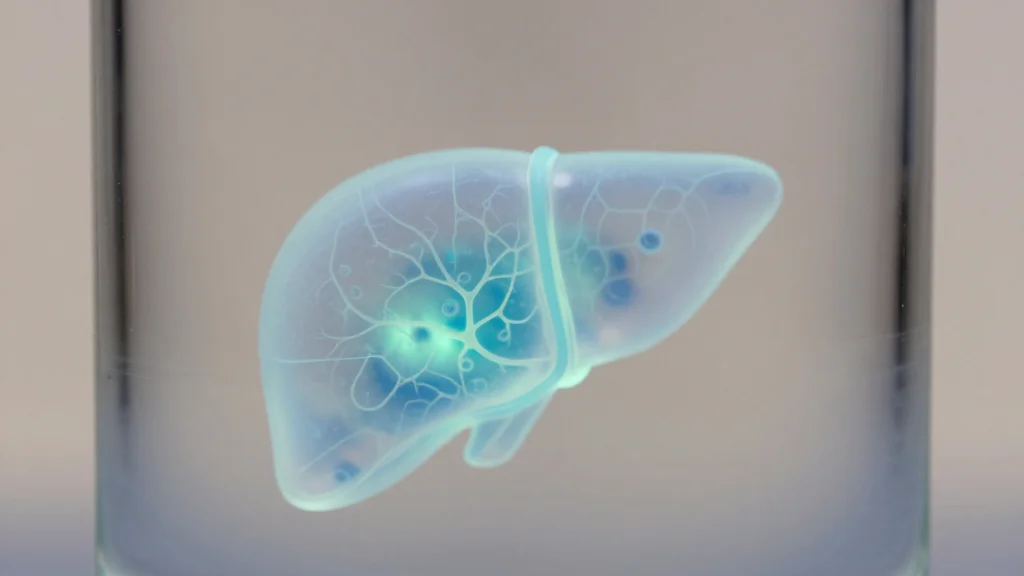
Synthetic Biology and Tissue Engineering Grow Liver Tissue In‑Body
Researchers at the Wyss Institute, Boston University and MIT have created a synthetic‑biology platform called BOOST that triggers growth of tiny engineered liver constructs after implantation. By rewiring hepatocytes and fibroblasts with a doxycycline‑controlled YAP protein and four growth‑factor genes, the implants expanded up to 500% in mice while remaining vascularized and non‑fibrotic. The approach sidesteps the need to fabricate large, perfusable organs beforehand, offering a potential bridge to transplant for end‑stage liver disease. The team envisions extending the technology to other organs such as heart and pancreas.

FDA Clears Next-Gen Hybrid System for Intravascular Imaging
Conavi Medical received FDA clearance for its next‑generation hybrid intravascular imaging system that simultaneously performs intravascular ultrasound (IVUS) and optical coherence tomography (OCT). The device builds on the company’s 2018 Novasight Hybrid System and aims to streamline coronary assessments by...

ViewsML Secures $4.9 Million to Help Scientists Virtually Analyze Tissue Samples
ViewsML, a Vancouver AI startup, closed a C$4.9 million seed round (approximately US$3.6 million) to commercialize its virtual biomarker platform. The technology uses artificial intelligence to extract quantitative biomarker data from pathology images without traditional chemical staining. By turning a lab‑bound process...

Regulatory Tips From a Breakthrough Noninvasive Device Startup
Compremium’s Quantis CVP, a noninvasive central venous pressure monitor, received FDA Breakthrough Device designation in January 2026 and subsequently joined the agency’s Total Product Life Cycle Advisory Program (TAP). The CTO explained that TAP eligibility hinges on prior acceptance into the...

Behavioral Health EHR Use Rises, Exchange Still Lags
Behavioral health providers have largely digitized patient records, with 68% using only electronic health records (EHRs) and another 25% operating a hybrid of EHRs and paper. Adoption varies by ownership: federal facilities report 97% EHR‑only use, while state‑run sites lag...

Whereby Report on Virtual Care: Why Patient Engagement, Trust, and Reliability Will Define Telehealth in 2026
The 2025 Whereby "State of Virtual Care" report finds patient engagement the top strategic priority for telehealth in 2026, with 55% of leaders flagging it as their primary focus. Technical reliability remains a pain point, as 91% of respondents experience...

The USC Professor Who Pioneered Socially Assistive Robotics
Maja Matarić, a USC professor of computer science, neuroscience and pediatrics, helped define socially assistive robotics in 2005 and has since built robots that provide therapeutic social interaction. Her work includes the Bandit, Kiwi and Blossom platforms, which support children...

Brain Stimulation Improves PTSD Symptoms
A two‑week, MRI‑guided low‑frequency transcranial magnetic stimulation (TMS) trial at Emory University showed a marked reduction in right amygdala reactivity and significant alleviation of PTSD symptoms. Forty‑seven participants completed the double‑blind, placebo‑controlled study, with 74% of the active‑TMS group achieving...

We Can’t Trust Palantir with Our NHS Data
Palantir Technologies UK secured a data‑analytics contract with the NHS valued at roughly $15 billion over two years, promising faster cancer diagnoses and reduced discharge delays. Critics highlight that private firms have already earned about $2 billion in profit from NHS contracts,...

AACR 2026: Cancers of Unknown Primary Identified by DNA Methylation AI Model
Researchers at Kindai University unveiled a machine‑learning model that reads CpG‑based DNA methylation to pinpoint the tissue of origin for cancers of unknown primary (CUP). In a test set the model achieved roughly 95% accuracy, and it maintained 87% accuracy...

Tele-Hospitalists Can Help with More Challenges than Most Realize
Tele‑hospitalists are emerging as a critical extension of inpatient teams during surges, staffing gaps, and after‑hours periods. By evaluating ED patients, placing admission orders, and managing cross‑cover duties, they shorten boarding times and free bedside clinicians to focus on the...
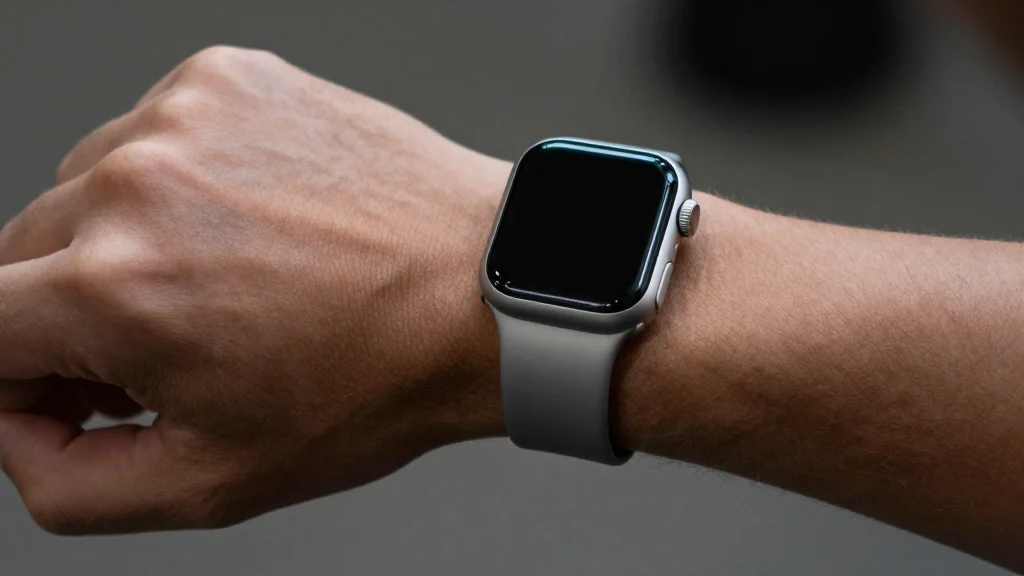
There's a Right Way to Wear Your Apple Watch - and It Affects Your Data
Apple Watch users can dramatically improve health‑tracking accuracy simply by adjusting how tightly the device sits on their wrist. The watch’s green‑light optical sensor, which measures heart rate, is sensitive to ambient light and skin contact, so a snug fit...

STORM-PE: Mechanical Thrombectomy Boosts Walking and Daily Living Gains
The STORM‑PE interim analysis shows that computer‑assisted vacuum thrombectomy (CAVT) markedly improves functional recovery in acute intermediate‑high‑risk pulmonary embolism. At 90 days, patients receiving mechanical thrombectomy walked an average of 479 m versus 368 m for anticoagulation alone, and 97% achieved NYHA class I...
Beyond Reporting: Realizing Continuous Safety Surveillance for Medical Devices
Regulators in the EU, UK and US have upgraded post‑market surveillance (PMS) requirements, demanding systematic analysis of device incident data rather than mere reporting. Manufacturers must now adopt analytical, pharma‑style vigilance processes to detect trends, assess risk, and feed findings...

Can You Determine Your Personalised Stress Score?
Wearable devices are increasingly offering personalized stress scores by analysing heart‑rate and heart‑rate variability (HRV). A higher resting heart rate and reduced HRV typically signal elevated cortisol and adrenaline, indicating stress. While these metrics can flag patterns linked to specific...

In Brain Tumors, New Use for CSF cfDNA
Cerebrospinal fluid (CSF) cell‑free DNA is emerging as a reliable source for genomic profiling of brain tumors, offering a less invasive alternative to surgical biopsies. Compared with plasma, CSF provides a higher signal‑to‑noise ratio, improving detection of tumor‑derived mutations. The...

Enabling High Speed Swept-Source OCT with Advanced Data Acquisition
Swept‑source optical coherence tomography (SS‑OCT) is reshaping medical imaging with faster scan rates, deeper tissue penetration, and superior phase stability. The performance of SS‑OCT hinges on the digitizer, which must capture GHz‑level interferometric fringes with multi‑GS/s sampling, wide bandwidth, and...

Allurion Treats First Commercial Patients in the United States, Marking Major Milestone
Allurion Technologies announced it has treated its first commercial patients in the United States, marking the company’s entry into the country’s $200 billion obesity market. The Allurion Program offers a non‑surgical, non‑pharmaceutical weight‑loss solution that appeals to patients who have stopped...

ASCO to Shine Light on Multimodal AI Models: Plus, Melanoma Diagnostics and Gastroesophageal Cancer Targets
At ASCO 2026 in Chicago, Stanford oncologist Janice Lu will lead a session spotlighting the clinical translation of artificial‑intelligence tools in cancer care. The program stresses disciplined validation, multimodal integration of pathology, imaging, molecular and liquid‑biopsy data, and robust governance...

Vaginal Drug Delivery Had A Funding Problem—Merck Changed That
Calla Lily Clinical Care’s tampon‑shaped vaginal drug delivery platform, Callavid, has secured a strategic collaboration with Merck to accelerate clinical development for IVF luteal‑phase support and miscarriage prevention. The device, cleared under FDA 510(k) and patented in 14 countries, promises...

Pressing for a POC Testing Model Amid High STI Rates
Point‑of‑care (POC) testing for sexually transmitted infections is being championed as a critical tool to curb rising STI rates, especially among youth and marginalized communities. Dr. Aniruddha Hazra highlighted that while overall diagnostic rates have improved, groups such as LGBTQ+,...
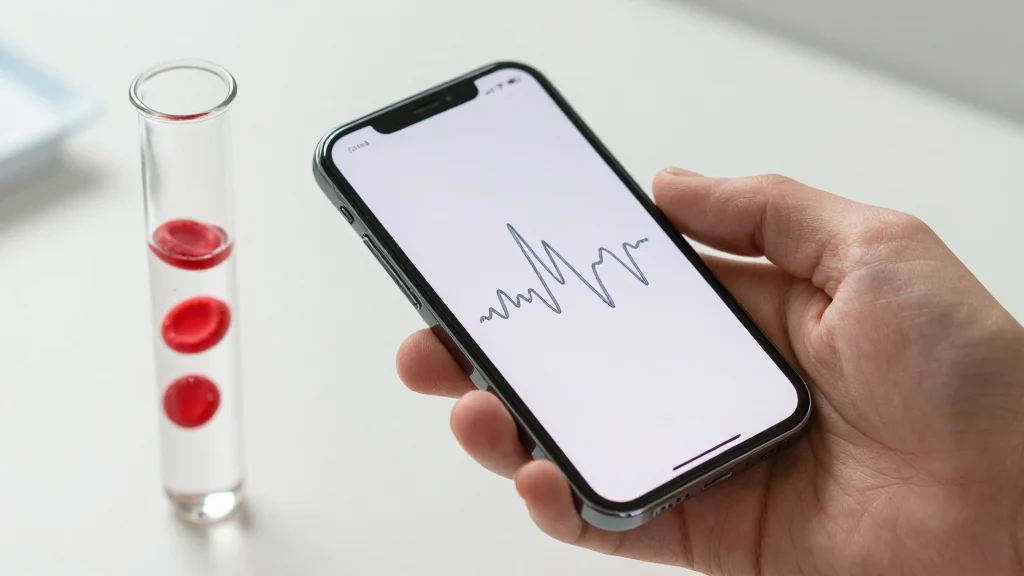
AI Lab Result Interpretation Gains Traction with Patients, but Raises Accuracy and Validation Concerns for Clinical Laboratories
Patients are increasingly turning to AI-driven services to translate their laboratory test results, often before seeing a physician. Startups and wellness firms offer subscription models that provide simplified explanations and suggested actions, with pricing ranging from free tiers to several...
Reti̇nal and Choroi̇dal Mi̇crovascular Changes İn Hemodi̇alysi̇s and Peri̇toneal Di̇alysi̇s: A Comparati̇ve Oct and Oct-A Study
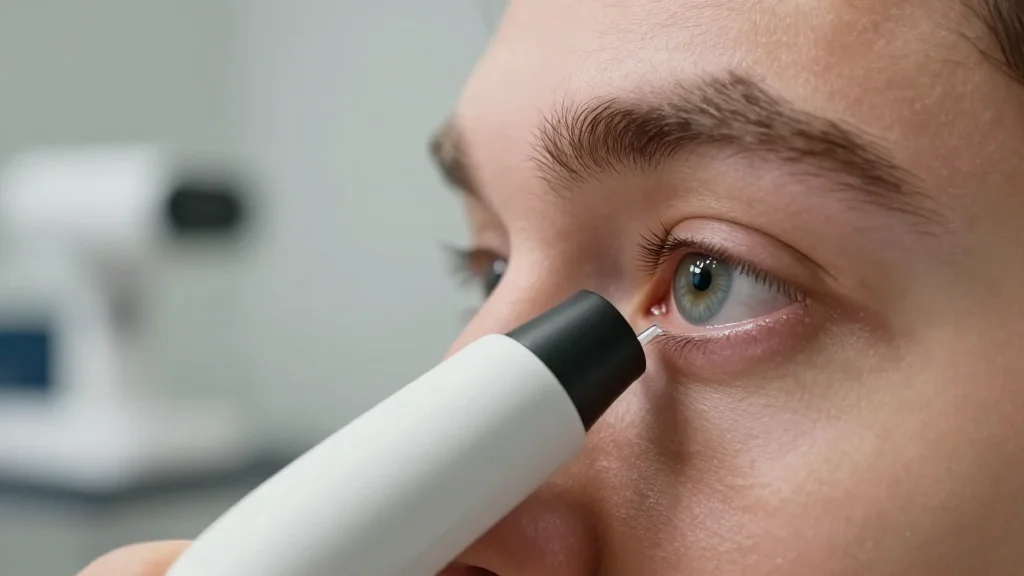
Researchers used OCT and OCTA to compare retinal and choroidal changes in patients undergoing hemodialysis (HD) versus peritoneal dialysis (PD). Across 84 eyes from 46 patients, central macular thickness and subfoveal choroidal thickness decreased significantly after each dialysis session, while...
Georgetown Engineers Pectin-Based Bone Grafts to Replace Metal Implants
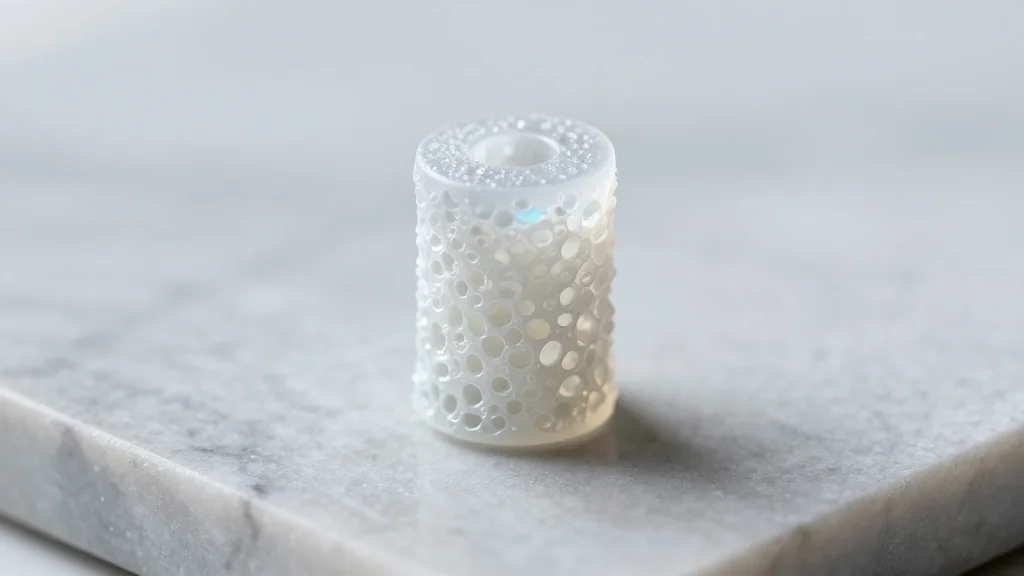
Georgetown University researchers have engineered a 3D‑printed bone graft that combines pectin—a food‑grade polysaccharide—with hydroxyapatite layers to mimic natural bone architecture. The pectin matrix can be printed at room temperature, creating a porous scaffold that promotes nutrient flow and cell...
Four Ways to Build a Secure and Scalable CGT Distribution Network
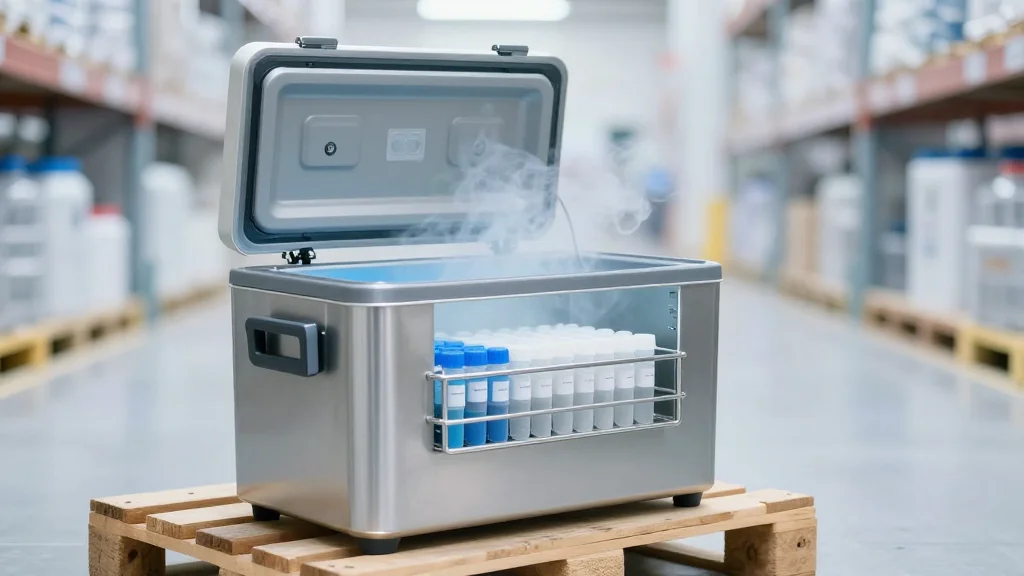
Cell and gene therapies (CGTs) are expanding rapidly, with 34 US products approved and a projected $80 bn global market by 2029, driven largely by oncology. Successful commercialization now hinges on building secure, scalable distribution networks that protect fragile, cryogenic products...

Docplanner Expands Patient Access with Voice AI Agent Powered by Twilio
Docplanner, a leading European‑Latin American health platform, has launched Noa Booking, an AI‑powered voice agent built on Twilio’s ConversationRelay and Programmable Voice. The 24/7 agent lets patients schedule appointments, get FAQs answered and receive instant SMS/WhatsApp confirmations, eliminating traditional call‑centre...
LTS Lohmann Builds a Foundation for Proactive Quality and Innovation
LTS Lohmann Therapy Systems is overhauling its quality management by deploying a unified, enterprise‑wide QMS and advanced data analytics. The new platform eliminates manual bottlenecks and data fragmentation, delivering real‑time traceability and AI‑ready insights across all sites. By partnering with...

Balancing Health AI Management with Growing Vendor Sprawl
Health AI spending in the United States surged to roughly $1.4 billion in 2025, prompting hospitals to adopt dozens of niche AI tools. A 2026 survey of senior tech leaders found 69% cite vendor management and integration as the biggest barrier,...

3 Questions Every Payer Should Ask About Medical AI
Recent research shows 85% of healthcare leaders expect AI to reshape clinical decision‑making within five years, yet fewer than half of payers have a formal AI strategy. Compliance concerns—particularly around transparency, bias mitigation, and physician oversight—are driving tighter regulatory expectations...

From Imaging to Understanding, How Real-Time 3D Is Evolving the Clinic of the Future
Barco and Avatar Medical unveiled Eonis Vision, a glasses‑free, real‑time 3D imaging system that turns CT and MRI scans into lifelike, floating models during patient consultations. The solution runs on Dell Pro Precision workstations powered by NVIDIA RTX PRO GPUs, delivering...

3 Ways AI Is Humanizing Patient Care
A 2024 AMIA survey found that over 74% of clinicians say documentation tasks impede patient care, prompting hospitals to turn to AI solutions. Microsoft’s Dragon Copilot is being deployed at Cooper University Health Care, Mercy’s Fort Smith hospital, and the University...
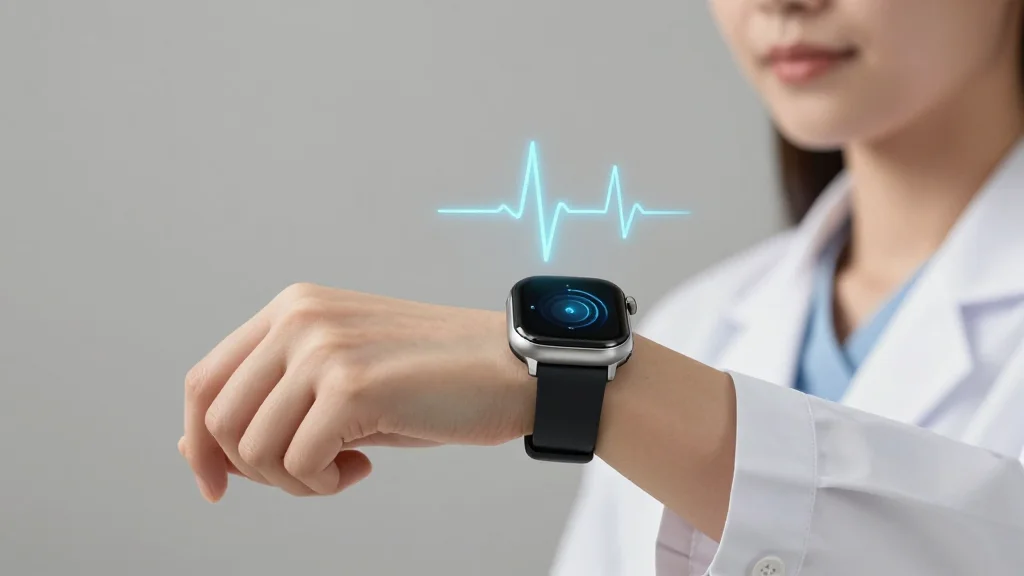
Got Wearable Data? Your Doctor Can Help You Connect the Dots
Wearable technology, now a $100 billion industry, is generating massive streams of health data from devices like smartwatches and rings. Physicians such as Dr. Lucy McBride and Dr. Sarah Benish stress that raw numbers need context to be clinically useful, turning patterns into...
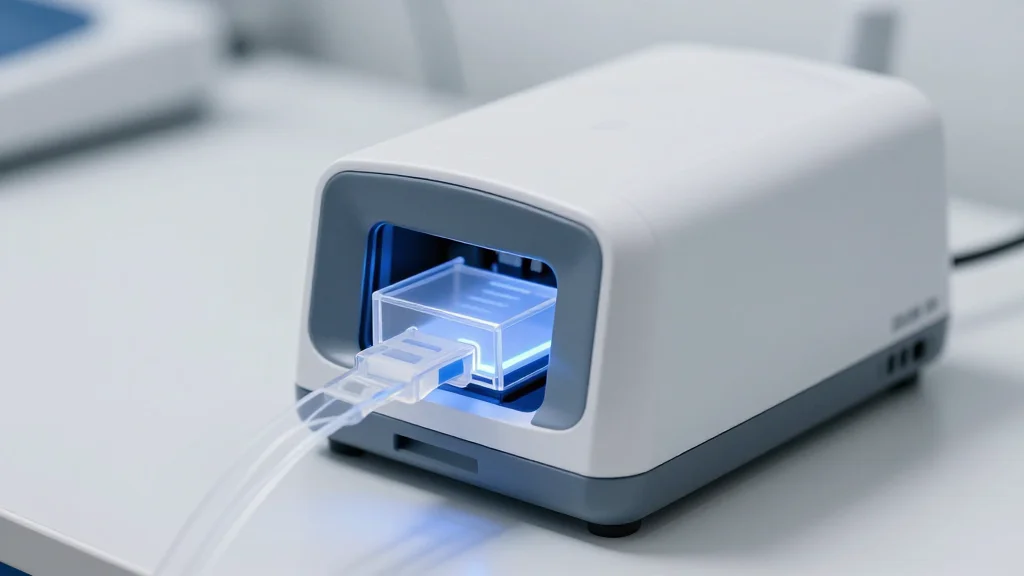
Bruker Unveils MyGenius PRO Diagnostics System
Bruker’s Microbiology & Infection Diagnostics division launched the MyGenius PRO automated sample‑to‑answer molecular diagnostics system at ESCMID Global 2026. The platform uses PCR technology to deliver high‑throughput, continuous loading and random‑access testing, automating the full workflow from patient sample to result. At...

Potential Spillover Effects on Diagnostic Delay for Cancer During the NHS-Galleri Trial
A quasi‑experimental study examined whether England’s NHS‑Galleri trial, which tests a cell‑free DNA multi‑cancer early detection (MCED) assay, caused spillover effects on cancer diagnostic timelines. Using a difference‑in‑differences design across 21 cancer‑alliance regions, researchers found that participating regions experienced a...
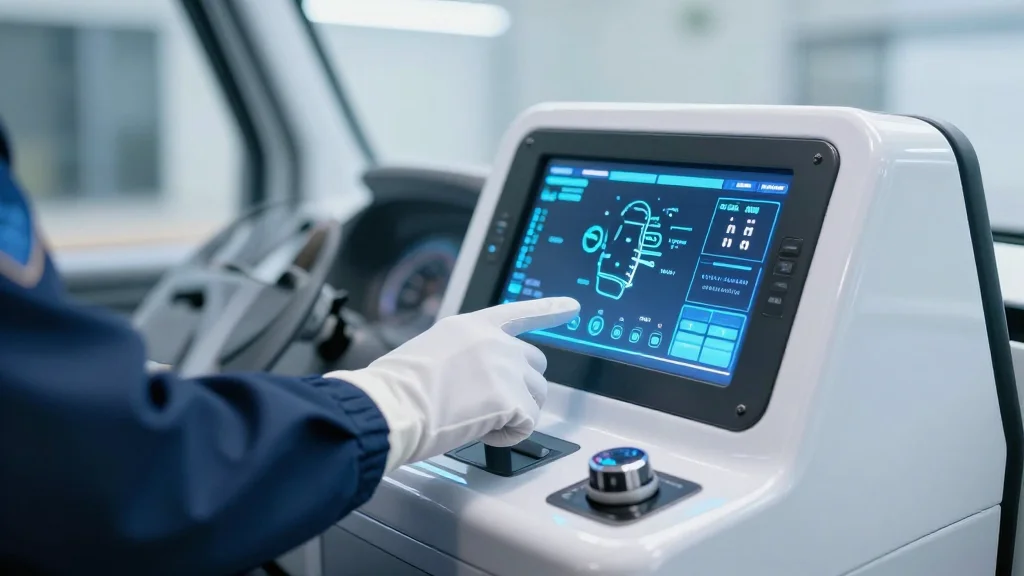
North West Ambulance Service Strategy Focuses on Digital and Data to 2031
The North West Ambulance Service (NWAS) NHS Trust released a 2031 strategy centered on digital and data innovation to improve care coordination, clinical decision support, and demand insight. To date, the trust has rolled out real‑time safety dashboards, Power BI performance...
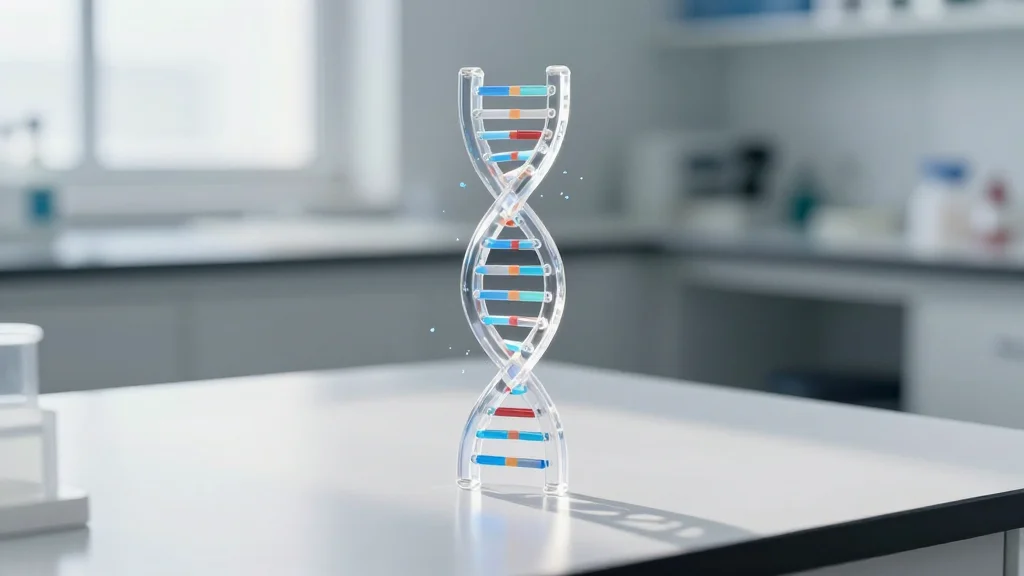
NIH-Supported Study Develops AI Algorithm Trained on EHR Data to Predict Rare Disease
A NIH‑supported study unveiled the WEakly Supervised Transformer (WEST), an AI model that can predict rare diseases using noisy, incomplete electronic health record data. Tested on pulmonary hypertension and severe asthma, WEST outperformed all baseline models in identifying clinician‑confirmed cases....

RAIYS Launches Digital Support Solution as Neurodiversity Waiting Lists Soar
Raiys, a digital health platform, has launched a clinically‑led neurodiversity support solution to address soaring waiting lists for assessment and care. The offering combines 24/7 access to evidence‑based content, digital screening tools and behavioural resources across mobile, tablet and desktop....

Speed, Scale, and Simplicity in Microarray Analyzer
Thermo Fisher Scientific introduced the SwiftArrayStudio microarray analyzer, a fully automated platform that consolidates hybridization, staining, washing and scanning into a single instrument. The system can deliver genomic results in roughly 30 hours, a dramatic reduction from the traditional five‑day turnaround....

Emyria Launches Empax Global Partnership Platform Targeting International Drug Sponsors
Emyria (ASX:EMD) has launched the Empax Global Partnership Platform, giving international drug sponsors and CROs direct access to its clinical delivery infrastructure for complex psychedelic‑assisted therapies. The service creates a dual‑revenue model that blends existing reimbursed treatment programs with high‑margin,...
The Potential Threats of Anthropic Mythos to the NHS
Anthropic’s Mythos model, a frontier large‑language model capable of autonomous vulnerability discovery and exploitation, marks a watershed in AI‑driven cyber offense. Independent testing shows Mythos achieving an 83.1% success rate on the CyberGym benchmark and a 72% end‑to‑end exploit rate,...

A Light-Controlled 'Muscle' Could Give Synthetic Cells a New Way to Move
Engineers at Georgia Tech have created a light‑controlled protein network that mimics a muscle, using calcium‑triggered contraction instead of ATP‑driven motors. The system relies on the ciliate protein Tcb2 and a light‑sensitive calcium cage to release calcium on demand, achieving...
Butterfly Network Inc (BFLY): Top Medical AI Stock to Buy
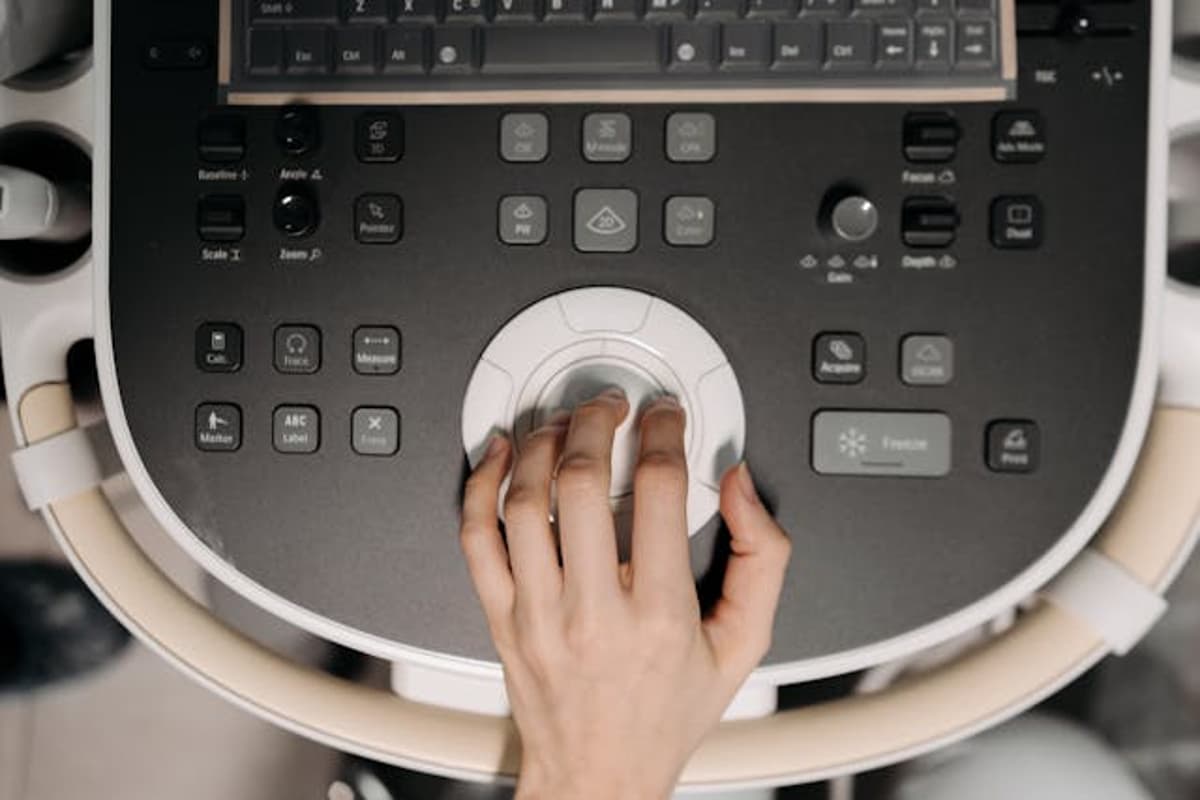
Butterfly Network announced FDA clearance for its AI‑powered handheld ultrasound that estimates gestational age in under two minutes. The AI model was trained on millions of diverse ultrasound images, aiming to improve prenatal care in emergency and rural settings. In...

Favorable Zio Results Brighten iRhythm Holdings, Inc (IRTC)’s Prospects
iRhythm Holdings presented new clinical data at the ACC 2026 Scientific Sessions showing its Zio patch identified actionable arrhythmias in nearly half of patients with chronic kidney disease and markedly higher atrial fibrillation detection in severely obese individuals. The company...
How Will OpenClaw Impact Healthcare Technology in 2026?
OpenClaw, an open‑source agentic orchestration framework acquired by OpenAI, is reshaping healthcare technology in 2026 by linking advanced LLMs with legacy hospital IT. Its four‑module architecture—Gateway, Agent Core, Skills Layer, and Heartbeat Engine—enables autonomous tasks such as EMR navigation, real‑time...

Novel Diabetic Wound Treatment Turns Cells Into Manufacturers
Researchers at Texas A&M have created a novel wound dressing for diabetic foot ulcers that leverages an interwoven extracellular matrix produced by human cells, then strips the cells away, leaving a purely biological scaffold. The approach sidesteps the immune‑rejection and...

Trust and AI Adoption in Medicine
Artificial intelligence has moved from administrative shortcuts to core clinical workflows, making healthcare one of the fastest‑growing AI sectors. Clinicians are eager to use AI for faster charting, yet many adopt tools without fully grasping data handling or model limitations....

Doctor-Led AI Platform Offering 24x7 Monitoring Outside Hospital Launched in Chennai
A doctor‑led AI platform, iLive Connect, launched in Chennai, offers 24/7 remote monitoring via a biosensor patch and wristband. The system streams real‑time heart and blood‑pressure data to a command centre staffed by about 40 physicians, who can alert patients...

Wastewater Detects Drug-Resistant Candidozyma Auris Emergence
Researchers published a Nature Communications study showing that wastewater‑based epidemiology can identify drug‑resistant Candida auris in hospitals weeks before patients test positive. By extracting fungal DNA from sewage and applying metagenomic sequencing plus quantitative PCR, the team quantified pathogen load...
HSS Presents New Research Leveraging AI to Uncover Insights Related to Pain Risk and Anesthesia Education at ASRA Annual Meeting
At the ASRA annual meeting, Hospital for Special Surgery researchers presented two AI‑driven studies. The first used machine‑learning models on data from 160 knee‑replacement patients to pinpoint inflammatory markers, especially TARC, and operative factors that predict persistent postoperative pain, with...

From Symptoms to Sensors: How Technology Is Changing the Way We Detect Dehydration
Dehydration detection is moving from symptom‑based tests to continuous, sensor‑driven monitoring. Bioelectrical impedance, microfluidic sweat analysis, optical spectroscopy and AI algorithms now provide real‑time hydration metrics with accuracies above 90%. Wearable platforms are already deployed in military units, sports teams,...