How Will OpenClaw Impact Healthcare Technology in 2026?
Companies Mentioned

Why It Matters
OpenClaw turns AI from a passive advisor into an active care team member, slashing administrative burden and accelerating patient‑centric decisions while raising urgent compliance and security stakes.
Key Takeaways
- •OpenClaw agents automate prior authorizations, cutting admin time
- •NHS pilots report 43 min clinician time saved daily
- •MedOpenClaw enables auditable 3‑D imaging navigation for radiology
- •Default OpenClaw config risks PHI exposure; enterprise versions add BAA
Pulse Analysis
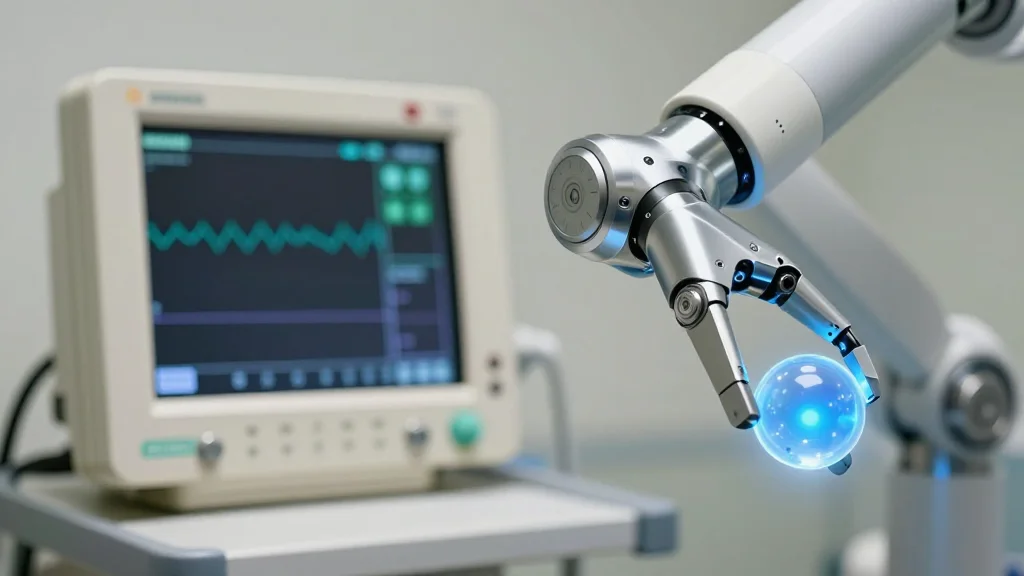
The 2026 health‑tech landscape is moving beyond chat‑based AI toward autonomous agents that can act on behalf of clinicians. OpenClaw’s stateful, single‑process design bridges cutting‑edge GPT‑5.x models with entrenched EMR systems, using a modular stack that handles messaging, intent planning, tool execution, and proactive scheduling. By abstracting legacy GUIs through its Skills Layer, the platform lets AI manipulate browsers, file systems, and even robotic devices, effectively turning any hospital’s existing software into a programmable interface without costly API rewrites.
Clinicians are already feeling the impact. In the UK’s NHS, OpenClaw‑driven pilots at Guy’s and St Thomas’ have collapsed multi‑week lung‑cancer workups into a single, robot‑assisted bronchoscopy, while a network of discharge, bed‑management, and transport agents negotiates patient flow without human intervention. The documented time‑saving of roughly 43 minutes per clinician per day translates to an estimated 400,000 staff‑hours saved monthly across the service, freeing providers to focus on direct care. MedOpenClaw extends this capability to radiology, granting vision‑language models auditable control over 3‑D imaging workstations, generating traceable navigation logs that satisfy both diagnostic rigor and regulatory transparency.
The rapid adoption is tempered by significant risks. OpenClaw’s default configuration leaves ports exposed, enabling data leaks of PHI and prompting regulatory warnings under the 21st Century Cures Act and HIPAA. Enterprises are therefore layering commercial wrappers that provide Business Associate Agreements, audit trails, and hardened security controls. Token consumption for continuous agentic workflows can surge to $1,800‑$3,600 daily, driving organizations to implement model routing and caching strategies that deliver up to 5.5× ROI. For CIOs, the E.A.A.R. framework—Engage clinicians, Audit data readiness, Adapt via phased rollouts, Review KPIs—offers a pragmatic roadmap to harness OpenClaw’s promise while safeguarding compliance and cost efficiency.
How will OpenClaw impact Healthcare Technology in 2026?
Comments
Want to join the conversation?
Loading comments...