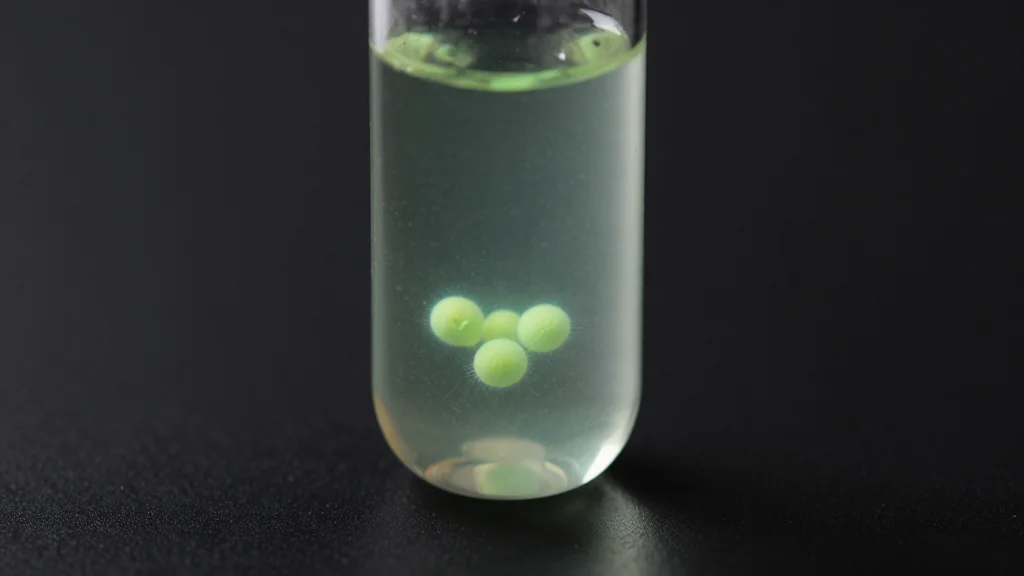
Wastewater Detects Drug-Resistant Candidozyma Auris Emergence
Why It Matters
Early wastewater detection gives hospitals a predictive edge, enabling targeted interventions that can curb costly outbreaks of a high‑mortality, multidrug‑resistant yeast. It also provides public‑health officials a community‑level early warning system for emerging fungal threats.
Key Takeaways
- •Wastewater DNA detects Candida auris weeks before clinical cases.
- •qPCR and metagenomics reveal resistance to echinocandins and azoles.
- •Spatial mapping pinpoints high‑load hospital wards for targeted interventions.
- •Open‑source bioinformatics enable scalable surveillance across facilities.
- •Early resistance data guides antifungal stewardship and infection control.
Pulse Analysis
The rise of Candida auris has strained health‑care systems worldwide, as the yeast evades standard diagnostics and resists frontline antifungals. Traditional surveillance relies on patient cultures that often lag behind colonization, allowing silent spread within hospitals. Wastewater‑based epidemiology flips this paradigm by treating sewage as a collective health record, capturing microbial signatures shed by patients, staff, and the environment. This broader lens promises earlier alerts and a more comprehensive picture of pathogen dynamics than isolated clinical tests can provide.
In the recent Nature Communications paper, investigators combined high‑throughput metagenomic sequencing with targeted quantitative PCR to isolate Candida auris DNA from complex hospital effluent. The dual‑method approach not only confirmed the organism’s presence but also identified mutations linked to resistance against both echinocandins and azoles. Over several months, the wastewater signal consistently rose weeks before a spike in diagnosed infections, and spatial mapping of DNA concentrations highlighted specific wards with elevated fungal loads. Open‑source bioinformatic pipelines processed terabytes of data, demonstrating that the workflow can be replicated across diverse health‑care infrastructures without prohibitive cost.
The implications extend beyond immediate infection control. Real‑time resistance profiling equips antimicrobial stewardship teams to adjust therapy before resistant strains dominate, potentially reducing mortality and drug expenditures. Moreover, integrating wastewater data with electronic health records could automate risk modeling, prompting pre‑emptive sanitation measures and staff cohorting. While standardizing sample collection and processing remains a hurdle, the study underscores a scalable, cost‑effective tool that could become a cornerstone of smart‑hospital surveillance and broader public‑health monitoring of emerging fungal threats.
Wastewater Detects Drug-Resistant Candidozyma auris Emergence
Comments
Want to join the conversation?
Loading comments...