
Rules-Based Systems Provide Clinical Accuracy Guardrails
Medicomp Systems CEO David Lareau argues that deterministic, rules‑based AI models act as safety nets for large language models (LLMs) used in clinical documentation. While LLMs generate rich, probabilistic text, they can also produce inconsistent or erroneous statements. Rules‑based systems validate these outputs against predefined clinical criteria, catching mistakes before they enter patient records. The approach promises higher documentation accuracy and reduced liability for providers.

Fitbit Redesigns Sleep Score with Detailed Metrics, Actionable Tips
Fitbit has launched a public preview of a redesigned Sleep Score that breaks the rating down into six specific metrics, including total sleep duration, time to sound sleep, and restlessness. The new view offers transparent, data‑driven insights and actionable tips,...

5 Clinic Tech Upgrades That Improve Workflow
Healthcare clinics can boost outpatient efficiency by making targeted hardware upgrades rather than overhauling entire IT systems. Mounting dedicated tablets at check‑in consolidates registration, signatures, and payments, while adjustable kiosks improve digital intake capture and privacy. Standardizing staff devices—often through...

Wearable Noise Is Exploding — Trust Is the Filter
Consumer wearables have evolved from simple fitness accessories into continuous health monitors, flooding the system with unprecedented physiological data. Clinicians, however, are hesitant to rely on these streams because provenance, validation, and accountability remain unclear. Without clinical‑grade validation, wearables stay...

Trust, Technology and the Future of Interoperability: Solving Problems That Impact Real Lives
Healthcare interoperability remains a critical bottleneck, with missing data causing delays, medication errors, and higher readmission rates. Research shows a 79% jump in 7‑day readmissions when discharge summaries aren’t shared promptly. The 2025 CMS Interoperability Pledge, built on TEFCA and...

Readers Write: Two Curves, One Hospital Server Room: Why On-Prem AI in Healthcare Is Inevitable
The article argues that on‑prem artificial intelligence will become a standard component of hospital IT infrastructures. It cites regulatory pressure, patient‑data privacy, and the need for sub‑second response times as primary drivers. While hardware costs are falling thanks to commodity...

Emma the Joke-Telling Robot Cracks up the Care Home: Paula Hornickel’s Best Photograph
In July 2025 a German care home in Albershausen piloted Emma, a toddler‑sized social robot with googly eyes and a knitted red hat. The robot tells jokes, remembers conversations and recognizes faces, quickly engaging residents who are often isolated. Developed...

Perpetuals (NASDAQ: PDC) Extends BayesShield AI Into Healthcare to Address the Root Cause of Diagnostic Errors
Perpetuals (NASDAQ: PDC) is launching BayesShield Clinical, extending its BayesShield AI from finance to healthcare to pinpoint physicians with the strongest diagnostic performance. The tool tackles the U.S. problem of roughly 795,000 deaths or permanent disabilities each year from diagnostic...

Lumeris Launches Native Audio for Tom Platform to Address US Primary Care Physician Shortage
Lumeris has launched Native Audio for its Tom primary‑care‑as‑a‑service platform, embedding Google Cloud’s Gemini native‑audio models to enable real‑time speech‑to‑speech interactions. The feature aims to alleviate the U.S. primary‑care crisis, where roughly 100 million adults lack a regular provider and a...

Eleos Debuts Agentic AI Suite for Community-Based Care
Eleos launched an agentic AI suite at NatCon 2026, adding Clinical Insights, Revenue Cycle Management, and Compliance tools for community‑based care. The platform embeds a HIPAA‑compliant AI co‑pilot into existing workflows, addressing a "shadow IT" crisis where 57% of providers...
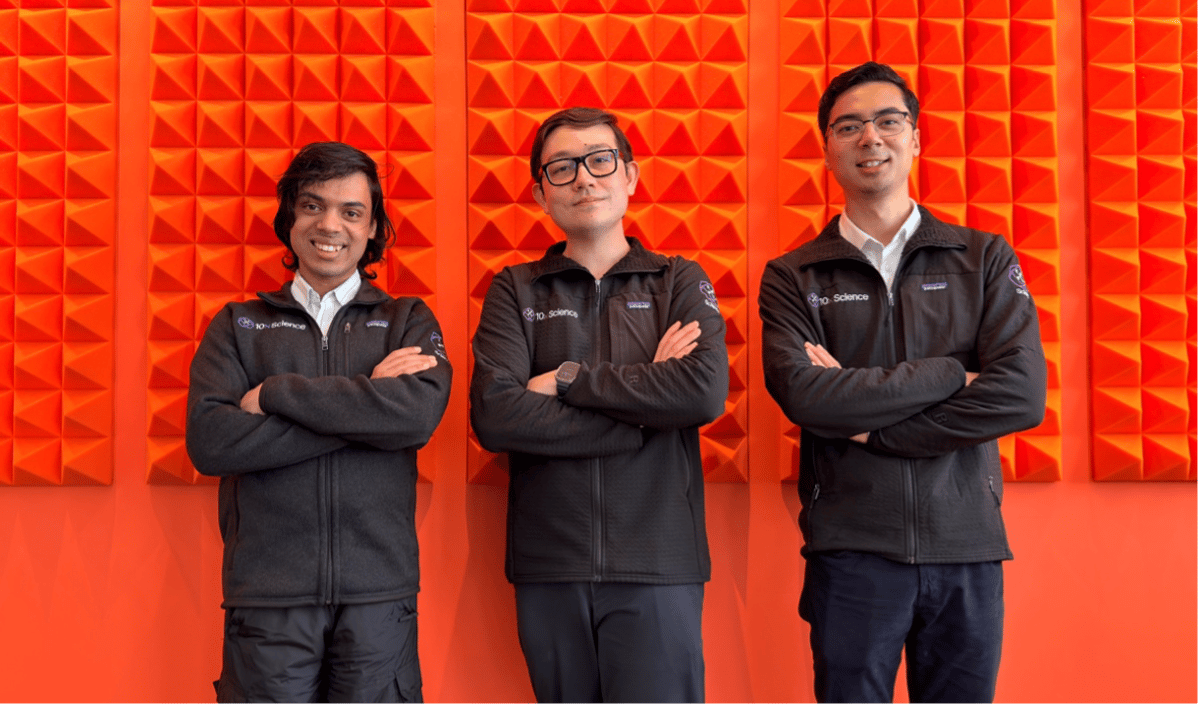
AI Is Spitting Out More Potential Drugs than Ever. This Start-Up Wants to Figure Out Which Ones Matter.
10x Science, a biotech AI startup founded by former Stanford researchers, announced a $4.8 million seed round led by Initialized Capital. The company’s platform combines deterministic chemistry algorithms with AI agents to automatically interpret mass‑spectrometry data, turning raw spectra into actionable...

The Front Office Is Finding Air: One Network’s Early Returns on Operational AI
Capitol Imaging, a multi‑state imaging network, partnered with AbbaDox to roll out modular operational AI, starting with a scheduling assistant and later adding fax‑processing automation. The first 90 days revealed three key realities: undocumented tribal knowledge slowed deployment, a one‑size‑fits‑all...
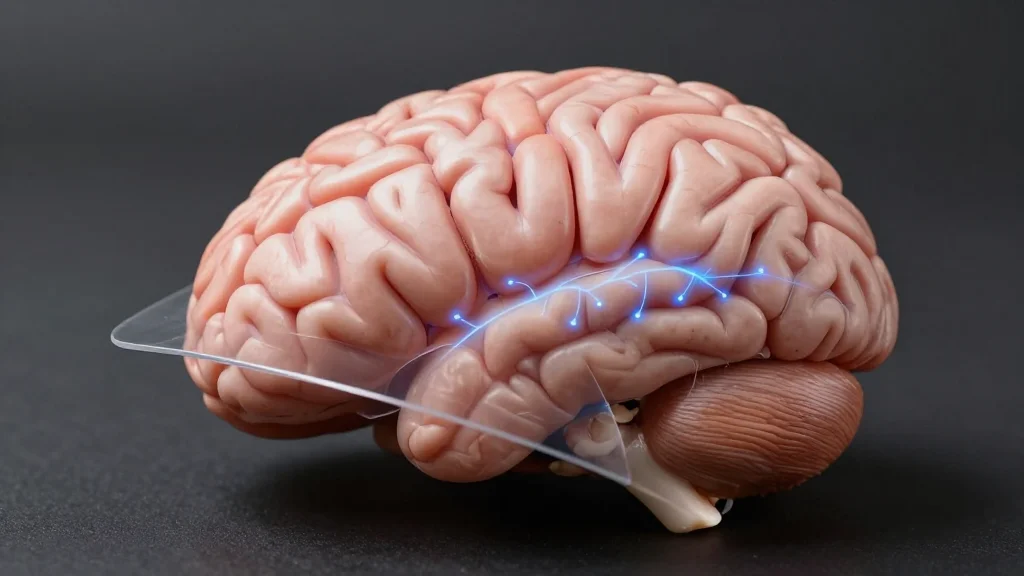
INBRAIN Neuroelectronics Completes Patient Recruitment for First-in-Human Study Evaluating Its Graphene Cortical Interface
INBRAIN Neuroelectronics announced that patient recruitment is complete for its first‑in‑human trial of a graphene‑based cortical interface. Ten patients were enrolled, and eight underwent surgery without any peri‑operative device failures, yielding complete datasets. The study, run with the University of...

11 Key Features to Look for in Medical Practice Management Software for Healthcare Providers
Administrative tasks still consume 15%‑25% of U.S. healthcare spending—about $1 trillion annually—largely due to manual processes. The article outlines 11 essential features of modern medical practice management software that can replace paper charts, spreadsheets, and fax‑based billing with integrated digital workflows....

An ‘AI Scientist’ Can Tackle Drug R&D. What Does that Mean for Pharma?
AI agents are moving from analytical tools to autonomous coworkers in pharma, with Owkin’s K Pro platform acting as an “AI scientist” that can answer complex research questions in hours rather than weeks. The system pulls together literature, gene‑expression data, and...

Tees, Esk and Wear Talking Therapies Improvement Challenge Highlights Steps to Improve Uptake of Digital
Tees, Esk and Wear Valleys NHS Foundation Trust completed a 100‑day improvement challenge aimed at boosting confidence among adults 65+ in using digital talking‑therapies. Over 240 seniors participated, with 96% reporting regular use of phones, tablets or laptops. Video‑based therapy...

Most Pixel Owners Are Ignoring One of the Phone’s Strangest Built-In Sensors
Google’s Pixel 10 Pro houses an infrared temperature sensor that earned FDA De Novo clearance in 2024, allowing the phone to take body temperature readings with ±0.3 °C accuracy. The built‑in Thermometer app lets users log temperatures for fevers, food safety, and home‑efficiency checks....
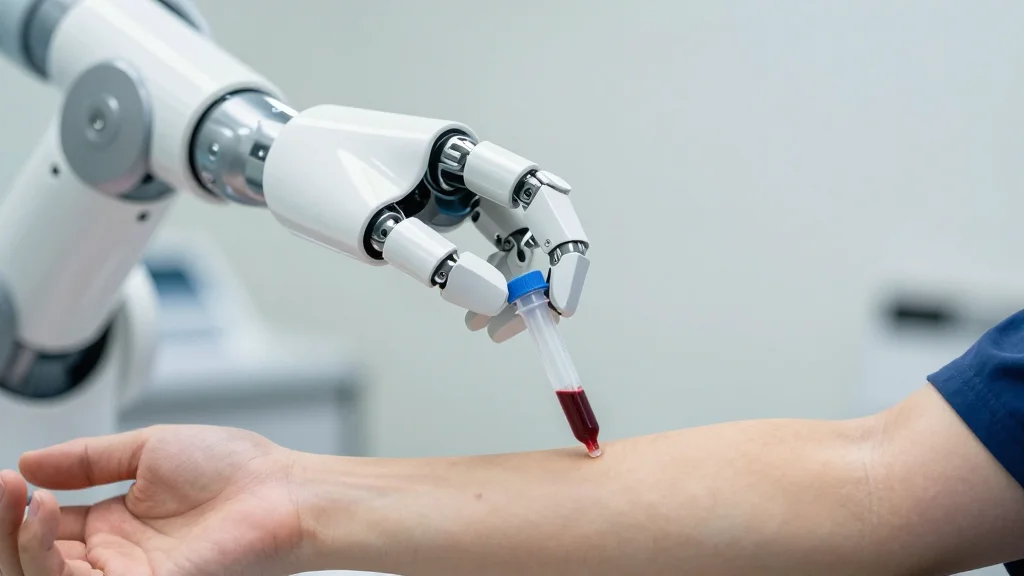
Robotic Phlebotomy Study Signals Automation Shift for Clinical Labs
Vitestro’s autonomous robotic phlebotomy system Aletta completed a multicenter ADOPT trial involving 1,633 patients, achieving a 94.5% first‑stick success rate and markedly low hemolysis (0.3%) and adverse events (0.6%). Patient surveys showed 90% experienced equal or less pain, with 82%...

The Fifteen-Year-Old Who Just Earned a PhD and Is Specialising in Immortality
Laurent Simons, a Belgian prodigy, defended a quantum‑physics PhD at just 15, becoming one of the youngest doctorate holders in history. Within weeks he relocated to Munich to begin a second doctorate that fuses medical science with artificial intelligence, aiming...

Rapid Blood Infection Test Fails to Improve Survival
A large, open‑label randomized trial of 899 patients with gram‑negative bacteremia compared rapid antimicrobial susceptibility testing directly from positive blood cultures to standard sub‑culture testing. The rapid approach delivered susceptibility results in about 7.5 hours versus 44 hours for the conventional method,...

EU Unlocks €63M to Accelerate AI in Health and Safety
The European Commission has announced €63.2 million (about $68 million) in new funding under the Digital Europe Programme to accelerate AI innovation in healthcare, digital skills and online safety. Approximately €9 million will support AI‑driven image screening in medical centres, while €24 million targets...

New Nanomedicine Approach Boosts Chemotherapy And Immune Activity In Pancreatic Cancer
A preclinical mouse study published in Advanced Science demonstrates that photoactivatable multi‑inhibitor liposomes (PMILs) can deliver irinotecan directly to pancreatic ductal adenocarcinoma (PDAC) tumors when activated by light. The regimen combines minocycline‑mediated DNA‑repair inhibition, photodynamic priming, and localized chemotherapy, boosting...

BioAegis and Prenosis Partner for Inflammatory Disease Therapies
BioAegis Therapeutics has teamed up with AI‑focused startup Prenosis to accelerate precision‑medicine approaches for inflammatory diseases. The partnership will analyze biospecimens from BioAegis’s Phase II BTI‑203 trial of recombinant human plasma gelsolin in 600 ARDS patients across Europe, Canada and the...

Emulsion Gel for Intestine‐Specific Enzyme‐Triggered Release of Probiotics
Researchers have created a water‑in‑oil jammed Pickering emulsion gel (JPEG) that encapsulates probiotics, protecting them from the acidic environment of the stomach and releasing them only in the intestine. The probiotics‑loaded JPEG (PL‑JPEG) exhibits shear‑thinning behavior, high stability against pH,...

On‐Chip Evaluation of Red Blood Cell Deformability Through Transit Velocity Index in Hematological Diseases
Researchers have introduced a microfluidic platform that measures red blood cell (RBC) deformability using a transit velocity index (V^ε=0.5) derived from capillary‑like constrictions. The index reliably tracks stiffness changes when RBCs are chemically stiffened with diamide, confirming its sensitivity. Applying...
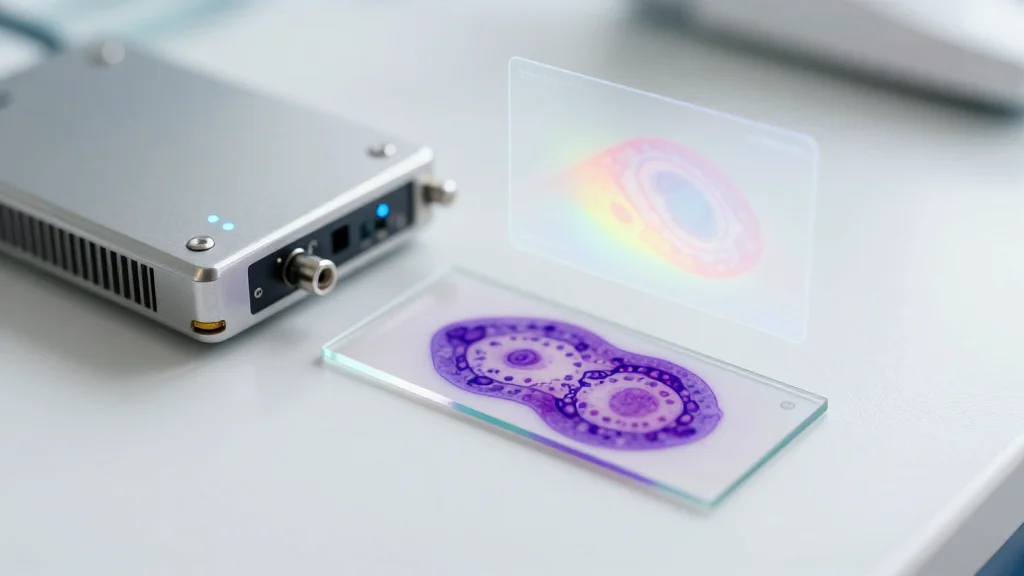
Artera’s Prostate Biopsy and Breast Cancer Assays Receive CE Mark
Artera announced that its ArteraAI prostate biopsy and breast cancer assays have received CE marking under the EU In Vitro Diagnostic Regulation, expanding the company’s reach to the European market. The prostate assay is the first AI‑enabled prognostic and predictive test...

Calibre Emerges From Stealth with $3.3M to Tackle “Health Guesswork” Through Causal AI
Calibre, a London‑based healthtech startup, emerged from stealth with a $3.3 million pre‑seed round led by Amino Collective. The company introduces “Causal Health Navigation,” a clinician‑guided causal AI platform that identifies the true drivers of an individual’s health. Priced at £69...

The Definitive Infrastructure for Modern Drug Development
Paradigm Health has launched an AI‑powered clinical research platform that operates across a national network of more than 800 community and academic sites in the United States, Japan and Israel. The platform embeds trial design, patient identification and data capture...

Register for HTN Now Webinars, Covering AVT in Trusts, Digital Patient Pathways, AI in Primary Care, 10 Year Plan From...
HTN is launching a series of free, online webinars for NHS professionals that run from late April through May. Each session deep‑dives into a specific digital‑health topic, from ambient‑scribe AI and paperless NHS initiatives to AI in primary care and...

National Commission Into the Regulation of AI in Healthcare Offers Early Insights From Call for Evidence
The UK National Commission into the Regulation of AI in Healthcare released early findings from a call for evidence that attracted more than 770 responses, underscoring strong public demand for regulatory reform. Deputy chair Henrietta Hughes emphasized trust, post‑market surveillance,...

New "Plug-and-Play" AI Outperforms Pathologists in Lymph Node Metastasis Detection
HKUST researchers unveiled PRET, a plug‑and‑play AI pathology system that learns new cancer types from just one to eight annotated slides. The model achieved AUC scores above 97% on 15 of 20 benchmark tasks, including a perfect 100% for colorectal...

Lentinan‐Enhanced Mn3O4 Nanoparticles for Neuroinflammation Relief and Parkinson's Disease Treatment
Researchers have engineered a lentinan‑coated manganese oxide (Mn3O4@LNT) nanoparticle that can circulate long‑term and cross the blood‑brain barrier (BBB). Proteomic analysis revealed that the LNT coating reshapes the particle’s protein corona, enhancing BBB traversal and brain accumulation. In cellular and...

The World’s First RealTime AI Assistant for Pancreatic EUS, Available for Clinical Use in the UK.
Fannin UK has launched mAI Companion®, a real‑time AI assistant for pancreatic endoscopic ultrasound (EUS) that received MDR CE Mark approval, making it the first AI‑driven EUS tool cleared for clinical use in the UK. Developed with IHU‑Strasbourg and trained...
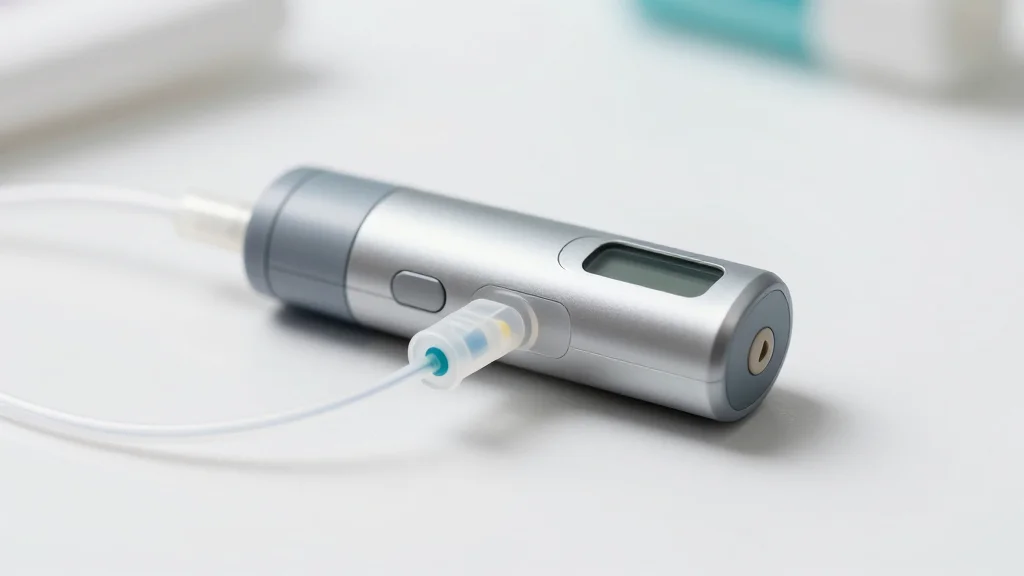
The Next Phase of Diabetes Care
Diabetes technology is advancing rapidly, with smarter algorithms, longer‑wear sensors, and smaller pumps reshaping care. Automated insulin delivery systems now pair continuous glucose monitors with ultra‑rapid, ultra‑concentrated insulin, offering tighter glucose control. Adoption remains limited—only about 40% of type 1 and...

Interpretable Machine Learning of Non-Traditional Lipid Indices for Diagnostic Classification of CHD in Patients with Comorbid MASLD and T2DM: A...
Patients with metabolic dysfunction‑associated steatotic liver disease (MASLD) and type 2 diabetes face a markedly higher risk of coronary heart disease, yet standard lipid panels often miss residual risk. A multicenter retrospective analysis of 1,823 such patients identified eight non‑traditional...

Digital Health Exclusion Mapped
The Digital Exclusion Risk Atlas (DERA) has been launched as an online tool to pinpoint areas in England where residents face barriers to digital health services, such as poor connectivity, affordability constraints, or limited digital skills. By combining device access,...

New Algorithms Help Surgeons Make High-Stakes Transplant Decisions in Minutes
Researchers at the ISHLT meeting unveiled AI tools designed to speed heart‑transplant decisions, aiming to cut the 15‑30 minute evaluation window. The flagship model, TOPHAT, analyzes 20 donor variables to predict a center’s likelihood of accepting a heart, while a...
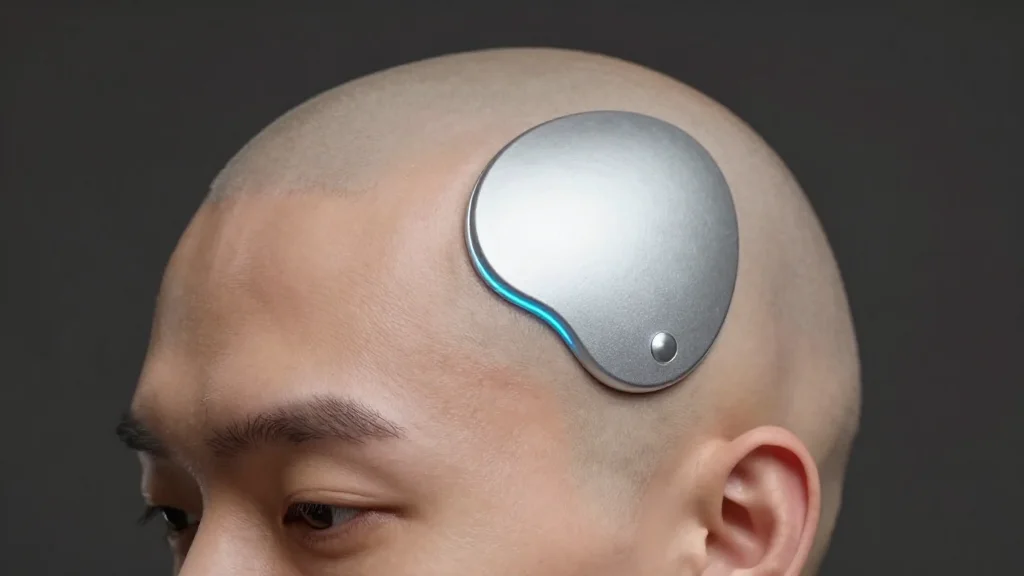
From Brain Implant to Lifelong Companion: Michel Maharbiz Unveils Epia Neuro
Epia Neuro, a stealth‑mode neurotechnology startup co‑founded by Michel Maharbiz, announced its public debut at the Bioelectronic Medicine Forum. The company, now 45‑strong and backed by venture and pharma investors, is developing a skull‑mounted, dura‑sparing neural interface designed for outpatient...

From Governance to Enablement: How Healthcare CIOs Can Stop Killing AI Innovation
Healthcare CIOs risk stifling AI projects by treating governance as a barrier. Tony Pastorino argues that rebranding oversight as data enablement and forming cross‑functional teams can unlock responsible innovation. He advises separating idea generation from compliance checks and focusing on...
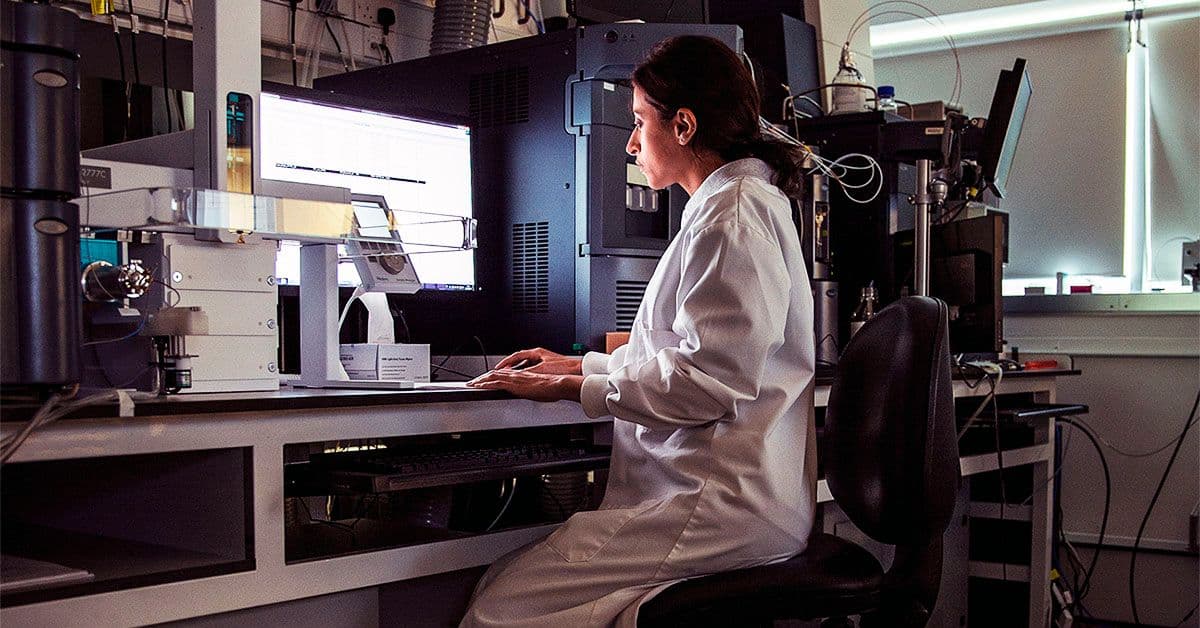
Urine Biomarker May Predict Bladder Cancer Treatment Response, Study Finds
Stanford researchers have created a urine‑based liquid biopsy that detects tumor DNA to predict which non‑muscle invasive bladder cancer (NMIBC) patients will benefit from BCG immunotherapy. In a Cell‑published study, patients with detectable tumor DNA after BCG had a high...

NIH-Funded AI Model Predicts Cancer Survival From Single-Cell Tumor Data
Researchers at Oregon Health & Science University, funded by the NIH, unveiled scSurvival, an AI model that predicts cancer patient survival from single‑cell tumor data. The tool was evaluated on clinical datasets from more than 150 melanoma and liver cancer...
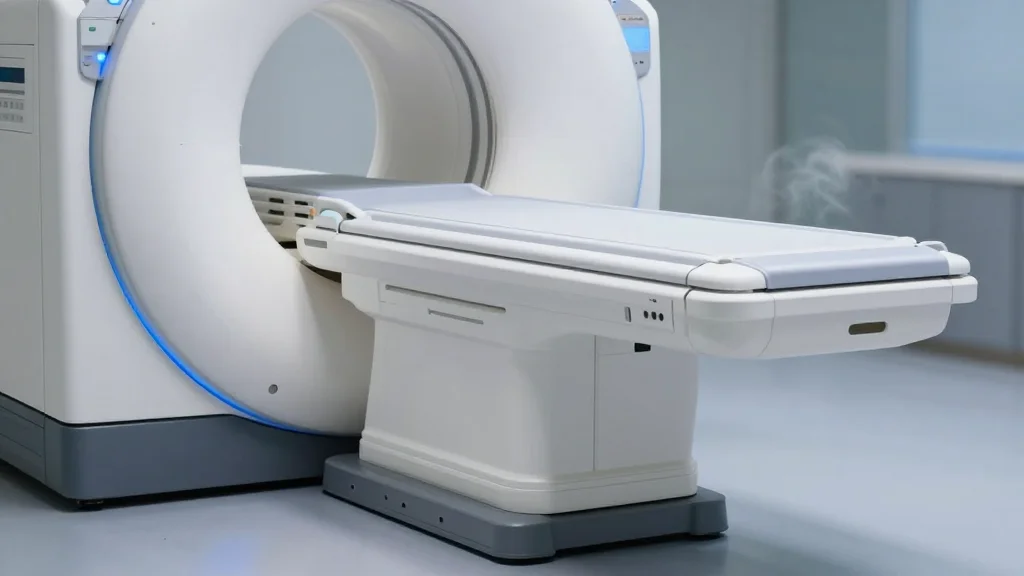
Lakeridge and Partners Go Live on Sectra Cloud
Lakeridge Health and six regional partners have launched Sectra One Cloud, a cloud‑based diagnostic imaging platform that unifies access to X‑rays, CT scans and MRIs across 13 sites in Ontario’s Central East Region. The system handles roughly one million imaging...
Drummondville Docs Express Doubts About Quebec EHR
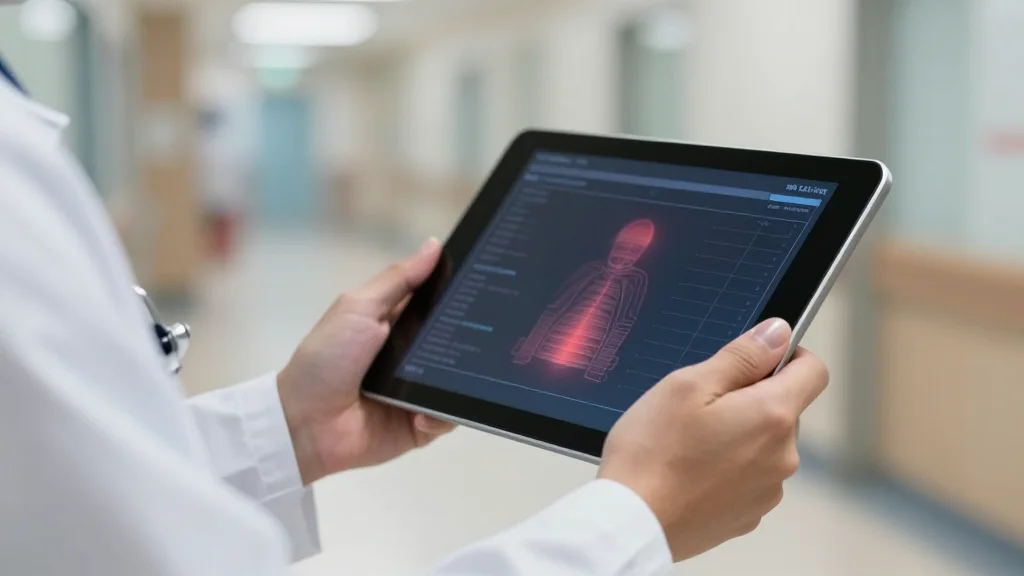
Fourteen of the sixteen internists in Drummondville have warned that Quebec's Digital Health Record (DHR) rollout could jeopardize patient safety and disrupt clinical workflows. They petitioned the CIUSSS of Mauricie‑and‑Centre‑du‑Québec to delay the May 9 launch, citing inadequate equipment and training....
AGE-WELL Creates AI & Aging Council
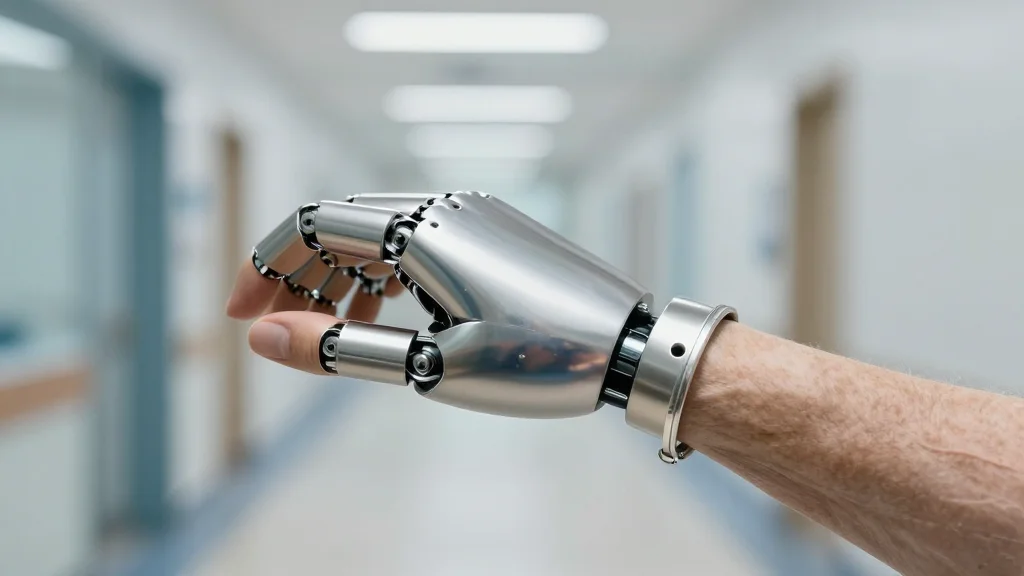
AGE-WELL has launched an AI & Aging Council to steer the responsible development and governance of artificial intelligence for Canada’s aging population. The council brings together leaders from industry, academia, care organizations, older adults and caregivers to advise on AI...

VHA Launches AI-Driven Client Portal
VHA Home HealthCare has added the Evha AI Assistant to its myVHA client portal, offering real‑time navigation and service information. The tool answers questions about portal use, VHA programs, and caregiver support while adhering to strict AI governance. VHA’s leadership...

Michael Dell Funds ‘AI Native’ Medical Centre with $750M
Billionaires Michael and Susan Dell have pledged a $750 million gift to the University of Texas at Austin to create the UT Dell Medical Center, slated to open in 2030 as the nation’s first “AI‑native” hospital. The donation, the largest ever...

Barrie’s RVH Acquires EBUS for Lung Exams
Royal Victoria Regional Health Centre in Barrie has launched Endobronchial Ultrasound (EBUS) with Rapid On‑Site Evaluation (ROSE), a minimally invasive day procedure for lung and lymph‑node assessment. The addition expands the hospital’s endoscopy suite with a fourth procedure room, boosting...
Problems with Robotic Knee Replacement: Study
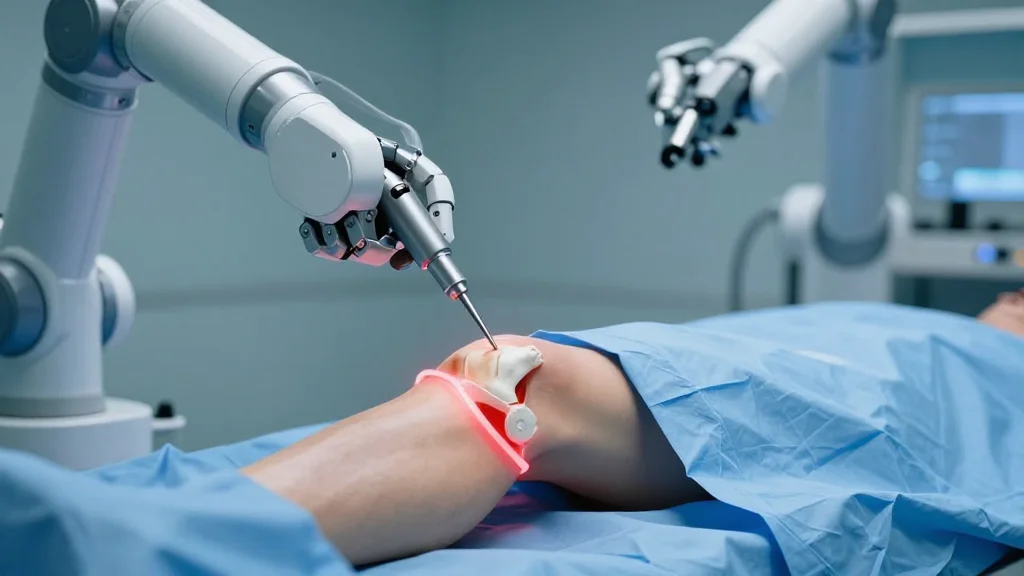
A population‑based study from Sunnybrook examined 75,000 total knee arthroplasties in Ontario between 2019 and 2023, including 1,613 robotic‑assisted procedures. The analysis found a major complication rate of 2.0% for robotic‑assisted surgery versus 1.0% for conventional techniques. Robotic cases also...

‘Smart Fabric’ Turns Sweat Into Real-Time Health Data
Researchers at South Korea’s DGIST have created a wearable smart fabric that analyzes sweat chemistry in real time without any electronic components. The textile incorporates a flexible semiconductor fiber within a biodegradable, porous matrix that wicks sweat into the material...

UnitedHealth Group Investing Billions in AI
UnitedHealth Group announced a $1.5 billion investment in artificial intelligence to modernize its internal operations and launch commercial AI products. The spend targets member and patient engagement tools, workflow automation, and productivity gains across its health‑care and insurance divisions. In Q1...