
Sir Demis Hassabis Wants to Automate Drug Design
DeepMind CEO Demis Hassabis reiterates his ambition to automate drug design using artificial intelligence. After AlphaFold earned the 2024 Nobel Prize in Chemistry for protein‑folding predictions, DeepMind is now channeling its expertise into generative models that can design therapeutic molecules end‑to‑end. Hassabis admits the task remains formidable but believes advances in large‑scale language models and reinforcement learning will bring chemistry closer to full automation within the next decade.

Why Cleveland Clinic Chose This AI Startup To Rewire Key Healthcare Operations
Cleveland Clinic has teamed with San Francisco AI startup Luminai to automate its complex referral workflow, a high‑volume administrative task that still relies on faxed documents. Luminai, fresh from a $38 million Series B that brings its total capital to about $60 million, is...

AI Is Speeding up Time to Insight in Value-Based Care
AI is accelerating the time to insight for value‑based care contracts, according to Brian Overstreet, CEO of Arbital Health. Risk‑based agreements generate massive, complex data sets that traditionally require weeks of manual analysis. Arbital’s AI platform rapidly sifts through this...

This Experimental New Treatment May Revolutionize Cancer Care
Researchers have engineered a heat‑activated, graphene‑copper patch that functions like a band‑aid to treat early‑stage melanoma. In laboratory cultures the patch released copper ions that killed most melanoma cells, and a 10‑day mouse study showed a 97% reduction in lesions...

Gen AI Shows Promise and Peril in Patient-Centered Care, New Review Finds
A new viewpoint in the Journal of Medical Internet Research reviews generative AI’s role in patient‑centered clinical decision support. Funded by AHRQ and led by NORC, the authors categorize four use‑case areas and outline six critical needs for safe integration....

Lancashire and South Cumbria NHS FT Sets Out Digital Delivery Goals and Priorities for 2026/27
Lancashire and South Cumbria NHS Foundation Trust outlined its 2026/27 digital delivery roadmap, emphasizing data‑driven community health, home‑based technology, and staff productivity. The plan pivots on an electronic patient record, a federated data platform, and positioning the NHS App as...
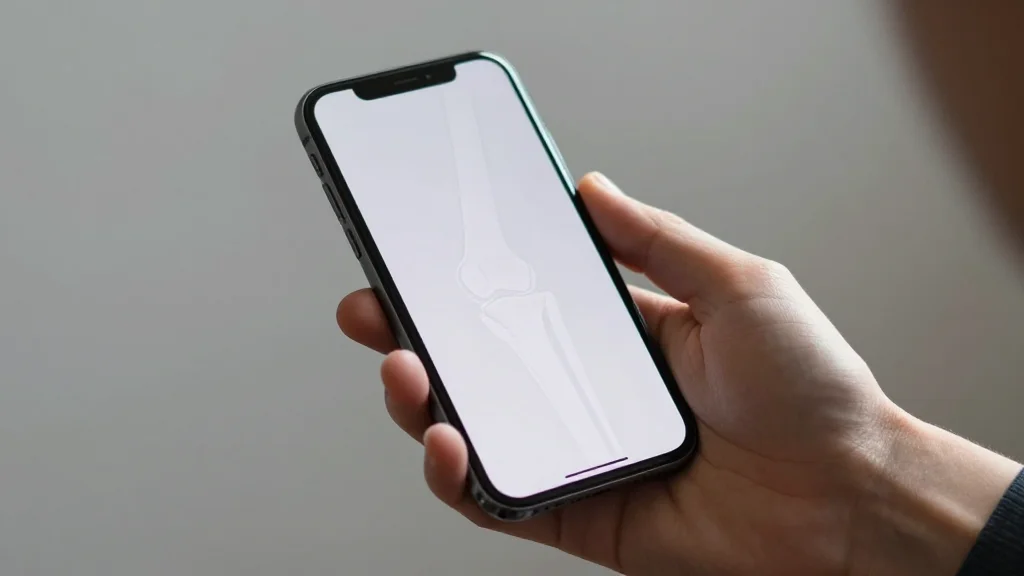
Bristol, North Somerset and South Gloucestershire ICB Awards Contract for Digital MSK Self-Management
The Bristol, North Somerset and South Gloucestershire Integrated Care Board (ICB) has awarded a two‑year, £206,692 (≈ $263,000) contract to getUBetter for a digital musculoskeletal (MSK) self‑management platform. The app, a Class 1 medical device certified by DTAC, will be embedded across...

Waters Expands Cervical Cancer Screening Access with At-Home HPV Test Approval
The U.S. FDA has cleared the Onclarity HPV Self‑Collection Kit and approved the BD Onclarity HPV Assay for at‑home cervical cancer screening. The kit detects every high‑risk HPV genotype, delivering both individual and pooled results, and is processed on the...

How to Use Real-World Data to Improve Drug Development, Starting with the Patient Journey
A new eBook from PurpleLab and MedCity News highlights how real‑world data (RWD) can expose hidden gaps in the non‑small cell lung cancer (NSCLC) patient journey, such as missed biomarker testing and transportation barriers. Recent state legislation now requires insurers...

NHS Preps for ‘Large-Scale’ Microsoft Procurement with £50k Benchmarking Exercise
NHS England is commissioning IDC for a 20‑week, £46,000 (~$58,400) benchmarking project to map Microsoft software licensing and pricing. The exercise, running from 13 April to 31 August, is a preparatory step for a large‑scale procurement that could dwarf the current £775 million...
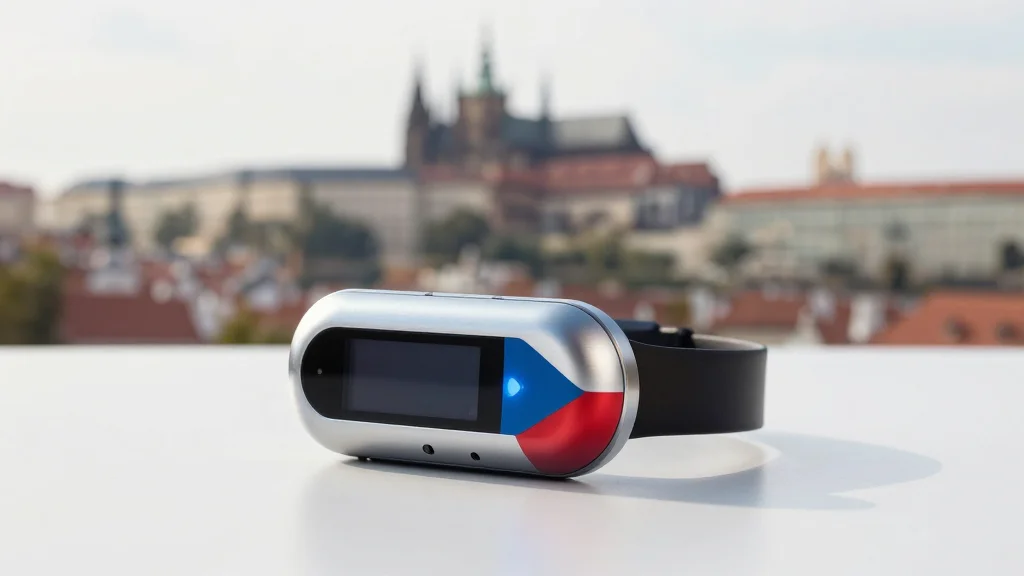
20 Future Czech HealthTech and MedTech Leaders
The Czech Republic’s healthtech and medtech sectors are shifting from fragmented early‑stage projects to profit‑focused, clinically validated businesses, positioning the country as a global contender. Despite a 7.7% drop in total startup investment to €540 million (≈$589 million) in 2025, the healthtech...

Astellas Exercises Option to License Dyno’s AAV Capsid for AI-Designed Gene Delivery
Astellas has exercised its option to license an AI‑engineered adeno‑associated virus (AAV) capsid from Dyno Therapeutics for skeletal muscle gene delivery, marking the first licensed asset from their 2021 partnership. The capsid, created using Dyno’s large‑scale in‑vivo data‑driven AI models,...
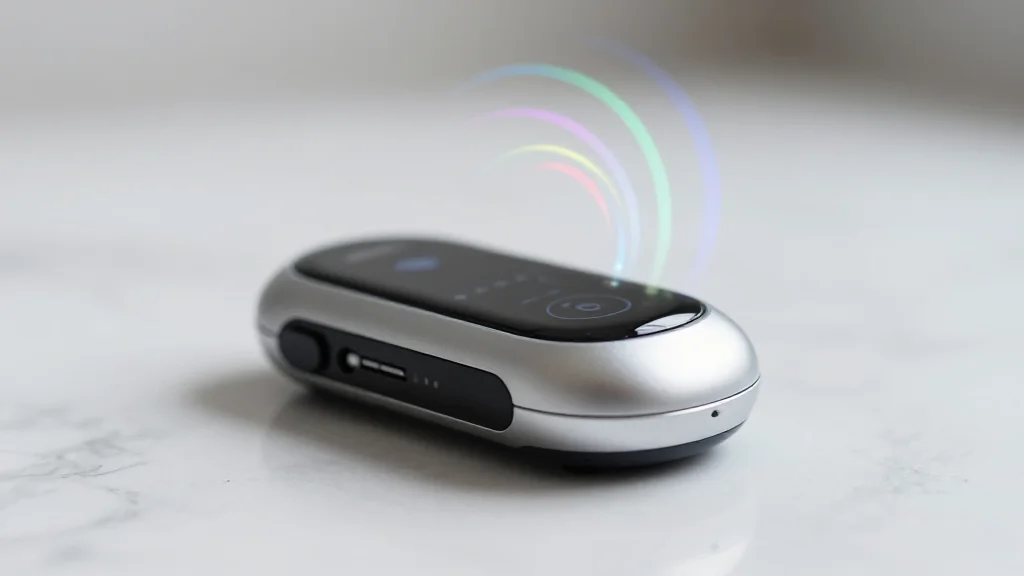
Temasek Trust's C3H Leads $1.2M Funding for Singaporean Healthtech Firm Injewelme
Temasek Trust’s Catalytic Capital for Climate and Health (C3H) led a US$1.2 million funding round for Singapore‑based health‑tech firm injewelme. The capital will accelerate deployment of the company’s DeepHealthVision (DHV) platform, which uses remote photoplethysmography and predictive AI to capture more...

Korea to Pilot AI-Driven Telemedicine in Indonesia
South Korea and Indonesia have signed a memorandum of understanding to launch AI‑driven teleconsultation pilots in Indonesia’s remote island communities. The partnership targets AI‑based primary healthcare, including public health, maternal‑child care, mental health, and digital wellness, with involvement from university...

Anumana Secures the US FDA 510(k) Clearance for Its ECG-AI Algorithm to Detect Risk of Cardiac Amyloidosis Early
Anumana has received FDA 510(k) clearance for its ECG‑AI algorithm, a software‑as‑a‑medical‑device that screens for cardiac amyloidosis using routine 12‑lead electrocardiograms. The AI model, originally developed at the Mayo Clinic, identifies subtle waveform patterns invisible to clinicians, enabling early risk...
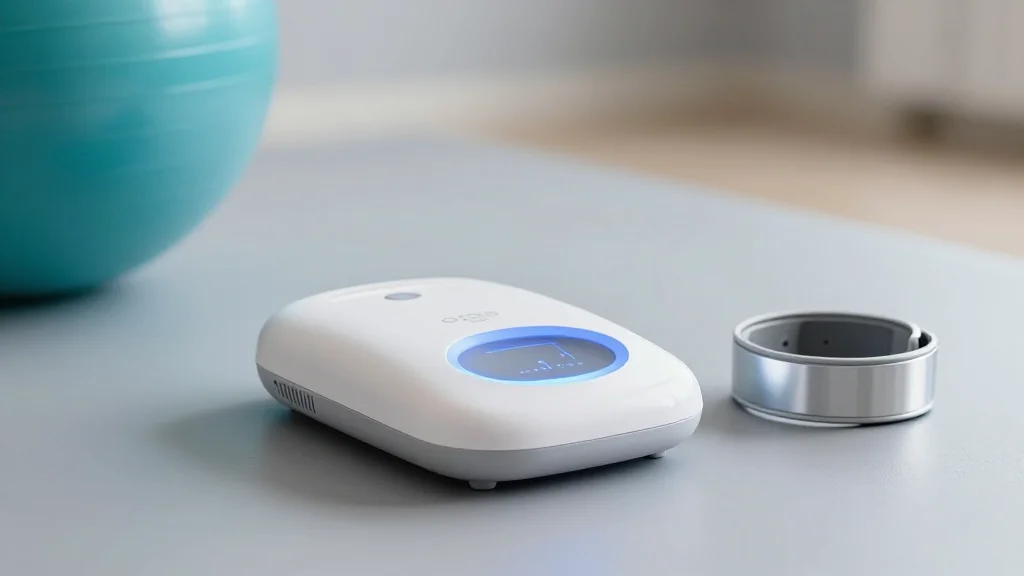
Kent Seeks AI Partner for Musculoskeletal Care
Kent Community Health NHS Foundation Trust is set to procure an AI‑driven digital physiotherapy service that will replace traditional musculoskeletal care pathways across the county. The selected UK supplier must provide a standalone, end‑to‑end clinical pathway, handling referral, triage, treatment...
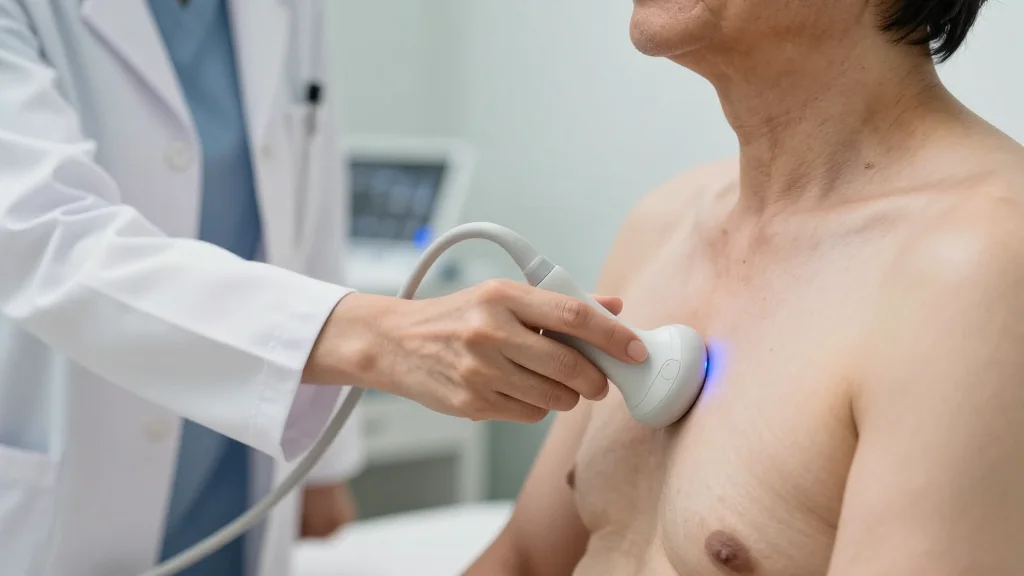
NIHR Fund Leeds AI Expansion
Leeds Teaching Hospitals Trust will broaden its artificial‑intelligence capabilities after receiving a £1.5 million (≈$1.9 million) award from the National Institute for Health and Care Research (NIHR). The funding will finance a trial of an AI‑enabled handheld cardiac ultrasound device aimed at...

Korea OKs First Gen AI-Powered CXR Reporting Tool
South Korea’s Ministry of Food and Drug Safety (MFDS) granted Class III approval to Soombit.ai’s AIRead‑CXR, the nation’s first generative AI‑powered software for draft chest‑X‑ray reporting. The vision‑language model was trained on more than 14 million chest X‑ray studies and can identify...

AI-Enabled Smart Sensor Identifies Fatigue
Researchers at the National University of Singapore unveiled an AI‑enabled smart sensor that detects fatigue with 92% accuracy, a jump from 64% using conventional sensors. The metahydrogel‑based platform combines nanoparticle vibration damping and liquid filtering to deliver an ECG signal‑to‑noise...

How VirtueLife Makes Home Physiotherapy Actually Work
VirtueLife, founded in 2023 by Yogesh and Ruby Patel, offers a SaaS platform that lets physiotherapists prescribe video‑guided home exercises from a library of about 2,000 movements. The system uses OpenAI‑powered AI to generate suggested plans, which clinicians must review...
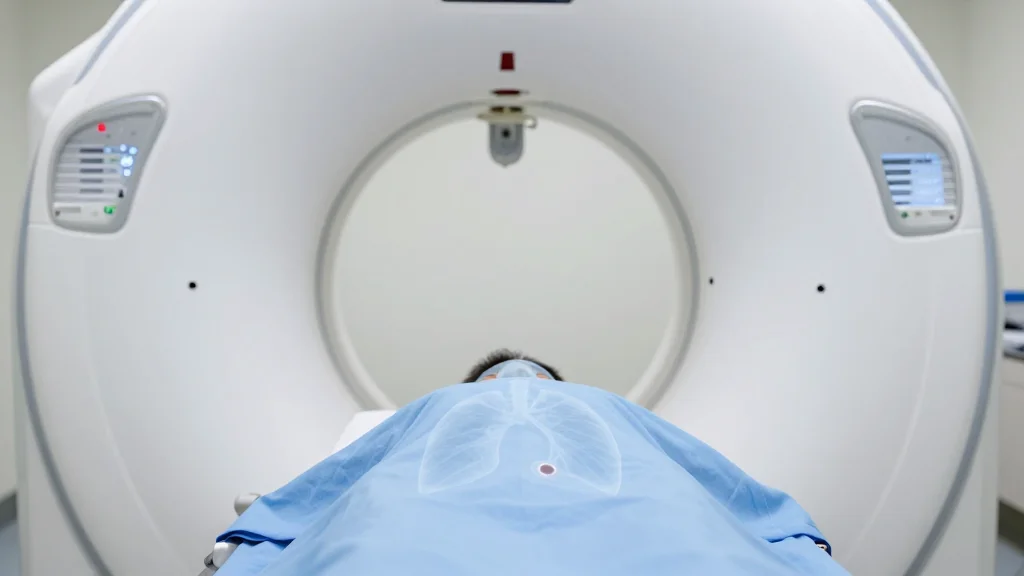
Bronchial Branch Tracing with Cone-Beam CT Tool-in-Lesion Confirmation for Peripheral Pulmonary Nodules
A prospective single‑center study evaluated adding cone‑beam computed tomography (CBCT) to a bronchial branch tracing and radial EBUS workflow for peripheral pulmonary nodules. CBCT‑guided re‑navigation boosted navigational yield from 75% to 90% and raised diagnostic yield to 80%, compared with...

Singapore: Smart, Personalised and Data-Driven Healthcare
Singapore is channeling a S$37 billion (≈US$27 billion) investment through its Research, Innovation and Enterprise 2030 plan to cement its status as a global biomedical hub. The plan’s first Grand Challenge, Maximising Healthy and Successful Longevity, targets ageing‑related health issues with a...
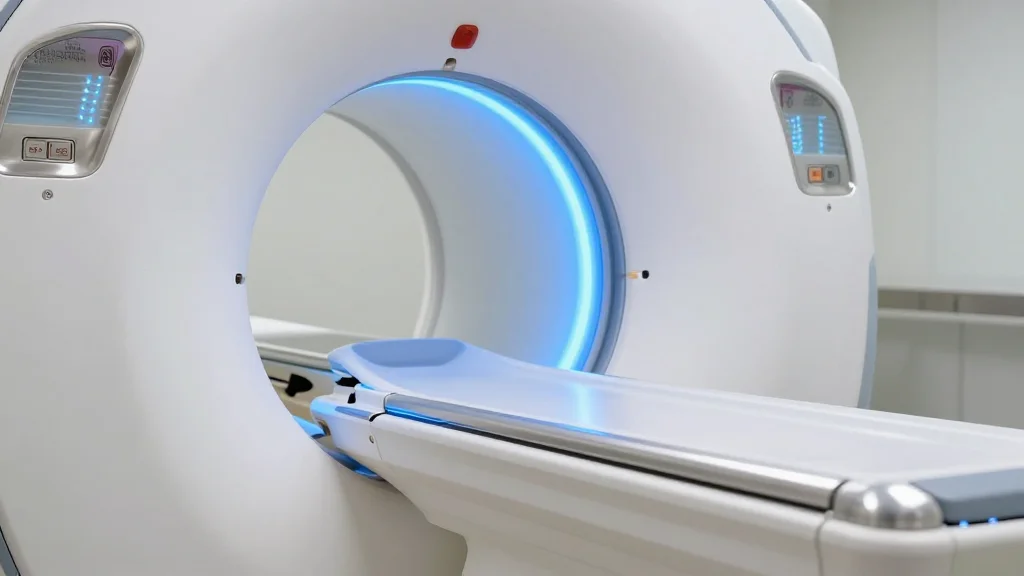
Imaging AI Targeting Parkinson's Earns FDA's De Novo Classification
Neuropacs Corp. received FDA De Novo classification for its AI‑driven MRI software that differentiates Parkinson’s disease from atypical parkinsonian syndromes. The tool quantifies MRI patterns of multiple system atrophy Parkinsonian variant and progressive supranuclear palsy, achieving a 96% AUC in...

Private Equity-Backed Groups More Likely to Offer Radiologists Remote Roles
RadBoard’s analysis of more than 4,000 radiology job postings shows that roughly one in four openings now offer fully remote work. Private‑equity‑backed radiology groups dominate the remote market, accounting for 49% of those positions, while hospital systems provide remote options...

Telemedicine Meets AI: The Future of Remote Healthcare Delivery
Remote healthcare has moved from pilot projects to a new standard, with 95% of HRSA‑funded health centers delivering primary care via telehealth in 2024. AI is no longer a chatbot overlay; it now provides real‑time clinical decision support, auto‑generated notes,...
Tricuspid Training Series: Transcatheter Tricuspid Valve Interventions
In a TCTMD podcast released on April 8, 2026, interventional cardiologists Rick Nishimura and Paul Sorajja explored transcatheter solutions for severe symptomatic tricuspid regurgitation. The discussion highlighted how catheter‑based repairs and replacements can address patients deemed too high‑risk for conventional surgery. They...

Inside the Challenging Development of a Low-Friction Micropump
Trelleborg Medical Solutions engineered a 15 mm, lubricant‑free micropump for wearable drug delivery, delivering 2‑10 µL per dose. The project required a novel LSR material that bonded to a PBT housing on one side while remaining ultra‑low friction on the other, and...

CorTec Becomes First German BCI Company to Get FDA Breakthrough Designation
The U.S. FDA granted Breakthrough Device designation to CorTec GmbH’s Brain Interchange, a fully implantable brain‑computer interface aimed at stroke rehabilitation. The system combines cortical signal recording with adaptive electrical stimulation in a closed‑loop platform to restore motor function. CorTec...
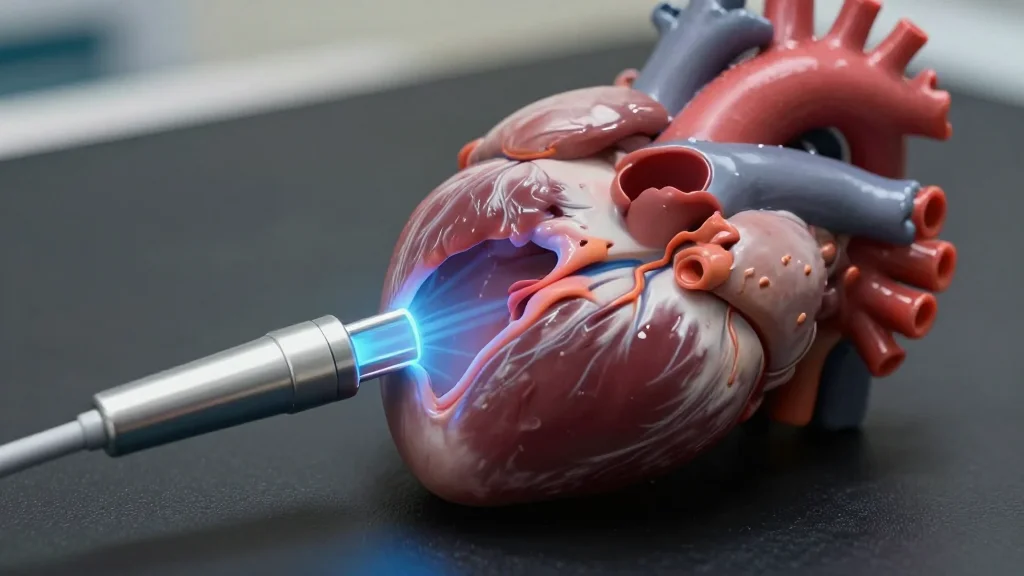
First Patients Treated in New PFA Trial
Pulse Biosciences has begun treating the first U.S. patients in the NANOPULSE‑AF pivotal trial using its nPulse nanosecond pulsed field ablation system for drug‑resistant paroxysmal atrial fibrillation. The device delivers five‑second, non‑thermal lesions without catheter repositioning, achieving a median 21‑minute...

These AI-Powered Guide Dogs Don't Just Lead, They Talk
Binghamton University researchers have built a robot guide dog that uses GPT‑4 to converse with visually impaired users, offering route planning and real‑time verbal navigation cues. The system was demonstrated at AAAI 2026 and tested with seven legally blind participants who...
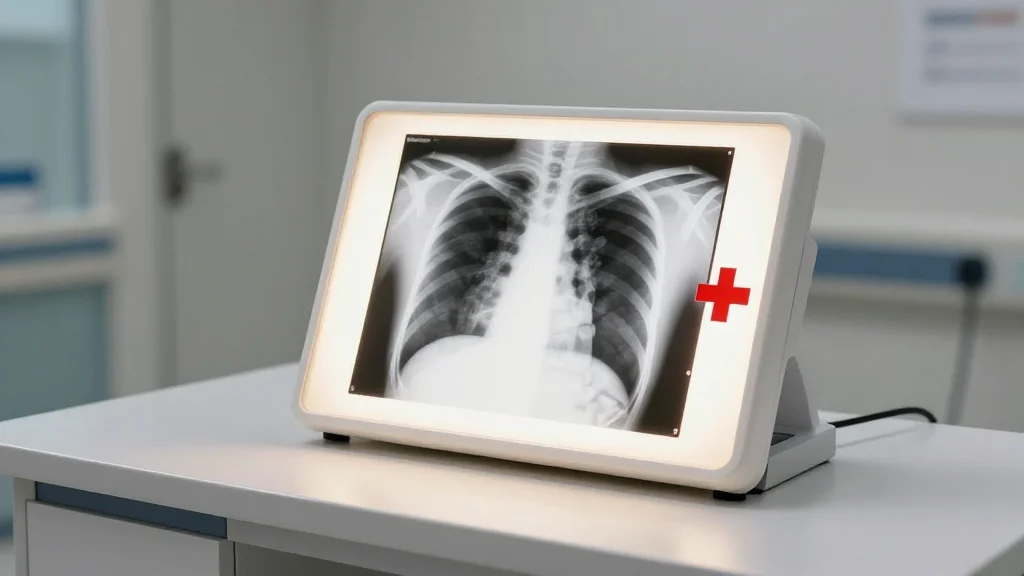
Michigan Hospitals Cut Pediatric X-Rays for Respiratory Illnesses by 40%
Michigan hospitals participating in a statewide quality‑improvement collaborative cut chest X‑ray use for pediatric respiratory illnesses by nearly 40 %. The program, launched in 2019 and funded by Blue Cross Blue Shield of Michigan and Blue Care Network, analyzed 114,238 emergency‑department...

DHA Starts the Bidding for $300M Tech Deployment Support Contract
The Defense Health Agency (DHA) has opened a five‑year, $300 million multiple‑award contract to fund technology deployment support across its health‑care delivery network. Companies will compete for task orders that cover site preparation, training, change management and post‑installation services for electronic...

Artificial Intelligence and Biology: AI’s Potential for Launching a Novel Era for Health and Medicine
Artificial intelligence is reshaping biology by rapidly predicting protein structures and gene variant effects, exemplified by AlphaFold’s Nobel‑winning breakthrough and AlphaGenome’s genome‑wide insights. Researchers are moving beyond correlation‑based models toward hybrid frameworks that combine causal knowledge with multimodal datasets, as...

Just How Bad Are Generative AI Chatbots for Our Mental Health?
Generative AI chatbots now serve over 987 million users worldwide, with roughly 64 % of American teens engaging them for advice, emotional support, and companionship. A recent analysis of 71 news stories covering 36 mental‑health crises found media coverage heavily weighted toward...

How Can More Efficient Data Sharing Improve Patient Care Plans?
Health Information Exchanges (HIEs) let clinicians, pharmacists and patients securely share vital medical data electronically, boosting care speed, safety and cost efficiency. Yet each HIE often uses its own data format, leading to fragmented records when patients see multiple providers....

Some Epic Health Systems Now Connect to SSA Through TEFCA
Epic Systems announced that health organizations using its EHR can now exchange patient records with the Social Security Administration instantly through the Trusted Exchange Framework and Common Agreement (TEFCA). The move adds five health systems—AltaMed, Citizen Potawatomi Nation Health Services,...

UNC Health, UNC-Chapel Hill Debut Platform for AI Development
UNC-Chapel Hill and UNC Health have launched SHIRE, a secure cloud‑based platform that lets credentialed researchers access curated electronic health record data for AI development. The system, built by the NC TraCS Informatics team, offers scalable computing power while maintaining...

HeyDonto AI Technology Closes $20M Seed Round at $200M Valuation to Scale Conduit — The Dental Interoperability Exchange
HeyDonto AI Technology announced a $20 million seed round that values the company at $200 million. The capital will be used to scale Conduit, its AI‑powered dental interoperability platform that links dental practice systems with medical EHRs, payers and patient apps. Conduit...

Patients Are Using Chatbots to Fight Medical Bills, With Mixed Results
Patients are increasingly turning to free AI chatbots like Claude and ChatGPT to dispute medical bills, exemplified by a couple who used Claude to challenge a $22,604 emergency‑room charge. The American Hospital Association has flagged this growing DIY trend as...

Rune Labs Launches StrivePD Guardian, an AI Companion for Parkinson’s Disease Powered by Claude
Rune Labs has introduced StrivePD Guardian, an AI‑powered companion for Parkinson’s disease that operates as an agentic system. The app, built on Anthropic’s Claude model, routes patient queries to specialized sub‑agents such as a Medication Assistant and PD Coach, while...
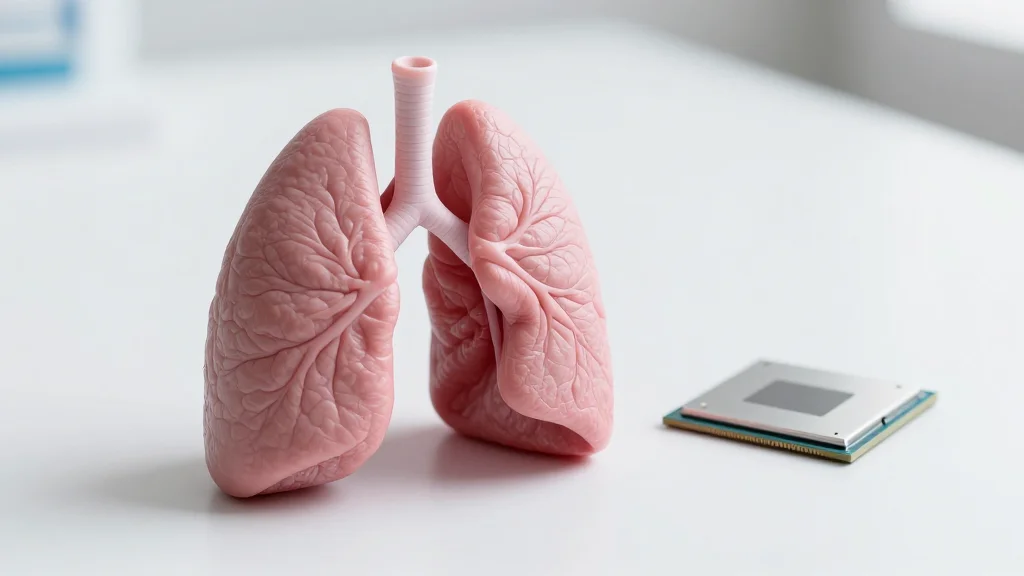
AI Uncovers Significant Misdiagnoses in Carcinoma Type, Study Shows
Caris Life Sciences published a JAMA Network Open study showing its GPSai algorithm identified misdiagnoses in lung squamous cell carcinoma (SCC). Among nearly 4,000 cases, 123 (3.1%) were re‑classified as metastases from other primary sites. The AI model combined molecular,...

Greenway Health Works With Customers to Implement Agentic AI Features
Greenway Health has launched Novare, an agentic‑AI‑powered EHR platform that rebuilds its clinical, revenue‑cycle and patient‑engagement services from the ground up. The system offers ambient note‑taking, voice‑activated chart search, intelligent coding, automated prior authorizations and real‑time benefit checks, aiming to...
Readers Write: Chatbots Are Repeating a Familiar Healthcare Mistake
Reader commentary highlights that AI‑driven chatbots are echoing long‑standing digital‑health missteps. Without clear federal or state mandates, health systems risk deploying fragmented tools that compromise patient safety and data security. The author urges providers to view chatbots as integral components...

Payer Denials and Prior Authorization Delays Are Top RCM Concerns
A recent HFMA/Guidehouse survey finds payer denials and prior‑authorization delays are the top revenue‑cycle concerns for hospitals. While 78% of respondents already use AI automation for manual RCM tasks, 59% have not applied AI to the revenue cycle itself. Denials...
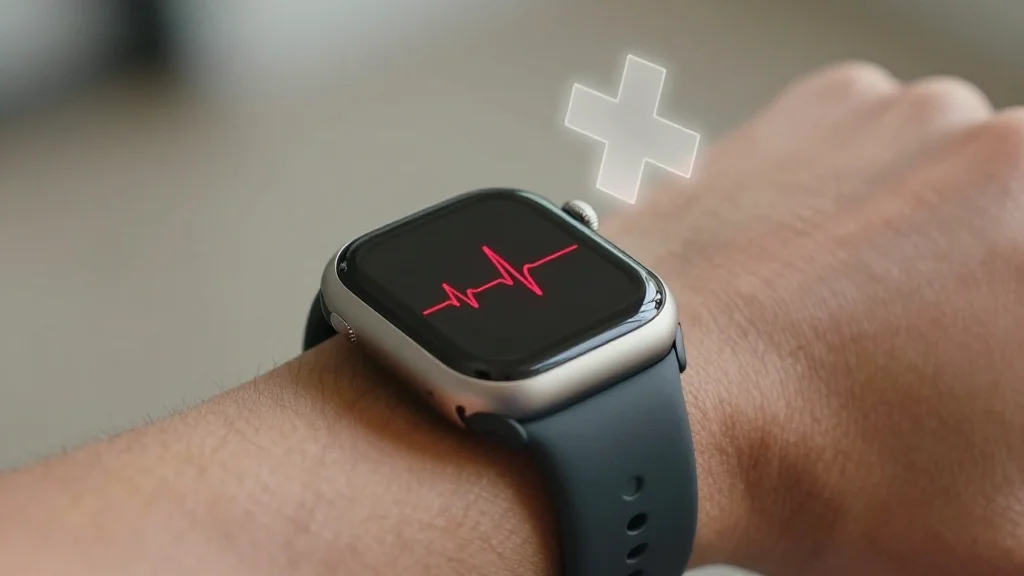
Closing Care Gaps with Wearables
American College of Cardiology (ACC) Chief Innovation Officer Dr. Ami Bhatt warned that wearable devices that flag disease risk must do more than alert users—they need to steer patients toward appropriate care pathways. As wearables become capable of detecting early...
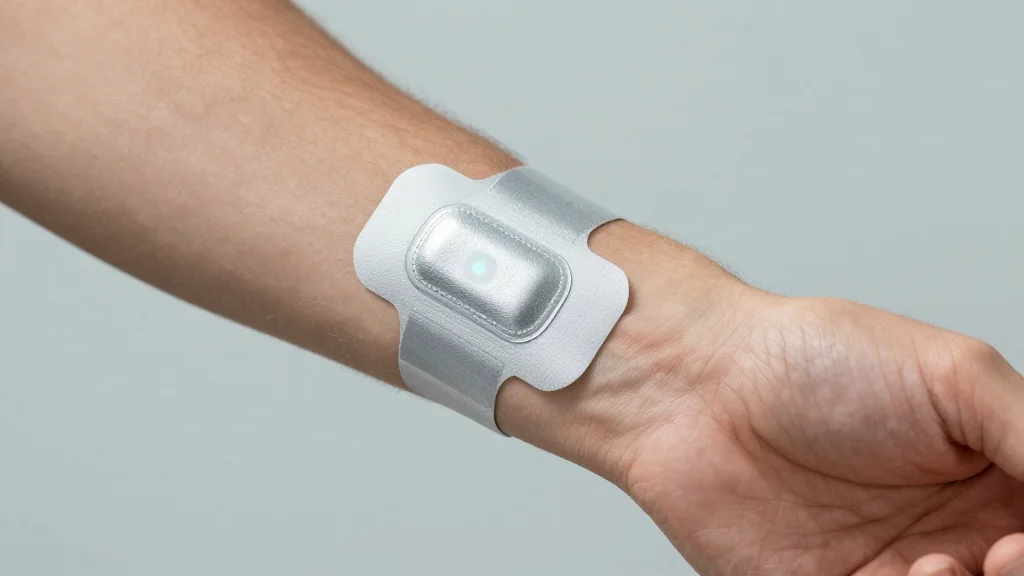
Beyond Consumer Use, Wearables May Be at a Clinical Turning Point
Wearable devices are moving from fitness accessories to clinical tools, as highlighted by Dr. Ami Bhatt, chief innovation officer of the American College of Cardiology, at HIMSS26. Sensors embedded in smart watches and patches can detect subtle physiological shifts that...

Scientists Develop AI Tool to Spot Heart Failure Risk Five Years Before It Strikes
Oxford researchers have created an AI algorithm that reads routine cardiac CT scans to flag patients at risk of heart failure up to five years before symptoms appear. In a study of 72,000 NHS patients followed for a decade, the...

Cardio Care and Neurotech in Focus at MedTech World North America | West Palm Beach 2026
MedTech World North America 2026 in West Palm Beach will spotlight cardiovascular AI and neurotechnology through its new Focus Panel series. The event highlights a booming AI cardiology market projected to reach $14.8 billion by 2033 and a neurotech market expected...

A New Way To Target Metastatic Cancer
Researchers have unveiled a protein‑based delivery platform that homes to lymph nodes and releases an immune‑activating antibody only in the presence of metastatic cancer. The two‑step system first accumulates in nodes after bloodstream injection, then opens in the tumor’s chemical...

Noninvasive Stool DNA Testing May Outperform Colonoscopy Long-Term in Real-World CRC Screening
A new microsimulation study published in the Journal of Medical Economics finds that three rounds of next‑generation multitarget stool DNA (mt‑sDNA) testing over ten years outperform a single colonoscopy in real‑world colorectal cancer (CRC) screening. Higher patient adherence—72% versus 38%...