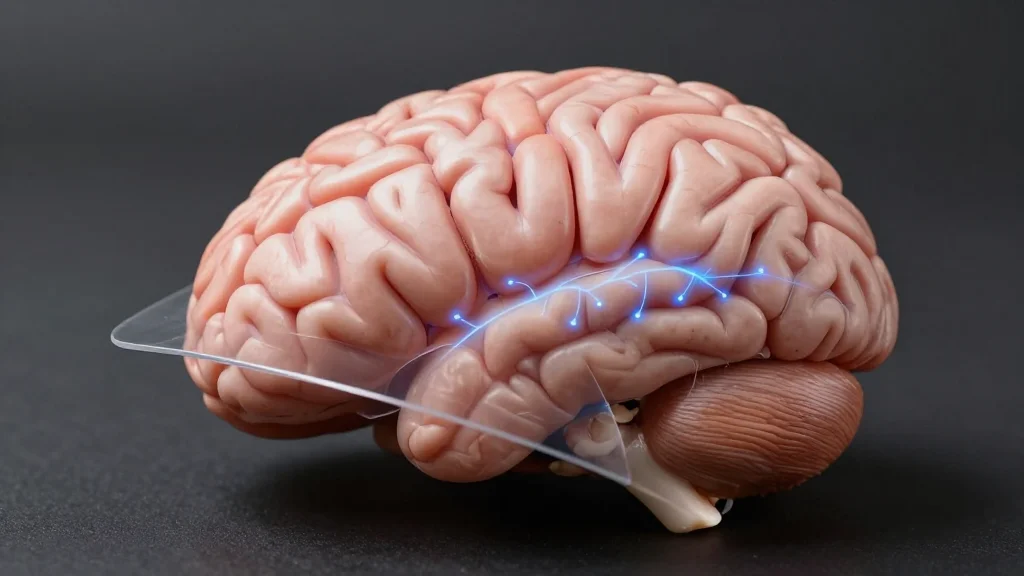
INBRAIN Neuroelectronics Completes Patient Recruitment for First-in-Human Study Evaluating Its Graphene Cortical Interface
Companies Mentioned
Why It Matters
Demonstrating safe, high‑resolution brain interfacing in humans validates graphene as a breakthrough material for neurotechnology, potentially accelerating advanced brain‑computer interfaces and precision neurosurgery.
Key Takeaways
- •Ten patients enrolled; eight treated with graphene cortical interface
- •No peri‑operative device failures observed in all treated patients
- •Study shows high‑resolution neural recording and stimulation capability
- •Graphene electrodes conform to brain surface, improving surgical mapping
- •Results expected later this year, paving path to commercialization
Pulse Analysis
Graphene’s emergence in neuroelectronics marks a turning point for brain‑computer interface (BCI) development. Its exceptional conductivity, flexibility, and biocompatibility address long‑standing limitations of rigid metal electrodes, enabling devices that can hug the brain’s convoluted surface. Industry analysts see graphene‑based interfaces as a catalyst for next‑generation neuro‑diagnostics and therapeutic tools, positioning companies like INBRAIN at the forefront of a market projected to exceed $5 billion by 2030.
The first‑in‑human trial, registered as NCT06368310, recruited ten patients undergoing tumor resections, with eight receiving the graphene cortical array. Researchers reported a flawless peri‑operative safety record and high‑fidelity recordings that captured high‑frequency neural activity during awake speech tasks. Such resolution surpasses conventional arrays, offering surgeons real‑time maps of functional regions and more precise stimulation. The study’s secondary endpoints—signal stability and compatibility with standard surgical equipment—further demonstrate the platform’s practicality for routine operating‑room use.
Looking ahead, INBRAIN plans to publish full trial data and pursue regulatory clearance, aiming to commercialize the technology for both intra‑operative monitoring and chronic BCI applications. Success could unlock new therapeutic avenues for epilepsy, paralysis and speech disorders, while also driving investment into graphene manufacturing pipelines. As the neurotech ecosystem seeks scalable, safe, and high‑performance interfaces, INBRAIN’s progress underscores graphene’s potential to become the new material standard in clinical neuroscience.
INBRAIN Neuroelectronics completes patient recruitment for first-in-human study evaluating its graphene cortical interface
Comments
Want to join the conversation?
Loading comments...