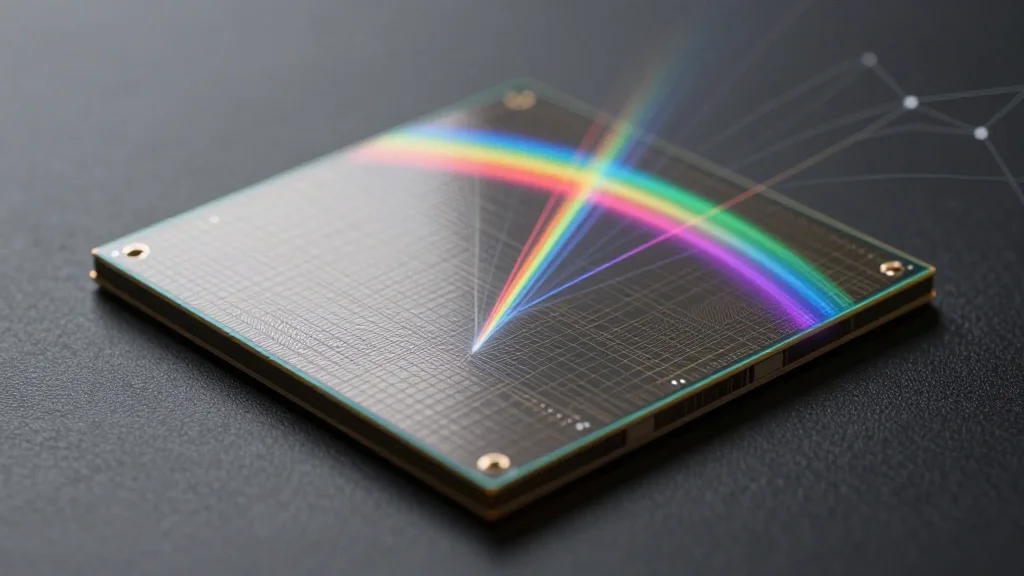
Teaching AI to Design Optical Surfaces Using Real-World Imperfections
Researchers at Singapore’s SUTD and collaborators in China have unveiled ExpForm, a transformer‑based deep‑learning framework trained directly on experimental spectra of optical Fourier surfaces. By ingesting over 25,000 angle‑resolved measurements, the model predicts forward and inverse optical responses with 99.79% fidelity while delivering roughly a 900‑fold speed increase over conventional simulations. The system enables rapid, angle‑programmable device design, cutting design cycles from hours to seconds and eliminating repeated fabrication steps. The full dataset has been released publicly, paving the way for broader AI‑driven photonics research.
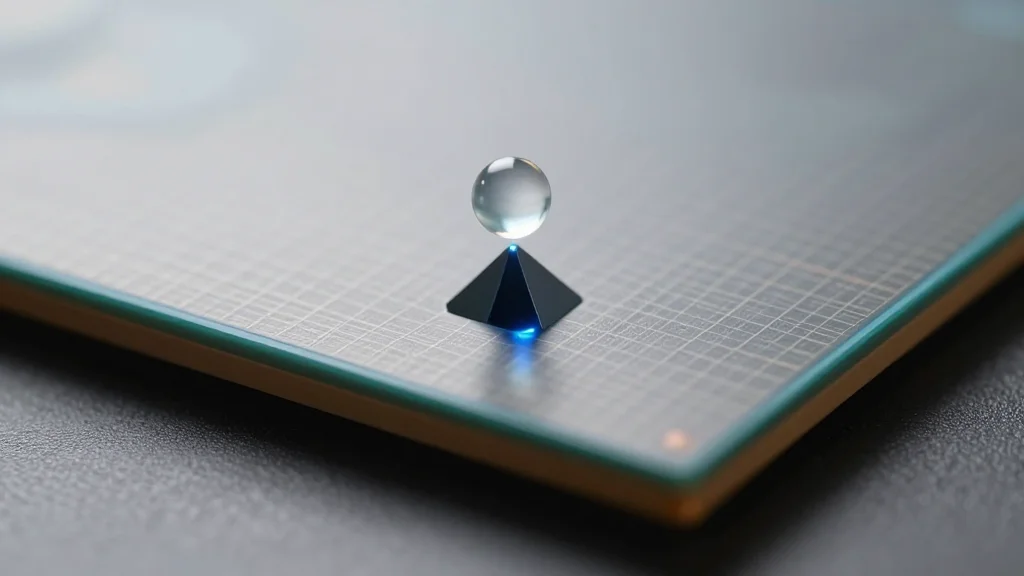
Tapered Silicon Nanopores Make Single Protein Detection Faster and Clearer
Researchers have engineered a pyramidal silicon nanopore lined with silicon dioxide that concentrates the electric field and minimizes protein adhesion, enabling rapid, high‑clarity single‑protein detection. The fabrication process uses real‑time ionic current monitoring to stop wet etching at the nanoscale,...

Fewer Animal Experiments Thanks to Virtual Mouse
Researchers at Switzerland's Empa have built an AI‑driven virtual mouse that predicts how nanomaterials distribute throughout a mouse body. The physiologically based pharmacokinetic (PBPK) model, trained on 18 published mouse studies, uses Bayesian MCMC and multivariate linear regression to adapt...
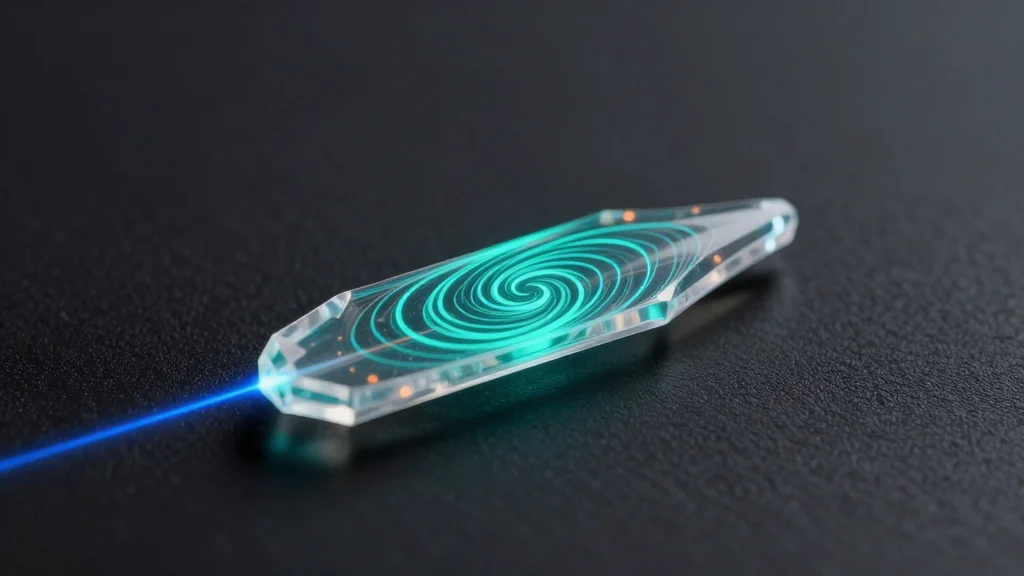
Light-Switchable Molecules Could Tune Spin Waves in 2D Magnets
Researchers propose a light‑switchable molecular layer to program spin‑wave propagation in 2D magnetic CrSBr. The iron‑based spin‑crossover molecule Fe‑pz expands under illumination, straining the CrSBr lattice and shifting magnon bandgaps. Computational models predict that a periodic array of twenty molecular...
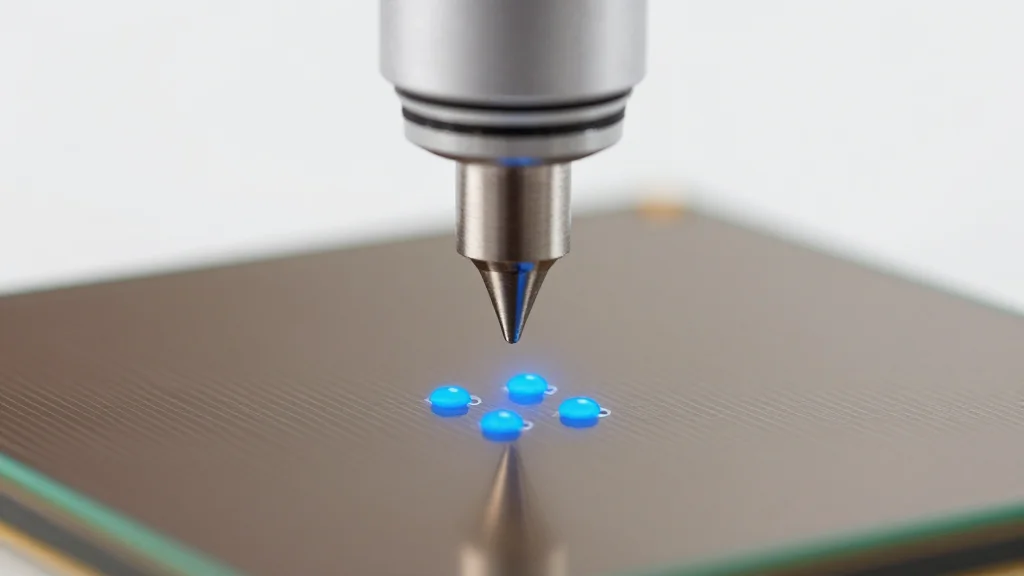
Atomically Precise Mechanosynthesis of Carbon Structures on Hydrogenated Si(100) by Inverted-Mode STM
Researchers have used an inverted‑mode scanning tunneling microscope to deposit carbon atoms onto a hydrogen‑passivated Si(100) surface with atomic precision. The technique allows single‑site carbon donation, spatially patterned multi‑site donation, and stepwise assembly of polyyne chains through controlled C‑C bond...

A New Way to Move Heat Could Transform Energy and Electronics
Researchers at Carnegie Mellon, Stanford and Purdue have experimentally demonstrated that engineered metamaterials can amplify near‑field radiative heat transfer by up to four times. By patterning microscopic gold structures on thin membranes and placing them a few hundred nanometers apart,...
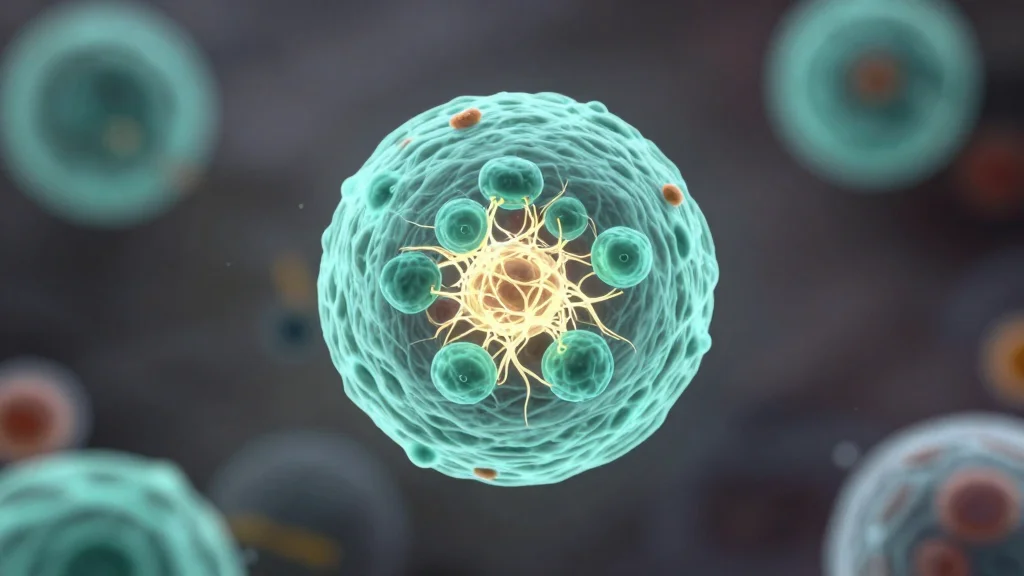
Self-Assembling Peptide Helps Liver Cancer Drugs Escape Lysosome Traps
Researchers engineered a self‑assembling peptide, RS‑FS, that remains as nanospheres in blood but converts to nanofibers inside the acidic, reducing environment of hepatocellular carcinoma lysosomes, where it damages the organelle and frees trapped drugs. In mouse models, RS‑FS combined with...
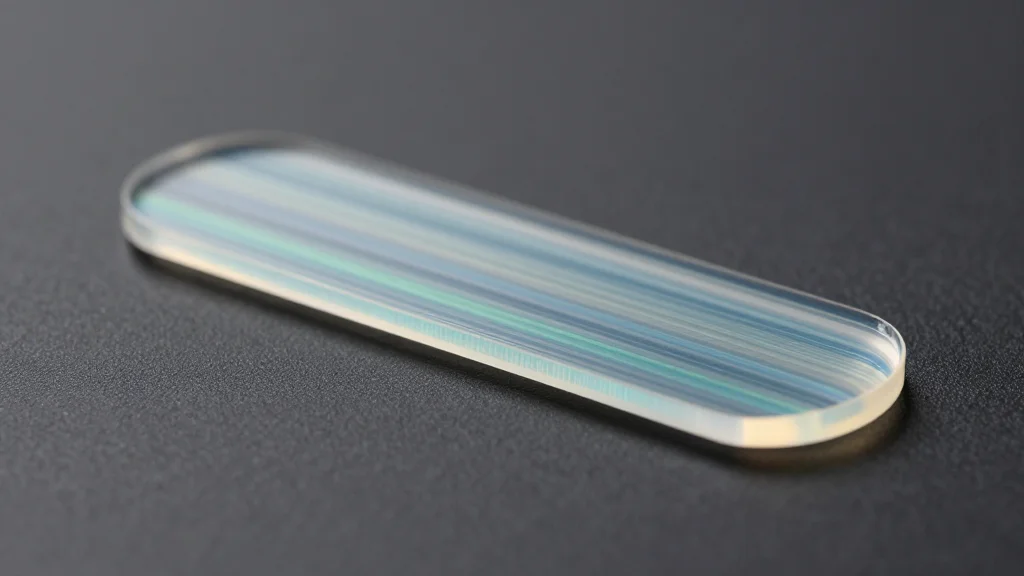
3D Printed Polymers Gain Ordered Nanostructures During Fabrication
Researchers unveiled a new resin strategy called Polymerization‑Induced Arrangement of Nanostructures with Order‑tunability (PIANO) that lets light‑based 3D printers create ordered block‑copolymer domains during curing. By replacing permanent crosslinkers with ethylene glycol, the resin maintains chain mobility long enough for...
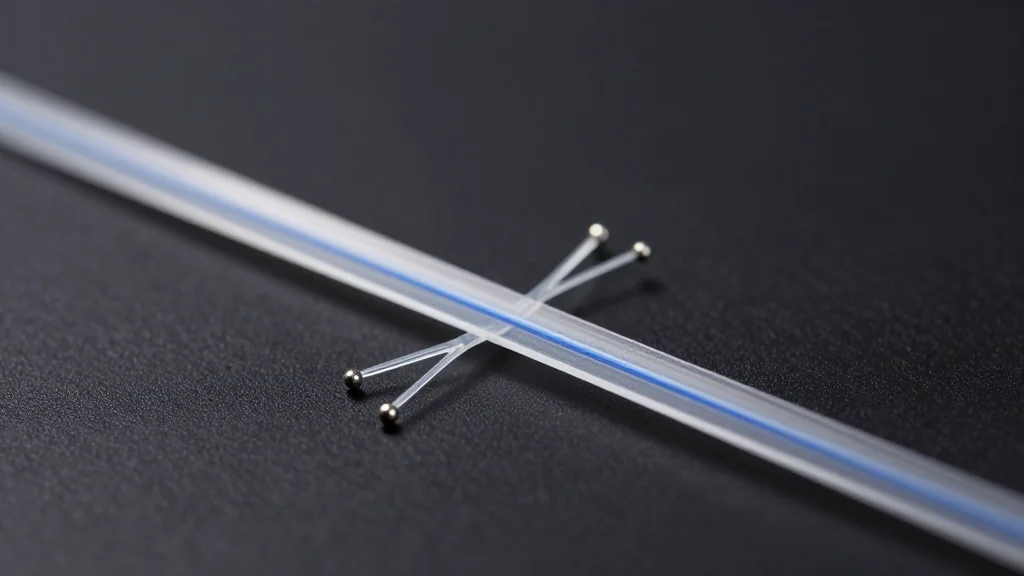
Controlling the Formation of Carbon Nanotubes and Junctions From Bilayer Graphene
Researchers at the University of Tübingen and Helmholtz‑Zentrum Dresden‑Rossendorf demonstrated that a focused 200 kV electron beam can cut twisted bilayer graphene at half the twist angle, causing the exposed edges to reconnect into carbon nanotubes, arrays, and Y‑shaped junctions. Ribbons...

Nanosys Receives $2M to Develop Heavy-Metal-Free Quantum Dots
Nanosys Inc. secured a $2,000,001 grant from the U.S. Department of Energy to create heavy‑metal‑free quantum dots for solid‑state lighting. Partnering with the University of California, Merced, the team will target LEDs operating at up to 150 °C and 1 W/mm², aiming...
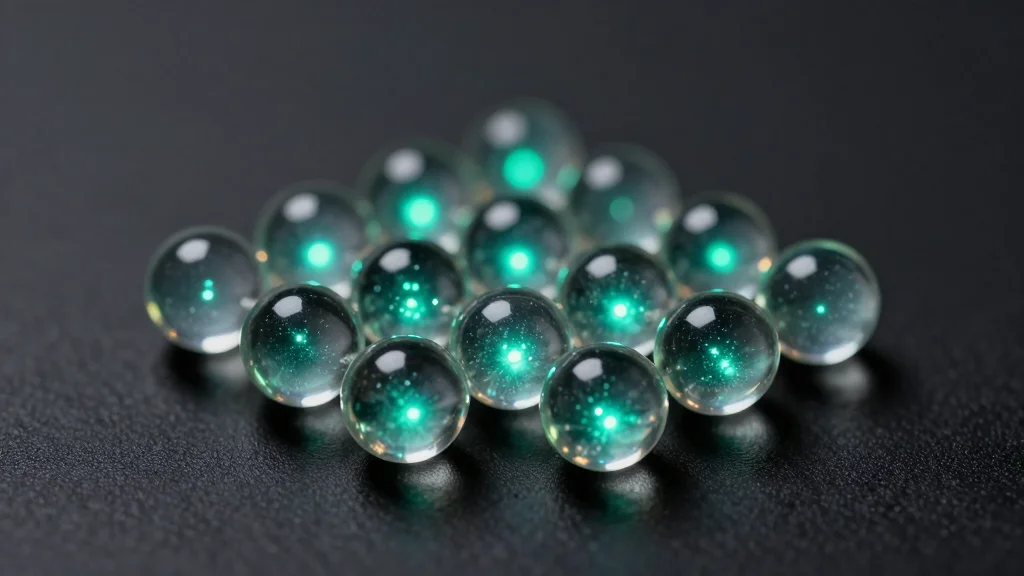
Glass Microspheres Make Perovskite Quantum Dots Tougher for Micro-LED Color Conversion
Researchers have developed submicron glass microspheres that encapsulate perovskite quantum dots (QDs) and incorporate silver bromide to improve durability for micro‑LED color‑conversion applications. The glass matrix protects the QDs from moisture and heat, while the bromide source heals halide vacancies...
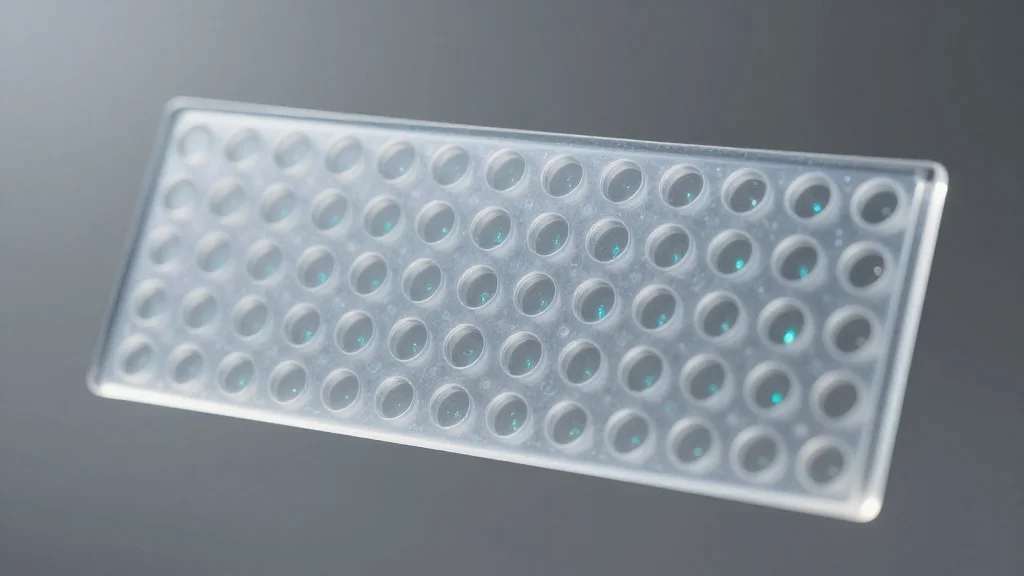
Two Nanopores Working in Concert to Control Molecular Traffic
Researchers at the University of Stuttgart, in partnership with the University of Michigan and Arizona State University, used DNA nanotechnology to construct a synthetic membrane featuring two dynamically interacting nanopores. Activation of one pore triggers the formation of the second,...

Secret World of Cellular Communication Visualized in 3D Thanks to New Nanoscopy Method
Australian National University researchers unveiled RO‑iSCAT, a label‑free nanoscopy method that captures living cells in three dimensions over days. By rotating illumination and stacking images, the technique amplifies weak light signals tenfold, revealing dynamic, thread‑like nanoscale bridges that mediate cell‑to‑cell...
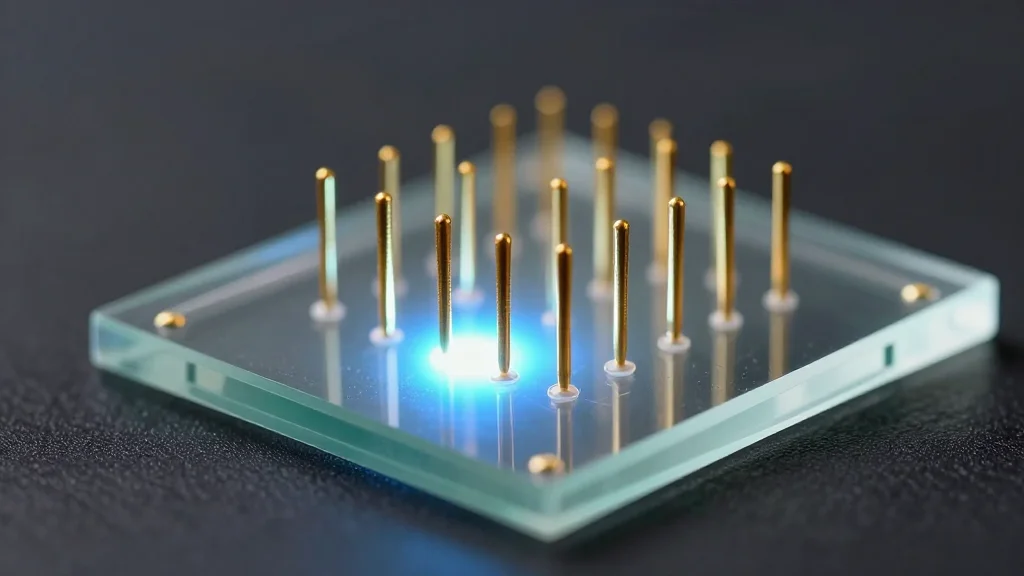
Gold Antennas Thinned to the Atomic Scale Intensify Light in 2D Materials
Researchers have fabricated single‑crystal gold nanoribbon arrays thinner than 5 nm and integrated them with monolayer transition‑metal dichalcogenides. By matching the vertical dimension of the plasmonic antenna to the atomic thickness of the semiconductor, the near‑field intensity is concentrated directly within...
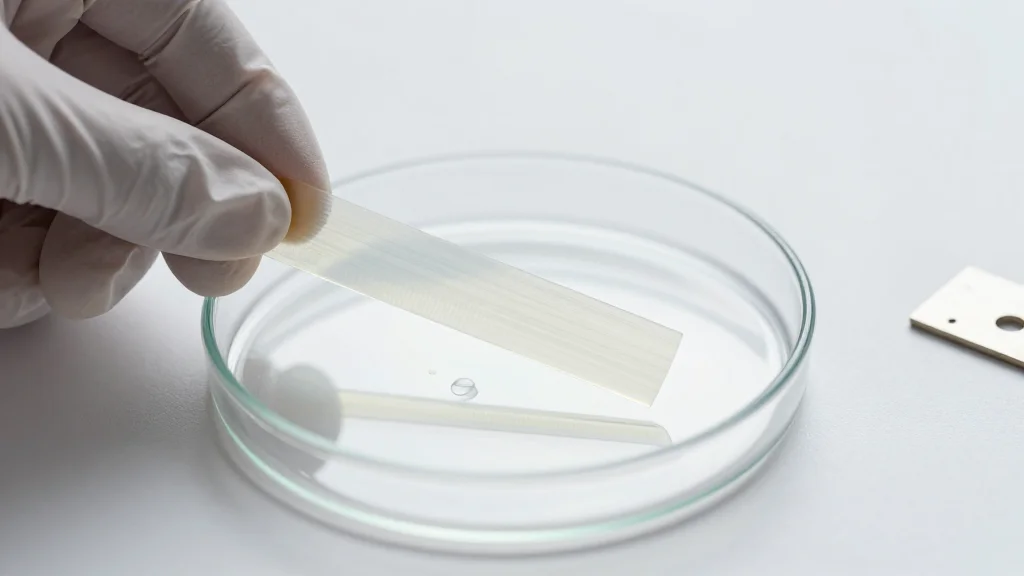
Covalent Organic Frameworks Boost Proton Conductivity in Fuel Cell Membranes
A new review in the Chinese Journal of Polymer Science shows that embedding covalent organic frameworks (COFs) into proton‑exchange membranes (PEMs) creates continuous proton channels, dramatically improving conductivity under low humidity and high‑temperature conditions. Adding just 0.6 wt % sulfonated COF nanosheets...