Key Takeaways
- •AI virtual mouse predicts nanoparticle biodistribution from size, coating, charge
- •Model trained on 18 peer‑reviewed mouse studies using Bayesian MCMC
- •Reduces need for live‑animal experiments, cutting time and cost
- •Supports Safe and Sustainable by Design (SSbD) framework for nanomaterials
- •Planned human PBPK adaptation could assess blood‑brain barrier crossing
Pulse Analysis
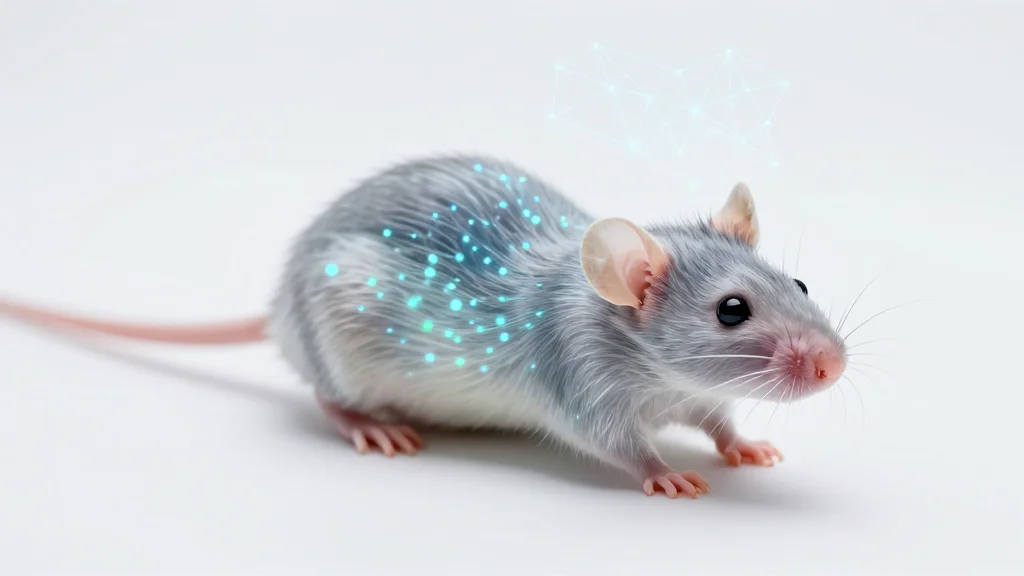
Nanotechnology promises to carry chemotherapy across the blood‑brain barrier, a long‑standing obstacle in treating brain tumors. Traditional routes rely on mouse experiments to gauge how particle size, shape and surface chemistry affect organ distribution, a process that is costly, time‑consuming, and increasingly scrutinized by animal‑welfare regulations. Empa’s new AI‑enabled virtual mouse sidesteps these hurdles by simulating nanoparticle behavior in silico, offering researchers a rapid, repeatable method to screen candidates before any wet‑lab work begins.
The model blends a physiologically based pharmacokinetic framework with Bayesian Markov chain Monte Carlo simulations and multivariate linear regression. Drawing on data from 18 peer‑reviewed mouse studies, it calibrates its parameters to the measurable descriptors of each nanoparticle, delivering predictions that rival single‑substance PBPK models while handling diverse chemistries. This computational efficiency translates into shorter development cycles and reduced R&D spend, giving biotech firms a competitive edge in the fast‑moving nanomedicine market.
Beyond cost savings, the virtual mouse aligns with the Safe and Sustainable by Design (SSbD) paradigm, promoting early safety assessment and minimizing animal use. Its creators aim to scale the approach to a human PBPK model, enabling virtual trials that evaluate blood‑brain‑barrier crossing and organ‑specific toxicity. As regulators increasingly accept validated in‑silico data, such tools could reshape preclinical pipelines, fostering faster, more ethical pathways from nanomaterial discovery to clinical application.
Fewer animal experiments thanks to virtual mouse
Comments
Want to join the conversation?