🎯 Today's Nanotech Pulse
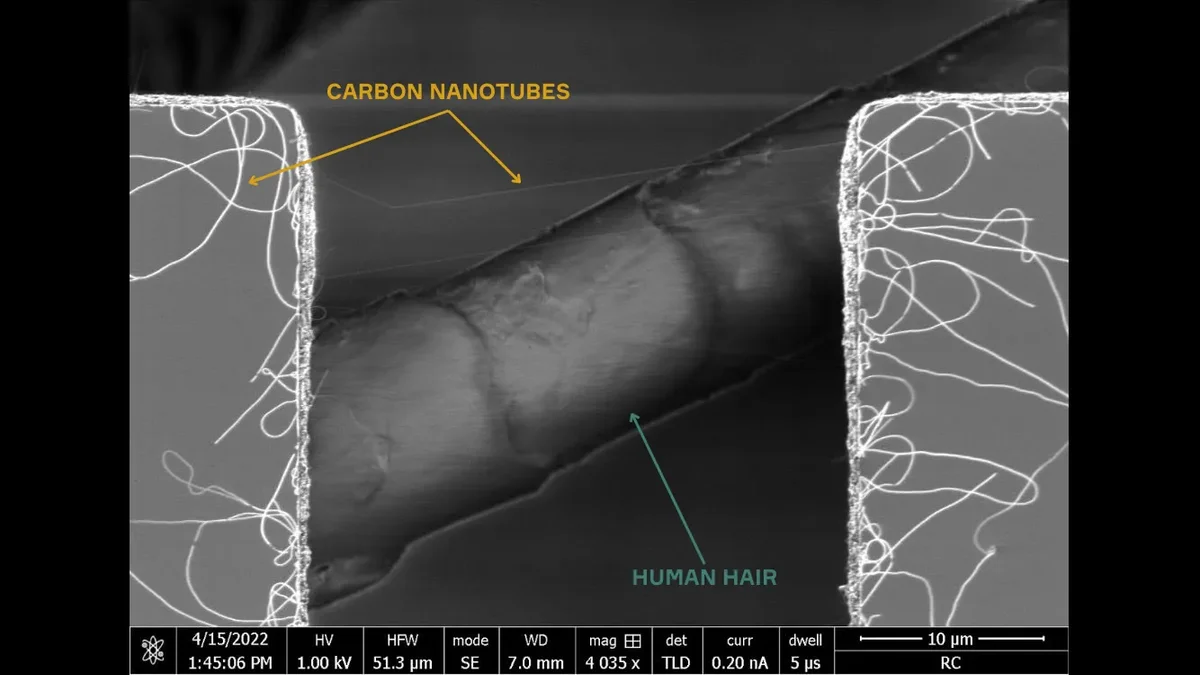
C12 launches Pick & Place nano‑assembly to standardize carbon‑nanotube qubit production
C12 introduced Pick & Place, a patented process that accurately positions single‑walled carbon nanotubes onto pre‑fabricated quantum circuits. By decoupling high‑temperature nanotube growth from chip lithography and adding real‑time electrical prescreening, the method removes substrate‑induced qubit variability. In a four‑week trial the company assembled 50 quantum devices.
🚀 Top Nanotech Headlines
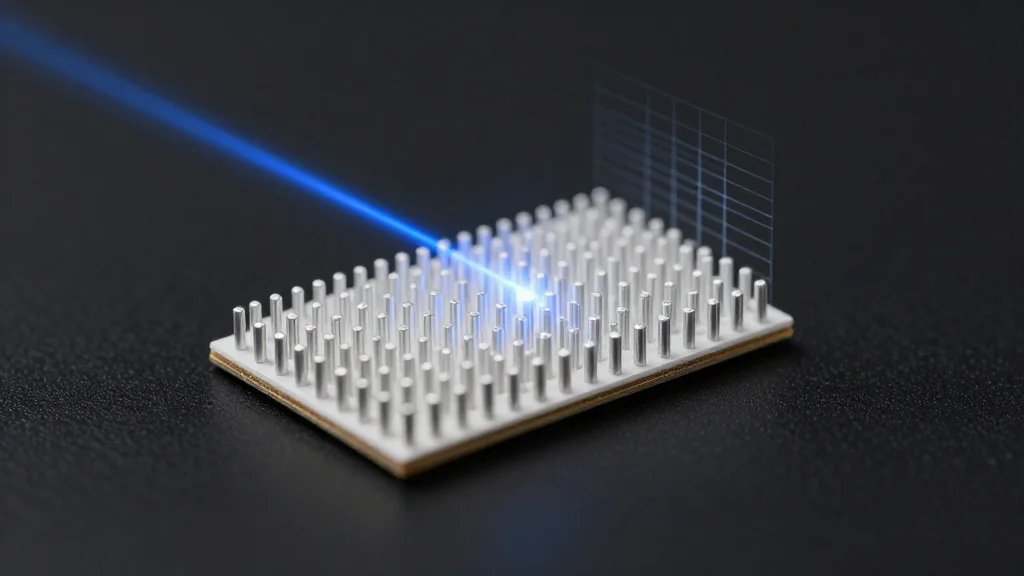
AI Paired with Tiny Optical Device Corrects Distorted Light for Sharper Imaging
Blurry light from lens imperfections is a problem everywhere, from microscopes to telescopes to smartphone cameras. Using a tiny yet carefully engineered optical element and artificial intelligence, University of California San Diego engineers have built a way to spot and correct those distortions from a single image—a step that could make advanced optical systems faster, smaller and easier to use.
Phys.org – Nanotechnology
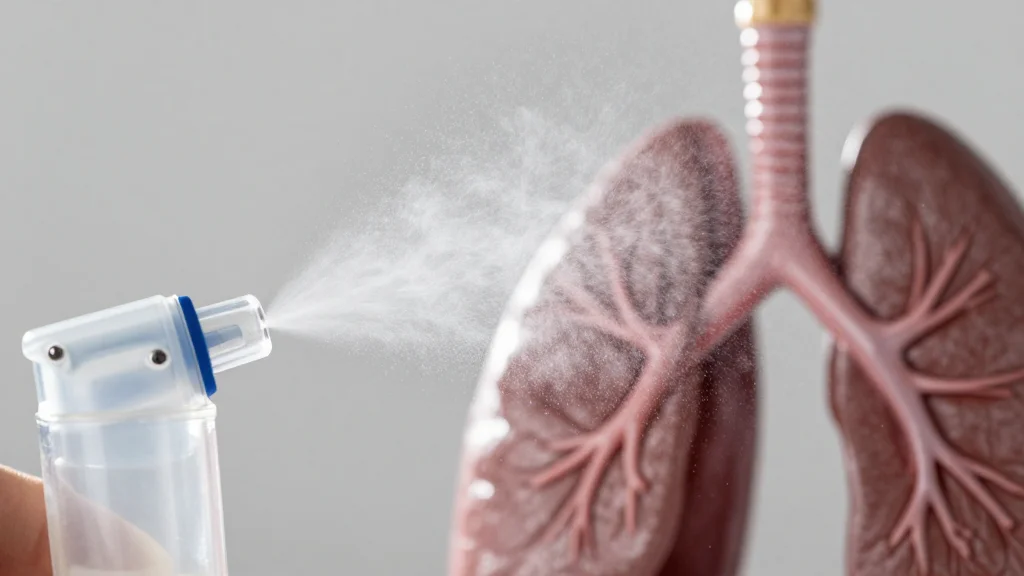
Nanoparticles Inspired by Lung Fluid Improve Therapies Targeting Respiratory System
The CIC biomaGUNE Center for Cooperative Research in Biomaterials has developed pulmonary surfactant nanoparticles (the blend of lipids and proteins that line the alveoli and enables breathing), which are encapsulated in a drug used to treat pulmonary fibrosis. The researchers show that these nanoparticles are highly capable of remaining trapped in the diseased tissue after being administered via the pulmonary pathway. This allows the doses of antifibrotic medication to be cut, and thus reduces the potential side effects associated with conventional therapies. Tests carried out on mice displayed a therapeutic effect on pulmonary fibrosis.
Phys.org – Nanotechnology
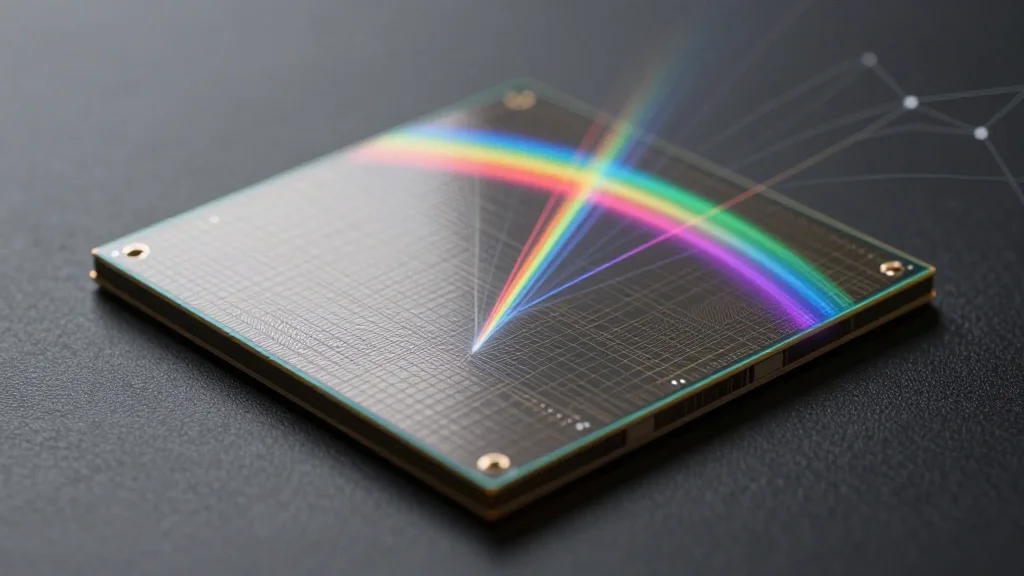
Teaching AI to Design Optical Surfaces Using Real-World Imperfections
Researchers developed an AI-powered deep-learning framework trained on experimental data rather than simulations, enabling faster and more accurate design of light-controlling nanostructures.
Nanowerk