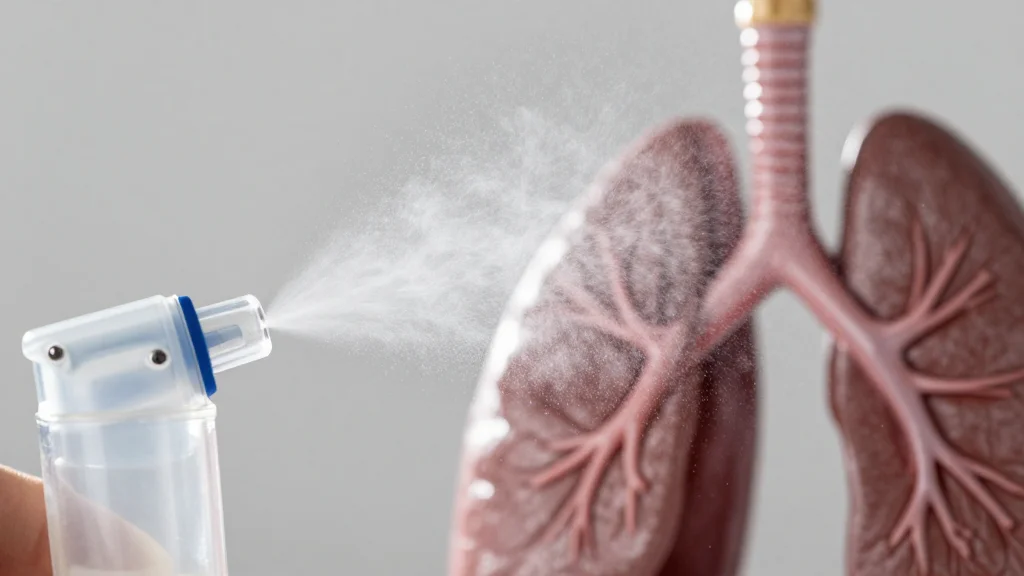
Nanoparticles Inspired by Lung Fluid Improve Therapies Targeting Respiratory System
Why It Matters
By targeting the diseased lung tissue directly, the technology could transform treatment of pulmonary fibrosis and other respiratory disorders, reducing drug doses and minimizing adverse effects. This breakthrough also paves the way for broader adoption of inhaled nanomedicines across the biotech industry.
Key Takeaways
- •Pulmonary surfactant nanoparticles retain 90% of dose in mouse lungs
- •Microfluidic synthesis yields uniform, reproducible particles with high drug encapsulation
- •Inhaled delivery cuts systemic exposure, potentially reducing liver‑related side effects
- •Biomimetic surfactant design improves distribution and avoids immune clearance
- •Study shows therapeutic effect on pulmonary fibrosis in preclinical models
Pulse Analysis
The CIC biomaGUNE team’s use of pulmonary surfactant as a nanocarrier marks a shift toward biomimicry in drug delivery. By reproducing the exact lipid‑protein composition that lines alveoli, the particles blend seamlessly with lung tissue, achieving unprecedented retention rates. Microfluidic manufacturing adds a layer of precision, producing particles with tightly controlled diameters and consistent drug loading, which is essential for scaling up and meeting regulatory standards.
Pulmonary fibrosis remains a therapeutic challenge, with oral antifibrotic agents often causing liver toxicity and limited efficacy due to poor lung penetration. Inhalation offers a direct route, but conventional aerosols suffer from uneven distribution and rapid clearance by immune defenses. The surfactant‑based nanoparticles address these hurdles by mimicking endogenous material, enhancing spread across the respiratory surface while evading macrophage detection. The preclinical data showing significant fibrosis reduction in mice suggest that lower doses could achieve comparable or superior outcomes, potentially reshaping clinical protocols.
From a market perspective, the technology aligns with the growing demand for targeted inhaled therapies, a segment projected to exceed $15 billion by 2030. Its reproducible microfluidic process lowers manufacturing variability, a key concern for investors and regulators. Moreover, the platform’s versatility could extend to antibiotics, antivirals, and gene‑editing tools, broadening its commercial appeal. As biotech firms seek to differentiate pipelines, surfactant‑inspired nanomedicines may become a cornerstone of next‑generation respiratory treatments.
Nanoparticles inspired by lung fluid improve therapies targeting respiratory system
Comments
Want to join the conversation?
Loading comments...