
Nanoparticles Inspired by Lung Fluid Improve Therapies Targeting Respiratory System
Researchers at CIC biomaGUNE have created pulmonary surfactant nanoparticles that encapsulate antifibrotic drugs and can be delivered by inhalation. Using a microfluidic synthesis platform, the particles achieve uniform size, high drug loading and 90% retention in mouse lungs, dramatically lowering systemic exposure. Preclinical trials demonstrated a therapeutic effect on pulmonary fibrosis, suggesting dose reductions and fewer side effects compared with oral therapies. The biomimetic design leverages native lung surfactant proteins and lipids to improve distribution and evade immune clearance.
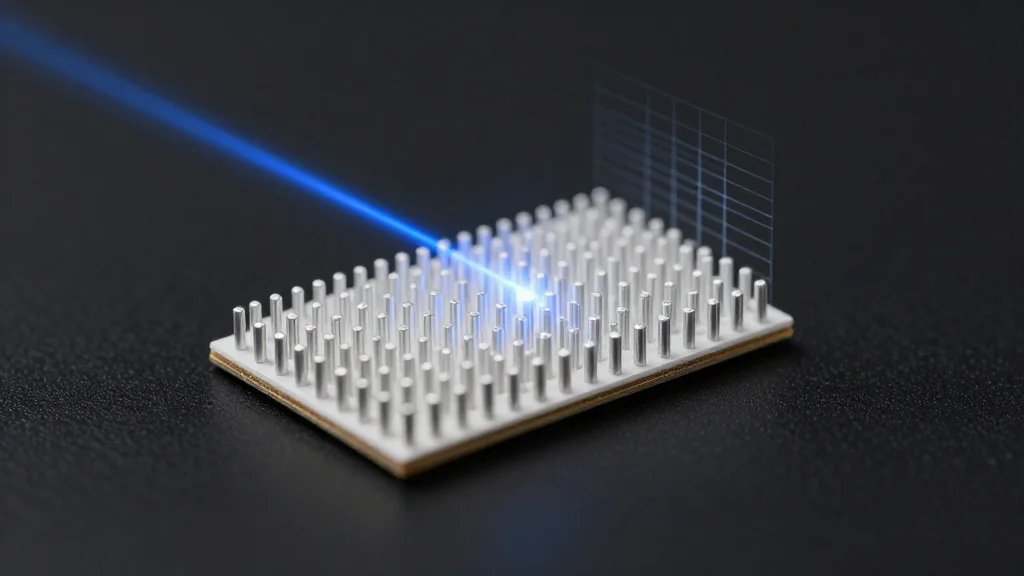
AI Paired with Tiny Optical Device Corrects Distorted Light for Sharper Imaging
University of California‑San Diego engineers have combined an AI‑designed metasurface with a deep‑learning analysis system to detect and correct optical distortions from a single image. The tiny device—about 1 cm by 0.5 mm—uses nanofabricated titanium‑dioxide pillars and can operate across multiple wavelengths...

Empa Uses Graphene to Test and Refine the SSbD Framework
Researchers at Switzerland's Empa have applied the European Commission’s Safe and Sustainable by Design (SSbD) framework to graphene, using the well‑studied 2‑D material as a proving ground for nanomaterials. Leveraging a decade of data from the Graphene Flagship, they examined...

GMG Applies for Additional Environmental Approvals to Produce Graphene in the U.S
Graphene Manufacturing Group (GMG) has filed an additional EPA application to manufacture graphene products, including coatings, lubricants, and fluids, within the United States. The filing, known as a SNUN, builds on an existing PMN that currently allows GMG to export...

Printable 3D Metalenses Bring Full-Colour VR Displays Closer to Scalable Nanomanufacturing
Researchers published a scalable method for three‑dimensional achromatic metalenses using grayscale electron‑beam lithography combined with nanoimprint replication. Height‑encoded nano‑templates provide precise multi‑wavelength phase control, achieving diffraction‑limited focusing across RGB with Strehl ratios above 0.8 and efficiencies near 12 %. The process...
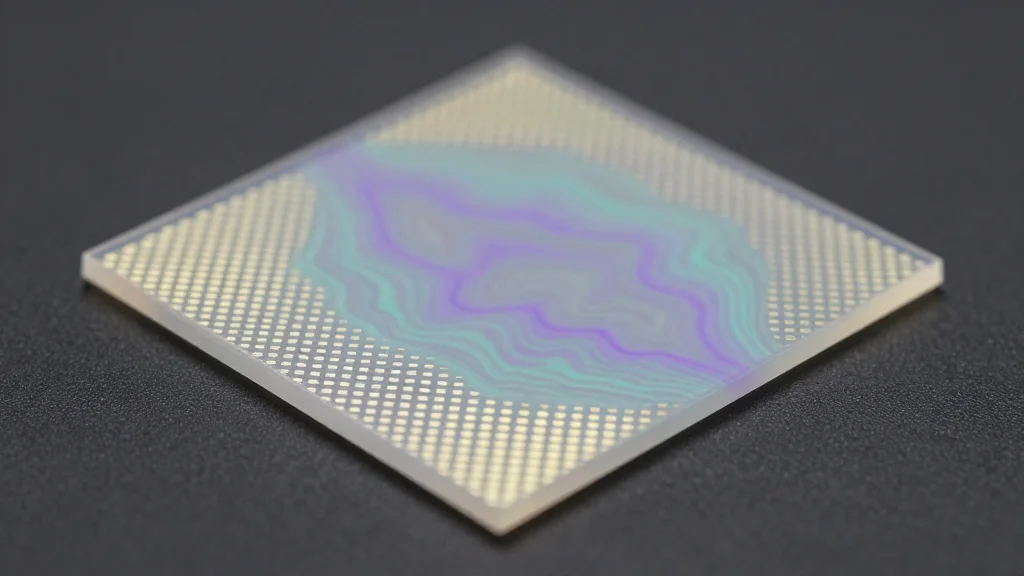
Strain Creates Moiré 2D Materials without Twisting or Stacking, Opening More Scalable Route
Cornell researchers have demonstrated a strain‑based method to generate moiré superlattices in molybdenum disulfide without the need for twisting or stacking atomically thin layers. By patterning metal stressor films on the crystal, they create controlled biaxial and uniaxial strain that...
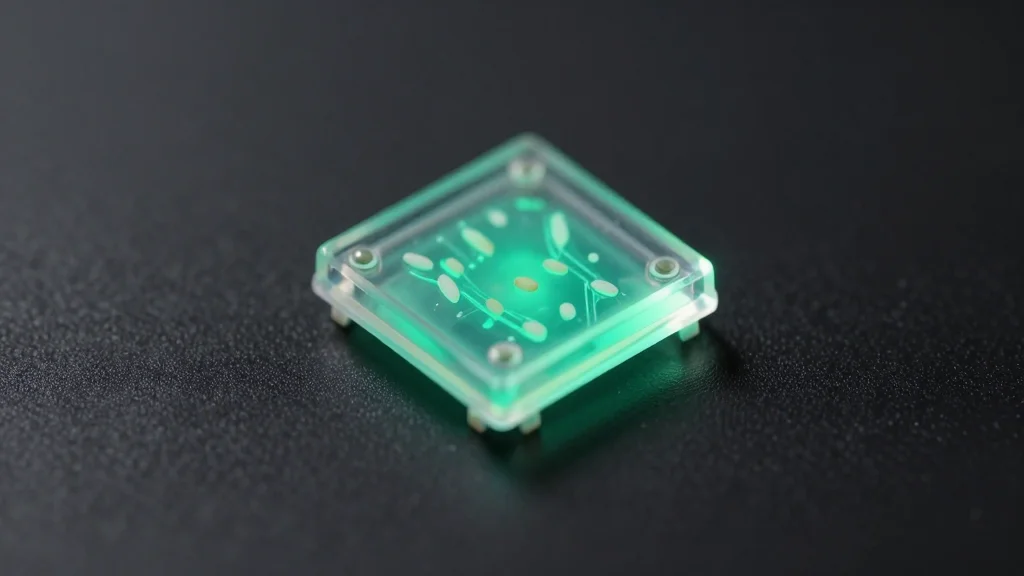
Fluorescent Nanosensor Detects Key Gut Biomarker in Minutes for Faster Testing
A collaborative team from Singapore’s NIE‑NTU, MIT‑SMART and local hospitals has unveiled a fluorescent nanosensor that quantifies the gut‑derived metabolite indole‑3‑propionic acid (IPA) in minutes. The dual‑mode platform delivers a visible‑light readout for rapid lab screening and a near‑infrared signal...
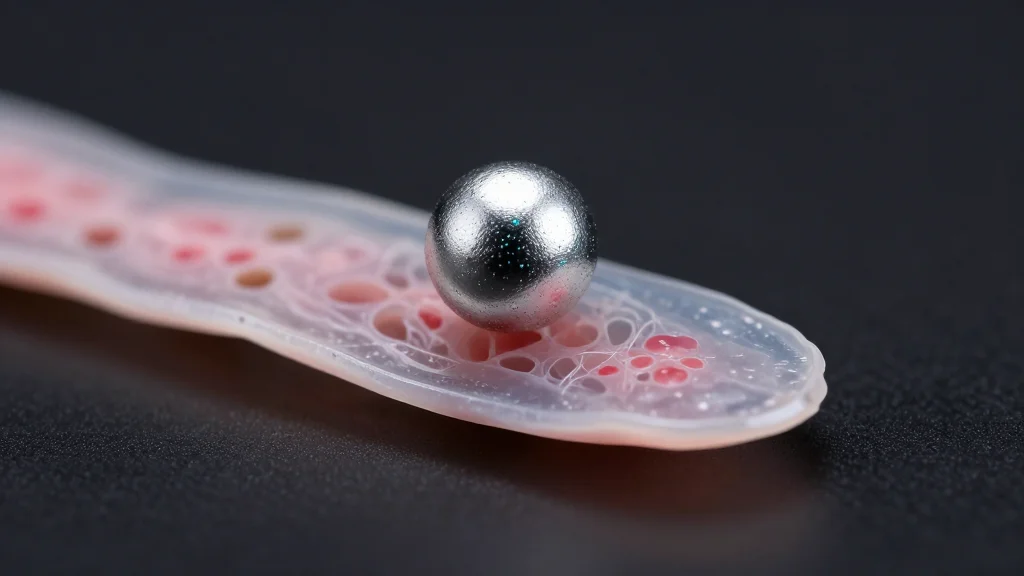
Biohybrid Microrobots Repair Spinal Cord by Combining Stem Cells with Magnetoelectric Nanoparticles
Researchers at ETH Zurich have created bio‑hybrid microrobots that pair neural progenitor stem cells with magnetoelectric nanoparticles, forming NPC‑bots that can be steered magnetically to spinal‑cord lesions. The nanoparticles translate external magnetic fields into localized electrical cues, accelerating stem‑cell differentiation...
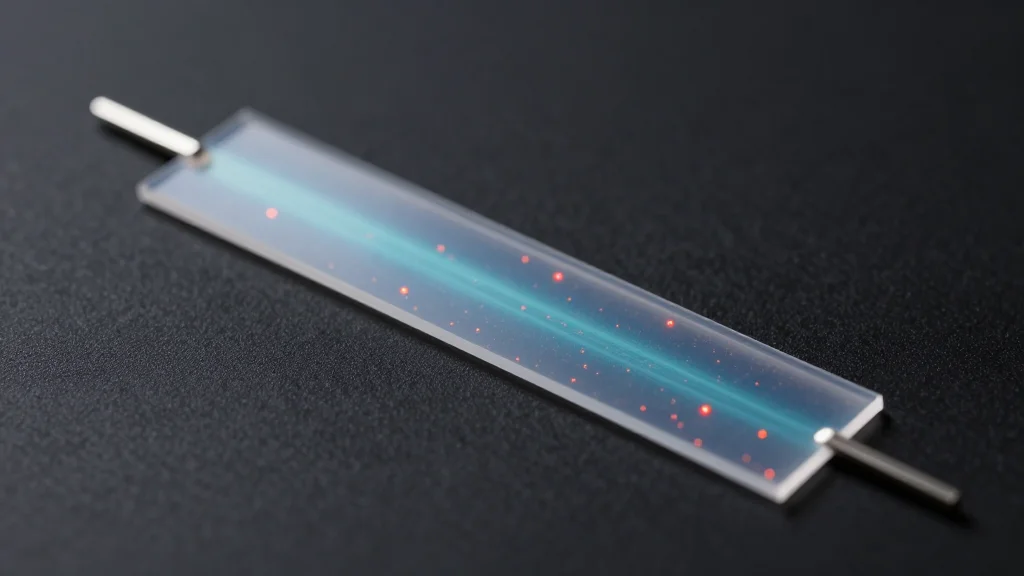
Carbon Dot Composite Mixed Ionic‐Electronic Device Based on Oxygen‐Proton Coupling Catalytic Mechanism
Researchers have created a memristive device from a carbon‑dot/polyaniline (CDot‑PANI) composite that switches conductance via an oxygen‑proton coupled catalytic mechanism. Carbon dots catalyze a proton‑assisted oxygen reduction reaction, which drives reversible redox transitions in polyaniline and generates internal proton gradients....
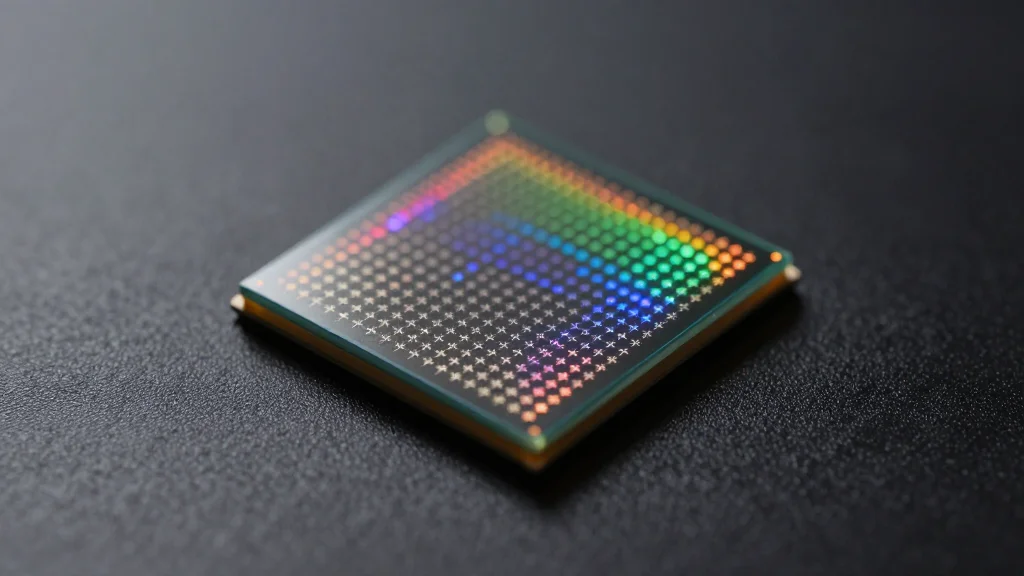
Direct Photo‐Patterning of Ultra‐Bright and Stable Quantum Dot Light‐Emitting Diodes Using Small‐Molecule Crosslinkers
Researchers have unveiled a direct photo‑patterning technique that uses a small‑molecule cross‑linked network to fabricate quantum‑dot LEDs (QLEDs) with ultra‑high resolution (~6,350 PPI) without pre‑patterning. The process preserves both photoluminescence and electroluminescence, delivering record brightness over 1,000,000 cd/m², an external quantum efficiency...

Scaling Nanoribbon Transistors with Monolayer Transition Metal Dichalcogenides
Researchers at Stanford and collaborators have demonstrated monolayer transition‑metal dichalcogenide (TMD) nanoribbon transistors with channel widths as narrow as 25 nm. By anchoring source‑drain contacts to the substrate and using a low‑dose litho‑etch‑litho‑etch (LELE) multipatterning scheme, they achieved high current densities—up...

2D Transistor Goes Narrower
Researchers have demonstrated high‑performance two‑dimensional (2D) nanoribbon transistors with channel widths scaled below 100 nm using a litho‑etch‑litho‑etch (LELE) fabrication flow. The MoS₂ nanoribbons retain carrier mobility comparable to wider devices, indicating that aggressive width reduction does not compromise electrical performance....
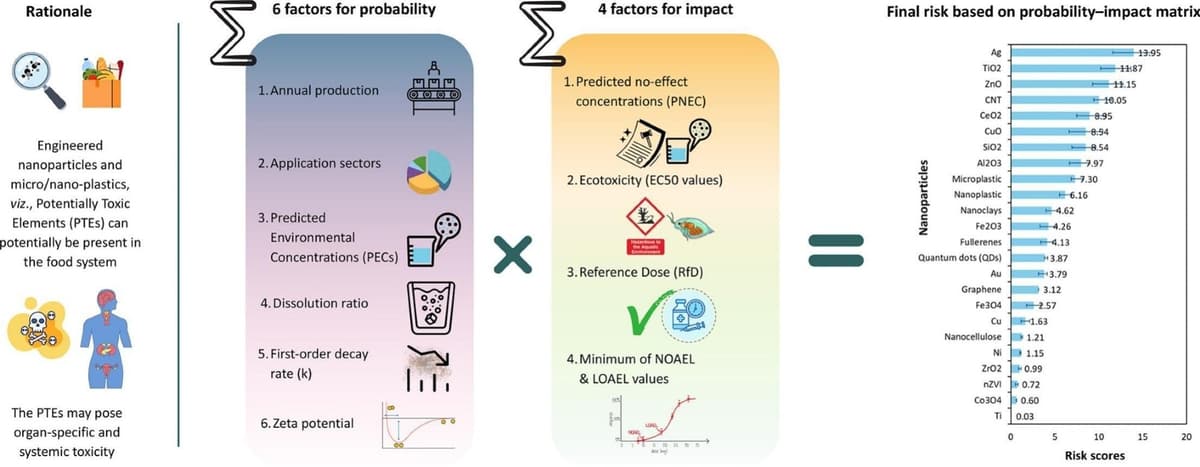
New Framework Reveals Which Food-System Nanoparticles Need Closer Safety Checks
Researchers have introduced a semi‑quantitative probability‑impact framework to rank engineered nanoparticles and micro/nanoplastics by their potential human‑health hazards from dietary exposure. The model combines six exposure factors—production volume, application breadth, predicted environmental concentrations, dissolution, persistence, and surface reactivity—with four toxicity...