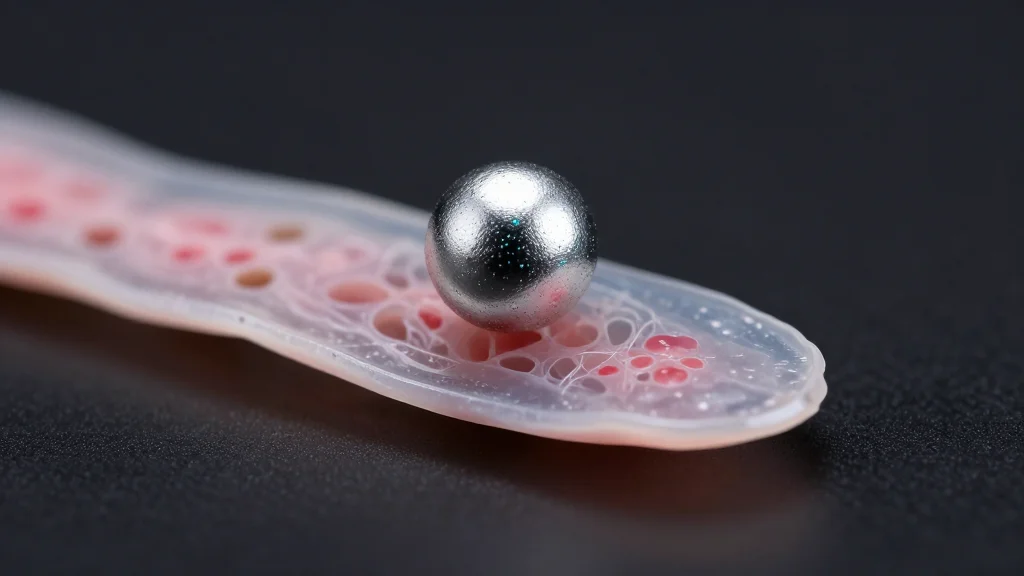
Biohybrid Microrobots Repair Spinal Cord by Combining Stem Cells with Magnetoelectric Nanoparticles
Why It Matters
The technology offers a minimally invasive, precisely targeted regenerative therapy that could overcome the limitations of electrode‑based spinal‑cord treatments, opening a new pathway for clinical repair of irreversible injuries.
Key Takeaways
- •NPC‑bots guide stem cells magnetically to spinal injury sites
- •Magnetoelectric nanoparticles convert magnetic fields into electrical stimulation
- •Zebrafish swam normally in three days; mice reconnected nerves in 28 days
- •Lab‑on‑a‑chip process produces millions of microrobots in minutes
- •Potential to extend platform to cardiac, oncology and wound‑healing therapies
Pulse Analysis
Spinal‑cord injury remains one of the most intractable medical challenges, affecting roughly 17,000 new patients in the United States each year and often leaving permanent motor loss. Conventional approaches rely on implanted electrodes to deliver electrical pulses, but these devices introduce infection risk, require invasive surgery, and struggle to achieve uniform stimulation across damaged tissue. The ETH Zurich breakthrough sidesteps these hurdles by embedding stem cells within magnetoelectric nanoparticles, creating a self‑propelling, electrically active microrobot that can be directed from outside the body, dramatically reducing procedural complexity and patient trauma.
The NPC‑bots combine induced‑pluripotent‑stem‑cell‑derived neural progenitors with a two‑layer nanoparticle: an inner magnetic core and an outer barium‑titanate shell that converts magnetic flux into localized electric fields. Fabricated on a one‑centimetre lab‑on‑a‑chip platform, each six‑micrometre bot is ready in thirty minutes, and parallel chips can yield millions for pre‑clinical studies. In zebrafish larvae, precise magnetic placement and stimulation restored near‑normal swimming in three days; in mice with complete cord transection, the bots facilitated nerve fibre reconnection and measurable gait improvement within four weeks, all without observable immune reactions.
While human trials remain several steps away, the underlying platform promises broader regenerative applications. Adjustable magnetic frequencies could target cardiac tissue post‑myocardial infarction, deliver chemotherapeutics to solid tumors, or accelerate chronic wound closure. If scaled commercially, the technology could capture a share of the projected $12 billion global spinal‑cord injury market, attracting biotech investors seeking minimally invasive, controllable cell‑therapy solutions. Continued research will focus on long‑term nanoparticle clearance, optimal field parameters for patients, and regulatory pathways for bio‑hybrid medical devices.
Biohybrid microrobots repair spinal cord by combining stem cells with magnetoelectric nanoparticles
Comments
Want to join the conversation?
Loading comments...