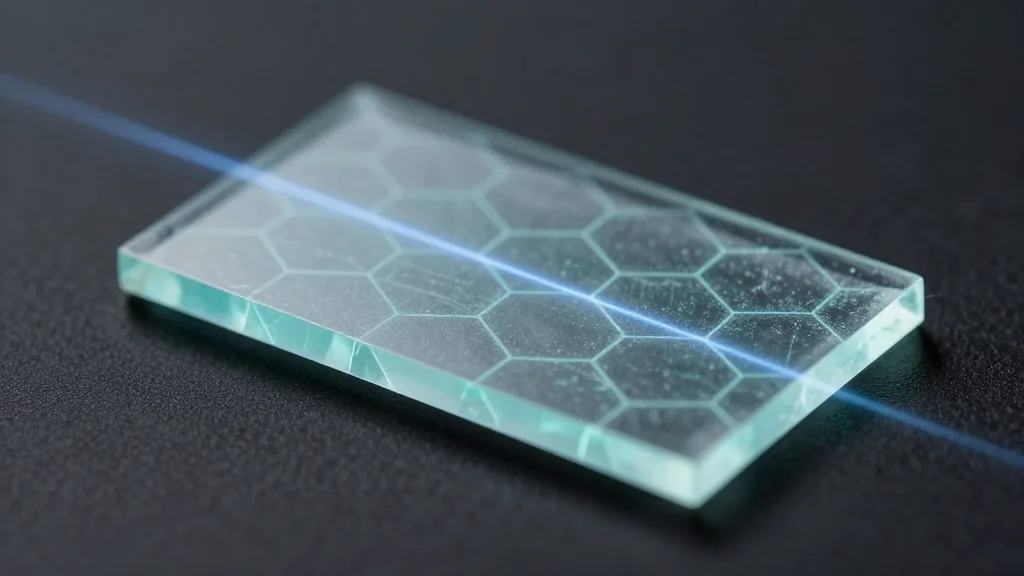
Scientists Create a New State of Matter at Room Temperature Using Light and Nanostructures
Researchers at Rensselaer Polytechnic Institute have demonstrated a room‑temperature supersolid by coupling light to a perovskite nanograting, creating hybrid polariton particles that exhibit both solid‑like order and frictionless flow. The device forms spontaneous striped patterns when illuminated above a critical laser power, confirming the defining supersolid behavior without cryogenic cooling. This compact, chip‑scale platform offers a controllable environment for studying nonequilibrium quantum phases. The authors suggest the approach could lead to new laser architectures and optical computing elements.
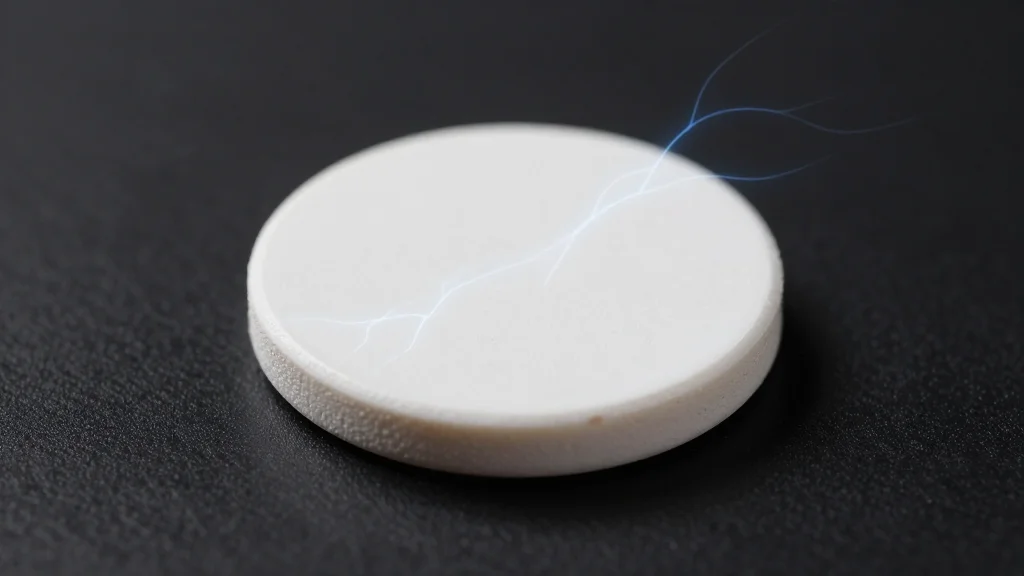
Ultrathin BiFeO₃ Breaks the 30 Nm Limit, Delivering Fourfold Stronger Piezoelectricity
Researchers at the Chinese Academy of Sciences have engineered ultrathin bismuth ferrite (BiFeO₃) films that break the longstanding 30 nm thickness barrier, delivering a piezoelectric coefficient of about 30 pm/V—four times higher than conventional BiFeO₃. The breakthrough relies on stabilizing a metastable...
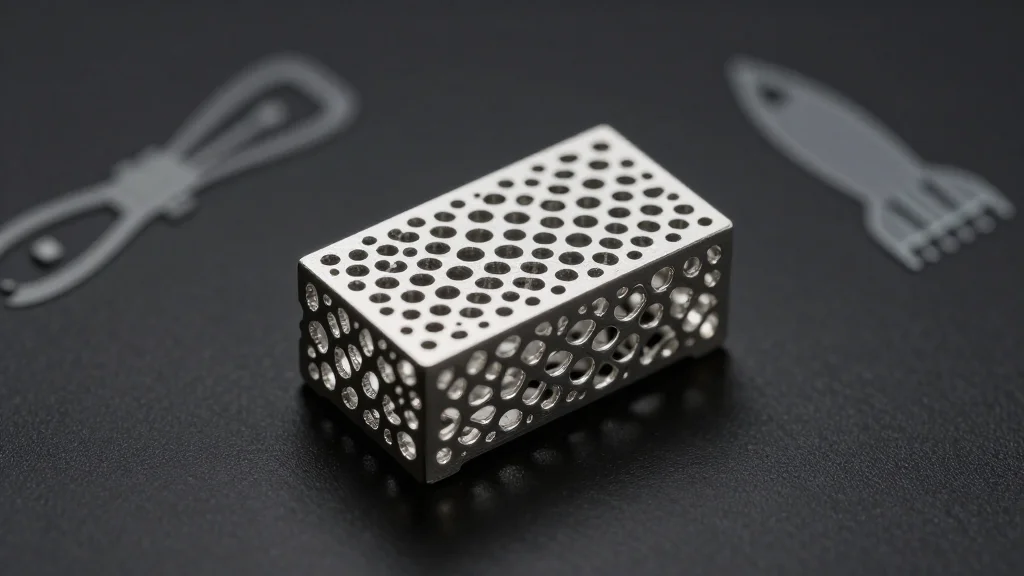
Nano 3D Metallic Parts Turn Out to Be Surprisingly Strong Despite Defects
Caltech researchers have developed a two‑photon lithography process that fabricates nano‑scale metallic lattices with up to 90 % shrinkage, yielding components smaller than 50 µm. Despite containing pores, grain boundaries and other defects, the resulting structures demonstrate strengths up to 50 times...

Carbon Nanotube 'Black Paint' Absorbs Terahertz Radiation to Cut 6G Interference
Researchers at Skoltech and KTH have developed an ultrathin carbon‑nanotube black paint that absorbs terahertz radiation, addressing interference in emerging 6G photonic circuits. The coating, applied via aerosol chemical vapor deposition, can be tuned from 2 to 53 nm, with the...
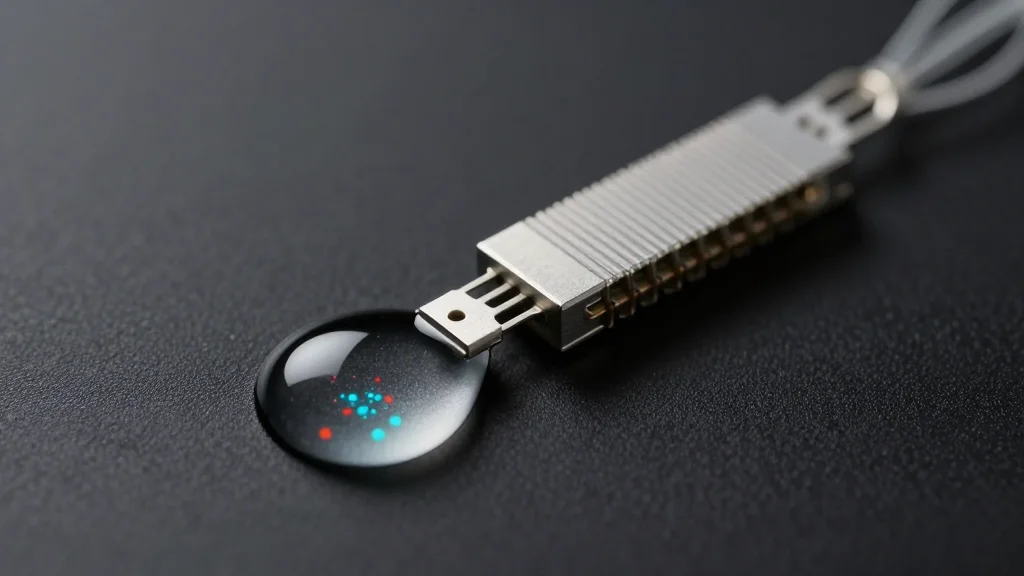
Graphene Sensors Stay Stable in Liquids, Boosting Sensitivity up to 20 Times
Researchers at Penn State have unveiled a dual‑gate graphene field‑effect transistor that remains stable in liquid environments, eliminating the signal drift that hampers conventional sensors. By pairing a high‑capacitance top gate with a low‑capacitance bottom gate and adding a feedback...
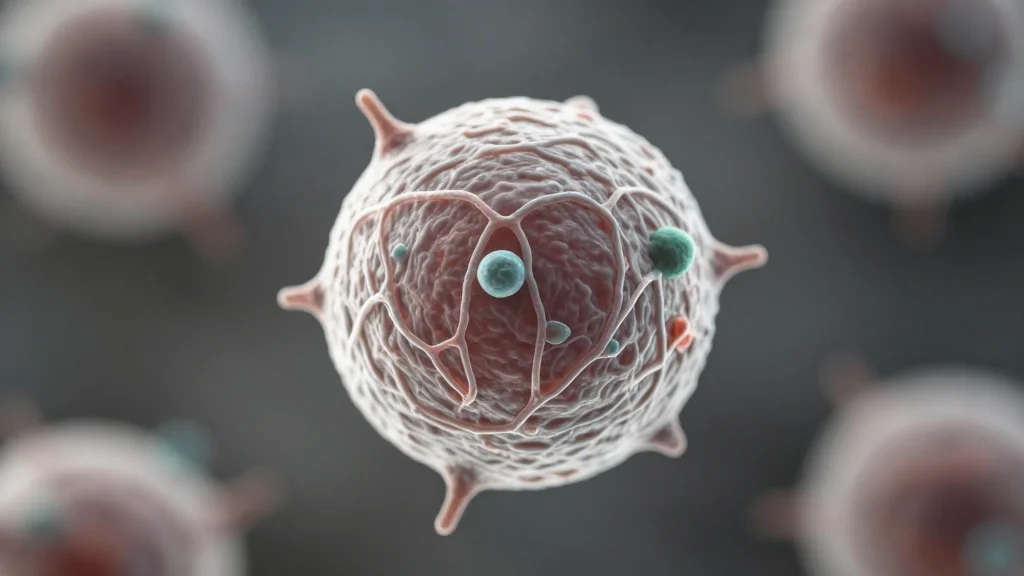
NQO1‐Responsive Prodrug for in Cellulo Release of Cytochalasin B as Cancer Cell‐Targeted Migrastatic (Small 16/2026)
Researchers introduced BQTML‑CB, an NQO1‑responsive prodrug that releases cytochalasin B inside tumor cells, disrupting actin filaments and halting migration and proliferation. The design exploits the enzyme NQO1, overexpressed in many aggressive cancers, to achieve tumor‑selective activation while sparing NQO1‑deficient cells and...

Bioengineered Bacterial Vesicles and Biomimetic Hybrids Eliminate Biofilms and Balance the Gut Microbiome
Researchers have engineered biomimetic nanocarriers that combine liposomal structures with Myxobacteria outer‑membrane vesicles (OMVs) to deliver antibiotics. The hybrid carriers achieve higher drug loading and can penetrate intracellular Gram‑negative pathogens, while native OMVs avoid immune clearance and sustain extracellular exposure....

Π–Π Stacking‐Assisted Self‐Assembly Fabricates Highly Uniform PANI@RGO Cathodes Toward High‐Performance Aqueous Zinc‐Ion Batteries
Researchers introduced an N‑methyl‑2‑pyrrolidone (NMP)‑mediated self‑assembly method that leverages π–π stacking to fabricate highly uniform polyaniline/reduced graphene oxide (PANI@RGO) composite gels with up to 85 % polyaniline loading. The resulting M‑PANI@RGO‑85 % cathode exhibits a specific surface area of 189.55 m² g⁻¹ and mesopores...
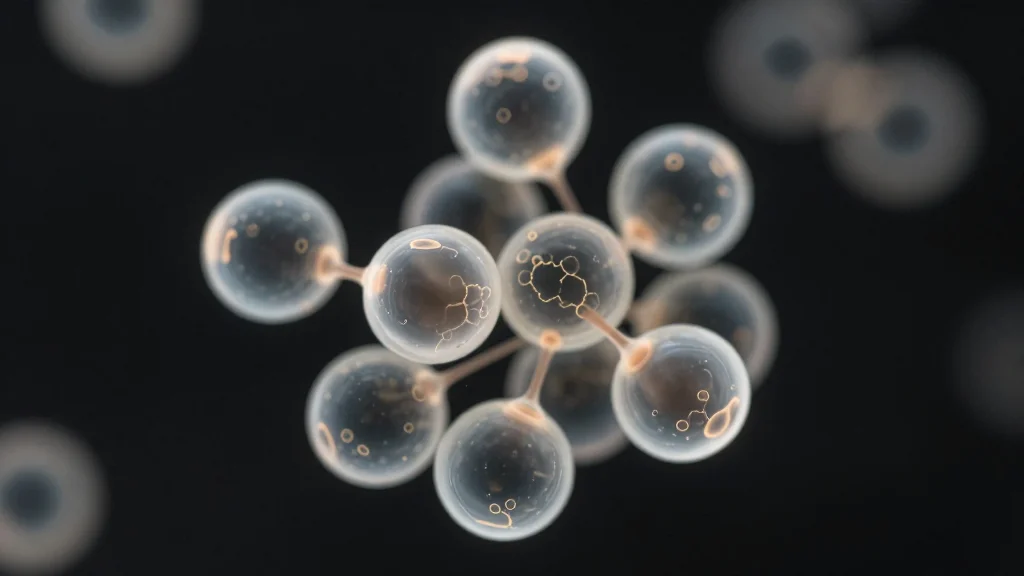
Nature Inspired Delivery Vehicles for CRISPR‐Based Genome Editing
The review surveys nature‑inspired nanocarriers—viral vectors, extracellular vesicles, liposomes, lipid nanoparticles, and engineered membrane particles—as delivery platforms for CRISPR genome editors. It details how these systems improve editing specificity, lower immunogenicity, and surmount cellular barriers that have limited therapeutic rollout....
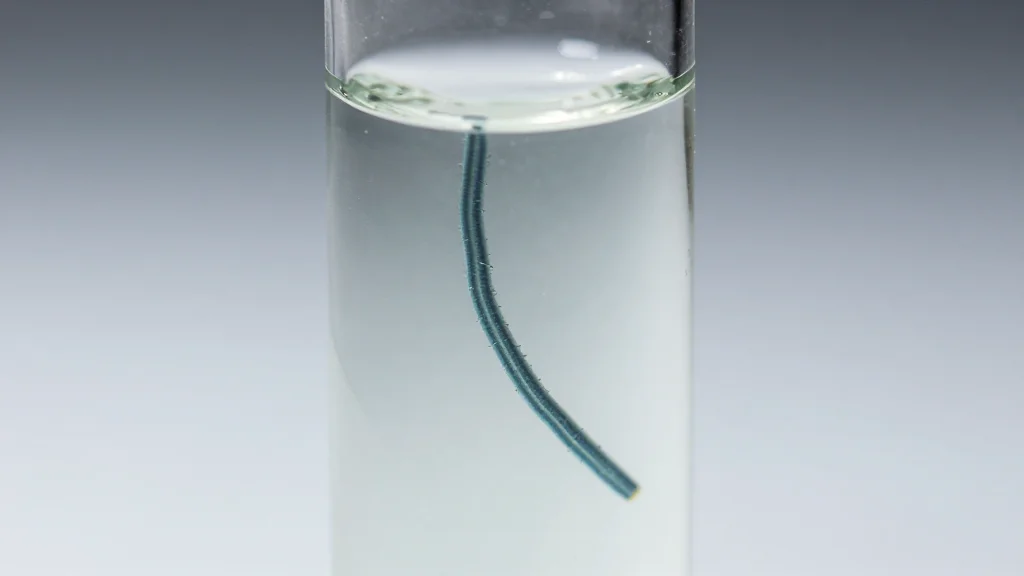
Enhancement of the Adsorption Performance of Multiwalled Carbon Nanotubes via APTES Functionalization for Phenol Removal
Researchers enhanced the adsorption capacity of multiwalled carbon nanotubes (MWCNTs) for phenol removal by functionalizing them with 3‑aminopropyl triethoxysilane (APTES). Oxidation with nitric acid increased adsorption to 17%, while APTES grafting achieved a maximum capacity of 55.17%, surpassing activated carbon....
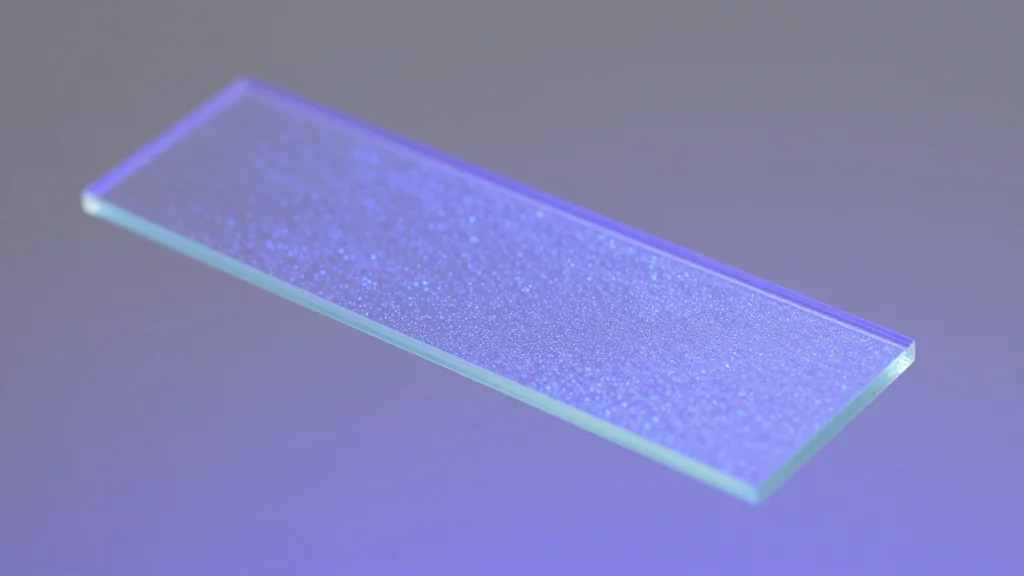
WO3 Nanocomposite Diode for Future Semiconductor Technologies
Researchers fabricated a novel p‑Ag‑WO3/n‑WO3 nanocomposite diode using chemically synthesized WO3 nanoparticles and a dip‑coating process to create a stable p‑n junction. Electrical characterization—including I‑V, C‑V, and impedance analyses—demonstrated rectifying behavior and effective UV photodetection. The device exhibited space‑charge‑limited current...
GMG Secures US EPA Approval for THERMAL-XR Coating
Graphene Manufacturing Group (GMG) received U.S. EPA approval to import, sell and distribute its THERMAL‑XR graphene‑based coating system across the United States. The consent order under TSCA allows unlimited shipments, enabling GMG to launch commercial sales through exclusive North American...

Ultrasound-Activated Nanoparticles Breach Bacterial Biofilms
Scientists have engineered silica‑based nanoparticles that encapsulate rifampicin and release it only when exposed to low‑frequency ultrasound. The ultrasound both propels the particles through the protective matrix of bacterial biofilms and triggers cavitation that opens the particles, delivering the antibiotic...
Photonics and Nanotech Could Spot Cancer Signals 5 to 8 Years Earlier
Researchers at the University of Illinois Urbana‑Champaign have engineered a photonic‑nanomaterial platform that senses microRNA and DNA signatures linked to cancer up to five to eight years before conventional diagnostics can. The system leverages photonic crystal grating resonance and nano‑assemblies...
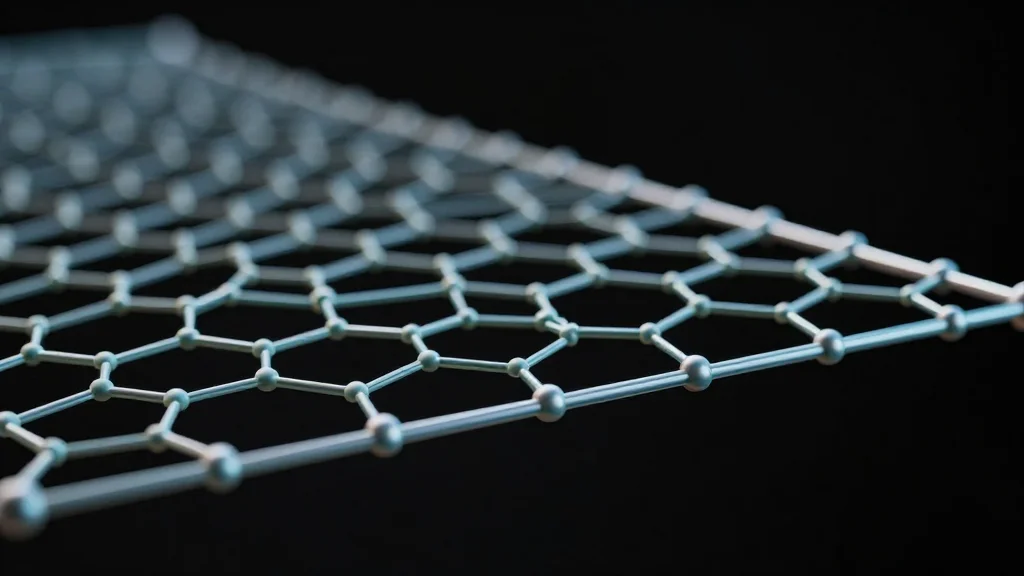
Graphene-Info Launches a New Version of Its CVD Graphene Market Report
Graphene-Info has launched the latest edition of its CVD Graphene Market Report, providing comprehensive data on chemical vapor deposition (CVD) graphene. The report details how CVD graphene differs from other forms, its properties, applications, and lists all active developers and...

Exploring Light and Life: Nanophotonics and AI for Molecular Sequencing and Single-Cell Phenotyping
Prof. Dionne introduced VINPix, a silicon‑photonic resonator platform with ultra‑high Q factors and sub‑wavelength mode volumes, capable of housing over 10 million devices per square centimeter. Coupled with acoustic bioprinting and artificial intelligence, the system promises simultaneous detection of genes, proteins,...
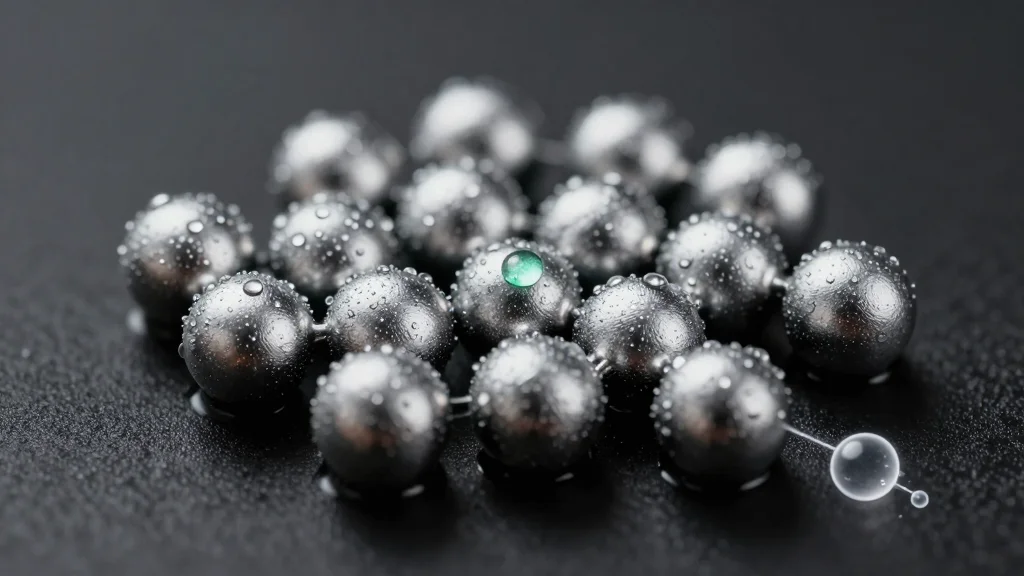
Ni‐Atom Induced Interface Water Reorientation Around Ru Clusters for Alkaline Hydrogen Evolution Reaction
Researchers introduced single Ni atoms into Ru clusters supported on nitrogen‑boron doped carbon to manipulate interfacial water structure for alkaline hydrogen evolution. The Ni atoms shift the charge distribution of Ru, causing K⁺·H₂O hydrate molecules to reorient and bind more...

Graphene Oxide Quantum Dots Enable Biosensing of Depression Biomarkers
University of Delhi researchers have introduced an eco‑friendly method to synthesize graphene oxide quantum dots (GO QDs) using citric acid, producing uniform 23.4 nm particles with a negative surface charge. The GO QDs enable dual‑mode biosensing—optical fluorescence and electrochemical detection—of the...

#242 Inside XJet's New Product & Market Strategy with CEO Guy Zimmerman
XJet, a pioneer of NanoParticle Jetting, unveiled two new printers—the high‑throughput Carmel 5000X and the cost‑effective Carmel Pro—while also entering the precious‑metal additive market. CEO Guy Zimmerman explained the product evolution, highlighted key factors for building a compelling AM business...

Wafer‐Scale Self‐Limiting Epitaxy of Bernal‐Stacked Single‐Crystal Boron Nitride
Researchers have demonstrated wafer‑scale epitaxial growth of single‑crystal Bernal‑stacked boron nitride (bBN) bilayers using flow‑modulated metal‑organic chemical vapor deposition on Ni(111)/sapphire. Monoatomic Ni step edges direct AB stacking, creating a self‑limiting bilayer with uniform thickness across the wafer. The resulting...

Chiral‐Induced Spin‐Polarized Molecular Switching in a Magneto‐Controlled 2D System Using Electrical Readouts
Researchers have engineered a chiral two‑dimensional germanane platform by covalently attaching cysteine molecules, creating a spin‑filtering material that exhibits reversible bistable quantum states. When paired with a ferromagnetic electrode, the system’s spin polarization can be switched by an external magnetic...

E‐Beam‐Mediated Rapid Synthesis of Graphite/Diamond Heterojunctions via (111) Facet‐Dirven Global Graphitization
Researchers have introduced a catalyst‑free, electron‑beam technique that rapidly converts diamond into graphite, forming in‑situ graphite/diamond heterojunctions. By targeting the (111) crystallographic facet, the process triggers a global graphitization pathway rather than traditional nucleation‑and‑growth. The method works on both polycrystalline...
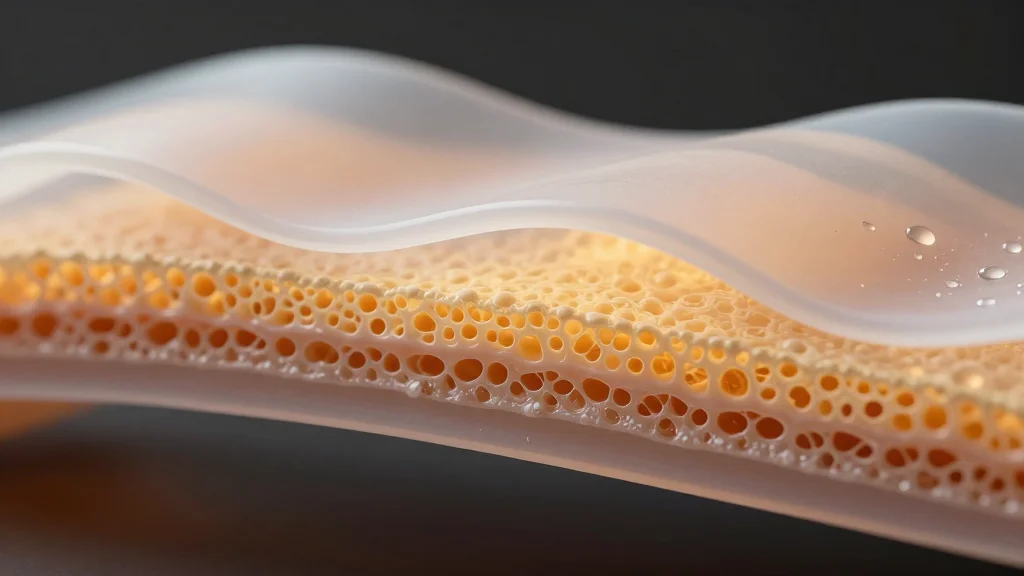
Skin‐Structure‐Inspired Hierarchical Metafabric for Multifunctional Personal Thermal and Moisture Management
Researchers introduced a skin‑structure‑inspired hierarchical metafabric that combines electrospun polyamide nanofibers with electrosprayed functional nanospheres. The composite achieves 97.3% solar reflectance, 91.3% infrared emissivity, and a 7.3 °C temperature drop under identical test conditions, surpassing traditional cotton fabrics. Simultaneously it delivers...
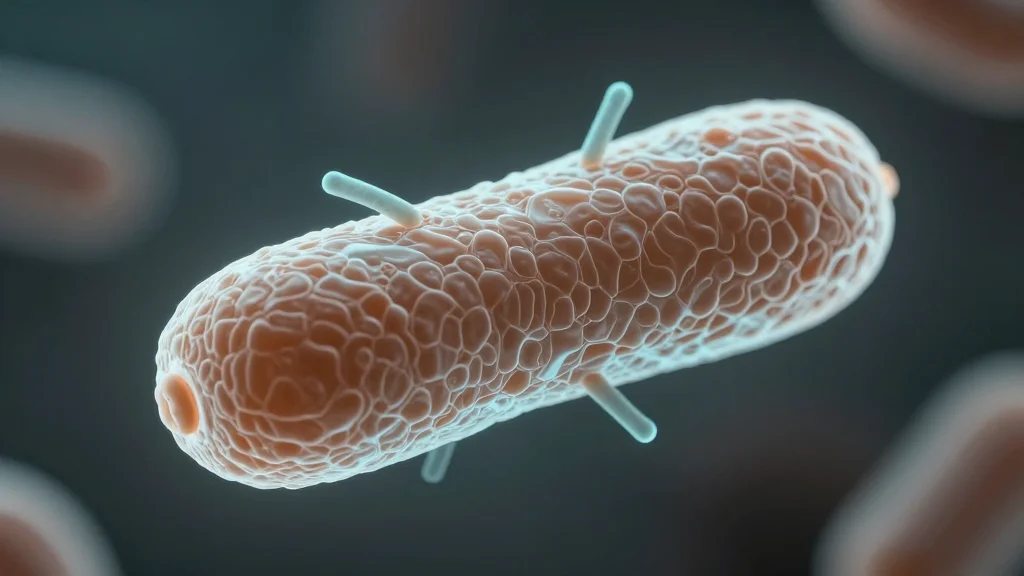
Inter‐Crystal Spacing of Implantable Polymeric Surfaces as a Key Suppressor of Microbial Adhesion.
The researchers demonstrated that repeated shape‑memory polymer (SMP) recovery aligns surface crystals and compresses amorphous gaps, dramatically reducing bacterial adhesion. In vitro assays with Escherichia coli, Pseudomonas aeruginosa and Staphylococcus aureus showed progressive detachment as programming cycles increased. An SMP...
Recent Advances in Chemical Vapor Deposition of Two‐Dimensional Magnetic Oxides
Recent advances in chemical vapor deposition (CVD) have enabled scalable production of two‑dimensional magnetic oxides with tunable magnetic properties. The review classifies these oxides by structural dimensionality and composition, and details vapor‑phase techniques such as additive‑assisted growth, confined epitaxy, and...
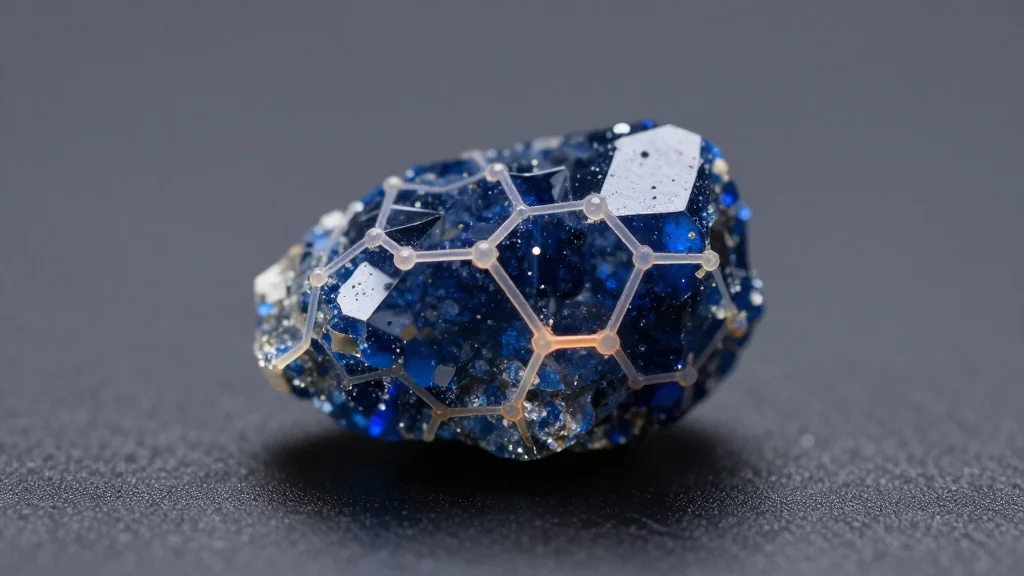
Semiconducting Covalent Organic Frameworks as Functional Dopants for Efficient Perovskite Solar Cells
Researchers introduced pyrene‑based covalent organic frameworks (PyCOFs) as bulk dopants for formamidinium lead iodide (FAPbI3) perovskite solar cells. The COFs feature π‑conjugated linkages and Lewis‑basic groups (–C≡N, –C═N–, –SH) that coordinate with undercoordinated Pb2+ sites, passivating deep traps without altering...

Tiny Threads Stand in for Major Metal Coils in Heating Breakthrough
Rice University researchers have demonstrated that carbon nanotube (CNT) fiber heaters can replace traditional metal coils in high‑temperature gas heating. In laboratory tests, CNT thread arrays delivered higher specific power loadings and survived harsh gas streams better than metal alloys....
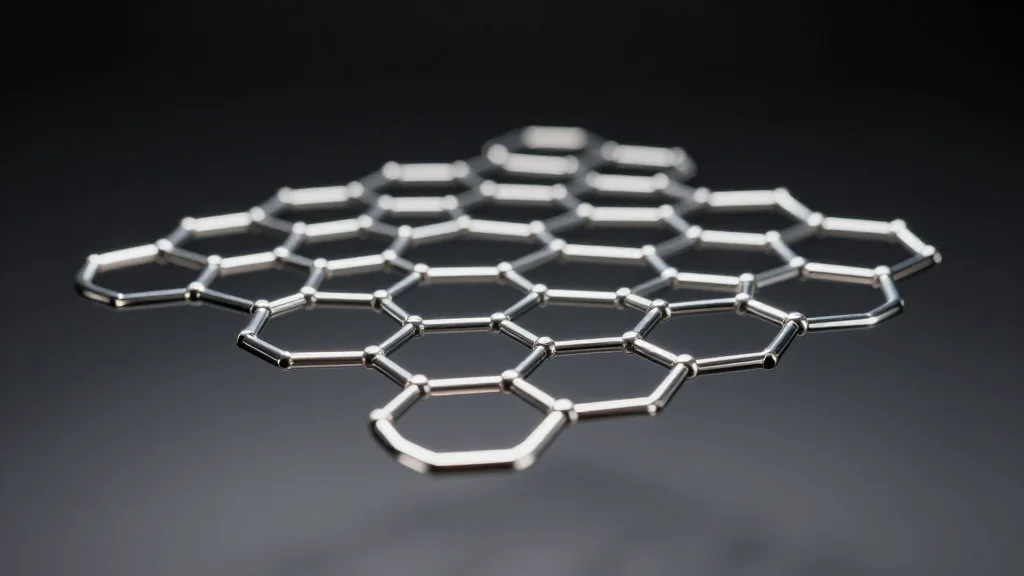
Interface-Engineered G-C3 N4 @CuAl-LDH Composite for Photocatalytic Degradation of Bromophenol Blue Dye
Researchers synthesized a g‑C₃N₄@CuAl‑LDH composite that markedly improves photocatalytic degradation of bromophenol blue dye under visible light. The material achieved 83.37 % removal within 60 minutes and up to 99.08 % efficiency at alkaline pH 9. Kinetic analysis revealed first‑order behavior with a rate...

Ultrasound-Based Approach to Delivering Potent Drugs Into Cancer Cells Shows Promise in Benchtop Experiments
Duke engineers introduced SonoPIN, an ultrasound‑driven platform that bursts cancer‑targeted microbubbles to create temporary pores in cell membranes. The technique allowed large PROTAC drugs to enter tumor cells, killing 50% of them while sparing 99% of healthy cells in benchtop...

3D Printable Nanotube Composite Shields Electronics In Extreme Environments
Researchers have created an ultrathin, stretchable, 3D‑printable composite that combines single‑walled carbon nanotubes and boron nitride nanotubes to simultaneously block electromagnetic interference and absorb neutron radiation. The hybrid films achieve over 50 dB EMI shielding at micrometer thicknesses, while a 2:8...
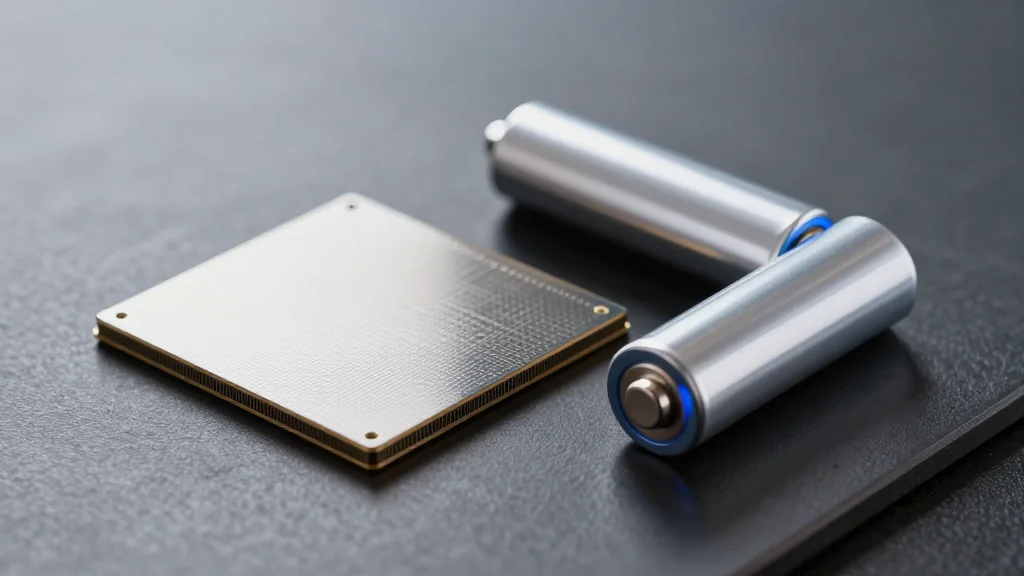
Posco, Sila to Collaborate in Next-Gen Battery Technologies
Posco Future M, the battery materials arm of South Korea’s Posco Holdings, has signed a strategic agreement with U.S.‑based Sila Nanotechnologies to co‑develop next‑generation silicon‑based anodes. Sila’s Titan Silicon anode, built from nano‑engineered silicon particles, promises substantially higher energy density...
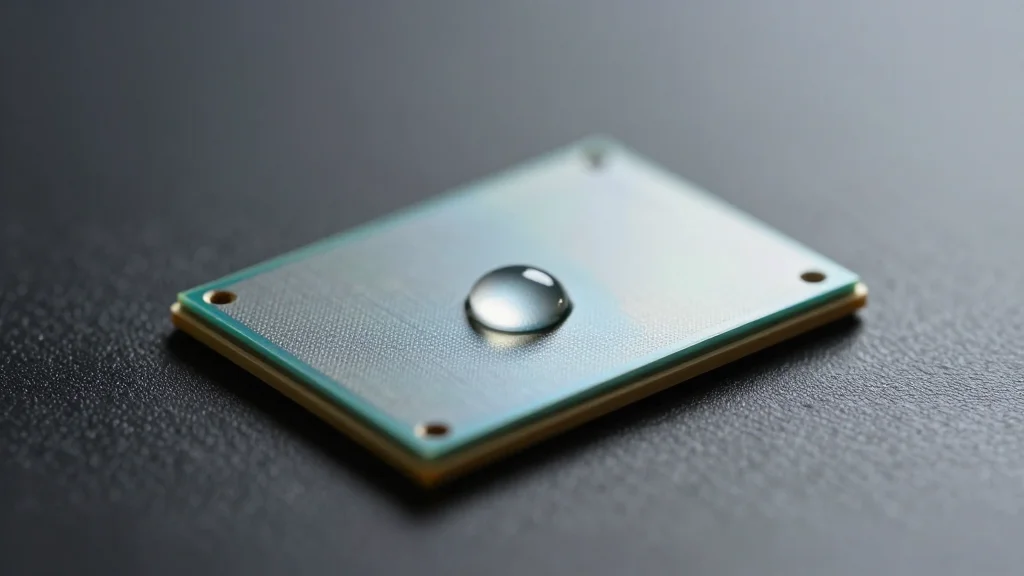
Hawkeye Bio Granted U.S Patent for Graphene Biosensor Platform
Hawkeye Bio announced that the USPTO granted U.S. Patent No. 12,461,102 for its pristine graphene‑based biosensor platform. The patent covers a technology that uses functionalized graphene particles and optical reporters to detect protease biomarkers with high sensitivity. The company is focusing...
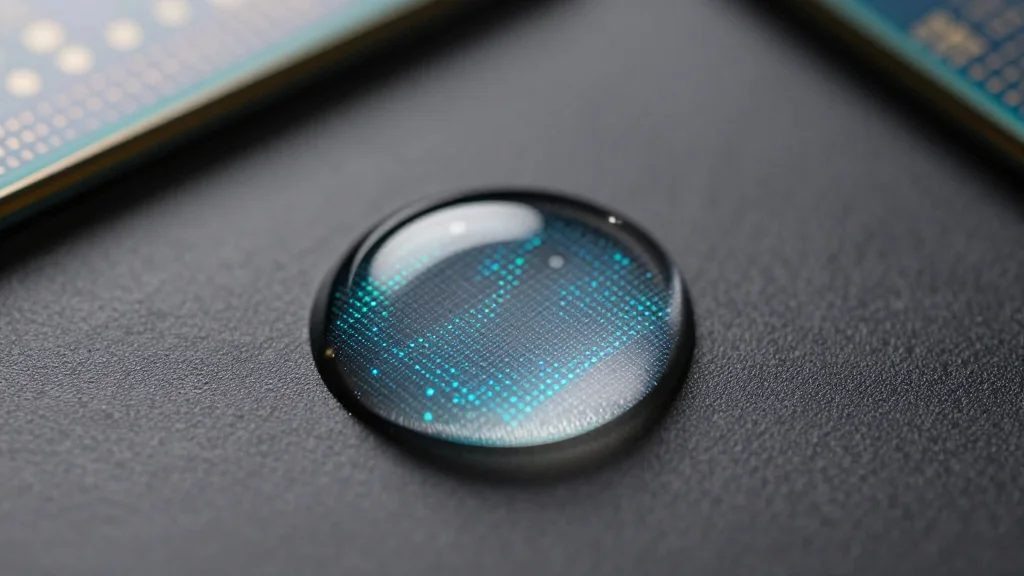
Local Droplet Etching Yields More Symmetric Quantum Dots for Integrated Photonics
Researchers at Johannes Kepler University and the State University of Campinas have demonstrated a local droplet etching (LDE) technique to fabricate InGaAs quantum dots embedded in AlGaAs with unprecedented symmetry and low surface density. The dots exhibit radiative lifetimes around...
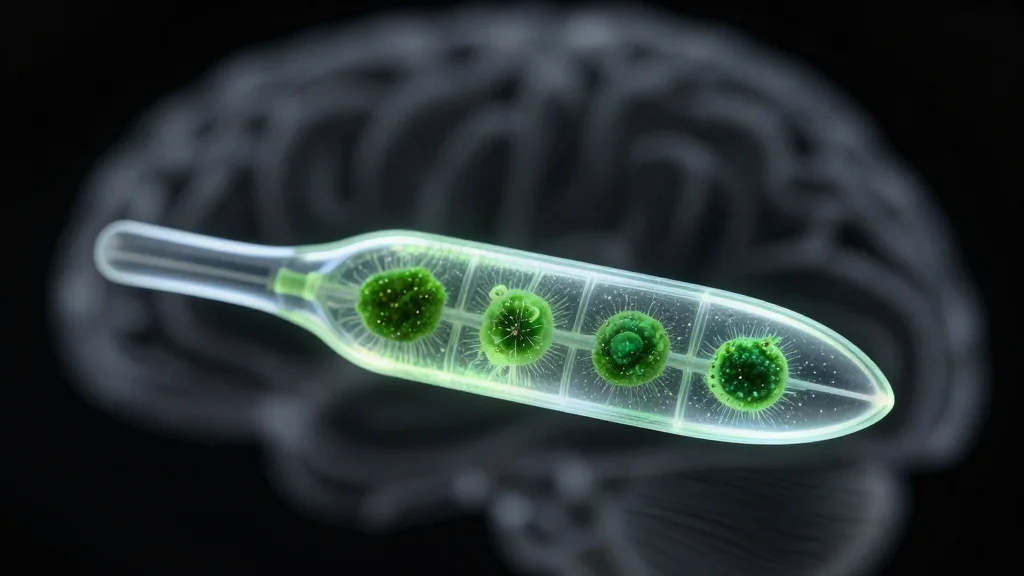
Diatom-Based Microrobots Show Promise for Targeted Photodynamic Therapy of Glioblastoma
Researchers at China’s Shenyang Institute of Automation have created magnetically controlled microrobots from diatom frustules for glioblastoma photodynamic therapy. The robots retain natural chlorophyll, serving as a built‑in photosensitizer, and can be steered via external magnetic fields to tumor sites....

Holcim UK and Canary Wharf Group Explore Graphene-Enhanced Concrete
Holcim UK and Canary Wharf Group finished a six‑month R&D program on ultra‑low‑carbon, circular concrete mixes. The trials highlighted a graphene‑infused concrete that slashes carbon emissions by more than 50% while delivering higher strength and durability. Test pours were conducted...
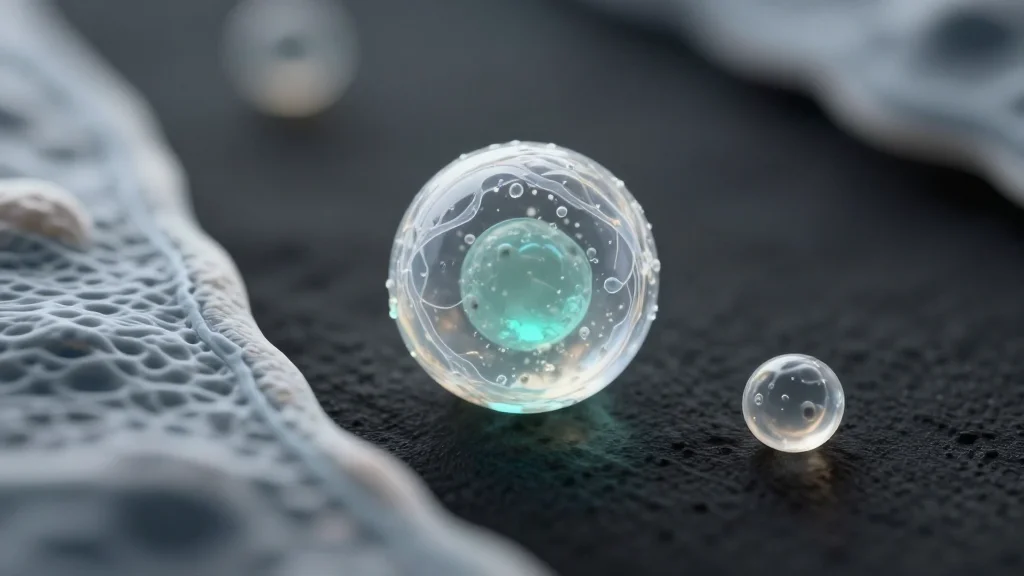
FAST‐CRISPR: Fusogenic Association and Secured Transfection of CRISPR/Cas9 Ribonucleoproteins Using Lipid‐Silica Hybrid Nanoparticles for Therapeutic Genome Editing
Researchers introduced FAST‑CRISPR, a lipid‑silica hybrid nanoparticle that fuses directly with cell membranes to deliver CRISPR/Cas9 ribonucleoproteins. By combining a 1:1 weight ratio of cationic DOTAP and ionizable DODMA lipids with large‑pore silica cores, the platform achieves high RNP loading...

Emerging Atomically Engineered RuNi‐Zn‐ZIF‐8 Catalyst for Remarkably High Electrocatalytic Nitrate Reduction to Ammonia and Electrocatalytic Oxygen Evolution Reaction
Researchers have engineered a RuZn‑based carbon‑nitrogen framework decorated with atomically dispersed nickel and minor Ni clusters, creating a bifunctional electrocatalyst for nitrate reduction to ammonia and oxygen evolution. The catalyst delivers an ammonia yield of 10,199 µg h⁻¹ mg⁻¹ cat with 84% Faradaic...
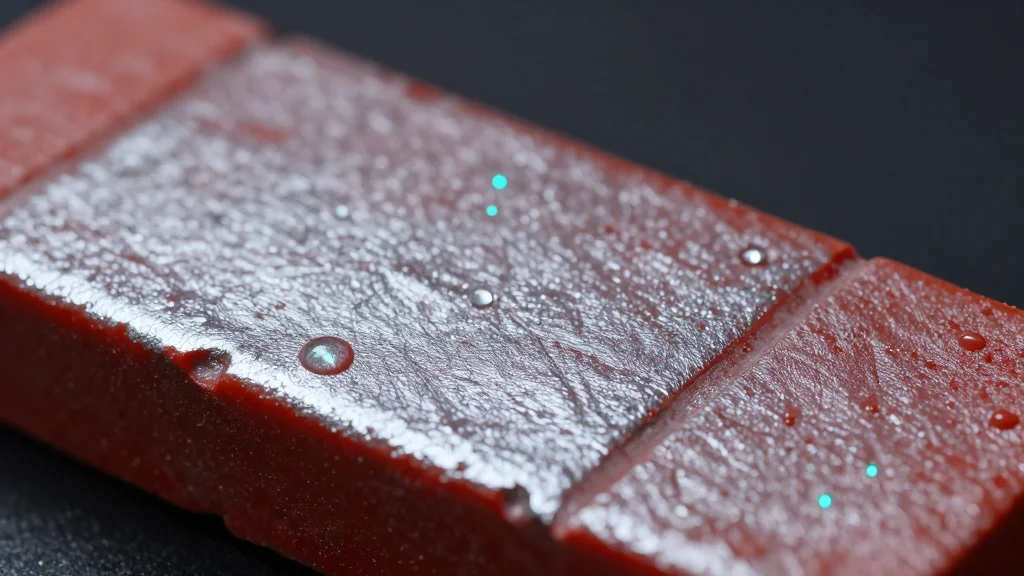
A Red Brick‐Derived Fe2P‐Based Cocatalyst Sheet Enables Monolithic Photocatalysts for Efficient Solar Hydrogen Production
Researchers have converted common red brick into a Fe2P‑based cocatalyst sheet that serves as a scaffold for semiconductor particles, creating monolithic photocatalysts for solar water splitting. The CdS‑Fe2P/RB monolith delivers a visible‑light hydrogen evolution rate of 7.7 mmol g⁻¹ h⁻¹ and an apparent...
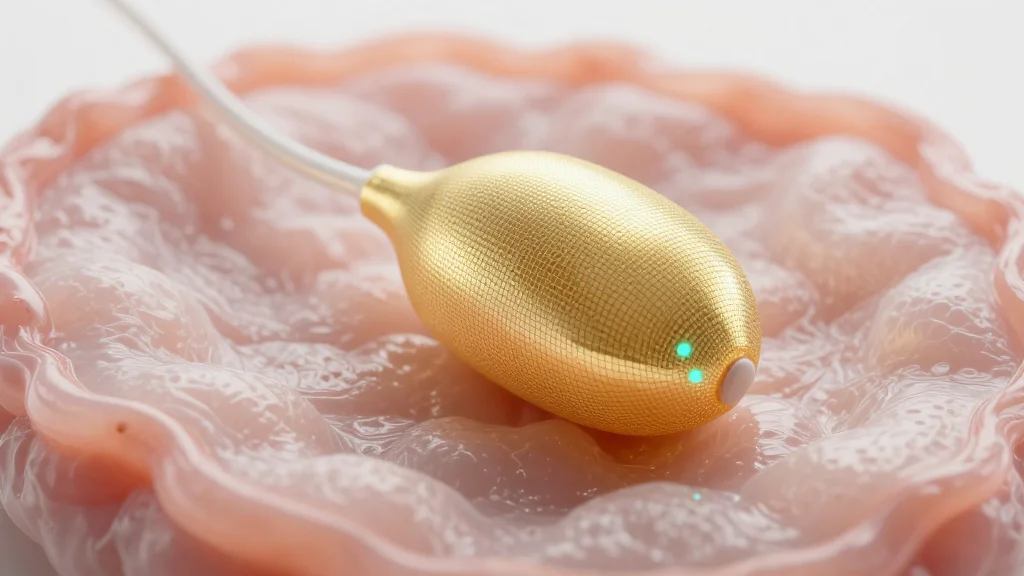
A Balloon Electrochemical Sensor for Conformal Interfacing With Intestinal Wall and Real‐Time Monitoring of Serotonin Release
Researchers have created a balloon‑shaped electrochemical sensor using gold nanotubes that expands to conform to the soft curvature of the intestinal lumen. The device is inserted endoluminally, inflates to mimic physiological distension, and records real‑time serotonin (5‑HT) release from the...
FAST‐CRISPR: Fusogenic Association and Secured Transfection of CRISPR/Cas9 Ribonucleoproteins Using Lipid‐Silica Hybrid Nanoparticles for Therapeutic Genome Editing (Small 15/2026)
Researchers at UNIST and collaborators introduced FAST‑CRISPR, a lipid‑silica hybrid nanoparticle system designed to ferry CRISPR/Cas9 ribonucleoproteins into cells. The platform leverages a fusogenic lipid coating that promotes rapid endosomal escape, securing high‑efficiency genome editing while preserving RNP integrity. Preclinical...
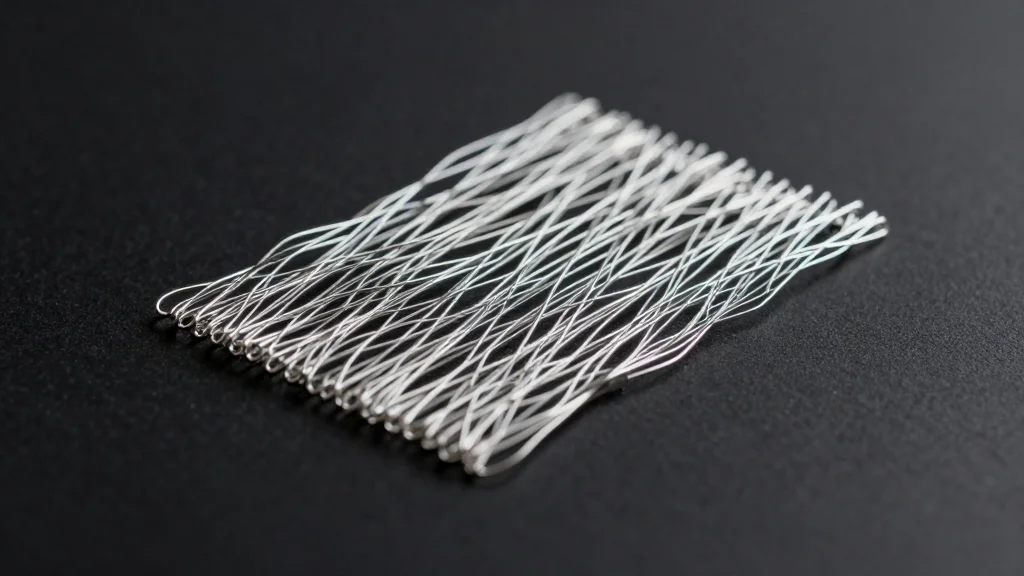
Mechanically Responsive Microwave Absorption and Shielding in Hierarchical Heterogeneous Architectures for Electromagnetic Interference Protection
Researchers have created a mechanically responsive composite (FPCEL) that combines Fe3O4‑functionalized cellulose nanofibers, polypyrrole, liquid metal, and Ecoflex silicone. The hierarchical, asymmetric architecture yields strain‑dependent microwave absorption and shielding, shifting from reflection‑dominated to absorption‑enhanced behavior as the material is stretched...
Formation Mechanism of BN Flakes on MWCNTs
Researchers have developed a CVD method to coat multi‑wall carbon nanotubes (MWCNTs) with hexagonal boron nitride (h‑BN) flakes, creating a three‑layer heterostructure of CNT core, coaxial BN nanotubes, and outer BN flakes. Experiments and molecular dynamics simulations reveal a two‑step...

Photoluminescence Enhancement in Erbium Nanoparticles via Controlled Phase Transformation
Erbium nanoparticles produced by pulse laser ablation in liquid were thermally annealed from 200 °C to 1000 °C. At 600 °C the mixed cubic‑monoclinic structure fully converts to a pure cubic Er₂O₃ phase, eliminating surface hydroxyl groups and compacting the particles. This structural...

DNA Origami Vaccine Rivals mRNA Shots While Being Easier to Store and Manufacture
Researchers at Harvard’s Wyss Institute and Dana‑Farber unveiled DoriVac, a DNA origami‑based vaccine platform that delivers antigens and adjuvants on a self‑folding nanostructure. In pre‑clinical mouse studies and a human lymph‑node‑on‑a‑chip model, DoriVac generated antibody and T‑cell responses comparable to...
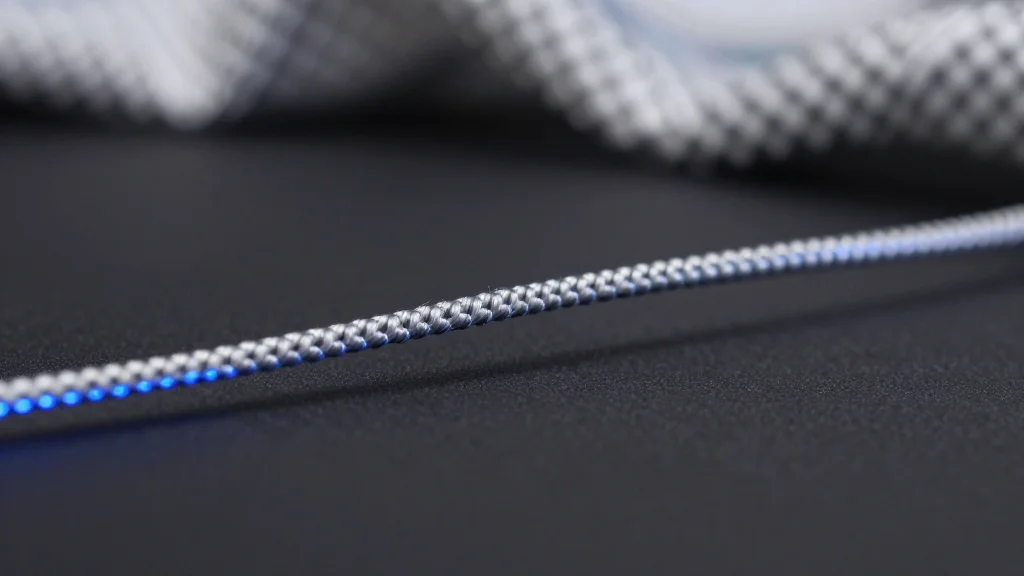
Heavy Water Expands Energy Potential of Carbon Nanotube Yarns
Researchers at the University of Texas at Dallas introduced a heavy‑water‑based electrolyte that dramatically improves the energy‑harvesting performance of twistron carbon‑nanotube yarns. The new system delivers up to 2.5 times higher peak power and 1.8 times more energy per stretch cycle, achieving...

NanoTess Lands Embecta Deal to Put Its Tech in 14,000 Canadian Pharmacies
Calgary‑based NanoTess has signed a distribution agreement with diabetes‑care company Embecta to place its NanoSALV Catalytic gel in more than 14,000 Canadian pharmacies. NanoSALV, authorized by Health Canada in 2022, uses micron‑scale catalytic particles to speed cellular reactions, reduce inflammation...
Trouble Swallowing? A Nanogel Tweak May Keep Therapeutic Stem Cells Alive Longer
Researchers at Kyoto University and McGill University created hybrid stem‑cell spheroids incorporating biodegradable nanogel microfibers. The nanogel‑enhanced spheroids improved oxygen diffusion, increasing cell viability more than fivefold and boosting secretion of regenerative factors. In a rat model of swallowing‑muscle injury,...

Simple 'Cocktail' Of Amino Acids Dramatically Boosts Power of mRNA Therapies and CRISPR Gene Editing
Researchers at Biohub identified a three‑amino‑acid cocktail—methionine, arginine and serine—that dramatically improves lipid nanoparticle (LNP) delivery of therapeutic mRNA and CRISPR components. Co‑administering the supplement boosted protein expression up to 20‑fold and raised gene‑editing rates from roughly 25% to nearly...
Biodegradable Nanoparticles Can Seek and Destroy Diseased Immune Cells
Johns Hopkins researchers have engineered a streamlined biodegradable polymeric nanoparticle that delivers mRNA to T cells, prompting them to generate CD19‑CAR receptors that target disease‑causing B cells. In mice, a single intravenous dose eliminated 95% of circulating B cells within...

Plasmon‐Exciton Interaction Induced Efficient Charge Separation in Cu2‐xS‐CsPbBr3 Heterostructure
Researchers synthesized a Cu2‑xS–CsPbBr3 heterostructure that leverages plasmon‑exciton coupling to improve charge separation. Femtosecond transient absorption studies show plasmon‑induced hot‑hole transfer from Cu2‑xS to the perovskite valence band under both 400 nm and 800 nm excitation, while 400 nm also drives hot‑electron transfer...