
Free-Standing 3D Na Ion Anode Material for Higher Energy Density
Researchers have developed a free‑standing sodium‑ion battery anode that combines bismuth nanoparticles, MoS₂ nanospheres, and a carbon nanofiber matrix with a thin carbon coating. The Bi@MoS₂@C composite delivers a reversible capacity of about 275 mAh g⁻¹ at 0.5 A g⁻¹ and retains 96 % of that capacity after 800 charge‑discharge cycles in half‑cell tests. By removing binders and metal current collectors, the design reduces inactive mass and improves electron transport. The study demonstrates synergistic effects that mitigate volume expansion and enhance rate performance.
DNA Barcoding Reveals Which Gene-Therapy Nanoparticles Reach Targets in Vivo
Researchers at Oregon State University have developed a DNA‑based barcoding assay that measures, in living mice, which lipid nanoparticles successfully deliver gene‑editing cargo to target cellular compartments. The technique identified that many particles are degraded in lysosomes, while a newly...

Sunlight-Activated Graphene Membrane Recovers Battery-Grade Lithium From Brines
Researchers at POST, Griffith and King Khalid Universities unveiled a graphene‑based nanofiltration membrane that uses sunlight to pull lithium ions from magnesium‑rich brines. The hybrid membrane, combining edge‑functionalized graphene nanoribbons with photothermally reduced graphene oxide, delivers a lithium flux of...

Adisyn Reports Graphene-Based Radar Signature Reduction for Drones
Adisyn demonstrated that graphene‑enhanced composite materials can cut radar reflection by up to 20 dB in lab tests, and the team is targeting a 30 dB reduction that would shrink a drone’s radar cross‑section by a factor of 1,000. The proof‑of‑concept was...

Water Drops Sliding Over Arrays of Janus Micropillars With Hydrophilic Tops: A New Mechanism of Drop Charging
Researchers have engineered arrays of Janus micropillars—hydrophilic tops paired with hydrophobic sidewalls—to reveal a novel drop‑charging mechanism. When a water droplet slides across these structures, it leaves microscopic satellite droplets that evaporate within a second, creating charge separation within the...
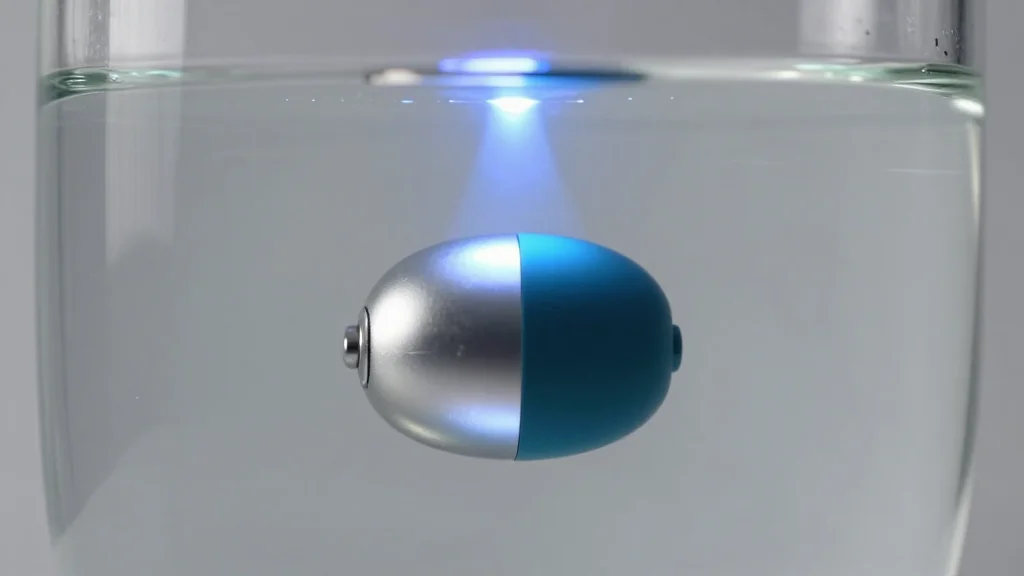
Silver‐enhanced Photoresponsive G‐C3N4/Ag Janus Microrobots With Negative Photogravitaxis Efficient Antibiotic Degradation
Researchers have created silver‑enhanced g‑C3N4/Ag Janus microrobots that move upward against gravity when illuminated, a behavior termed negative photogravitaxis. The silver coating improves charge carrier separation, suppressing recombination and boosting photocatalytic activity. This three‑dimensional propulsion increases mass transfer, enabling the...

Additive‐Free Edge‐Functionalized Graphene Dough
Researchers have introduced an additive‑free, edge‑functionalized graphene (EFG) dough synthesized directly from graphite via selective oxidation and physical exfoliation. The resulting few‑layer nanoplatelets retain defect‑free basal planes, exhibit carboxylate and phenolic edge groups, and achieve a high conductivity of 900 S cm⁻¹....

Impact of Sapphire Substrate Reconstruction on the Structural, Electronic, and Photonic Properties of MoS2
The paper investigates how sapphire substrate reconstruction during metal‑organic CVD at 1 000 °C alters the structural, electronic, and photonic behavior of monolayer MoS₂. Elevated temperature induces step‑bunching on the sapphire surface, creating local charge‑doping variations and strain that broaden Raman peaks...

3D Imaging Reveals Messy-Looking Supraparticles Can Be Nearly Perfect Crystals Inside
Researchers at Utrecht University have, for the first time, mapped the three‑dimensional structure of photonic supraparticles using super‑resolution confocal and STED microscopy combined with machine‑learning analysis. The study shows that particles appearing disordered on the surface often form nearly perfect...

Researchers Track Mineral Growth on Bioorganic Coatings in Real Time at Nanoscale
Researchers at Jeonbuk National University used a quartz crystal microbalance to compare calcium‑phosphate mineralization on titanium dioxide nanoparticles coated with polydopamine (PDA) versus zein. Real‑time measurements showed PDA‑coated particles accumulated 7,780 ng of mineral, roughly 37% more than the 5,641 ng recorded...

Argo Graphene Solutions Reports Positive Results From Graphene-Enhanced Cement Tests
Argo Graphene Solutions reported positive preliminary results from testing its graphene dispersion in cement‑based materials. The graphene‑enhanced mix demonstrated superior workability, adhesion, and a denser surface compared with conventional cement, while also resisting full water penetration in permeability tests. Additional...

Scientists Create Slippery Nanopores that Supercharge Blue Energy
Scientists at EPFL have coated silicon‑nitride nanopores with lipid bilayers, creating a hydration‑lubricated channel that dramatically reduces ion friction. The lipid‑coated membrane, arranged in a hexagonal array of 1,000 pores, achieved a power density of about 15 W m⁻²—2 to 3 times...

Scientists Rebooted This Forgotten Battery—And It Recharges in Seconds. This Could Be the Future of Energy.
Scientists have reinvented Thomas Edison’s 1901 nickel‑iron battery using modern nanotechnology, creating an aerogel electrode composed of protein‑derived nickel‑iron nanoclusters embedded in graphene oxide. The revamped cell can recharge in seconds and endure up to 12,000 charge‑discharge cycles, far surpassing...
Why Nanotechnology Breakthroughs Often Stagnate Before Reaching the Market
New research of 250 European nanotech firms shows that organizational flaws, not scientific limits, stall market adoption. Rigid hierarchies, poor knowledge absorption, and overly complex partnership networks create a "valley of death" between patents and products. The study, co‑authored by...
Conjugated N‐Type Diradical Semiconductor Empowers High‐Performance TiO2‐Based Perovskite Solar Cells
Researchers have introduced IDT‑R, an n‑type conjugated diradical semiconductor, to modify TiO₂ electron transport layers in perovskite solar cells. The material simultaneously passivates surface defects and raises intrinsic conductivity, addressing the long‑standing performance gap between TiO₂‑ and SnO₂‑based devices. Devices...

Photothermally Triggered Intratumoral In Situ Drug Synthesis: A Smart Nanoplatform for NIR‐Controlled Precise Activation of Antitumor Precursors
Researchers have engineered an iron‑doped mesoporous silica nanoplatform (FOBA) that, when exposed to 808 nm near‑infrared light, uses the Y6 photothermal converter to heat and trigger a PEG gate, creating a transient solvent that enables in‑situ synthesis of the cytotoxic agent...
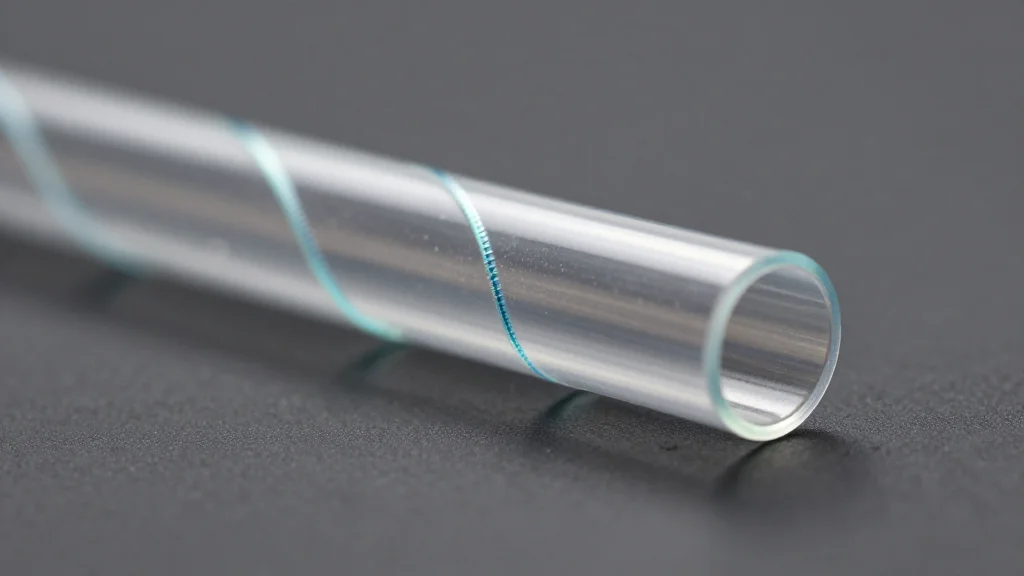
Controlled Formation of Carbon Nanotubes and Nanotube Junctions From Bilayer Graphene
Researchers used a scanning transmission electron microscope to cut twisted bilayer graphene ribbons, triggering a spontaneous transformation into chiral carbon nanotubes (CNTs) and complex junctions. Ribbons narrower than roughly 4 nm reliably roll into tubes, while wider ribbons remain flat, a...

A Recyclable Magnetic Nanosystem Enable Circulatory Antibacterial Strategy for Static and Dynamic Blood Disinfection
Researchers have engineered a recyclable magnetic nanosystem (Fe3O4/CeO2@BP) that integrates black phosphorus with iron oxide and cerium oxide to achieve rapid, ROS‑driven antibacterial activity in blood. The material can be magnetically retrieved, enabling repeated use across at least 20 disinfection...
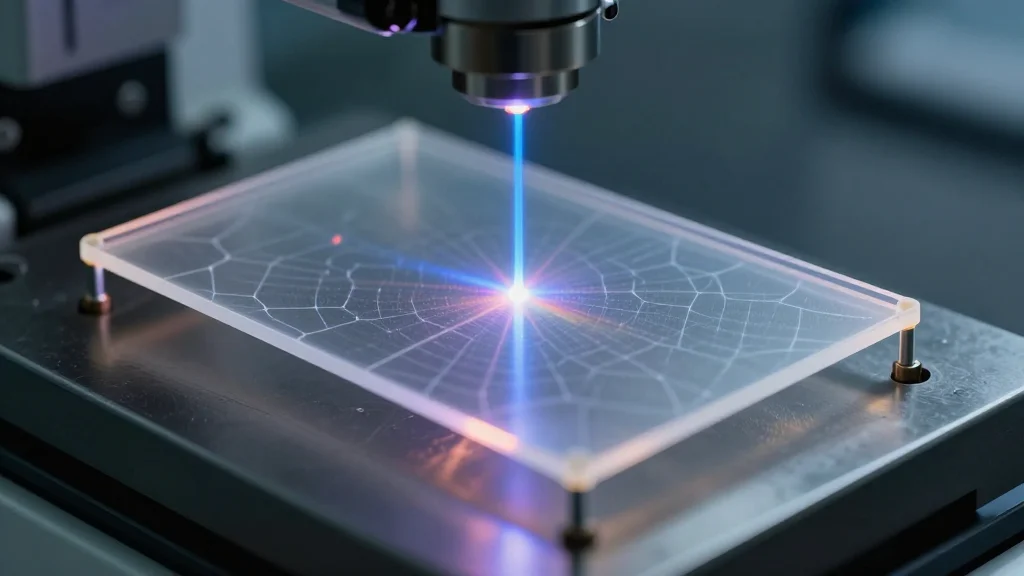
Standardized Elemental Composition Analysis of Graphene‐Related 2D Materials (GR2M) With SEM/EDS and XPS Works Reliably
A systematic study demonstrates that energy‑dispersive X‑ray spectroscopy (SEM/EDS) can reliably quantify the oxygen‑to‑carbon (O/C) ratio and trace metal impurities in graphene‑related 2D materials (GR2M). The researchers validated SEM/EDS results against X‑ray photoelectron spectroscopy (XPS) across multiple excitation settings and...

Synergistic Catalysis at Zn–Mn Dual‐Atoms Sites for Efficient Electrocatalytic Oxidation of Formaldehyde
Researchers have engineered a Zn‑Mn dual‑atom catalyst (ZnMn‑N8) that dramatically improves electrocatalytic oxidation of formaldehyde in a gas‑solid system. The material achieves 63.8% HCHO decomposition with 92.3% CO₂ selectivity, surpassing many liquid‑phase catalysts. Advanced microscopy and X‑ray spectroscopy confirm atomic‑scale...
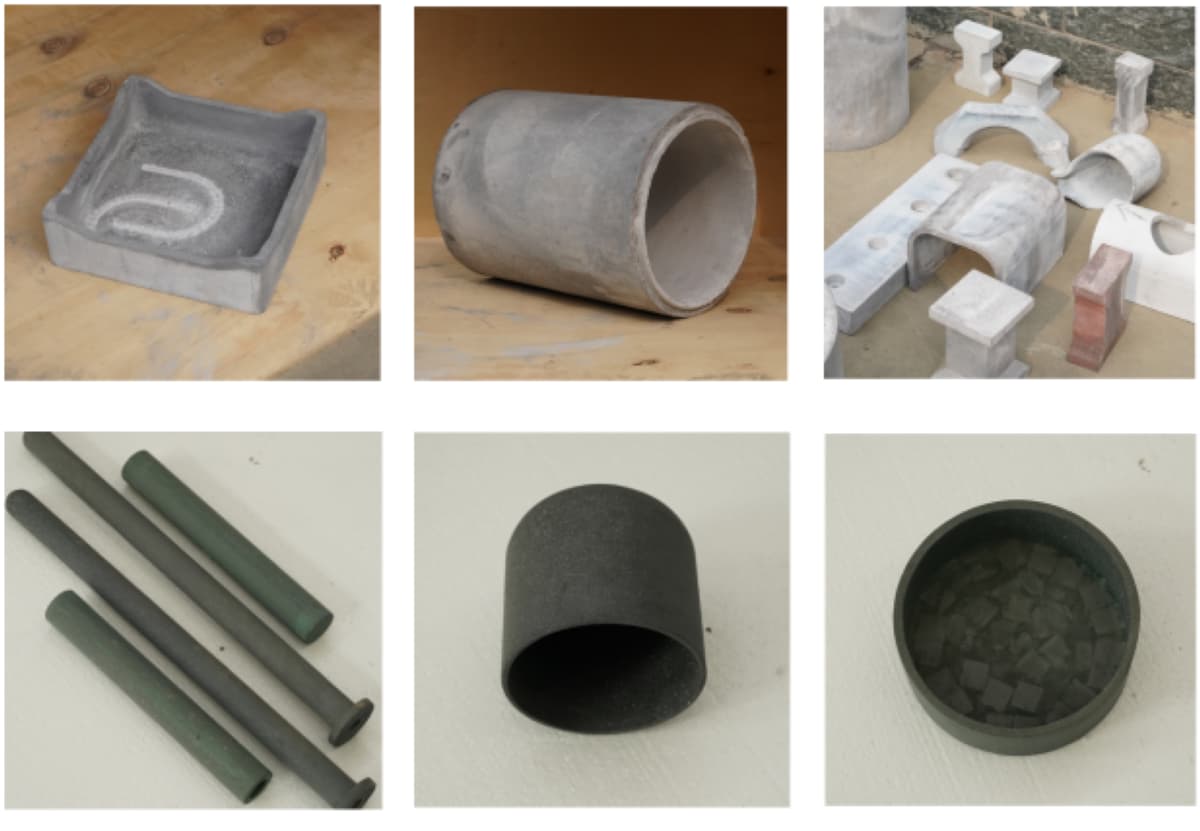
TRUNNANO: Material Transformation and Innovation in Advanced Ceramics
TRUNNANO announced a strategic expansion from pure nanomaterials into advanced ceramic R&D and production, building on more than a decade of nanoscale powder expertise. The move, initiated in 2024, targets the semiconductor, new‑energy and aerospace sectors where extreme‑condition materials are...
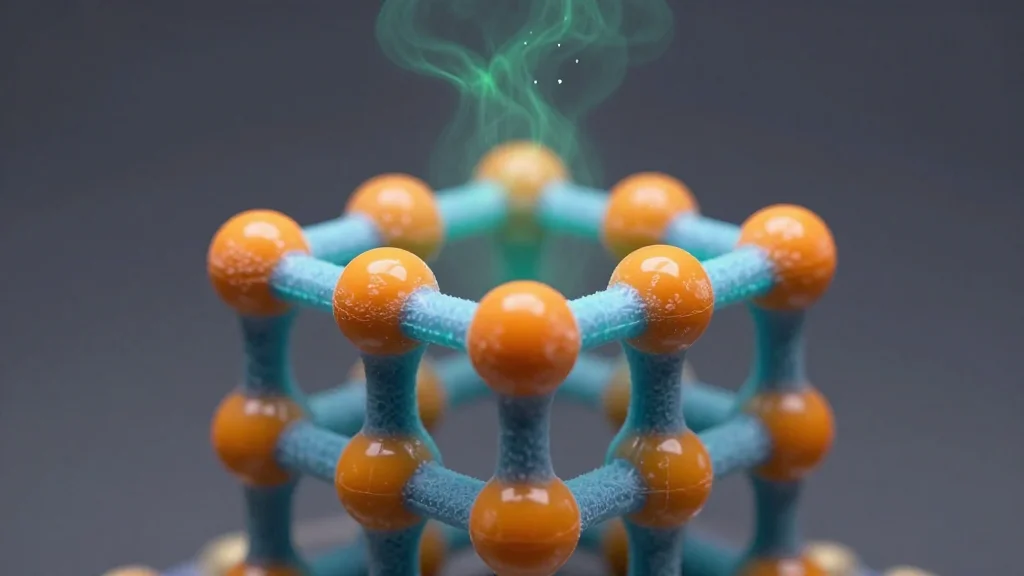
Engineering the Electronic Microenvironment with Bromine Functionalization for High‐Selectivity Photocatalytic CO2 Reduction
The research presents a surface bromine modification for the covalent organic framework TzPm‑COF, creating TzPm‑COF‑2Br with a tuned donor‑acceptor architecture. This brominated COF delivers a CO evolution rate of 155 µmol g⁻¹ h⁻¹ and 99.4 % selectivity under visible light, a 2.7‑fold increase over...
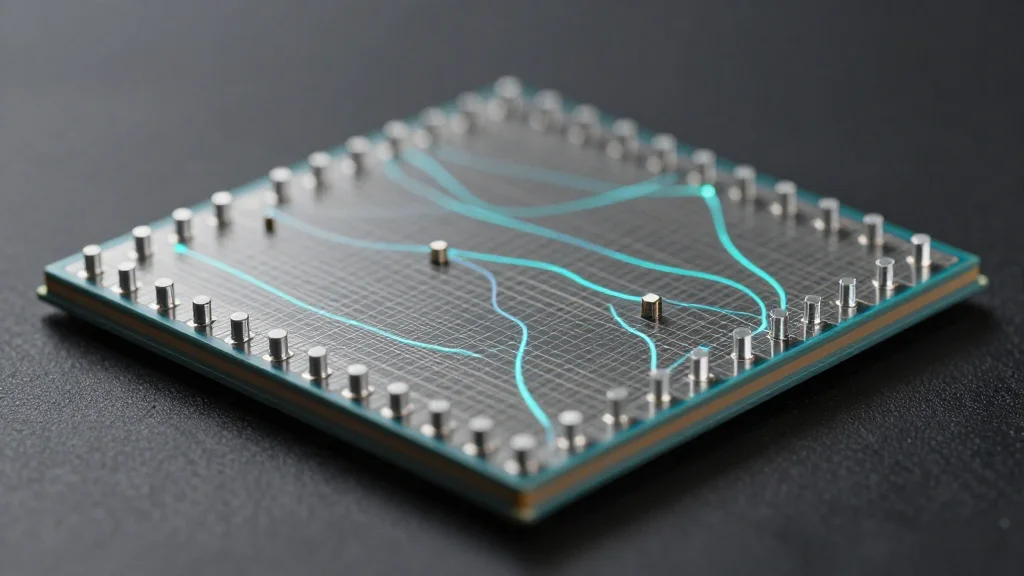
Protonic Nickelate Device Networks for Spatiotemporal Neuromorphic Computing
Researchers have created a fully integrated neuromorphic computing platform using hydrogen‑doped perovskite nickelate (NdNiO₃) devices on a single wafer. The system combines volatile, nanosecond‑scale protonic dynamics for spatiotemporal processing with non‑volatile programmable resistance states for output weighting, achieving energy consumption...

Logic‑gated Nanomedicine Activates STING to Boost Metastatic Tumour Immunotherapy
Researchers at the University of Massachusetts Amherst have engineered a logic‑gated nanoparticle that releases a STING agonist only under acidic pH and hypoxic conditions typical of metastatic tumor sites. The dual‑stimuli‑responsive system triggers robust innate immune activation while sparing healthy...

AND Logic Nanoparticle for Precision Immunotherapy of Metastatic Cancers
Researchers have engineered a dual‑stimuli‑responsive nanoparticle that activates the STING pathway only when both acidic pH and hypoxic NQO1 activity are present, creating an AND‑logic release of the agonist MSA‑2. In preclinical models of lung carcinoma, triple‑negative breast cancer and...
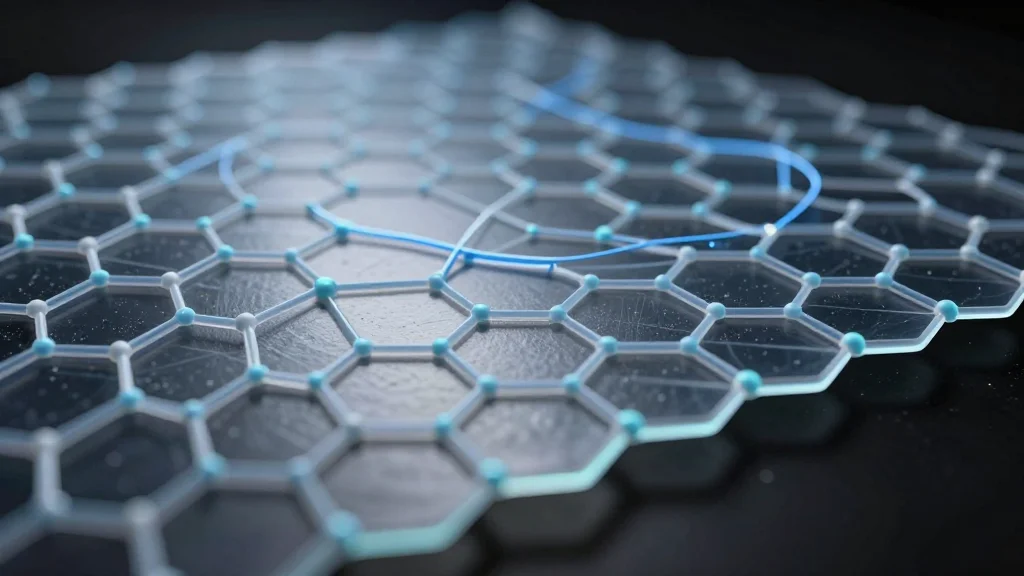
Engineered Magnetic Films Follow Graphene's Equations for Massless Electron Waves
Researchers at the University of Illinois Urbana‑Champaign have engineered a two‑dimensional magnetic film whose spin‑wave dynamics obey the same Dirac‑like equations that govern massless electrons in graphene. By patterning a thin magnetic layer with a hexagonal lattice of holes, they...

AI Approach Takes Optical System Design From Months to Milliseconds
Penn State researchers introduced a large‑language‑model workflow that predicts the optical response of metasurfaces in seconds, replacing hours‑long simulations. By fine‑tuning an LLM on a 45,000‑design dataset, they achieved high‑accuracy forward and inverse design without bespoke neural networks. The method...

Upcycling Waste Glass to Silicon Carbide Nanowires
Rice University researchers led by James Tour have demonstrated a fluorine‑assisted flash Joule heating (FAF) process that transforms waste glass and coal residues into silicon carbide (SiC) nanowires in seconds. By packing ground glass, carbon black and sodium fluoride into...

Intrinsically Chiral Excimers: Water‐Compatible Trityl‐Based Nanoparticles as Tailored Dual Emitters of Circularly Polarized Luminescence in the Vis or NIR Regions...
Researchers led by Imma Ratera have engineered water‑compatible chiral organic nanoparticles using a brominated trityl radical. These particles convert unpolarized light into circularly polarized luminescence (CPL) without the need for external polarizing filters. By adjusting radical concentration, the system switches...
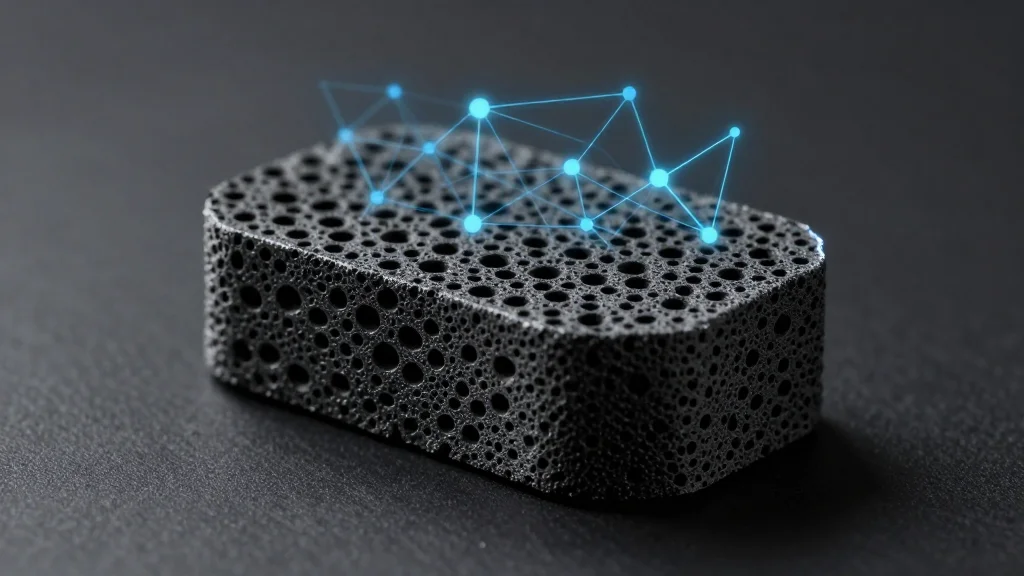
Machine Learning‐Assisted Tailoring of Pore Structures in Coal‐Derived Porous Carbons for Enhanced Performance
Researchers introduced a machine‑learning‑assisted workflow that predicts and tailors pore‑structure parameters of coal‑derived porous carbons. By linking precursor chemistry and synthesis conditions to specific surface area and total pore volume, the method streamlines material design. Validation on coal‑based activated carbon...

Engineering Grain Architecture in Epitaxial Aluminum on Miscut Substrates Toward Various Clean Limits and Giant Superconductivity Modulation
Researchers demonstrated that tilting GaAs substrates—a miscut angle—allows precise control over the grain architecture of epitaxial aluminum films without changing growth conditions. Adjusting the miscut produces twinned grains, polycrystalline regions, or micrometer‑scale single crystals, directly influencing surface roughness and electron...

“Dual‐Hit” Photothermal and Immunogenicity Activation by Structurally Simple Carbon Dots‐Doped Hydrogel
The study introduces a structurally simple oxaliplatin‑loaded polymeric hydrogel doped with carbon quantum dots that delivers a “dual‑hit” photothermal‑immunotherapy. Laser irradiation first generates localized photothermal ablation and simultaneously triggers oxaliplatin release, inducing immunogenic cell death. This cascade activates a systemic...
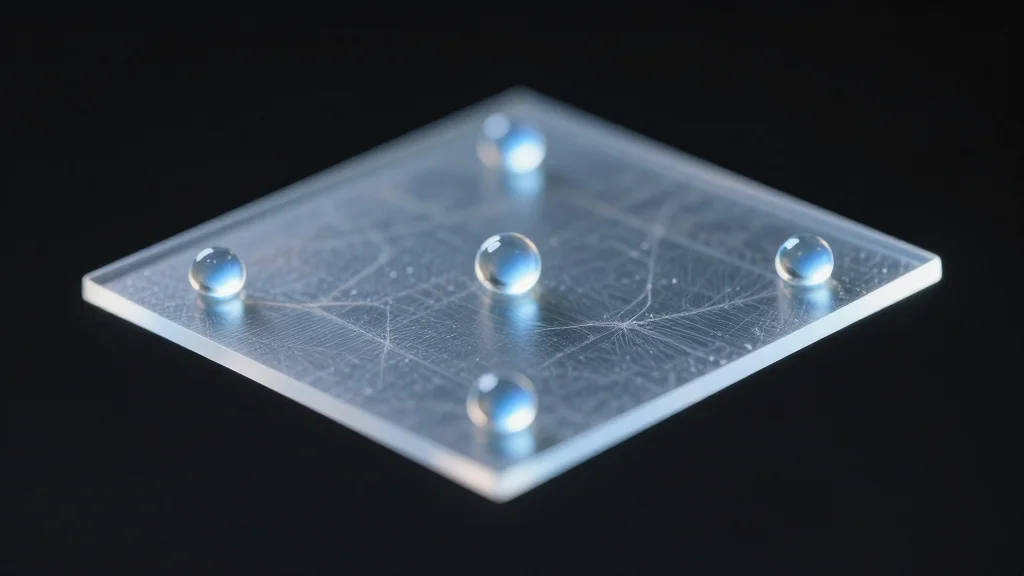
0D/2D Nanomaterials Heterostructures for High‐Performance Photodetectors: Combining Quantum Dots With 2D Materials
The review highlights the rapid emergence of 0D/2D heterostructures that combine quantum dots with atomically thin 2D crystals for photodetector applications. Quantum dots contribute size‑tunable optical absorption, while 2D layers offer high carrier mobility and mechanical flexibility. Recent demonstrations show...

Arginine Polymerization Boosts Anti‐Inflammatory Effects and DNA Nanostructure‐Assisted siRNA Delivery in Acute Respiratory Distress Syndrome
Researchers discovered that polymerizing arginine amplifies its anti‑inflammatory activity, with longer polyarginine chains upregulating IL‑4 expression. An arginine trimer (3R) can self‑assemble DNA nanotubes without magnesium, serving both as a cell‑penetrating prodrug and a delivery scaffold for p65 siRNA. The...

Micro‐Corrugated Hydrogel Electrodes for High‐Performance Biofuel Cells via Capillary Force and Ligand Exchange‐Induced Metal Nanoparticle Assembly (Small 14/2026)
Researchers Jongkuk Ko, Jinhan Cho, Cheong Hoon Kwon and colleagues report a micro‑corrugated hydrogel electrode that powers an enzymatic biofuel cell without external mediators. The electrode is formed by capillary‑force‑driven patterning and ligand‑exchange‑induced assembly of TOA‑Au nanoparticles, creating a conductive,...
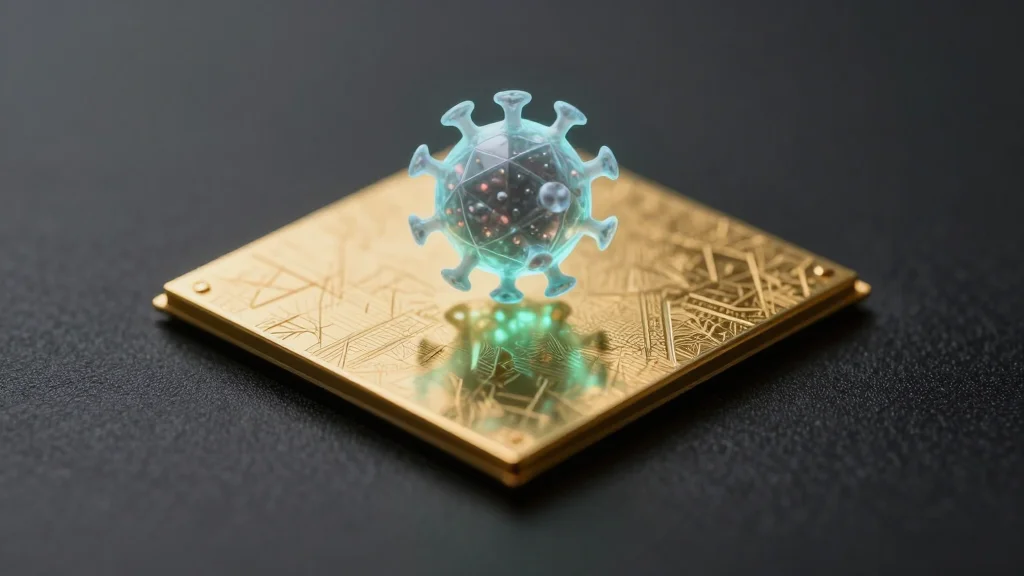
Unravelling Electronic Structure and Molecular Vibrations of Proteins in Virus Using Novel Correlated Plasmon‐Enhanced Raman Spectroscopy With Machine Learning
A novel correlated plasmon‑enhanced Raman spectroscopy (CP‑ERS) platform, built on highly oriented single‑crystalline gold quantum‑dot chips, enables direct, non‑destructive probing of electronic structure and molecular vibrations in dengue virus proteins. The technique reveals previously unseen quasielastic and inelastic Raman scatterings...

Magnetic Nanoparticles Could Make Doxorubicin Delivery More Precise
Researchers have engineered a magnetic nanocarrier (IO@MBD) that combines γ‑Fe₂O₃ nanoparticles with a melamine‑based dendrimer to deliver doxorubicin. The platform achieves roughly 17 wt% drug loading, remains dispersible in water, and releases the drug preferentially under acidic conditions typical of tumor...
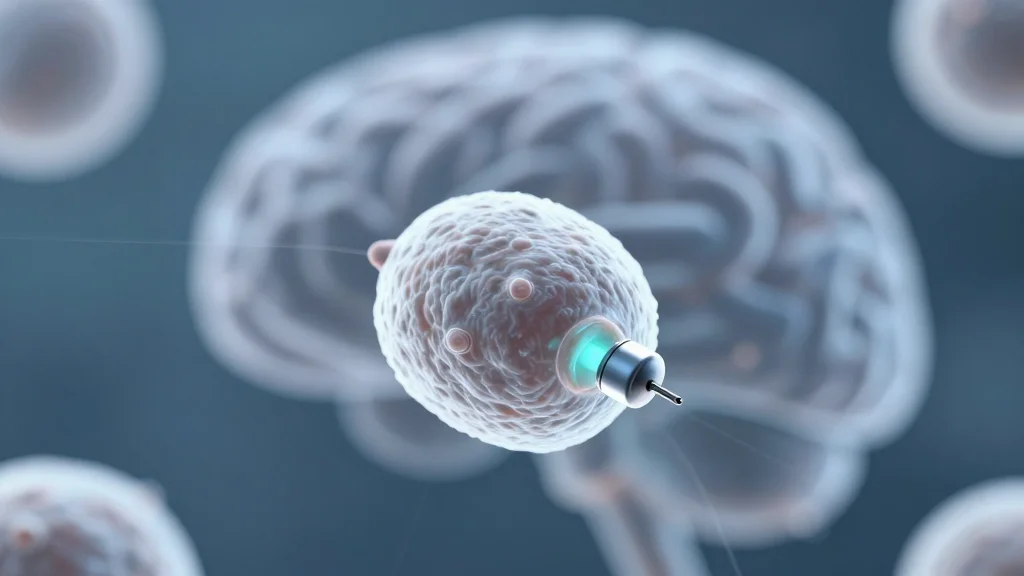
MIT Researchers Develop Self-Implanting Nanotech Brain Devices
MIT Media Lab researchers have created subcellular‑sized wireless bioelectronic devices, termed “circulatronics,” that hitch a ride on monocytes to traverse the bloodstream, cross the blood‑brain barrier, and autonomously implant in inflamed brain tissue. In mouse studies the implants self‑positioned, were...

Sea Further Secures EU Research Grant
Monaco‑based startup Sea Further has been awarded a Horizon Europe grant to advance its industrialisation project. The funding, backed by the European Institute of Innovation and Technology, supports the development of bio‑optimized carbon, including graphene produced by marine micro‑organisms. Monaco’s...
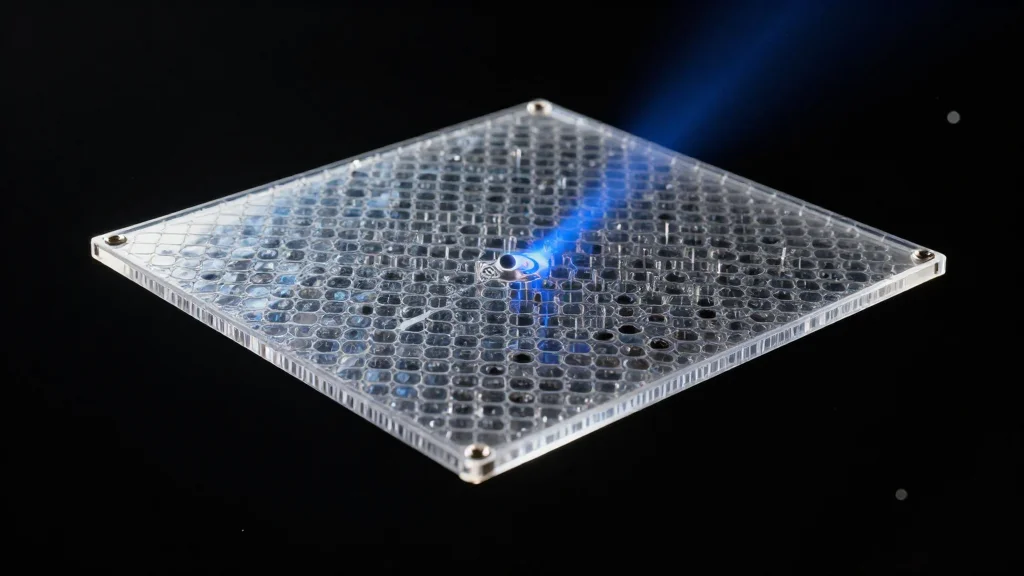
Toward Practical Laser-Driven Light Sails Using Photonic Crystals
Researchers have created a photonic‑crystal light sail (PCLS) that uses a three‑dielectric nanostructure of germanium pillars, air holes, and polymer matrix to achieve high reflectivity at a propulsion‑specific wavelength. Simulations and electron‑beam fabricated prototypes demonstrate about 90 % reflectivity at 1.2 µm...

Chemically Tuning Nanographene Into Topological Spin Chains and Why the Ends Matter
Researchers have chemically engineered a nanographene monomer that can be polymerized into a one‑dimensional magnetic chain on a surface. By adjusting the number of unpaired electrons per monomer, the same molecular scaffold can realize two distinct topological spin‑chain phases: a...

Graphene-Liquid Metal Sensors Unlock 3D Force Detection for Robots
University of Cambridge researchers have created a triaxial force microsensor array using a graphene‑liquid‑metal composite. The device combines anisotropic porous elastomers with pyramid microstructures to deliver fingertip‑scale resolution, 0.9 μN detection limit, and less than 2° directional error across a 500 kPa...
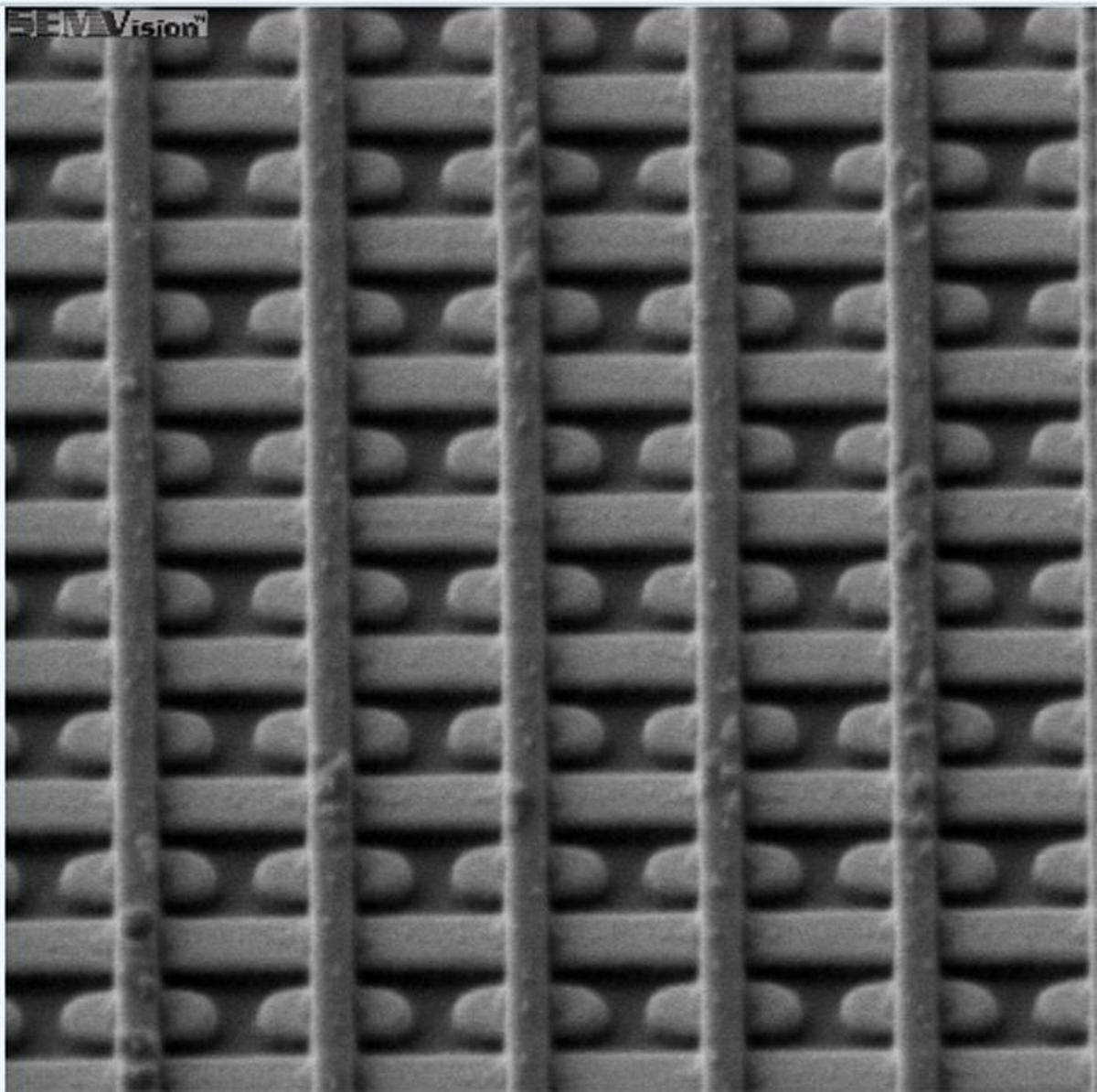
Next Generation, Permanent DNA-Based Data Storage for the AI Age
imec and Atlas Data Storage have formed a strategic partnership to accelerate synthetic DNA‑based data storage, combining Atlas’s ASIC design and DNA synthesis expertise with imec’s advanced chip fabrication capabilities. The collaboration produced a monolithic nano‑scale electrochemical array built on...
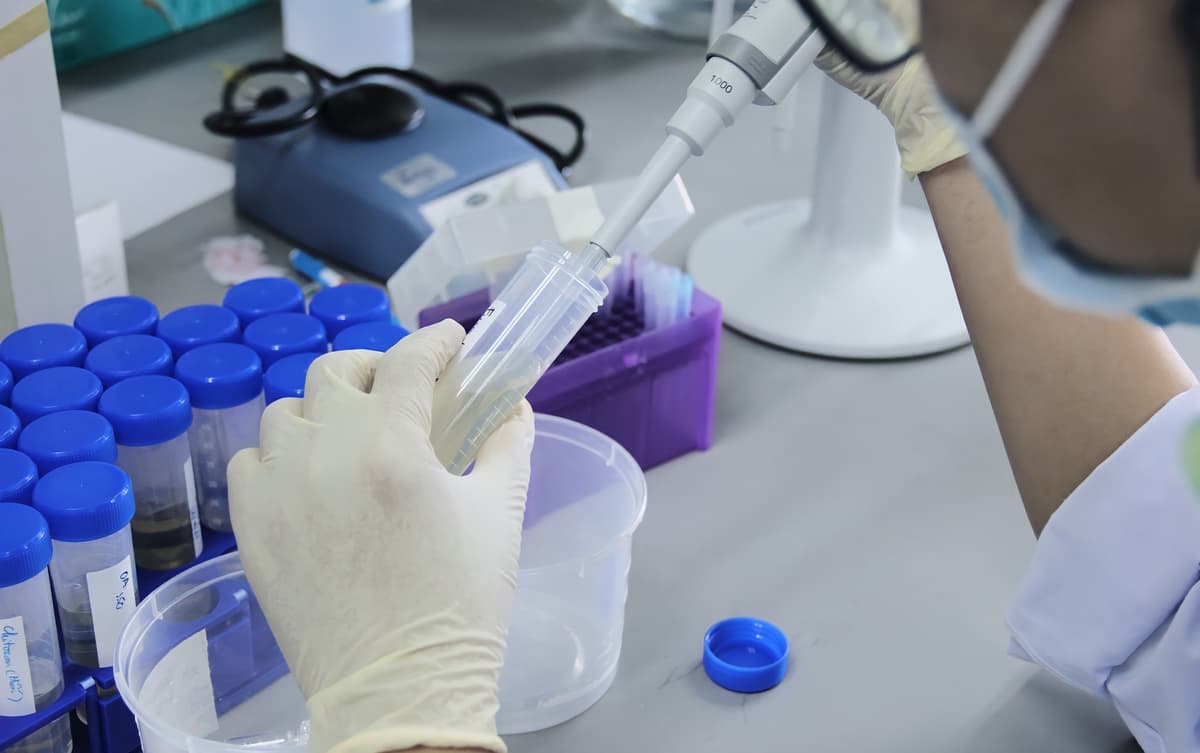
Guiding Nano Assembly for Drug Delivery with Machine Learning
Researchers repurposed the FAP inhibitor SP‑13786 as a co‑assembly excipient to create SP co‑assembled nanoparticles (SCAN) that encapsulate hydrophobic drugs. Using molecular dynamics and a random‑forest machine‑learning model, they identified 228 physicochemical descriptors that predict successful nano‑co‑assembly, highlighting aromaticity and...
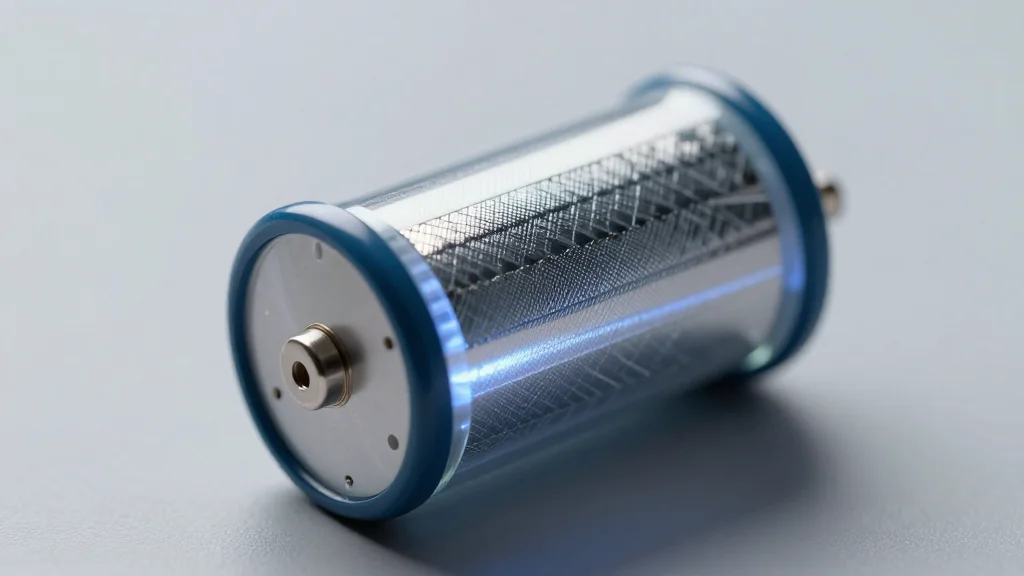
Carbon-Ion Energy Explores Graphene Integration in Its Supercapacitors
Carbon‑Ion Energy announced it is re‑examining graphene integration in its supercapacitors. The effort involves collaboration with graphene producers Levidian and HydroGraph, which supply ultra‑pure graphene of 99.9% and 99.8% purity using combustion‑based processes. The company expects the new graphene structures...

Tracing Extracellular Vesicles' Journey From Cancer Cells to Urine
Researchers at the Institute of Science Tokyo directly traced small extracellular vesicles (sEVs) from tumors to urine in mouse models of brain, lung and pancreatic cancer. Using engineered RNA tracers and luminescent‑fluorescent reporters, they showed tumor‑derived sEVs appear in urine...

Ultrashort Orbital Diffusion Length
Researchers Urazhdin and Lee used terahertz emission spectroscopy on heavy‑metal/ferromagnet heterostructures to directly probe orbital angular momentum transport. Their measurements reveal an orbital diffusion length of only about one nanometer, far shorter than the previously assumed micron‑scale range. The study...
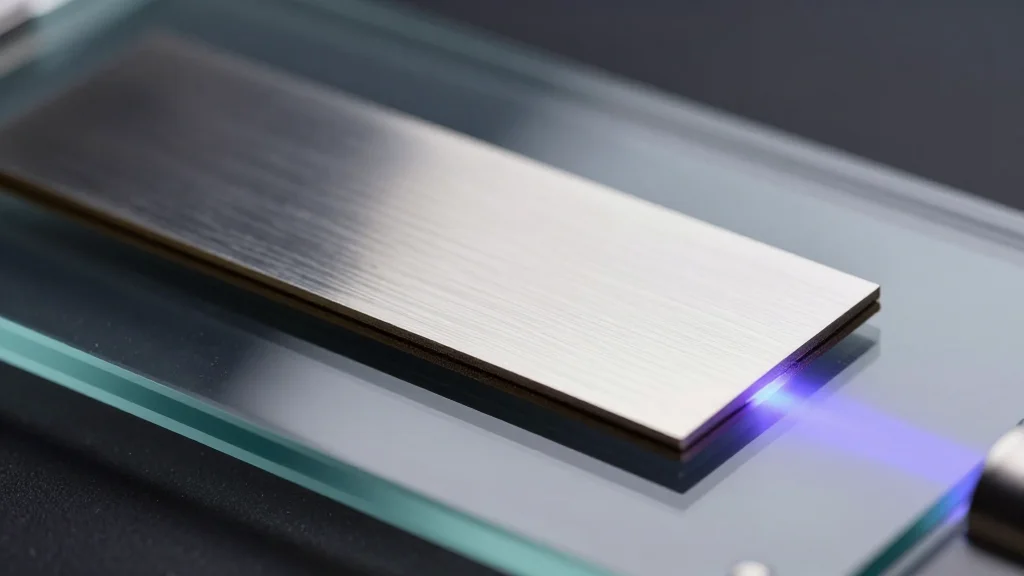
Evidences of Subnanometre Orbital Diffusion Length in Heavy Metals Using Terahertz Emission Spectroscopy
Researchers used terahertz emission spectroscopy to directly probe orbital‑angular‑momentum transport in heavy metals, revealing diffusion lengths below one nanometer. The study combined ultrafast laser excitation with inverse orbital Rashba–Edelstein detection, demonstrating ballistic orbital currents that decay over sub‑nanometre scales. These...

Antibacterial Coatings with Short-Term Effect May Fail over Longer Periods of Time
University of Tartu researchers demonstrated that titanium‑dioxide (TiO₂) antibacterial coatings lose effectiveness after prolonged UV‑A exposure because the photocatalytic reaction degrades the acrylic binder, releasing nanoparticles and diminishing reactive oxygen species. In contrast, zinc‑oxide (ZnO) particles preserve the coating matrix...

Using Individual Atoms to Achieve Fossil-Free Chemistry
ETH Zurich researchers have unveiled a single‑atom indium catalyst anchored on hafnium‑oxide that dramatically improves CO₂‑based methanol synthesis. The catalyst uses isolated indium atoms instead of nanoparticles, achieving higher turnover while consuming far less precious metal. Stability tests show it...