
Size-Shifting Nanoparticles Successfully Deliver mRNA Medicine to the Pancreas
Researchers have engineered size‑shifting lipid nanoparticles that grow from ~100 nm to >300 nm after intraperitoneal injection, exploiting a capsule‑filter mechanism that blocks entry into the liver and spleen while allowing passage to the pancreas. The enlarged particles deliver mRNA payloads—including CRISPR‑Cas9 and interleukin‑2 instructions—directly into pancreatic cells, achieving long‑lasting autoimmune suppression and tumor reduction in mouse models. Safety studies in non‑human primates showed no adverse effects, and the platform is positioned for first‑in‑human trials. The work was published in Nature in February 2026.

Purafy and Electromaax Announce Strategic Partnership
Purafy Clean Technologies and Electromaax have formed a strategic partnership to produce and distribute the Purafy Portage, a portable water purification and desalination system. Electromaax will handle manufacturing and leverage its global marine distribution network, while Purafy supplies graphene‑enhanced ultrafiltration...

Carbon Fibers Bend and Straighten Under Electric Control
Researchers at the Polish Academy of Sciences have shown that bare carbon fibers can be bent and straightened reversibly using electricity, without any coatings or structural modifications. The fibers act as bipolar electrodes in a closed electrochemical cell, where asymmetric...

Quantum Team Reads Information From Robust Majorana Qubits Using Quantum Capacitance
Researchers demonstrated a quantum‑capacitance technique that reads the parity of Majorana‑based qubits in a minimal Kitaev chain, achieving single‑shot, real‑time detection. The modular device—two semiconductor quantum dots linked by a superconducting segment—revealed parity coherence times exceeding one millisecond. This global...

Deterministic Néel Vector Switching of Altermagnets Via Magnetic Octupole Torque
Researchers have demonstrated deterministic control of d‑d wave altermagnets by injecting a magnetic octupole current into an altermagnet/normal‑metal bilayer. The resulting magnetic octupole torque flips the Néel vector without any external magnetic field, converting inherently multidomain textures into a single‑domain...
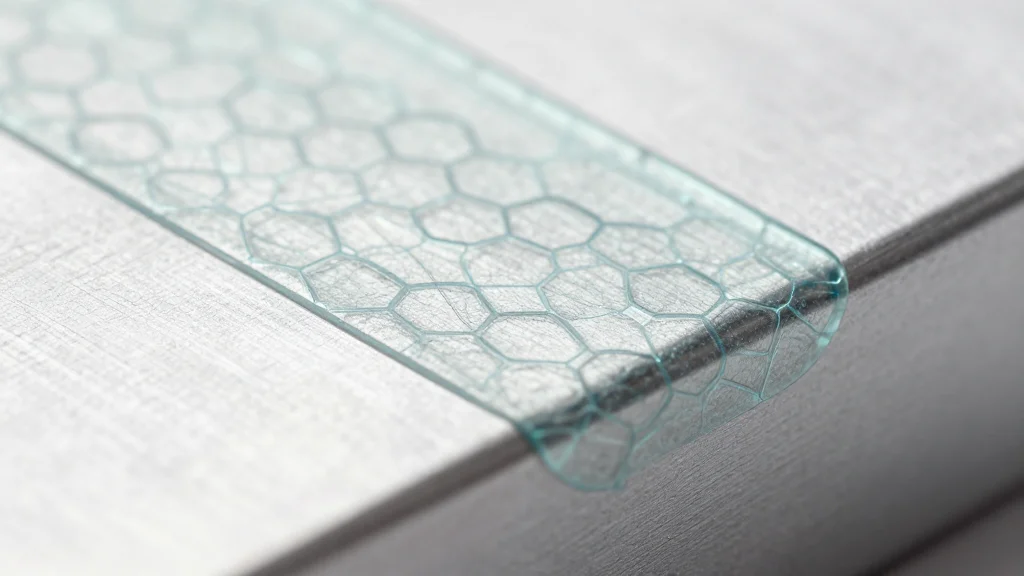
Ion‐Regulating SPEEK–BNNS Hybrid Interfaces Enabling Low‐Barrier Zn‐Ion Transport and Dendrite‐Free Zinc Anodes
Researchers introduced a scalable organic‑inorganic hybrid protective layer of sulfonated poly(ether ether ketone) (SPEEK) and boron nitride nanosheets (BNNS) for aqueous Zn‑ion batteries. The SPEEK‑BNNS interface regulates Zn2+ transport, lowers migration barriers, and mechanically suppresses dendrite formation. In symmetric cells...
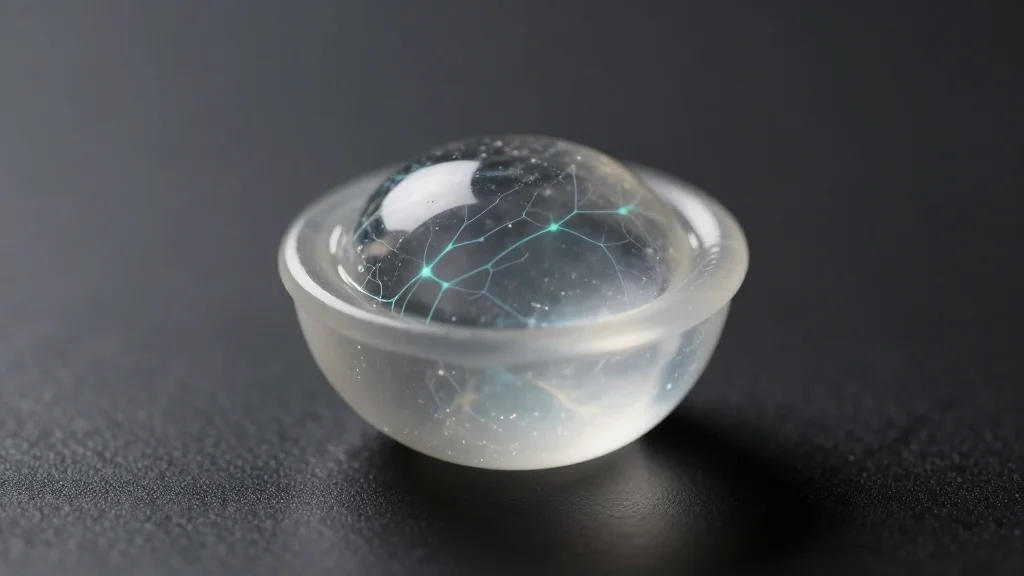
Buckybowl‐Based Organic Single‐Crystal Photosynapses: Concave Architecture Inducing High Accuracy in Image Recognition
Researchers have created the first organic single‑crystal photosynaptic transistors using a hetero‑buckybowl molecule (3S‑2Me). The concave architecture enhances oxygen adsorption, inducing persistent photoconductivity that yields over 4000 seconds of non‑volatile current retention and linearly programmable multilevel conductance. These devices demonstrate typical...
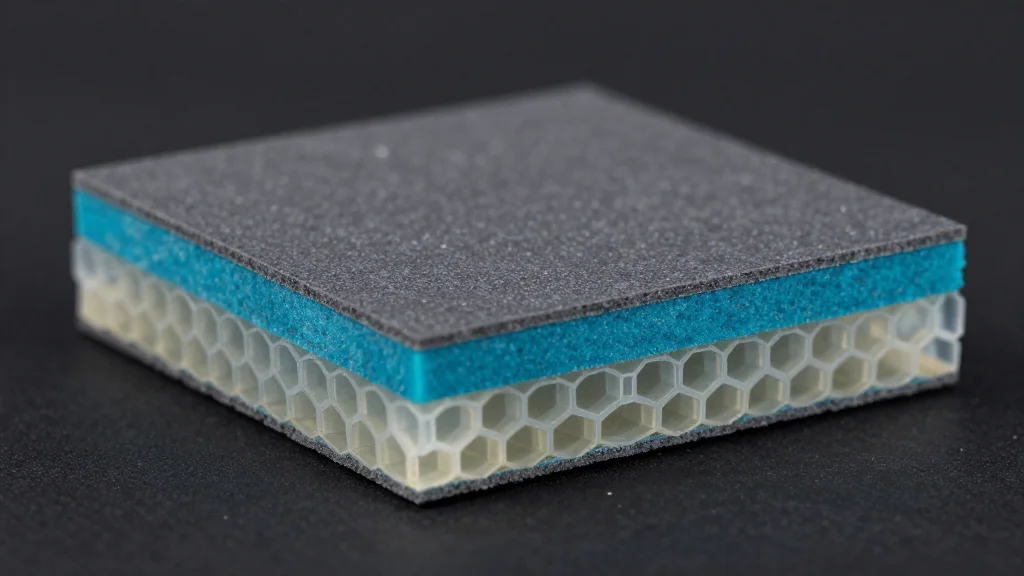
Multi‐Bit Floating‐Gate Memory with an Ultrawide Programmable Window
A MoTe₂/hBN/multilayer‑graphene van der Waals floating‑gate transistor achieves an ultrawide p‑type memory window of ~199 V with a 90.5 % window ratio and charge‑storage density exceeding 10¹³ cm⁻². The device switches in 50 ns, endures over 10⁶ cycles, and retains data for a projected ten years....
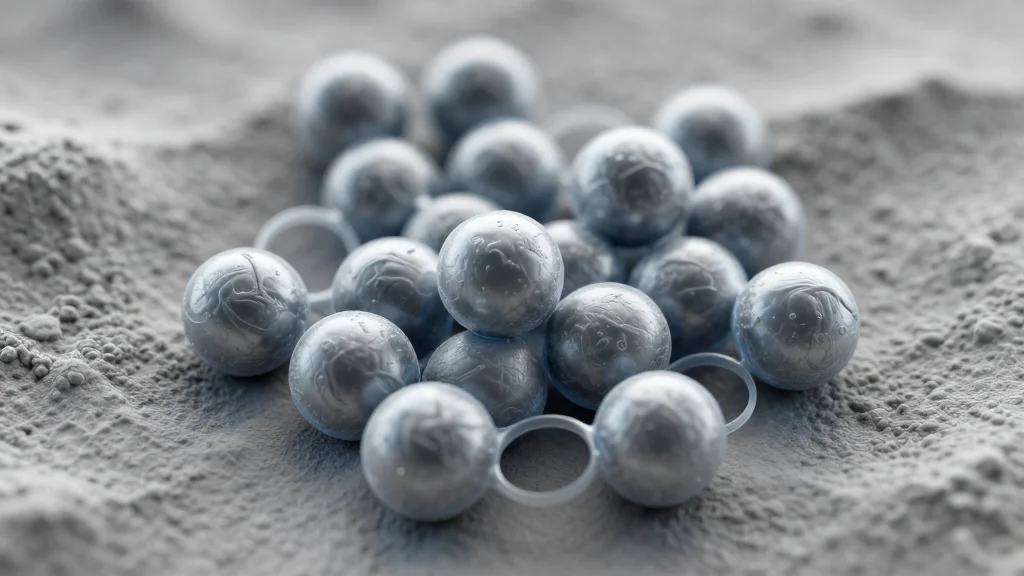
Pdδ+ Formation Induced by Electronic Metal‐Support Interaction Enables Efficient Continuous‐Flow Hydrogenation of Pyridine to Piperidine
Researchers introduced a Pd/θ‑Al2O3 catalyst that leverages strong electronic metal‑support interaction (EMSI) to generate Pdδ+ sites, dramatically improving pyridine hydrogenation to piperidine. The catalyst delivers nearly complete conversion with >99% selectivity under mild continuous‑flow conditions (150 °C, 3 MPa, H2/oil = 300). It maintains...

Charge‐Tuning Ice Inhibition in Antifreeze Peptides
Researchers engineered a series of antifreeze peptides (AFPTs) with systematically varied charges on their non‑ice‑binding sites (NIBSs) to uncover how charge influences ice‑growth inhibition. They found that moderate net‑negative charges improve peptide adsorption onto ice via hydration‑mediated interfaces, while excessive...

Nanochannel Method Makes Ion Membranes Twice as Strong for Clean Energy
University of Queensland researchers have introduced a nanoconfinement polymerisation technique that creates ultra‑thin ion‑exchange membranes with roughly double the tensile strength of conventional films. The method forces polymer chains to align within nanoscale channels, yielding dense, flexible membranes that can...
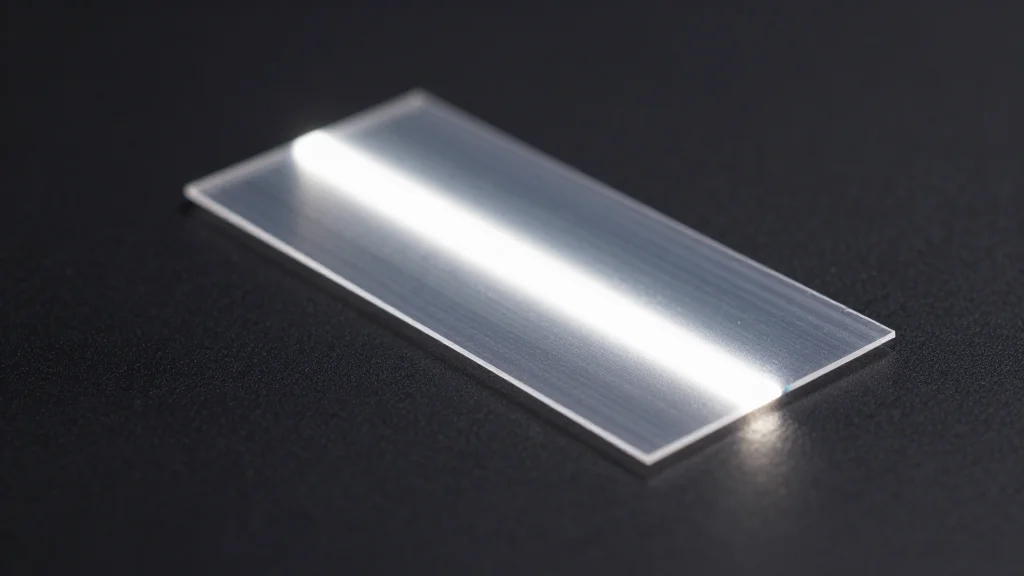
A New, Useful Absorption Limit for Ultra-Thin Films
Researchers in China have demonstrated that ultrathin conductive films can absorb up to 82.8% of incident light when the beam arrives at grazing angles, far exceeding the long‑standing 50% ceiling. The team derived the result analytically from Maxwell’s equations and...
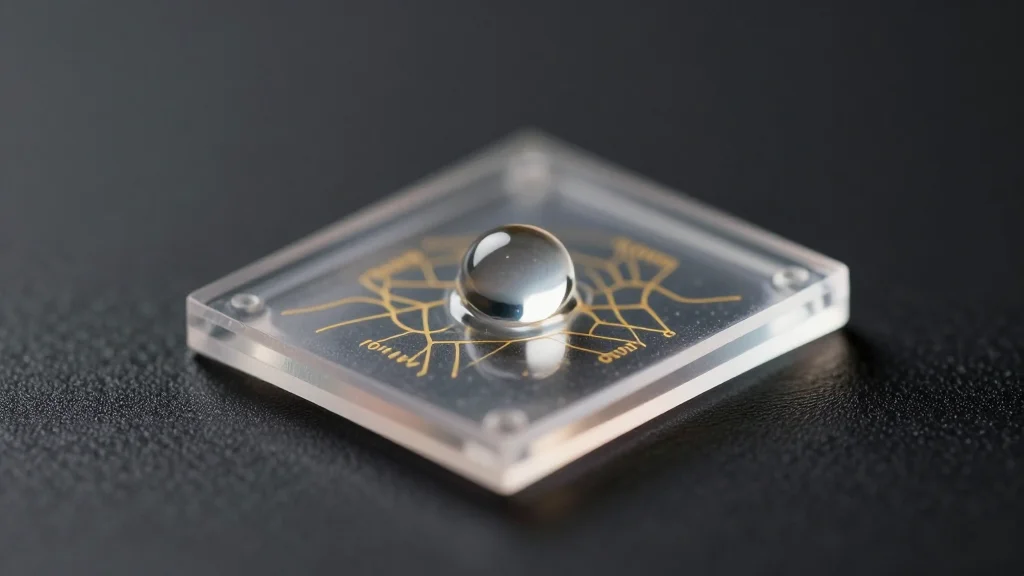
Reusable MoS₂ RF Biosensor Enables Cost-Effective Liquid Biopsies for Early Cancer Detection
Researchers at UNIST, KAIST and Yonsei have developed a reusable molybdenum disulfide (MoS₂) radio‑frequency biosensor for liquid‑biopsy cancer detection. The sensor detects single‑stranded DNA fragments as low as 154.67 nM by monitoring shifts in resonant frequency, and can be washed and...

The Hydrothermal Treatment Effect on the Transverse Relaxivity Values of DyF3 Nanoparticles Colloidal Solutions
Researchers investigated how hydrothermal processing—both classic autoclave and microwave irradiation—affects the transverse relaxivity (r₂) of DyF₃ nanoparticle colloids. Using ¹H NMR at magnetic fields of 0.6 T, 3.65 T and 9.4 T, they found that autoclave‑treated samples exhibit the highest r₂ values, outperforming...

Impact of Tungsten, Iron and Molybdenum on the TiO2 Geometrical Network and Optoelectronic Properties
The study employs density functional theory to evaluate how tungsten (W), iron (Fe) and molybdenum (Mo) dopants modify the electronic and optical behavior of anatase TiO₂. Single‑doping with W, Fe or Mo narrows the band gap from 2.12 eV to 2.0 eV,...

Endometrium-Targeted mRNA-Lipid Nanoparticles for Treating Reproductive Conditions
Researchers have engineered ligand‑conjugated mRNA‑lipid nanoparticles that home specifically to the endometrium, delivering therapeutic mRNA directly to uterine tissue. In a murine model of endometrial injury, the targeted formulation restored embryo implantation rates to near‑normal levels. Safety profiling showed reduced...

Iron Nanoparticle Eliminates Tuberculosis in Mice and May Pave the Way for New Treatments
Brazilian researchers have shown that an iron‑based compound, ferroin, encapsulated in lipid nanoparticles, completely eradicated Mycobacterium tuberculosis from mouse lungs after a 30‑day course. The formulation, LNP@FEP, stabilizes the drug, enhances the activity of existing antibiotics, and targets bacterial cell‑wall synthesis....

Ion Bombardment Triggers a Reliable Quantum Switch in Tantalum Disulfide Crystals
A collaborative team from TU Wien and Kiel University demonstrated that a single highly charged ion impact reliably flips the electronic chirality of 1T‑TaS₂ crystals, acting as a deterministic quantum switch. The ion‑induced disturbance drives the material out of equilibrium,...

2D Memristors Could Help Solve AI's Energy Problem
A new review in Nanoenergy Advances highlights how atomically thin, graphene‑like memristors can store information directly in their molecular lattice, offering fast, dense, and energy‑efficient switching. The paper details how graphene oxide, diamane, and layered chalcogenides achieve controllable resistance changes...

Unraveling Transformation Pathways of Colloidal Semiconductor Perovskite Magic‐Sized Clusters at Sub‐Ambient Temperature
Researchers have mapped three transformation pathways for colloidal semiconductor perovskite magic-sized clusters (MSCs) at sub‑ambient temperatures. They demonstrate a direct thermally‑induced conversion (Pathway 3) and a precursor‑compound‑assisted route (Pathway 1) between binary PbBr₂ MSCs (≈390 nm absorption) and ternary CsPbBr₃ MSCs (≈415 nm absorption)....
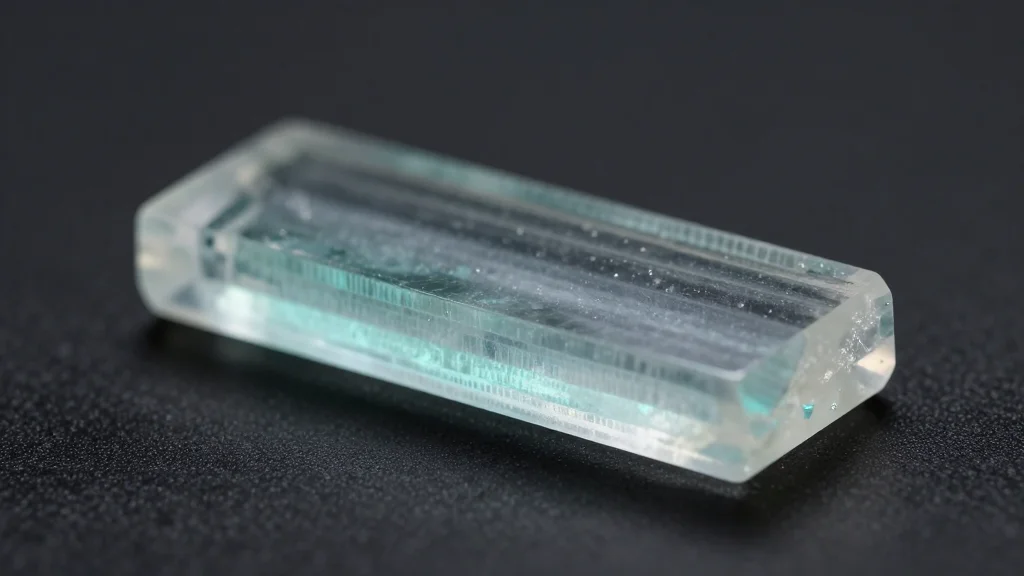
About Carrier's Self‐Trapping and Dynamical Rashba Splitting in the 2D Hybrid Perovskite (BA)2(MA)2Pb3l10
Researchers used time‑ and angle‑resolved photoelectron spectroscopy (tr‑ARPES) to probe carrier dynamics in the 2D hybrid perovskite (BA)2(MA)2Pb3I10. The measured effective masses are –0.18 m0 for holes and 0.12 m0 for electrons, and the Rashba spin‑orbit coupling is constrained to αC < 2.5 eV·Å. Photoexcitation...
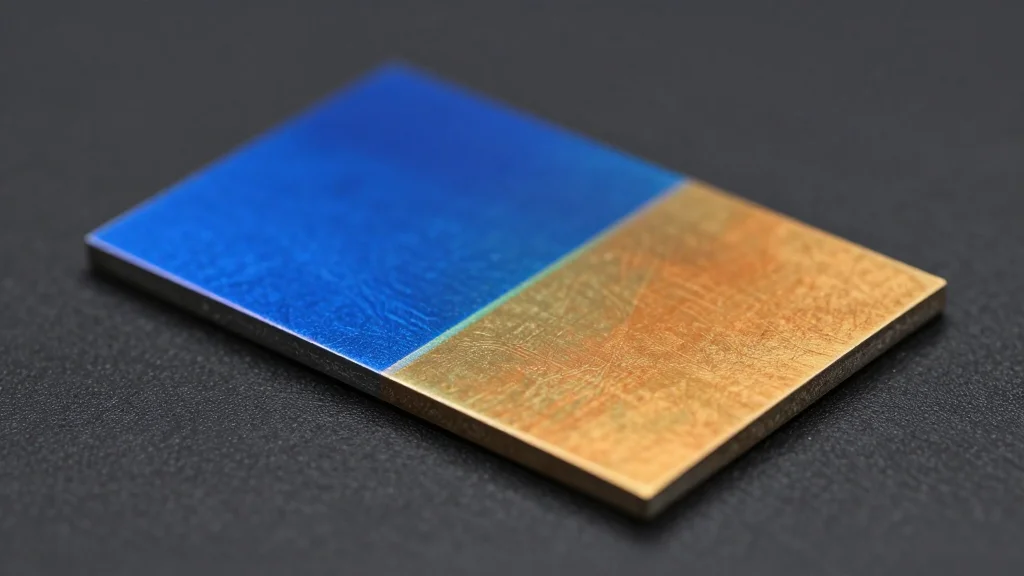
Property Explorations and Applications of 2D Transition Metal Dichalcogenides Through Phase Engineering
The review outlines recent advances in phase engineering of two‑dimensional transition metal dichalcogenides (2D TMDCs), highlighting how controlled synthesis and phase transitions unlock electronic, optical, and magnetic functionalities. It surveys direct growth techniques such as CVD, MBE, and colloidal routes...
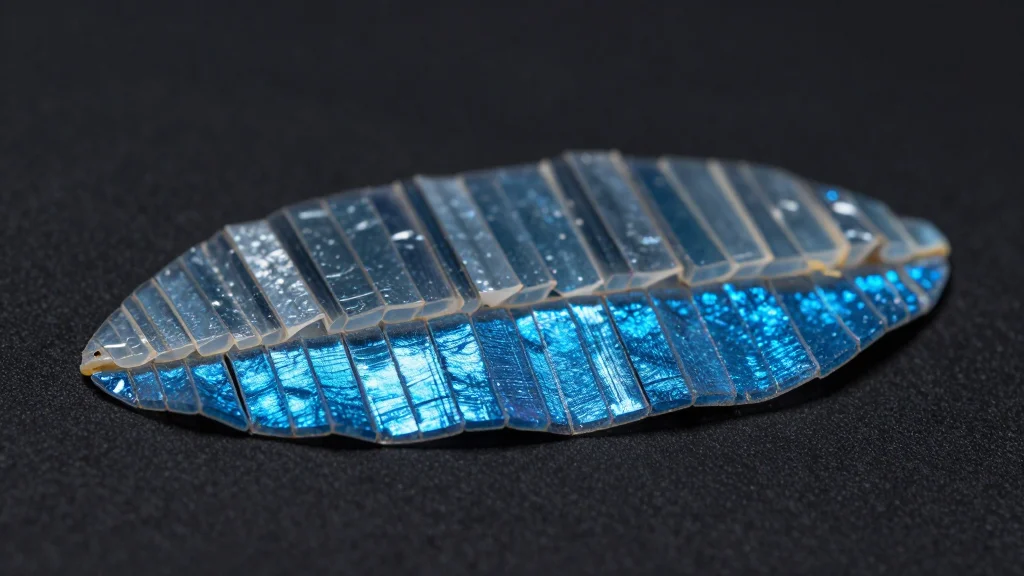
Synergistic Movement of the Dual‐Layer Photonic Guanine Crystal Arrays Reveals a Mechanism of Light Stimuli‐Responsive Structural Color Change in the...
The study uncovers that zebrafish skin changes from slate‑blue in darkness to bright‑blue in light due to coordinated movement of a dual‑layer guanine crystal reflector. The upper S‑iridophore layer contains inclined crystals while the lower L‑iridophore layer holds horizontal crystals,...
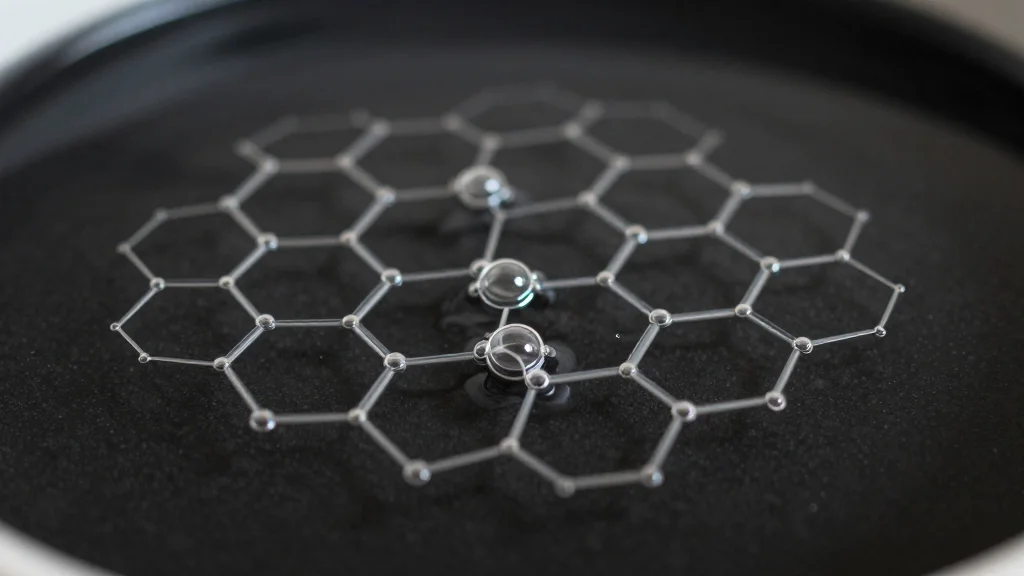
Ultraclean Self‐Assembly on Micro‐Bubble Lattice
Researchers have introduced an underwater micro‑bubble lattice that enables ultraclean self‑assembly of micro‑objects, eliminating residues during transfer. The water‑air interface of the bubbles provides capillary adhesion, preserving the original state of delicate particles. Numerical analysis identified wettability contrast and particle‑to‑bubble...

Sustainable All‐Inorganic Double Perovskite Memristors Enabling Synaptic Learning and Cognitive Emulation
Researchers have demonstrated lead‑free all‑inorganic double perovskite Cs2AgBiBr6 memristors that combine robust analog resistive switching with biologically relevant synaptic plasticity. The devices rely on reversible Ag⁺ ion migration to form filamentary conduction paths, as confirmed by impedance spectroscopy, c‑AFM, and...

Photo‐Modulated Proton Transport in Merocyanine Metastable‐State Photoacid Based Polymers
Researchers have covalently incorporated a merocyanine metastable‑state photoacid into soft polymers, turning insulating matrices into light‑responsive, proton‑conducting materials. Upon illumination, the photoacid undergoes a reversible isomerization that releases protons and alters its charge, causing a measurable drop in conductivity. The...

Entropy‐Engineered Layered Double Hydroxide Derived High‐Entropy Alloy Cathodes for Zinc–Air Batteries Under High Depth‐of‐Discharge
Researchers have created a high‑entropy alloy (HEA) catalyst composed of Mn, Fe, Co, Ni, and Cu, derived from a layered double hydroxide precursor. The HEA nanoparticles are uniformly anchored on nitrogen‑doped carbon nanotubes via dicyandiamide‑assisted pyrolysis, yielding a single‑phase fcc...
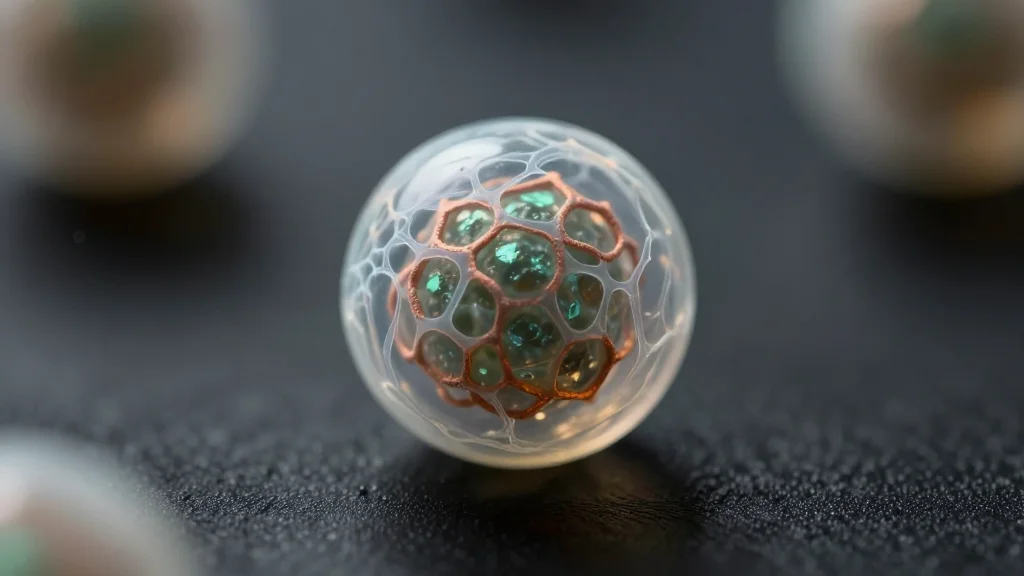
Engineered Nanoplatform with Dual Anti‐Inflammatory and Microbiota‐Modulating Actions for Targeted Therapy in Chronic Inflammatory Bowel Disease
The study introduces BG/SOD@ZIF‑zc, a multifunctional nanoplatform that encapsulates superoxide dismutase within a copper‑doped ZIF framework and coats it with bacterial ghosts for targeted delivery to the colon. The formulation retains SOD activity in the harsh gastrointestinal tract, efficiently scavenges...

Low-Cost Nanocoating Helps Solar Ponds Produce More Fresh Water
A recent Scientific Reports study shows nano‑ferric oxide (Fe₂O₃) coating on the base of a 1 m² solar desalination pond boosts temperature and water output. In outdoor trials across seasons, the coated pond reached 74 °C (≈8 °C higher) and produced 6.5 L m⁻² day⁻¹, a...
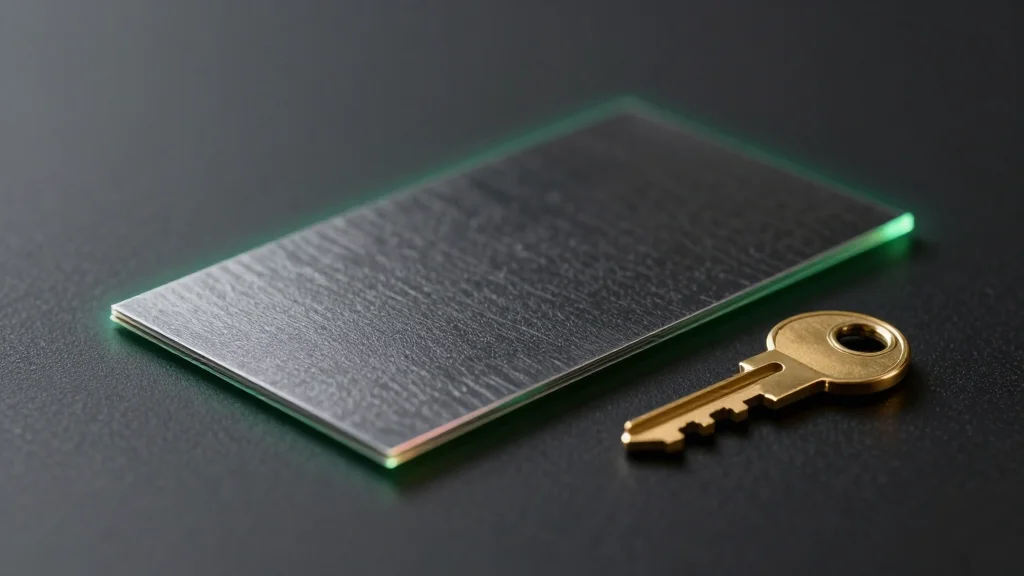
HydroGraph Is Granted US EPA, UK REACH and EU REACH Regulatory Clearances for Commercial Scale Graphene Sales Activities
HydroGraph Clean Power announced it has obtained a US EPA TSCA Section 5(e) order and confirmed UK and EU REACH registrations for its graphene materials. The clearances authorize commercial manufacture, supply, and defined uses of turbostratic graphene—both 3‑9‑layer and ~32‑layer grades—across...

UNSW Turns Peanut Shells Into Sustainable Graphene in Manufacturing Advance
Researchers at UNSW Sydney have devised a method to turn discarded peanut shells into high‑quality graphene using a rapid flash‑joule heating process. The technique heats pre‑treated shell char to roughly 3000 °C for milliseconds, yielding single‑layer graphene at an estimated energy...
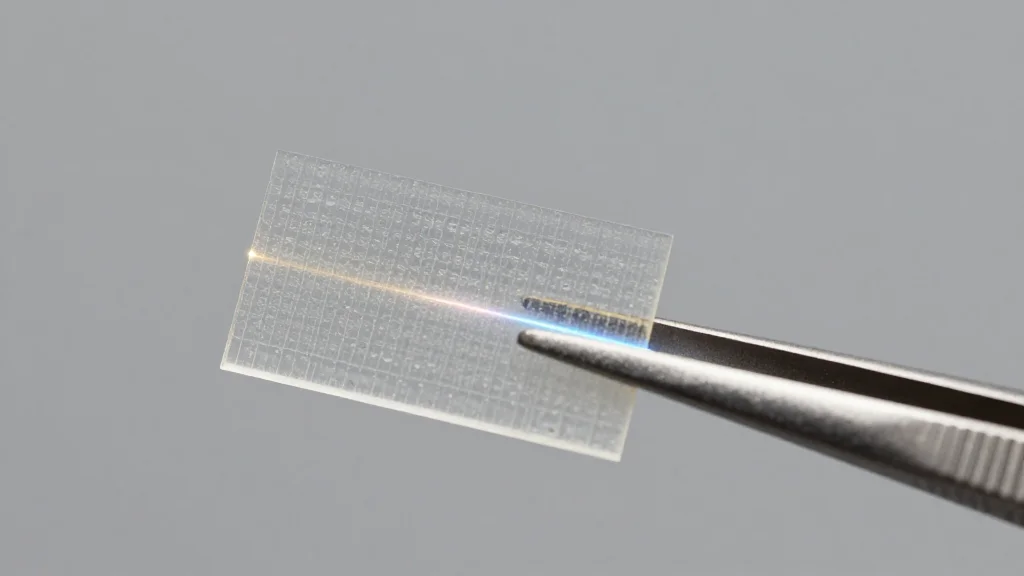
A Wafer-Scale Optoelectronic Device Unlocks Monolithic 3D Integration
Researchers have engineered ordered vacancies in boridene to create pronounced electrical anisotropy, enabling both bipolar and linear photocurrent suitable for optoelectronic computing. The material, (Mo₂/₃Y₁/₃)₂AlB₂, can be deposited at low temperatures and patterned across a full 12‑inch wafer, meeting back‑end‑of‑line...
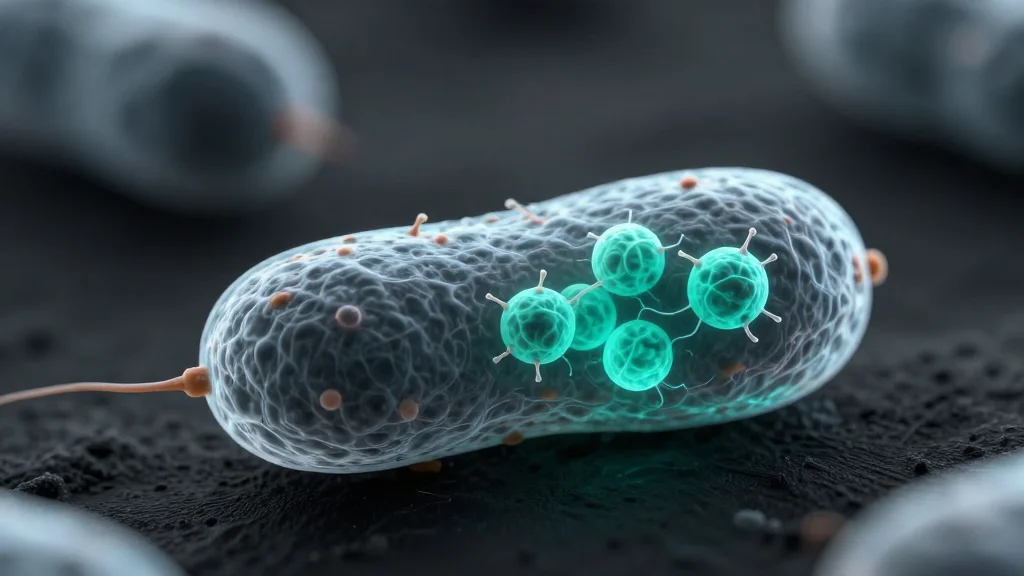
Synthetic RNA 'Nanostars' Create Programmable Compartments in Bacteria
Researchers at Cambridge’s Department of Chemical Engineering and Biotechnology engineered four‑armed RNA nanostars that self‑assemble into membraneless organelles inside Escherichia coli. The condensates form and dissolve reversibly with temperature shifts and can concentrate fluorescent proteins when an arm carries a...

AI-Powered Platform Accelerates Discovery of New mRNA Delivery Materials
University of Toronto researchers unveiled LUMI‑lab, an AI‑driven self‑driving lab that combined a 28‑million‑molecule foundation model with active‑learning robotics to synthesize and test over 1,700 lipid nanoparticles. The system independently identified brominated lipid tails as a potent new class for...
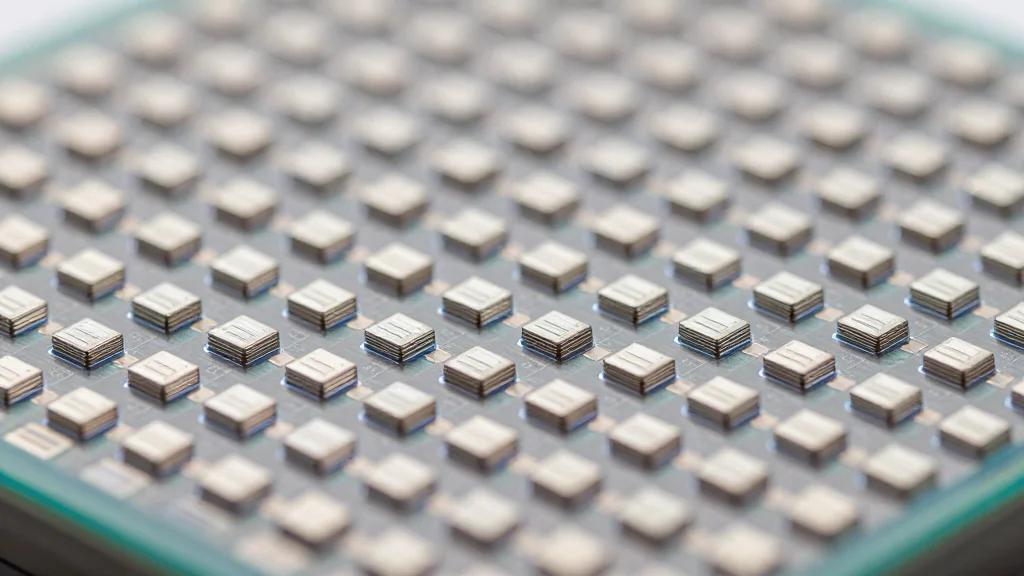
When Smaller Means Better: How Device Scaling Enhances Memory Performance
Researchers at Science Tokyo demonstrated that shrinking ferroelectric tunnel junctions (FTJs) dramatically boosts their memory performance. By fabricating 25 nm Ti/TiOₓ‑Y‑doped HfO₂‑Pt nanocrossbar devices on silicon, they recorded a tunneling electroresistance (TER) ratio of 2,200—over ten times higher than larger counterparts....
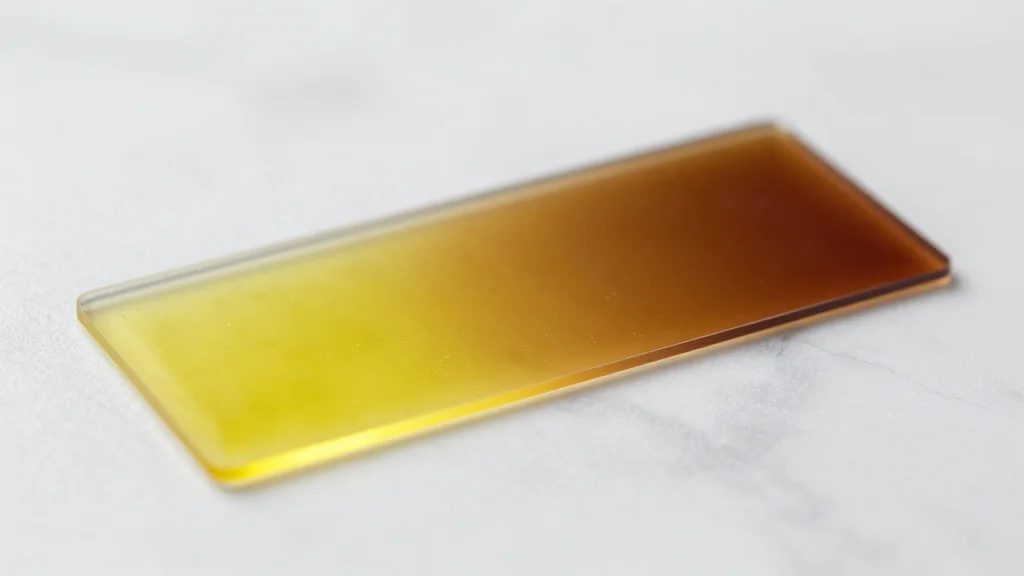
Color-Changing Nanopigment Sensor Tracks pH One to Ten with Stable, Repeatable Readings
South Korean chemists have engineered a nanopigment‑based colorimetric sensor that reliably measures pH across a full range from 1 to 10. By covalently attaching sulfonephthalein dyes to porous silica nanoparticles and embedding them in an agarose/PEO polymer, the sensor eliminates...

Diamond Surfaces Are Covered in Thin, Ice-Like Water Layers
Researchers in China used nitrogen‑vacancy (NV) centers in diamond to directly observe a nanoscale, ice‑like water layer on diamond surfaces under ambient conditions. The quantum‑sensor technique distinguished water from co‑adsorbed organic molecules by analyzing isotopic magnetic resonance spectra. Findings reveal...
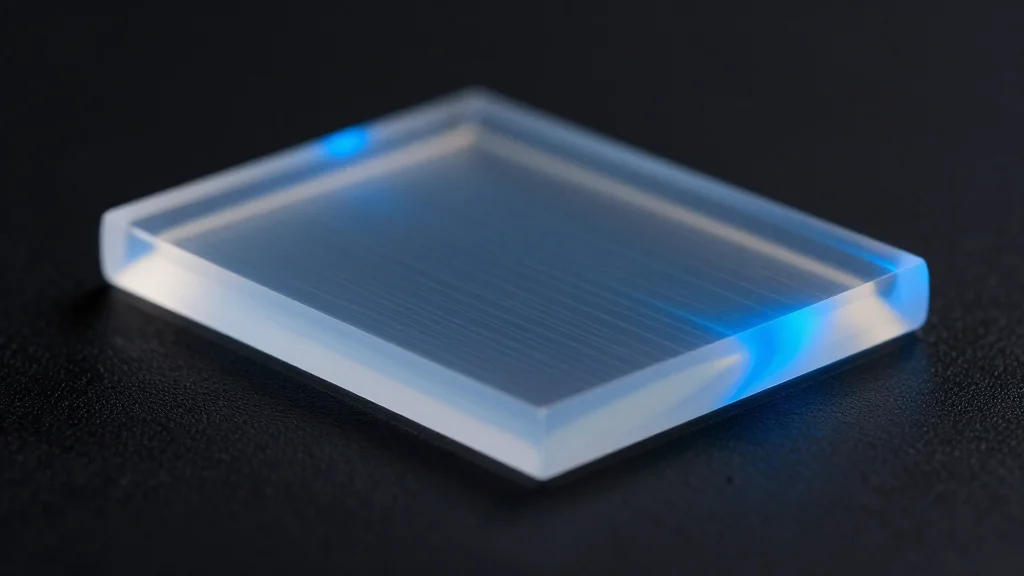
An Ultra‐Tough Fluorescent Elastomer Engineered Using Hierarchical Dynamic Interactions to Integrate Damage Detection and Protection
Researchers have created a poly(urea‑urethane) elastomer that simultaneously delivers ultra‑high toughness, strong mechanical strength, and bright blue fluorescence. By employing a double‑aggregation strategy and embedding La³⁺ ions, the material forms nine‑level hierarchical hydrogen‑bond networks that restrict molecular motion, boosting both...

Single‐Atom Ruthenium Sites on Cobalt‐Titanium Surfaces for Efficient and Selective Chloride Electrolysis
Researchers have created an electrocatalyst featuring ruthenium single‑atom sites anchored on a cobalt‑titanium oxide (Co₂TiO₄/Ti) support using a Ru‑EDTA precursor. The catalyst delivers an ultra‑low Ru loading (<0.1 wt %) yet achieves an overpotential of only 26.2 mV at 10 mA cm⁻² and a Tafel...
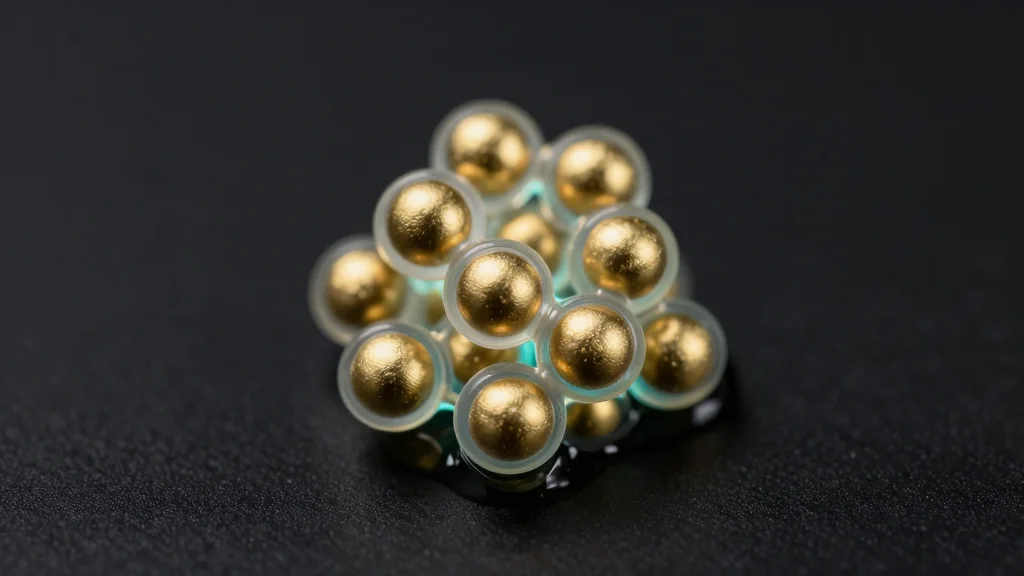
Unraveling Interband Hot‐Electron Transfer in Hydrogenated Au@Cu2O/TiO2 Heterostructure Nanocrystals for Enhanced Hydrogen Evolution
Researchers have engineered a hydrogenated Au@Cu2O/TiO2 nanocrystal featuring a core‑shell architecture and a Z‑scheme heterojunction that enables efficient interband hot‑electron transfer. The plasmonic Au core injects electrons into the Cu2O shell, while the TiO2 partner suppresses recombination, delivering a hydrogen...

Mn‐Doped Nickel Telluride Dirac Semimetals with Engineered Dirac Cones for Accelerated Energy Conversion: Synergistic Electron Transfer and Adsorption Optimization
Researchers synthesized Mn‑doped NiTe2 Dirac semimetals via a one‑step hydrothermal method, discovering that a 5% Mn substitution dramatically reshapes the Dirac cone and boosts Fermi velocity. The doping also raises the density of states near the Fermi level, accelerating interfacial...

Tailorable Curie Temperature in Zinc Ferrite Nanoparticles With Finely Tunable Induction Heating Profiles Between Room Temperature and 250°C
Researchers have developed a spray‑dry synthesis for zinc ferrite nanoparticles whose Curie temperature can be tuned from room temperature up to 250 °C. By adjusting zinc doping levels and post‑synthesis annealing, the induction heating profile is precisely controlled, while aqueous dispersions...

Geometrically Well‐Controlled Wireframe RNA Nanostructures With Bundled‐Helix Edges
Researchers have introduced a single‑stranded RNA origami platform that uses dual duplex bundles as wireframe edges, delivering markedly defined geometries. The approach enables the construction of intricate RNA polygons and grid lattices with high yield and structural fidelity. By bundling...

Mechanochemical Fullerene Nanoencapsulation in Amino‐Functionalized ZIF‐12 for Visible‐Light Disinfection of Waterborne Viruses and Bacteria
Researchers introduced a solvent‑minimized mechanochemical method to embed fullerene C₆₀ within amino‑functionalized ZIF‑12, creating a visible‑light‑driven bifunctional photocatalyst. The C₆₀@ZIF‑12‑NH₂ composite exhibits enhanced charge separation, generating hydroxyl radicals that efficiently inactivate bacteriophage P22 in saline water and eradicate E. coli and...

Covalent Functionalization of NiFe Layered Double Hydroxides Using Tris(Hydroxymethyl)Aminomethane
Researchers have covalently attached tris(hydroxymethyl)aminomethane (TRIS) to nickel‑iron layered double hydroxides (NiFe‑LDH), creating a more ordered crystal structure and enabling high‑temperature hydrothermal synthesis. The TRIS‑functionalized material forms stable, water‑based inks that allow binder‑free electrode fabrication. These electrodes deliver higher oxygen...
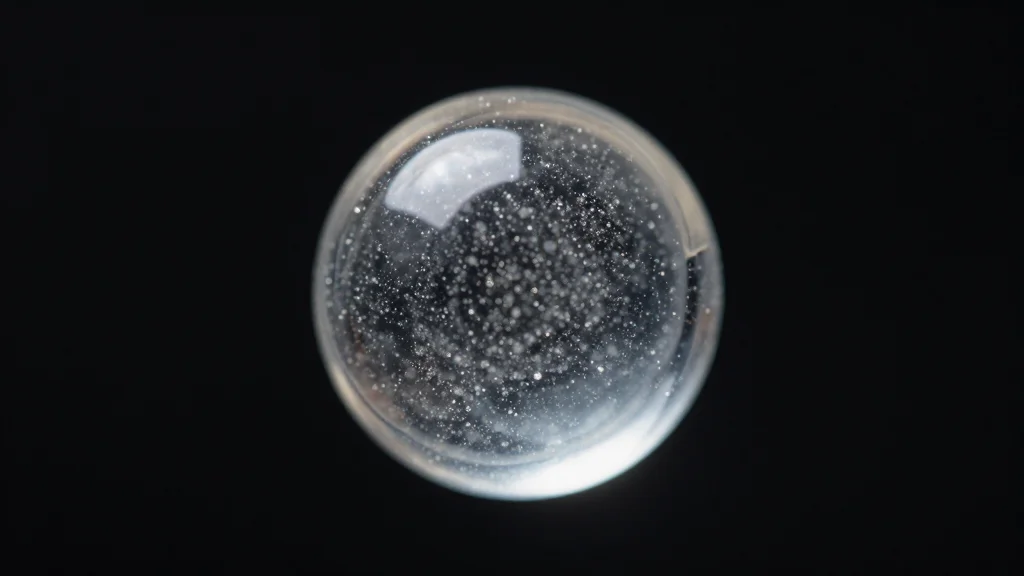
Combining Soft and Hard Properties: Synergistic Innovation of Magnetic Hydrogel Microrobots in Precision Medicine
Magnetic hydrogel microrobots (MHMs) are emerging untethered soft robots that combine magnetic actuation with responsive hydrogel matrices. Recent research highlights dual design strategies that integrate material optimization and functional integration, enabling precise, spatiotemporal control. Innovations in bionic structures and multimodal...
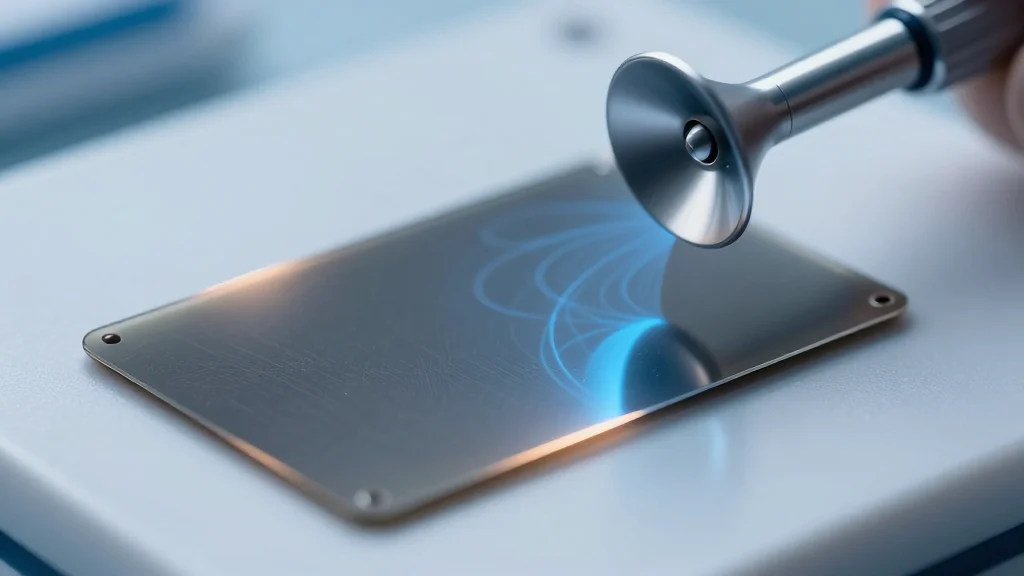
Photothermal‐Mediated Carrier Dynamics in Ti3C2Tx MXene Revealed by Time‐Resolved Terahertz Spectroscopy
Researchers used time‑resolved terahertz spectroscopy to uncover a universal photothermal‑mediated carrier relaxation mechanism in Ti3C2Tx MXene films. The slowest relaxation time scales linearly with film thickness, reflecting lattice cooling governed by thermal boundary conductance. By selecting substrates that alter interfacial...

System Isolates Single Extracellular Vesicle Surface Proteins to Map Function
UC Davis engineers unveiled VESSEL, a cell‑free platform that produces extracellular vesicles bearing a single surface protein. By isolating individual proteins, the system enables direct functional mapping, exemplified by the discovery that CADM1 promotes vesicle uptake. The approach is scalable...
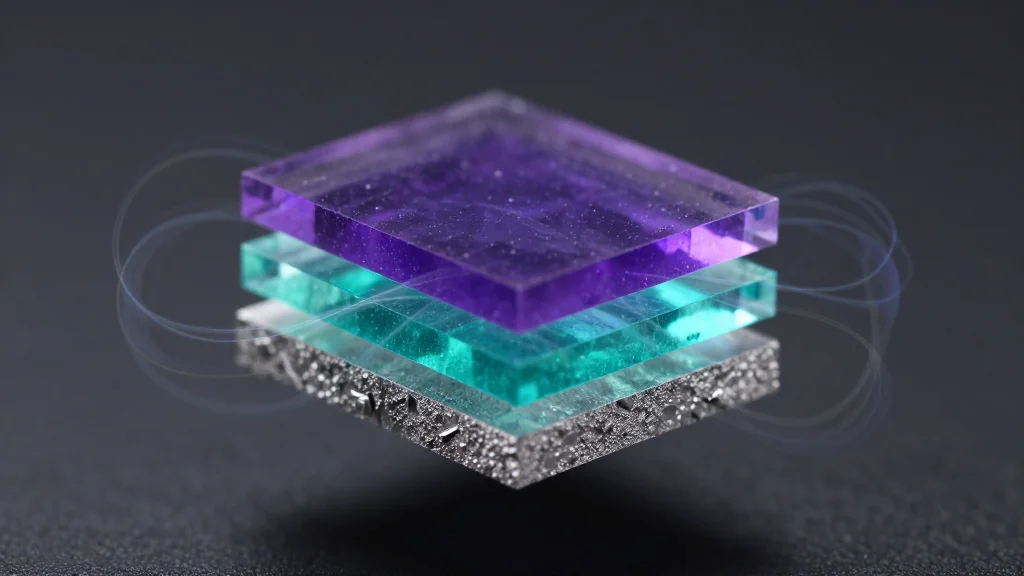
Tailorable Multiferroic Tunnel Junctions From All-Van Der Waals Multilayer Stacking
Researchers have demonstrated a new class of multiferroic tunnel junctions (MFTJs) built entirely from van der Waals (vdW) stacked two‑dimensional crystals. By integrating ferromagnetic Fe3GeTe2 (F3GT) with ferroelectric CIPS and In₂Se₃ layers, the devices exhibit both tunnel magnetoresistance and electroresistance...

Accelerating Next Generation Medicine with New Drug Delivery Platform
Scientists at the University of Nottingham have unveiled a modular materials platform that self‑assembles with RNA to form nanoscale delivery particles. The system uses reversible host‑guest linkages, allowing rapid tuning of stability and behavior for diverse therapeutic needs. In pre‑clinical...