
Nanoengineering of Non-Aqueous Liquid Electrolyte Solutions for Future Lithium Metal Batteries
Researchers are applying nanoengineering principles to design non‑aqueous liquid electrolytes that reshape solvation structures for lithium‑metal batteries. By manipulating solvent‑salt interactions and creating localized high‑concentration environments, the new formulations achieve Coulombic efficiencies above 99.9% and enable fast‑charging at high voltages. The approach also mitigates dendrite formation and improves interfacial stability, addressing long‑standing safety and lifespan concerns. These advances bring lithium‑metal cells closer to commercial viability for electric‑vehicle and grid‑storage applications.
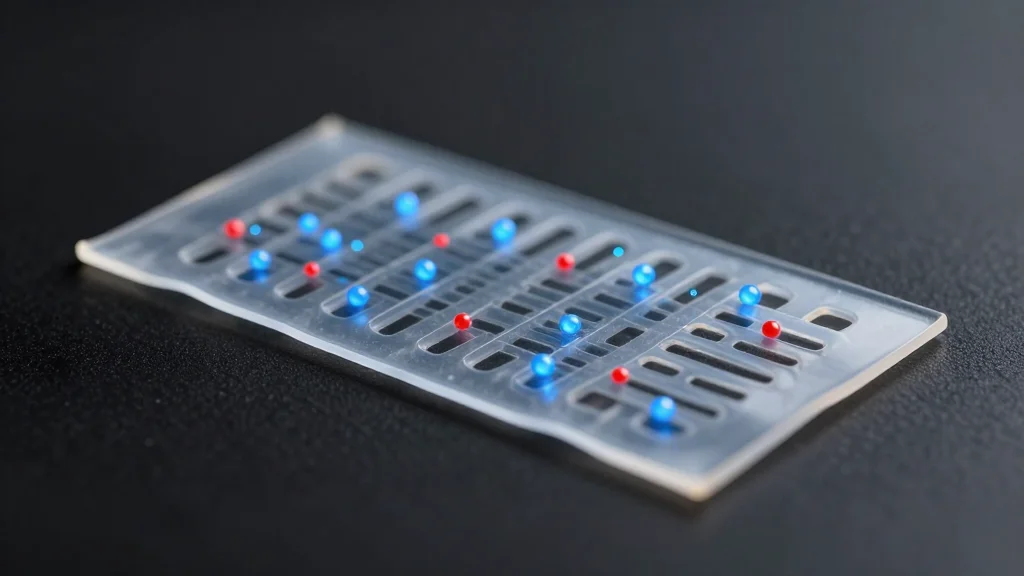
COF Scaffold Membrane with Gate‑lane Nanostructure for Efficient Li+/Mg2+ Separation
Researchers from Tianjin University, NUS and Sichuan University unveiled a covalent‑organic‑framework (COF) scaffold membrane featuring a gate‑lane nanostructure that simultaneously achieves record‑high Li⁺/Mg²⁺ selectivity (231.9) and high Li⁺ flux (11.5 L m⁻² h⁻¹ bar⁻¹). The membrane’s positively charged gating layer rejects Mg²⁺ while an...

MXene Nanomaterials Enter a New Dimension Multilayer Nanomaterial: MXene Flakes Created at Drexel University Show New Promise as 1D Scrolls
Researchers at Drexel University have developed a scalable method to roll two‑dimensional MXene flakes into one‑dimensional nanoscrolls, creating tubular structures up to ten thousand times thinner than a water pipe. The technique reliably produces 10 grams of scrolls across six MXene...

Decoding Hydrogen‑bond Network of Electrolyte for Cryogenic Durable Aqueous Zinc‑ion Batteries
Researchers at Southern University of Science and Technology and partners introduced a dual‑additive electrolyte—glycerol and methylsulfonamide—that reconfigures the hydrogen‑bond network of aqueous zinc‑ion batteries. The reformulated solvation shell suppresses dendrite formation, hydrogen‑evolution corrosion, and freezes the electrolyte down to –45 °C....

Beyond Silicon: Electronics at the Scale of a Single Molecule
Researchers report that molecular electronics is moving from proof‑of‑concept to practical architectures as single‑molecule switches, diodes and transistors become more stable and reproducible. Advances in nanogap fabrication, self‑assembled layers and carbon‑based electrodes have reduced variability that long hindered the field....
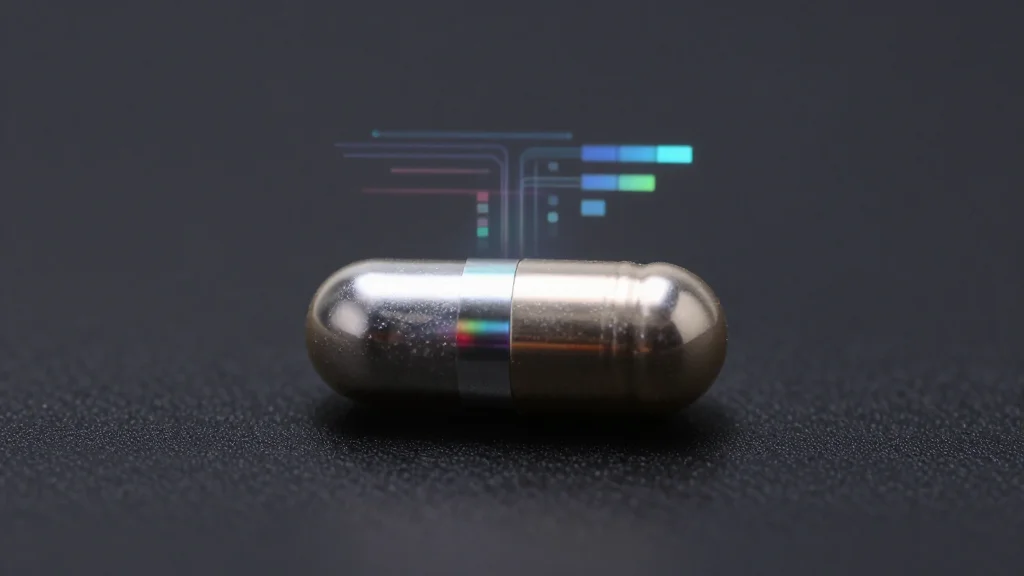
From Sensors to Smart Systems: The Rise of AI-Driven Photonic Noses
The 2025 review in *Microsystems & Nanoengineering* details how photonic noses combine optical sensing with AI to create highly selective, drift‑free chemical detectors. By leveraging colorimetric, refractive‑index, absorption and spectroscopy techniques, these devices generate rich spectral fingerprints that machine‑learning models...
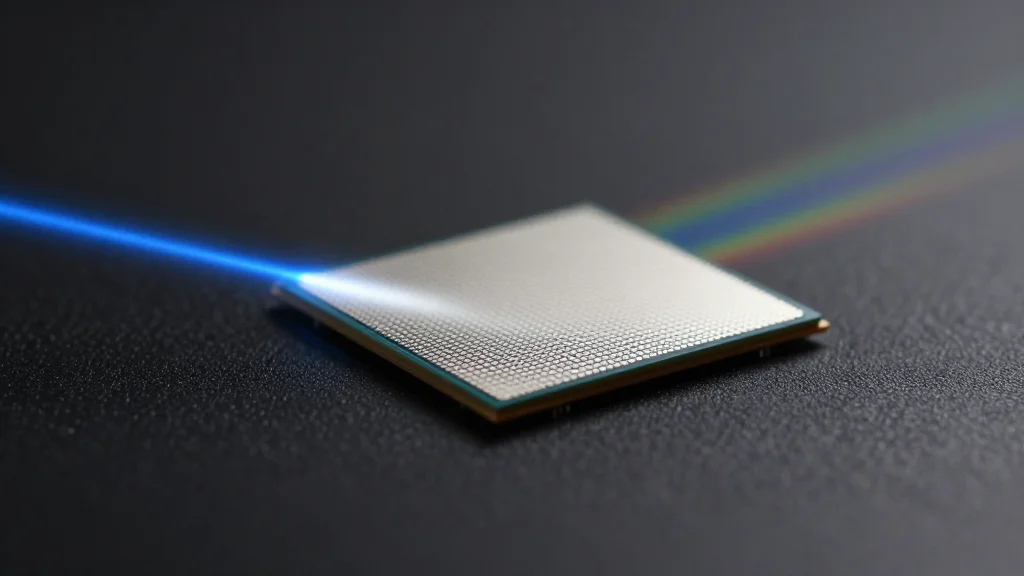
Metasurfaces Smooth Light to Boost Magnetic Sensing Precision
Researchers at Beihang and Westlake Universities have demonstrated a silicon‑based metasurface that converts a Gaussian laser beam into a spatially uniform pumping field by encoding intensity into polarization. The planar device eliminates the need for bulky beam‑shaping optics and works...
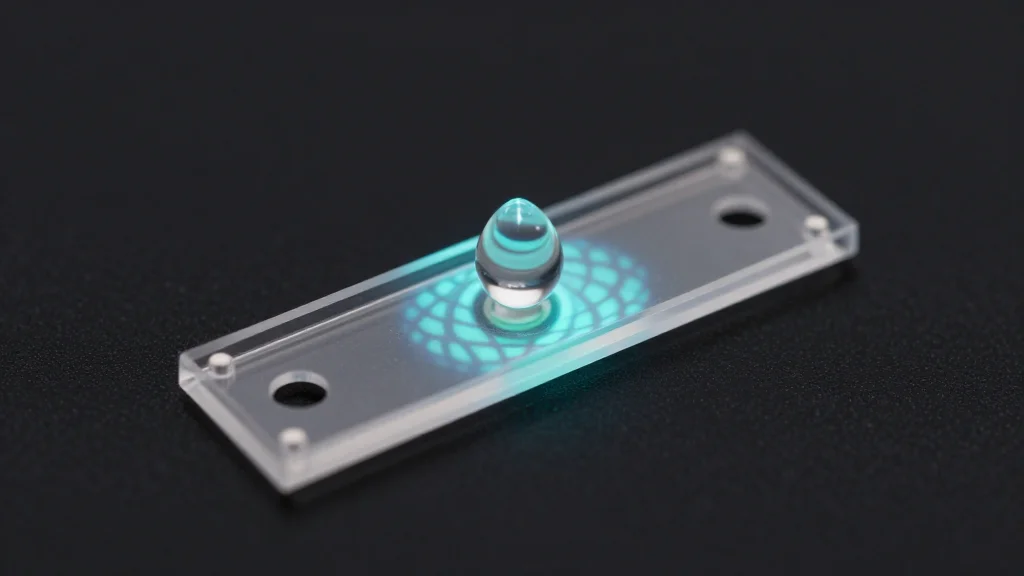
Projecting Light to Dispense Liquids: A New Route to Ultra-Precise Microdroplets
Researchers at Southern University of Science and Technology have unveiled an optoelectrowetting platform that uses programmable light patterns to dispense nanoliter droplets with unprecedented precision. By projecting dynamic illumination onto a microfluidic chip, the system creates virtual electrodes that guide...

Grapheal Secures EIC Support
Grapheal has been awarded European Innovation Council (EIC) support for its PFAST project, which develops fast, field‑deployable graphene sensors for ultra‑trace, real‑time PFAS detection. The award is part of a broader EIC funding round that selected 61 start‑ups and SMEs...
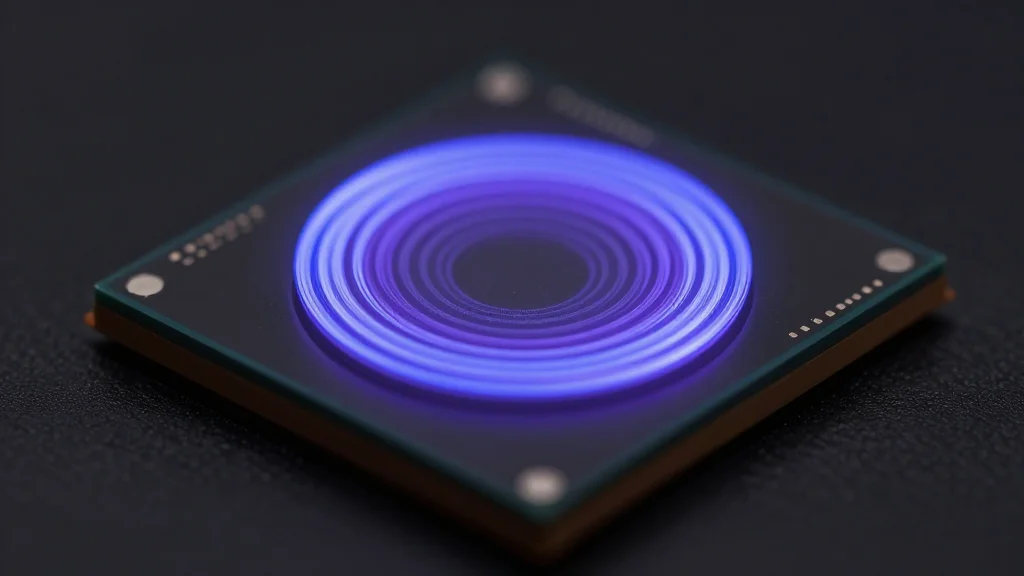
Nanoengineers Realize an On-Chip Excitonic Hyperlens
Nanoengineers have demonstrated the first on‑chip excitonic hyperlens, a compact device that uses exciton‑polariton resonances to achieve negative refraction and sub‑diffraction imaging. The hyperlens is fabricated on a silicon photonic platform and operates at visible wavelengths, delivering resolution up to...
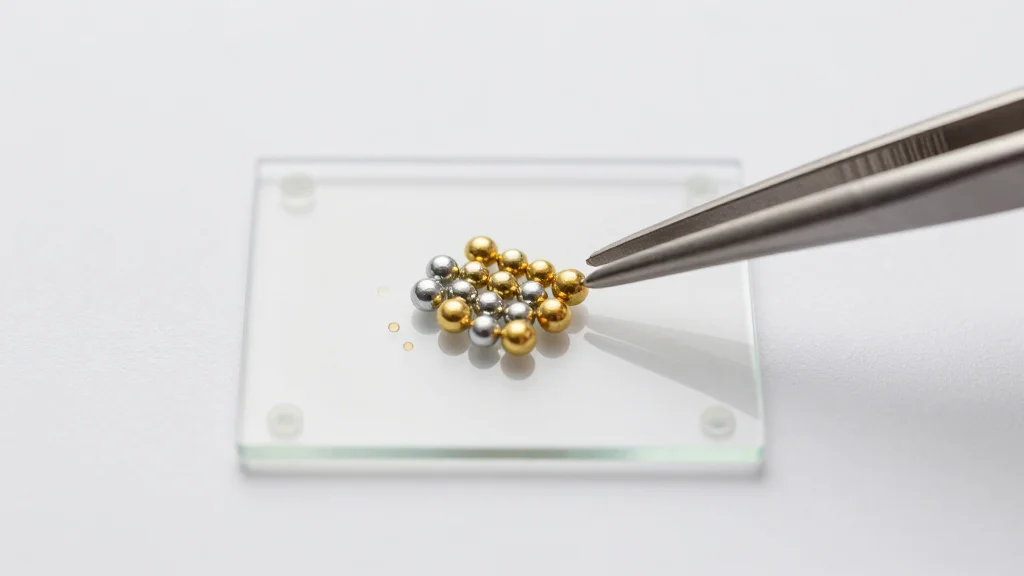
Sequential Optimization of Multivariate Metal–Organic Framework Based Biocatalysis
The study introduces a sequential Latin hypercube sampling‑coupled Bayesian optimization (LHS‑BO) workflow that simultaneously designs multivariate zirconium‑based enzyme‑@‑MOF (E‑MOF) biocomposites and tunes the downstream glucose oxidase–horseradish peroxidase (GOx‑HRP) cascade. Optimized E‑MOFs ZG67 and ZH16 deliver encapsulation efficiencies above 90%, retain...

Size‐Transformable Supramolecular Nanoprodrugs Enable Redox Imbalance Amplification and Cholesterol Modulation to Boost Multidimensional Tumor Immunotherapy
Researchers have engineered a tumor‑targeting, tumor‑microenvironment‑responsive supramolecular nanoprodrug that switches size to enhance deep tumor penetration. The nanoprodrug simultaneously induces redox imbalance—accumulating reactive nitrogen species and depleting glutathione—to amplify ferroptosis, while depleting cholesterol to rejuvenate exhausted T cells. This multidimensional...

PH‐Responsive Nanoparticle‐Coated Calcium Phosphate Granules for Bone Cancer Therapy
Researchers have engineered β‑tricalcium phosphate (β‑TCP) granules coated with selenium‑doped mesoporous silica nanoparticles (SeMIA) linked via pH‑responsive imine–alendronate bonds. The imine linkers remain stable at physiological pH but cleave in the mildly acidic osteosarcoma microenvironment, releasing nanoparticles that selectively kill...
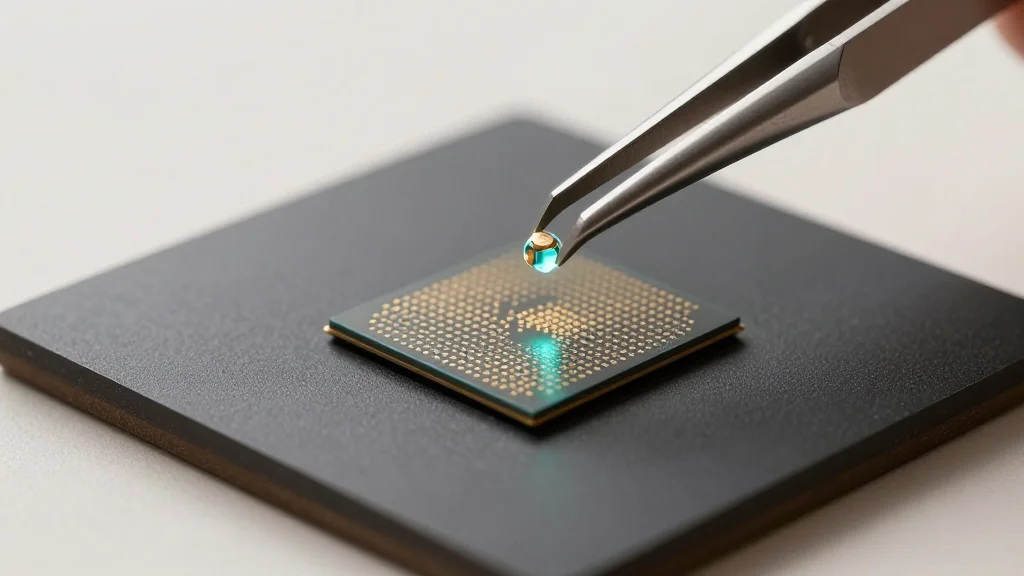
Dual‐Gradient Structure of Component and Channel Size in Co–Ni Hydroxides Boosts Conductivity and Suppresses Self‐Discharge for High‐Performance Supercapacitors
Researchers introduced a one‑step electrodeposition method that creates NiCo‑LDH nanosheet arrays featuring simultaneous composition and channel‑size gradients. The dual‑gradient architecture dramatically improves intrinsic electrical conductivity, cycling stability, and self‑discharge resistance. Electrochemical testing shows 2200 F g⁻¹ at 1 A g⁻¹, 88% capacity retention after...
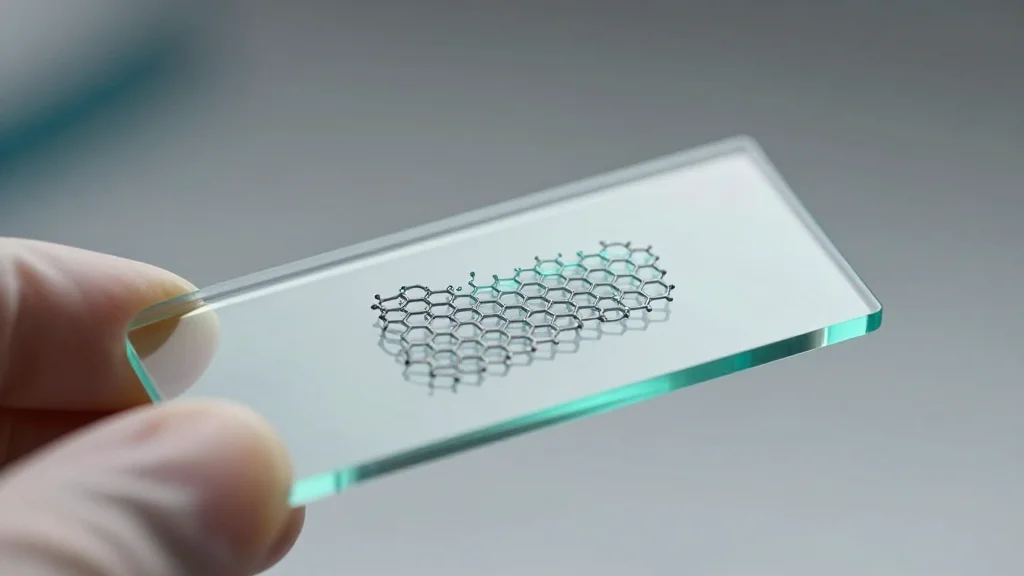
Suspendable and Scalable Ultrasound‐Actuated ZnO‐Nanosheet‐Based Piezoelectric Microdevices for Wireless Electrical Stimulation of Cells
Researchers have created subcellular-sized, silicon‑based microdevices that incorporate ZnO nanosheets to act as piezoelectric generators. When deformed by cellular forces or external ultrasound within the biomedical range, these nanostructures produce localized electrical potentials that depolarize cell membranes and trigger calcium...

Tailoring Coordination and Pore Structure of MOF‐Derived Co Single‐Atom Catalysts Anchored on Graphene for Rechargeable Zinc–Air Batteries
Researchers introduced a dual‑engineering approach that combines polymer encapsulation with a wavy graphene oxide substrate to produce cobalt single‑atom catalysts derived from MOFs. The polymer layer generates mesopores, while the curved graphene modulates the Co‑Nx coordination, creating defect‑rich Co‑N3 sites....

Irrelevant Role of Level‐Electrode Coupling Asymmetry in Driving Rectification in Molecular Tunnel Junctions: Decisive Experimental Evidence From Junctions with Dissimilar...
Researchers used conducting‑probe atomic force microscopy to build molecular tunnel junctions with symmetric alkane‑ and oligophenyl‑dithiol molecules sandwiched between dissimilar metal electrodes (Ag, Au, Pt). Despite pronounced electrode‑molecule coupling asymmetry, the devices exhibited negligible current rectification. The study examined both...

Delta Gold Technologies and Penn State Partner on Scalable Gold-Based Quantum Materials Research
Delta Gold Technologies has entered a three‑year research sponsorship and exclusive licensing deal with Penn State University to develop gold‑nanocluster quantum materials. The collaboration, also involving the University of Toronto, demonstrates tunable spin polarization ranging from 7 % to 40 % and...

New Nanohole-Based Microscopy Monitors Electrochemical Reactions Millisecond by Millisecond
Researchers at Utrecht University introduced Opto‑Iontronic Microscopy, a nanohole‑based optical technique that records electrochemical reactions with millisecond resolution. By illuminating a single nanohole and tracking scattered light, the method provides a local, real‑time readout of redox activity without vacuum or...

Why some Extracellular Vesicles Work Better: A Safer Path for Protein and Gene Delivery
Researchers compared two major extracellular vesicle (EV) biogenesis pathways and found that vesicles generated from cell‑surface protrusions via the I‑BAR protein MIM deliver functional proteins and genome‑editing enzymes far more efficiently than conventional endosome‑derived, CD63‑associated EVs. Using live‑cell imaging, they...

C12 Demonstrates Tunable Metal–Insulator Transition in Ultra-Clean Carbon Nanotubes
C12 and collaborators published a Nature Communications study showing an electrically controlled metal‑insulator transition in ultra‑clean, suspended carbon nanotubes. Using a 15‑gate “keyboard” architecture, they tuned an energy gap from 200 µeV to 30 meV, demonstrating a synthetic charge‑density wave that mimics...
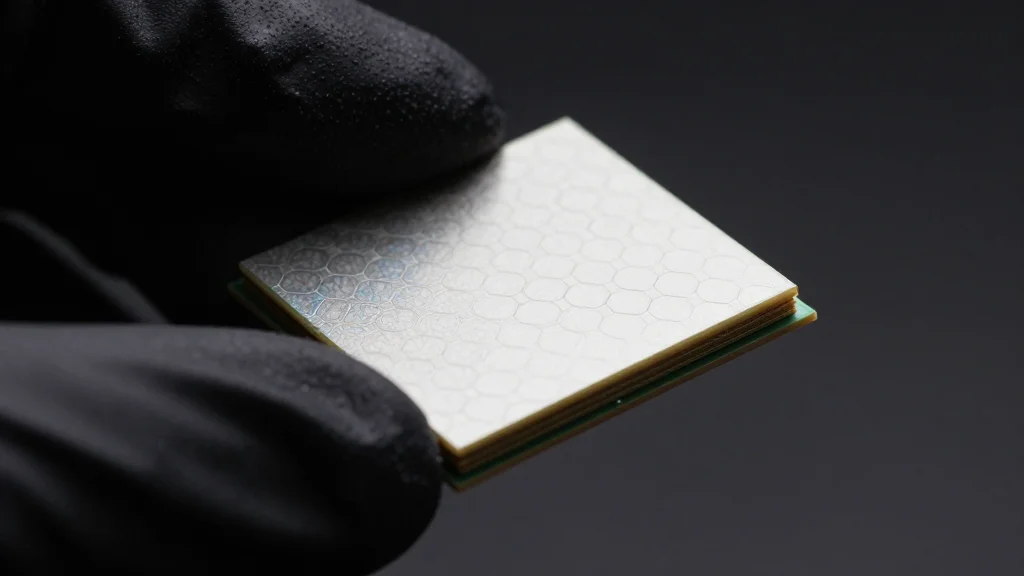
Graphene-Based Sliding Ferroelectric Transistor Stores 3,024 Stable Polarization States
Researchers at Nanjing University of Aeronautics and Astronautics have created an atom‑thin sliding ferroelectric transistor that can store 3,024 distinct, non‑volatile polarization states at room temperature, setting a new record for ferroelectric neuromorphic hardware. The device uses a monolayer graphene...

Scientists Confirm One-Dimensional Electron Behavior in Phosphorus Chains
Researchers at BESSY II have experimentally confirmed that phosphorus atom chains on a silver substrate exhibit genuine one‑dimensional electronic behavior. Using cryogenic STM and angle‑resolved photoelectron spectroscopy, the team isolated the electronic signatures of chains oriented in three 120‑degree directions, revealing...

Spatiotemporal Co‐Delivery of Hydrogen and Magnesium via Microneedle Patches for Neuroinflammation Modulation After Spinal Cord Injury: A Multi‐Modal In Vivo...
Researchers introduced a microneedle patch (MN‑Mg) that simultaneously delivers hydrogen gas and magnesium ions directly into the injured spinal cord. The hydrogen component rapidly scavenges reactive oxygen species, cutting oxidative stress by roughly 55%, while the magnesium release sustains microglial...
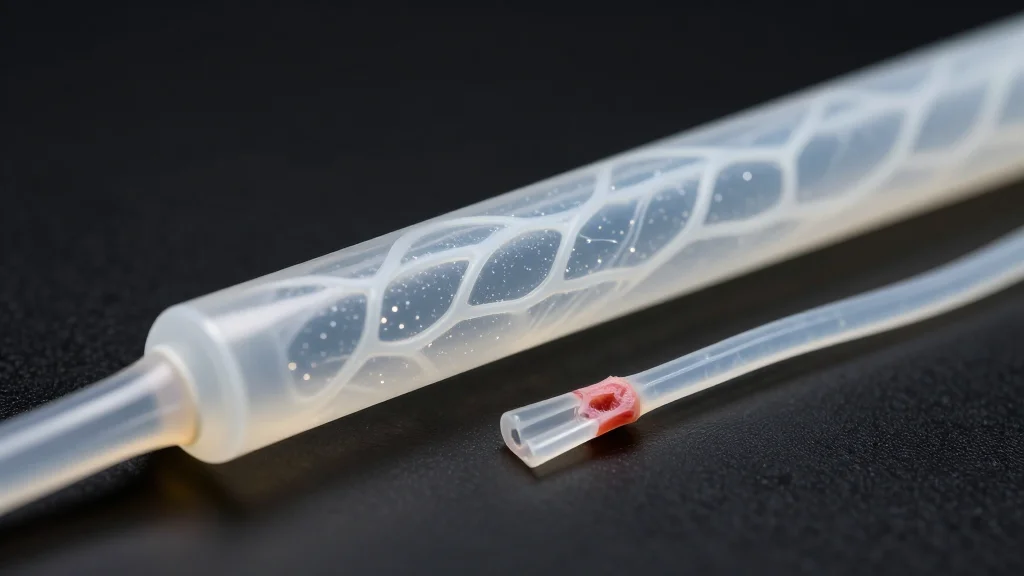
Multidimensional Oriented Piezoelectric Conduits for Peripheral Nerve Defect Regeneration
Researchers have created piezoelectric nerve guidance conduits (NGCs) that incorporate zinc oxide nanoparticles and multidimensional oriented structures. The conduits are fabricated by merging digital light processing (DLP) 3D printing with directional freezing, producing channels and micropores that align regenerating axons....

A Facile Magnetically‐Confined Plasma Strategy for Distinct Phase Modulation of Iron Nitride Nano‐Frameworks
Researchers have introduced a magnetically‑confined plasma technique that precisely modulates the crystal phase of iron nitride nano‑frameworks on iron substrates. By tuning the magnetic field strength, the process switches the nitride from orthorhombic Fe2N to trigonal Fe2N, while conventional plasma...

Large‐Scale Cooperative Sulfur Vacancy Dynamics in Two‐Dimensional Mos2 From Machine Learning Interatomic Potentials
Researchers applied two machine‑learning interatomic potentials to monolayer MoS2, achieving nanosecond‑scale molecular dynamics that accurately capture sulfur vacancy migration. The study demonstrates cooperative vacancy transport, cluster incorporation, and the emergence of line defects spanning tens of nanometres. Results align closely...

Blue‐Light‐Excited Cyan‐Emitting Carbon‐Dot‐Ormosil Gel for Blue‐Overshoot Mitigation and Cyan‐Gap Bridging in WLEDs
Researchers have created a carbon‑dot (CD)‑Ormosil gel that absorbs strongly at 450 nm and emits cyan light at 485 nm and 520 nm. The gel can be integrated with existing yellow phosphors in white LEDs to suppress the problematic blue‑overshoot and fill the...
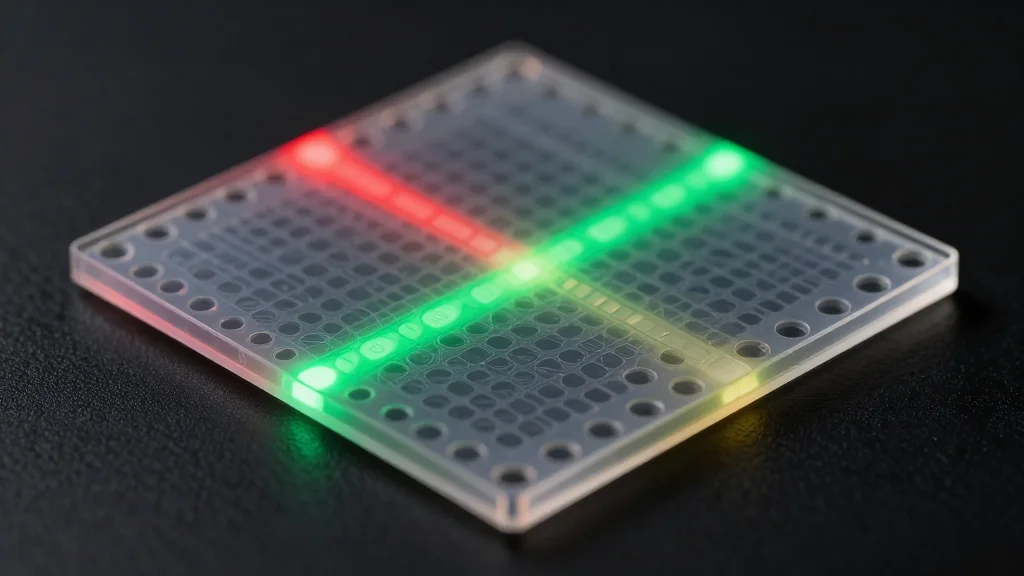
Polarization‐Dependent Elliptical and Rectangular Mie Voids
Researchers have introduced anisotropic low‑index voids—elliptical and rectangular—into high‑index materials to create polarization‑dependent Mie resonances. By varying void geometry, they achieve controlled spectral shifts and distinct optical modes for each polarization state. The effect is demonstrated through nanoscale color printing...
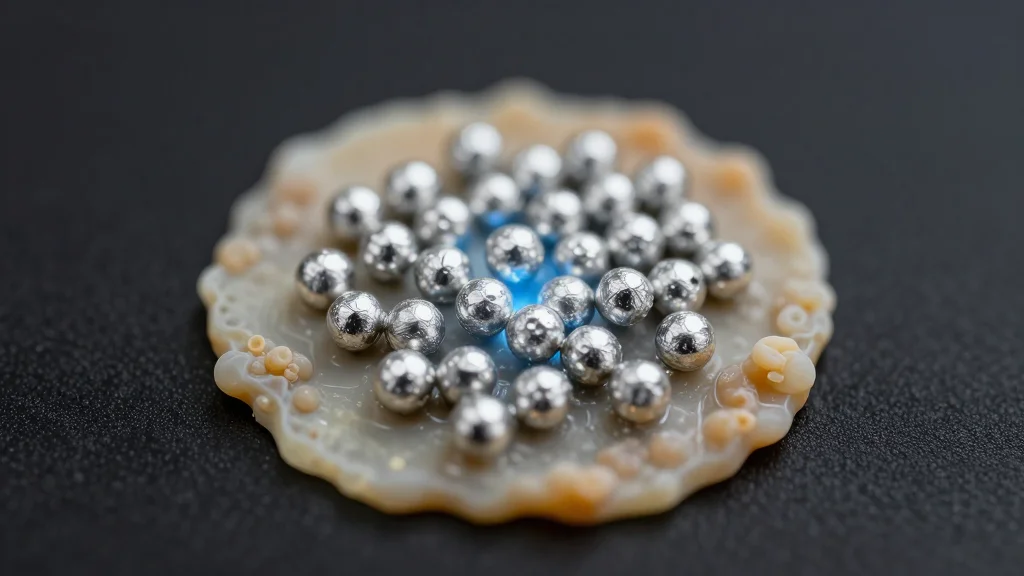
Mechanistic Insights Into Cathode Degradation During Startup‐Shutdown of PEM Water Electrolysis and Mitigation via Semi‐Embedded Pt/CeOx
Researchers identified cathode degradation in PEM water electrolyzers during startup‑shutdown cycles, where cathode potential spikes to ~1.0 V causing carbon corrosion and Pt agglomeration. They demonstrated that commercial Pt/C suffers rapid performance loss under realistic cycling. A semi‑embedded Pt/CeOx catalyst was...

Defect‐Morphology Dual Strategy to Achieve Coral‐Like La1‐xNi0.5‐yFe0.5O3‐δ/NiO Bifunctional Catalysts for High‐Performance Li‐O2 Batteries
Researchers introduced a dual‑strategy design—La‑site deficiency and EDTA‑driven morphological control—to synthesize coral‑like La1‑xNi0.5‑yFe0.5O3‑δ/NiO composites for Li‑O2 batteries. The deficiency generates in‑situ NiO phases and tunes oxygen‑vacancy concentrations, while the chelating agent creates a three‑dimensional porous network that accelerates ion diffusion....

Carbon Fibers Bend and Straighten Under Electric Control
Researchers at the Polish Academy of Sciences have demonstrated that bare carbon fibers can be reversibly bent and straightened using electric fields in a closed bipolar electrochemical cell. The actuation relies on asymmetric ion insertion and redox reactions at the...

Natural Green Antioxidant Proanthocyanidin Enhances the UV/Oxidation Resistance of Perovskite Solar Cells Through Buried Interface Modification Strategy
Researchers introduced natural grape‑seed proanthocyanidins (OPC) at the TiO₂/perovskite buried interface of perovskite solar cells, employing a combined antioxidant, passivation, and UV‑protection strategy. The hydrogen‑bond network created by OPC reduces defect states on the electron‑transport layer, suppresses carrier recombination, and...

Kerala Government Announces New Graphene Policy
The Kerala government unveiled a dedicated graphene policy to unify and accelerate its existing research and industrial initiatives. The policy builds on the state’s Graphene Innovation Centre, a large‑scale pilot plant, and budgeted priority status, creating a seamless pipeline from...

Nanostructured Plasma Engineering Extends the Life of Industrial Steel
A plasma‑based low‑energy nitrogen ion implantation (PBLEII) treatment dramatically improves the corrosion resistance of 17‑4PH martensitic stainless steel, with peak performance at 450 °C. Electrochemical tests show the corrosion potential shifting to –169.4 mV (SCE), passive current density dropping to 0.5 µA cm⁻², and...
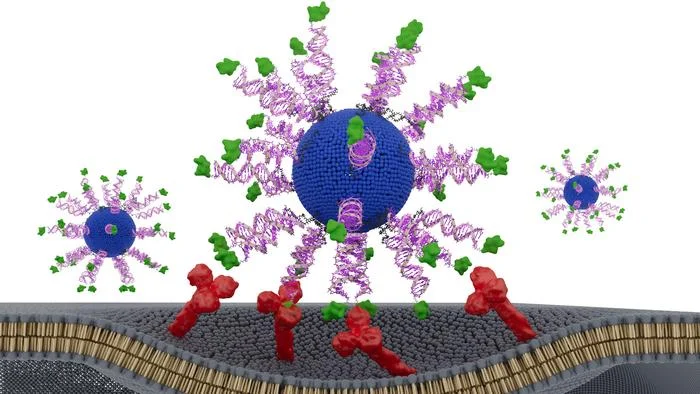
Antigen Orientation Boosts HPV Cancer SNA Vaccine, Slows Tumors in Models
Northwestern researchers engineered a spherical nucleic acid (SNA) vaccine in which the HPV16 E7 peptide is displayed at the nanoparticle surface via its N‑terminus. This N‑terminal orientation (N‑HSNA) generated up to eight‑fold higher interferon‑γ secretion and 2.5‑fold greater cytotoxicity than...

A New Inhalable Treatment for Tuberculosis: Once-Weekly Nanoparticles Match Daily Oral Rifampin in Mice
Researchers at the University at Buffalo have created an inhalable nanoparticle that encapsulates rifampin and can be administered once weekly, matching the efficacy of daily oral dosing in mouse models of tuberculosis. The biodegradable particles target lung macrophages, sustain drug...

Novel Nanosheets Boost Clot Clearing While Limiting Systemic Bleeding
Researchers in China have unveiled a silicon‑based nanothrombolytic platform that couples urokinase with hydrogenated silicene (SiH) nanosheets and fibrinogen to clear arterial clots. The SiH sheets temporarily inhibit urokinase during circulation, then self‑degrade at the thrombus, reactivating the drug and...

How a New Terahertz Antenna Could Unlock One-Terabit 6G Speeds
Researchers from Singapore, France, and the United States unveiled a compact terahertz antenna that leverages topological photonics. The silicon‑based chip, patterned with two sizes of triangular holes, creates a conical beam and achieves roughly 75 % spatial coverage—about 30 times better...
![Single-Molecule SERS Gets Steadier as CB[7] Traps a 'Dancing' Molecule](https://hixhlmpcokxhartfkpyi.supabase.co/storage/v1/object/public/images/thumbnails/a218bb91a3d27332f4ed8f925f30842c.webp)
Single-Molecule SERS Gets Steadier as CB[7] Traps a 'Dancing' Molecule
Researchers at the Institute of Physical Chemistry, Polish Academy of Sciences have demonstrated that encapsulating a single molecule within cucurbit[7]uril (CB[7]) stabilizes its surface‑enhanced Raman spectroscopy (SERS) signal. By forming a supramolecular complex with thionine dye, the CB[7] cage suppresses...

Nanodevice Tugs Single Proteins to Reveal How Cells Sense Force
Yale researchers have created a DNA‑based nanodevice that can tug on individual proteins with piconewton precision. The U‑shaped frame clamps a protein via DNA handles that fold to apply controlled tension. Using talin as a test case, the device reproduced...
![Record‐Low Compressibility in [N(C2H5)3CH3]FeCl4 Expands Phase Engineering Horizons in Hybrid Molecular Ferroelectrics](https://hixhlmpcokxhartfkpyi.supabase.co/storage/v1/object/public/images/thumbnails/107965387dfea3a80d86633fe165031c.webp)
Record‐Low Compressibility in [N(C2H5)3CH3]FeCl4 Expands Phase Engineering Horizons in Hybrid Molecular Ferroelectrics
Researchers report that the lead‑free hybrid ferroelectric [N(C2H5)3CH3]FeCl4 (EMAFC) exhibits a bulk modulus of 42 GPa, the lowest compressibility recorded for any molecular ferroelectric. The material remains structurally stable and mechano‑chromic up to 51.5 GPa, undergoing a reversible P63mc‑to‑P1 phase transition at...

A Perspective on Commercializing Perovskite Solar Cells: Unlocking Opportunities in Niche Applications
Perovskite solar cells have reached certified efficiencies above 25 percent, rivaling silicon panels, but commercialization remains constrained by scaling, stability, and cost challenges. The article outlines strategies such as tandem architectures and targeting niche markets—like building‑integrated photovoltaics and aerospace—to leverage perovskite’s...