
From Invisibility Cloaks to AI Chips: Neurophos Raises $110M to Build Tiny Optical Processors for Inferencing
Neurophos, an Austin‑based photonics startup spun out of Duke University, announced a $110 million Series A round led by Gates Frontier and backed by Microsoft’s M12 and other investors. The company has built a metasurface‑based optical processing unit that is claimed to be 10,000 times smaller than conventional optical transistors, allowing thousands of modulators on a single chip. In tests the OPU reportedly reaches 56 GHz, delivering 235 peta‑operations per second at 675 watts—far surpassing Nvidia’s B200 GPU. Neurophos plans to ship its first data‑center‑ready chips by mid‑2028.

Scientists Marry DNA Origami and 2D Materials to Make Nanoelectronics
Skoltech and international collaborators have demonstrated a DNA‑origami method to deposit organic dye molecules onto a monolayer of molybdenum disulfide (MoS₂) with nanometer‑scale precision. The DNA nanostructures, about 100 nm across, carry dyes in predefined positions, enabling Förster resonance energy transfer...

Tailoring the Proximity of Metal‐Acid in Metal/Zeolite Bifunctional Catalysts for Enhanced N‐Hexane Hydroisomerization
Researchers used atomic layer deposition to place Pt nanoparticles on TiO2‑modified ZSM‑5, using the TiO2 layer as a tunable spacer that sets the distance between metal and acid sites. By varying this metal‑acid proximity, they observed a volcano‑shaped performance curve...

Advances in Functionalized Metal–Organic Frameworks for PFAS Detection: Design, Mechanisms, Performance, and Future Perspectives
The review details how functionalized metal‑organic frameworks (MOFs) are being engineered for ultra‑sensitive detection of per‑ and polyfluoroalkyl substances (PFAS) in water. It outlines design strategies such as pre‑synthetic pore tuning, post‑synthetic functionalization, and MOF‑based composites, linking these to detection...

Ion‐Induced Hydrophilic Switching Enables Nanostructure Morphology Control for Superior Nanoplasmonic Sensing
A brief SF6 plasma pre‑treatment switches glass substrates to a hydrophilic state, dramatically enhancing gold adatom mobility during thermal dewetting. This ion‑mediated wettability control yields uniform gold nanoislands with reduced size dispersion and tighter inter‑particle gaps. The improved morphology boosts...

Hydrogen‐Bond Network Redistribution Enables Uniform Ambient‐Air Blade‐Coated Perovskite Solar Modules
Researchers introduced a novel molecular additive, 1,2,4‑triazole‑3‑carboxamide (TZC), to address non‑uniformity in ambient‑air blade‑coated perovskite films. TZC simultaneously chelates Pb²⁺ and reconfigures the hydrogen‑bond network, reducing formamidinium‑solvent interactions that cause local supersaturation. The additive enables large‑area modules with 20.3% efficiency...

Versatile Reactive Gradient Block Copolymer System for Highly Robust Nanopatterns With Spontaneous Vertical Orientation
Researchers introduced a reactive gradient‑random block copolymer (GRC‑BCP) that self‑assembles into vertically oriented nanopatterns without surface neutralization. The architecture permits post‑polymerization modification, enabling synthesis of diverse high‑χ derivatives such as organosilicon and organotin variants. Patterns as narrow as 7 nm were...

Ligand Defect Engineering of Amidoximated Metal–Organic Frameworks for Highly Efficient Uranium Extraction From Seawater
Researchers engineered three amidoxime‑functionalized defective UiO‑66 metal‑organic frameworks (MOFs) using a ligand modulation strategy, dramatically improving uranium capture from seawater. UiO‑66‑3BA‑AO achieved a record saturated adsorption capacity of 904.1 mg g⁻¹ within 90 minutes and extracted 26.9 mg g⁻¹ of uranium over 28 days in natural...
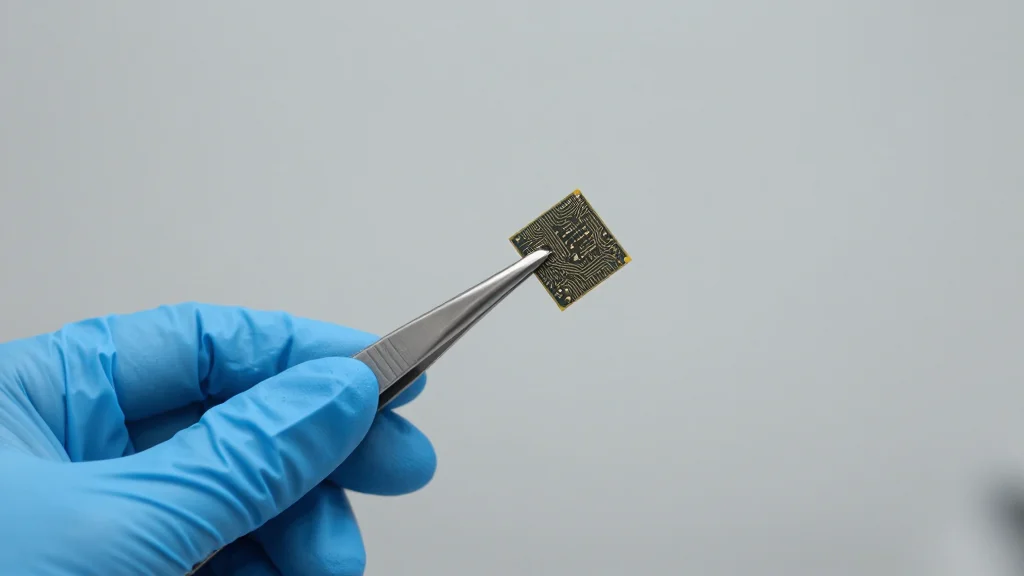
Highly Conductive and Supertough PVDF‐Based Electrolytes with Self‐Defective Fillers for Solid‐State Lithium Metal Batteries
Researchers introduced self‑defective silicon/silicon‑oxide (Si/SiOx) fillers into a poly(vinylidene fluoride) (PVDF) matrix, creating a solid‑state electrolyte that simultaneously delivers high ionic conductivity, robust mechanical strength, and a wide electrochemical stability window. The heterogeneous Si/SiOx interfaces generate a dipole effect that...

Pair‐Resolved Fe–M Dual‐Atom Catalysts for Programmed PMS Activation: Mechanisms, Membrane Confinement, and Standardized Benchmarks
The review introduces a pair‑resolved framework for Fe‑M dual‑atom catalysts (DACs) that program peroxymonosulfate (PMS) activation, allowing seamless switching between radical and non‑radical pathways. It connects synthesis details, µ‑peroxo bridging, and spin/electronic coupling to pathway selection, pollutant selectivity, and catalyst...

Unveiling Novel Biomarkers: Ferroptosis and M1A in the Progression of Nanographene‐Induced Lung Fibrosis
The study demonstrates that inhalation of graphene nanomaterials induces pulmonary fibrosis accompanied by ferroptotic cell death. Dose‑ and time‑dependent exposure leads to organ‑specific damage, especially in the lungs and immune system. Researchers identified 1‑methyladenosine (m1A) as a responsive biomarker, whose...

Subtle Hydrophobicity‐Triggered Vesicle Modulation for Label‐Free Rapid Detection of Native Fatty Acids and Steroids
The researchers present a gemini lipidoid that self‑assembles into vesicles only when exposed to hydrophobic molecules, creating a label‑free optical sensor for fatty acids and steroids. This platform distinguishes chain length, degree of unsaturation, and even cis‑trans isomers without any...

In Situ Crosslinked Diallylammonium‐Functionalized Poly(Biphenyl Alkylene) for High‐Performance Anion Exchange Membranes
Researchers have created crosslinked anion exchange membranes (AEMs) by in‑situ free‑radical cyclopolymerization of diallylammonium‑functionalized poly(biphenyl alkylene). By varying the diallyldimethylammonium comonomer, the ion exchange capacity (IEC) was precisely tuned between 2.32 and 3.39 meq g⁻¹ while maintaining a robust network. The optimized...

CdS‐GeSe Heterostructure‐Based Bimodal Memristor with Tunable Synaptic Plasticity and Mixed‐Signal Switching for Neuromorphic Hardware
Researchers unveiled an Ag/CdS‑GeSe/FTO memristor that operates in both analog and digital regimes, switching below 0.8 V for gradual conductance changes and above 0.8 V for binary states. The heterostructure responds to visible and infrared light, with 405 nm optical pulses further modulating...
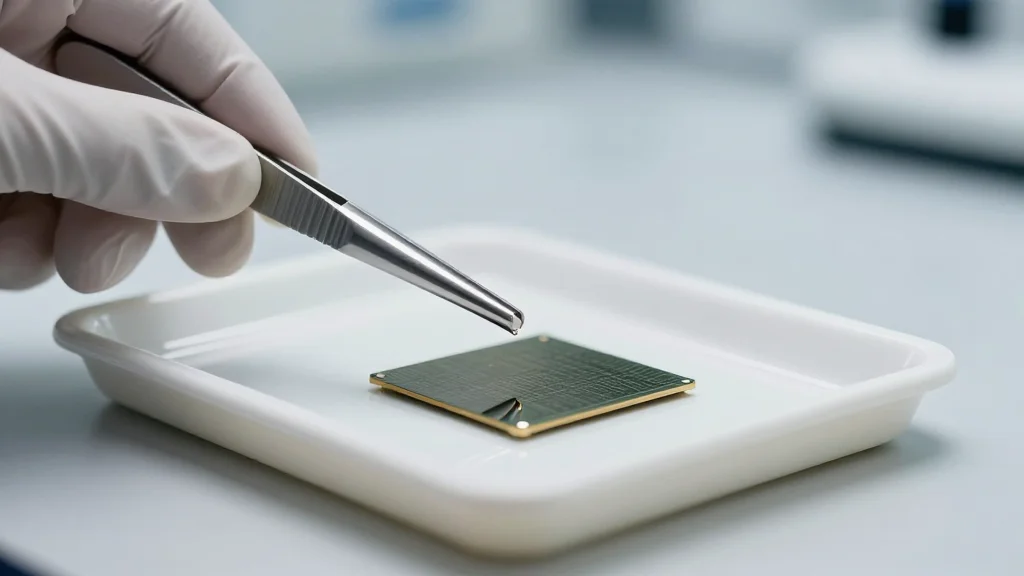
Increased Series Resistance in the Laser‐Enhanced Contacts of Polysilicon‐Based Solar Cells From an Additional Light Anneal
Researchers investigated an extra light‑anneal step applied after laser‑enhanced contacts in polysilicon TOPCon solar cells. The additional anneal caused a notable rise in series resistance, traced to hydrogen buildup at the metal/p+ emitter interface. Luminescence imaging and contact‑resistance tests confirmed...

Harnessing Carbon Dots for Photocatalytic Energy Conversion: Challenges and Opportunities
Carbon dots (CDs) are emerging as low‑cost, tunable photocatalysts for converting solar energy into chemical fuels. Their performance hinges on synthesis‑driven structural features, which dictate photophysical and redox behavior. The review highlights how heterogeneity hampers reproducibility and stresses the need...

Magnetic Nanocomposites with Cell Membrane Cloak for Electrochemical Profiling of Cancer‐Related MiRNAs
Researchers have engineered magnetic nanocomposites cloaked in cell membranes to serve as carriers for DNA probes targeting cancer‑related microRNAs. Upon binding miRNA, duplex‑specific nuclease triggers cyclic cleavage, releasing labeled signal strands that bind to a tetrahedral DNA interface on an...

Advanced Encapsulation Technologies for Extracellular Vesicles: From Single Units to Macroscale Packaging
The review categorizes extracellular vesicle (EV) encapsulation into nanoscale, microscale and macroscale approaches, detailing how each tier shields vesicles and modulates release. It highlights recent material innovations that improve EV stability, targeting precision, and therapeutic payload capacity. The authors discuss...

Intratumoral Synthesis of Two‐Photon NIR‐I Activated Photosensitizer Undergoing Oxygen‐Free Photo‐Redox Cycle for Hypoxic Tumor Phototherapy
Researchers have engineered an intratumoral prodrug, AICST, that converts to the photosensitizer AICST‑SO3 when exposed to two‑photon NIR‑I (800 nm) light. The activated compound operates via an oxygen‑free photo‑redox cycle, producing cytotoxic hydroxyl radicals that kill cancer cells even in hypoxic...
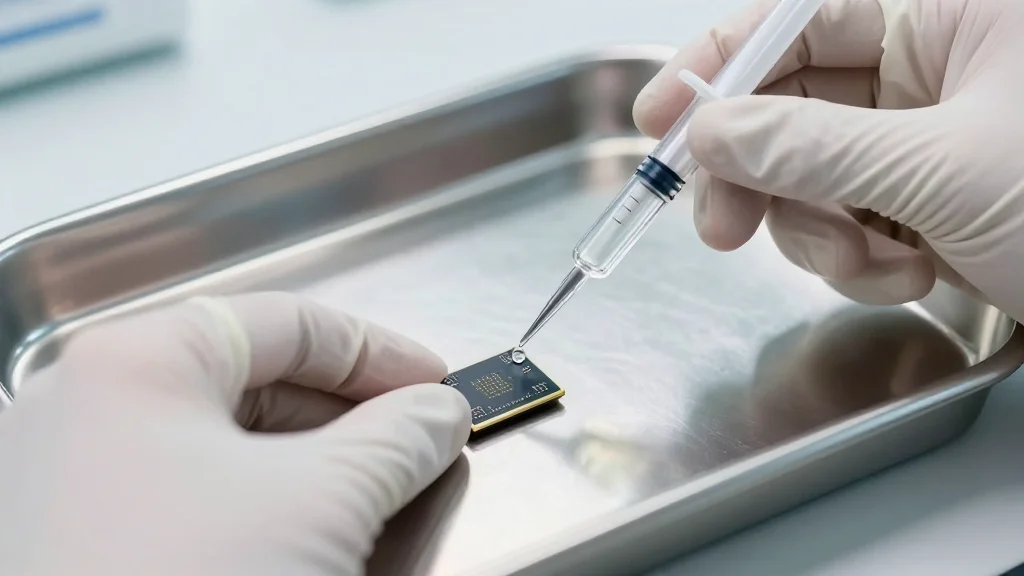
Multifunctional Nanoparticles Inhibit HSPs Expression and Improve Pyroptosis Through ROS Amplification in Mild Photothermal Therapy of Oral Squamous Cell Carcinoma
Researchers have engineered folate‑acid‑modified polydopamine nanoparticles loaded with copper peroxide (PDCF NPs) to treat oral squamous cell carcinoma. The nanocarriers generate high levels of reactive oxygen species, which promote Gasdermin D palmitoylation and trigger robust pyroptosis while simultaneously downregulating heat‑shock...

Bacterial Armory: Engineering Dual Photosensitized Bacteria for a Triple‐Modal Therapy on Tumors
Researchers engineered a probiotic E. coli strain by coating it with polydopamine and a cationic BODIPY photosensitizer, creating the E@PB platform that combines photothermal, photodynamic, and immune therapies. The dual‑laser system (808 nm and 660 nm) induces localized hyperthermia and reactive oxygen...
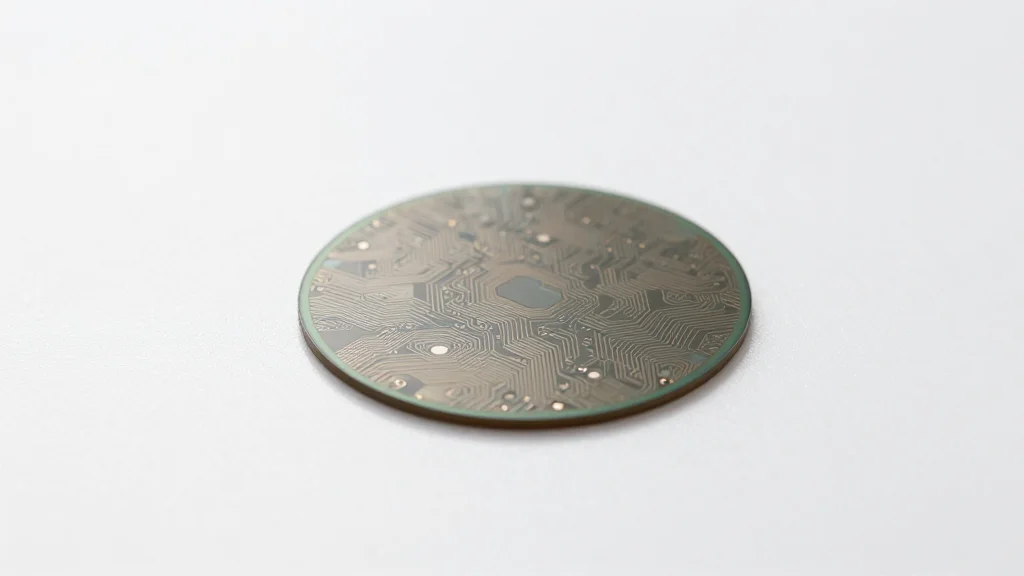
Fabrication of Fe Nanoparticles of 1‐nm Crystallite with Boosted Reactivity and Electron Efficiency
Researchers discovered that adding sodium anthraquinone-2-sulfonate (AQS) during aqueous Fe³⁺ reduction produces iron nanoparticles with crystallites as small as 1 nm—the smallest reported to date. The effect is highly specific; structurally similar sulfonates instead enlarge crystallites to 9‑32 nm. At an optimal...

The Phase Transition Mechanism of Solid Nanoparticles During Catalytic Growth of Single‐Walled Carbon Nanotubes
Researchers have unveiled a mechanism to steer single‑walled carbon nanotube (SWCNT) chirality by manipulating the phase of solid metallic‑carbide nanoparticles. Using molecular dynamics simulations, they showed that the nanoparticle phase hinges on the nucleation intermediate and the role of subsurface...
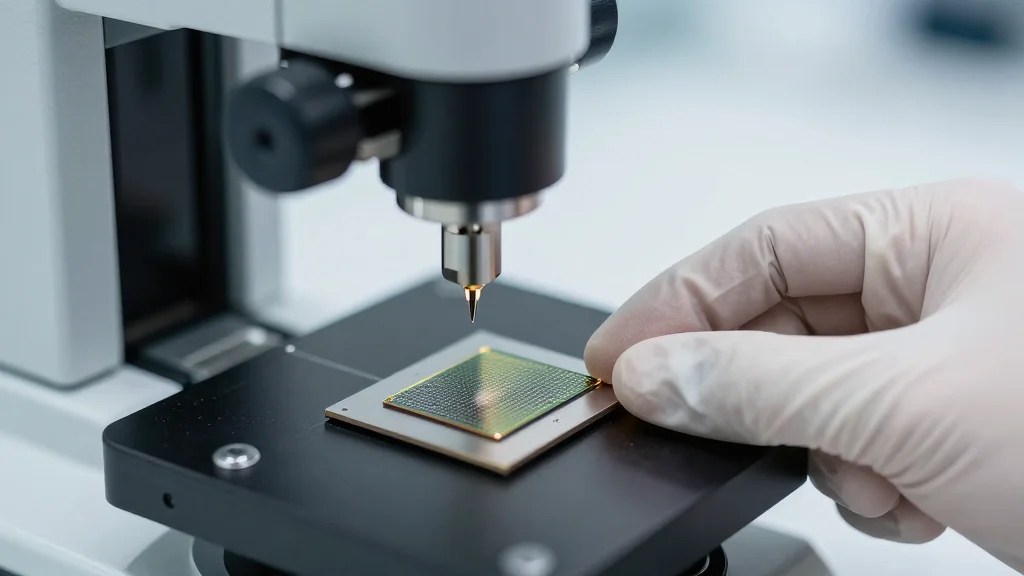
Self‐Strain Suppression of the Metal‐to‐Insulator Transition in Phase‐Change Oxide Devices
Researchers used X‑ray nano‑diffraction to map vanadium sesquioxide (V2O3) devices at the nanoscale, showing that focused gallium ion irradiation creates a defect region that lowers the metal‑to‑insulator transition temperature. The lattice mismatch between pristine and irradiated zones generates internal strain,...
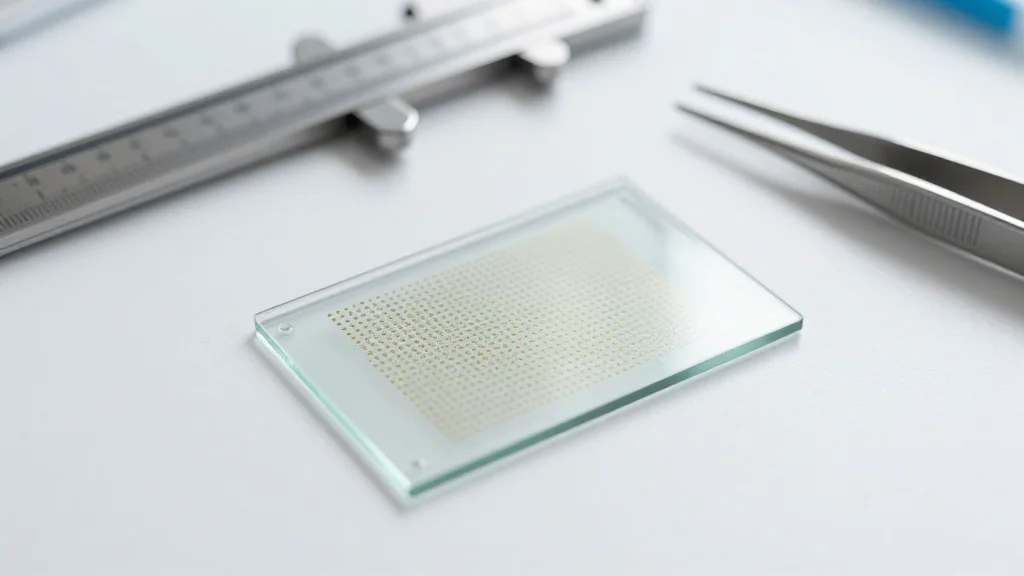
Synergistic Engineering of Closed Pores Regulation and In Situ Defects Repair in Anthracite‐Based Hard Carbon Toward Superior Sodium Storage Performance
Researchers converted low‑cost anthracite into high‑performance hard‑carbon anodes for sodium‑ion batteries using a combined KOH activation and space‑confined methane CVD process. The method simultaneously generates abundant closed pores and repairs structural defects, limiting graphitic crystal growth. The optimized MDMA‑2‑6 sample...

Bottom‐Up Assembly of Biomass‐Derived MXene Aerogels with Hierarchical Electromagnetic Interfaces for Multifunctional Electromagnetic Wave Absorption
Researchers have fabricated a lightweight MXene/lignocellulose-derived carbon aerogel incorporating iron particles that delivers exceptional electromagnetic wave absorption. The hierarchical porous structure, combined with MXene’s high conductivity and Fe’s magnetic loss, yields a minimum reflection loss of –51.2 dB and an effective...

Achieving Highly Stable and High‐Performance Proton Conductive Covalent Organic Frameworks via Chemical Post‐Modification Strategy
Researchers synthesized covalent organic framework COF-316 with irreversible ether linkages and chemically post‑modified its nitrile groups into carboxyl (316‑COOH) and amide (316‑AM) functionalities. The modified COFs preserved their crystalline architecture while showing markedly higher water vapor uptake and proton conductivity,...
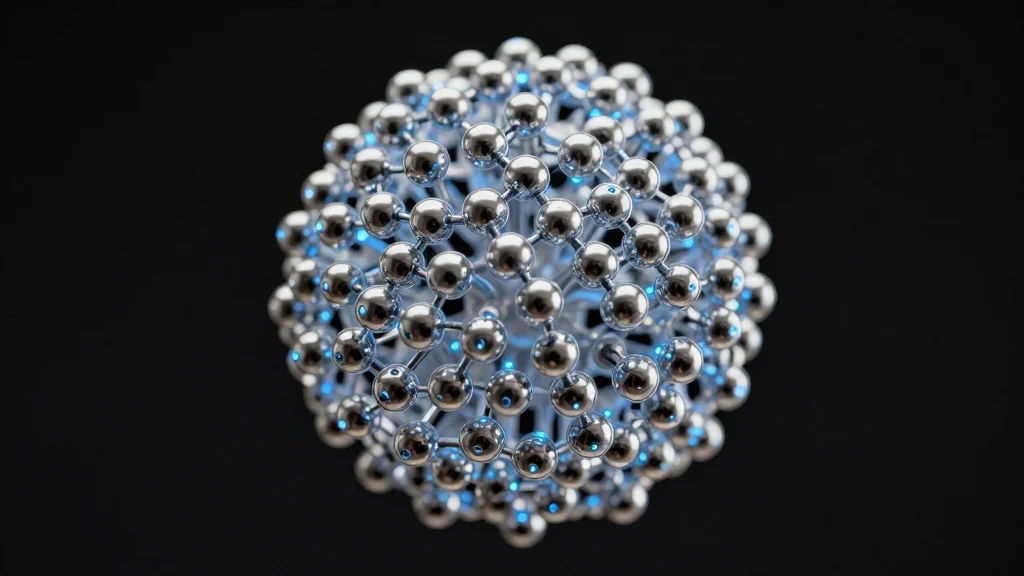
Interface Engineering Effected Charge Redistribution Within High Entropy Alloy‐Metal Heterostructured Catalyst Enables High Performance Anion Exchange Membrane Water Electrolysis (Small...
Researchers engineered the interface of a Mo‑decorated FeCoNiCuMo high‑entropy alloy (HEA) with metal to redistribute charge, improving hydrogen adsorption/desorption balance and OH‑ affinity. This modulation accelerates the Volmer and Heyrovsky steps, boosting hydrogen evolution reaction kinetics. The heterostructured catalyst delivers...
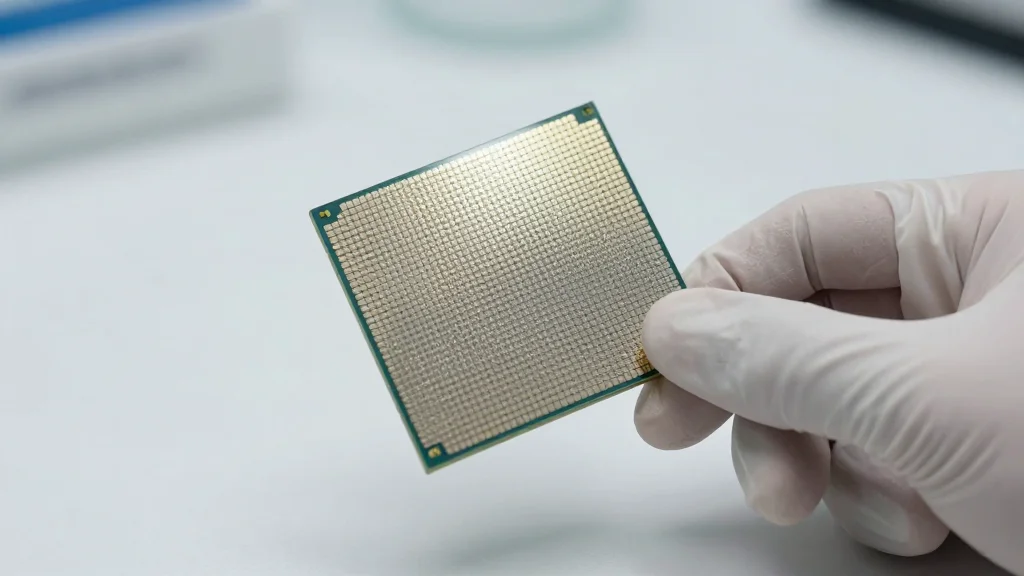
UV‐Curable Perovskite Nanocrystal Inks Integrated with Distributed Bragg Reflectors for Blue‐To‐Green and Blue‐To‐Red Photoconversion
Researchers have developed UV‑curable perovskite nanocrystal inks based on isobornyl acrylate that can be inkjet‑printed for precise color‑conversion layers. The inks, containing CsPbBr3 or CsPbI3 nanocrystals, deliver pure green (528 nm) and red (643 nm) emission with photoluminescence quantum yields above 92%....

Enhanced Visible‐Light Photocatalytic CO2 Reduction of Perovskite Nanocrystals via Interfacial Acid Reaction
Researchers introduced an oil–water interfacial reaction to supply H⁺ and Br⁻ to CsPbBr₃ perovskite nanocrystals, achieving simultaneous defect passivation and proton source generation. This single‑step treatment raised photoluminescence quantum yields and boosted visible‑light photocatalytic CO₂ reduction activity. In‑situ DRIFTS identified...

Atomic Layer Deposition of Aluminum Phosphorus Oxynitride and Its Application as a Passivation Layer on Aluminum Metal Anode
Researchers have introduced aluminum phosphorus oxynitride (AlPON) thin films using plasma‑enhanced atomic layer deposition (PEALD) as a novel passivation layer for aluminum metal anodes. The coating is deposited between 100 °C and 180 °C from trimethylaluminum, water, tris(dimethylamino)phosphine and oxygen plasma, yielding...

Enhancement of Antibacterial and Osteogenic Properties in Novel Ti‐Mo‐Hf‐Cu Medium Entropy Alloys (Small 5/2026)
Researchers have designed a Ti‑Mo‑Hf‑Cu medium entropy alloy that spontaneously forms nanoscale acicular (Ti,Hf)2Cu precipitates. The precipitates generate localized micro‑area potential differences, delivering strong antibacterial activity while simultaneously promoting osteogenic cell growth. Additionally, the alloy’s low elastic modulus closely matches...
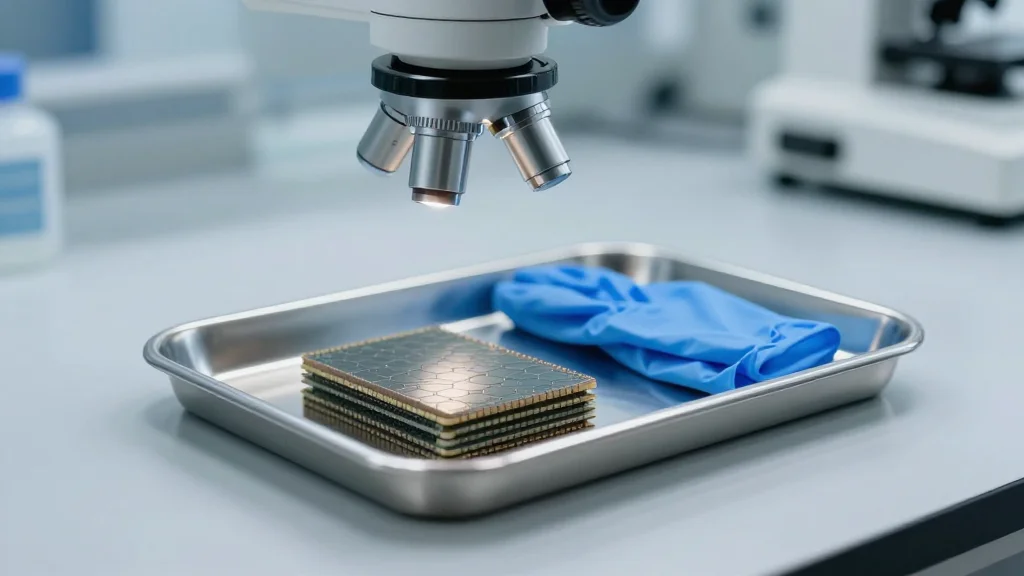
Enhancement of Antibacterial and Osteogenic Properties in Novel Ti‐Mo‐Hf‐Cu Medium Entropy Alloys
Researchers have engineered a new class of Ti‑Mo‑Hf‑Cu medium entropy alloys (MEAs) that combine antibacterial activity with enhanced bone‑forming capability. By adding copper and hafnium to Ti‑Mo, nanoscale (Ti,Hf)₂Cu precipitates form without heat treatment, delivering 97% bacterial kill rates against...

Advancing Characterization for Magnetic Materials via Magneto‐Optical Kerr Effect Microscopy
The review outlines recent progress in magneto‑optical Kerr effect (MOKE) microscopy, emphasizing its surface‑sensitive, nondestructive, and real‑time imaging capabilities. It details the three operational modes—polar, longitudinal, and transverse—each tailored to specific magnetization orientations. The article surveys MOKE applications across magnetic...

Pure‐Red Light‐Emitting Diodes Based on Lead Halide Perovskite Nanoplatelets Obtained by Ostwald Ripening and Two‐Step Anion Exchange
Researchers leveraged Ostwald ripening to grow monodisperse five‑monolayer CsPbBr3 nanoplatelets, then applied a two‑step bromide‑to‑iodide anion exchange to convert them into pure‑red CsPbI3 nanoplatelets. The resulting nanocrystals exhibit near‑unity photoluminescence quantum yield. Light‑emitting diodes built from these plates deliver a...
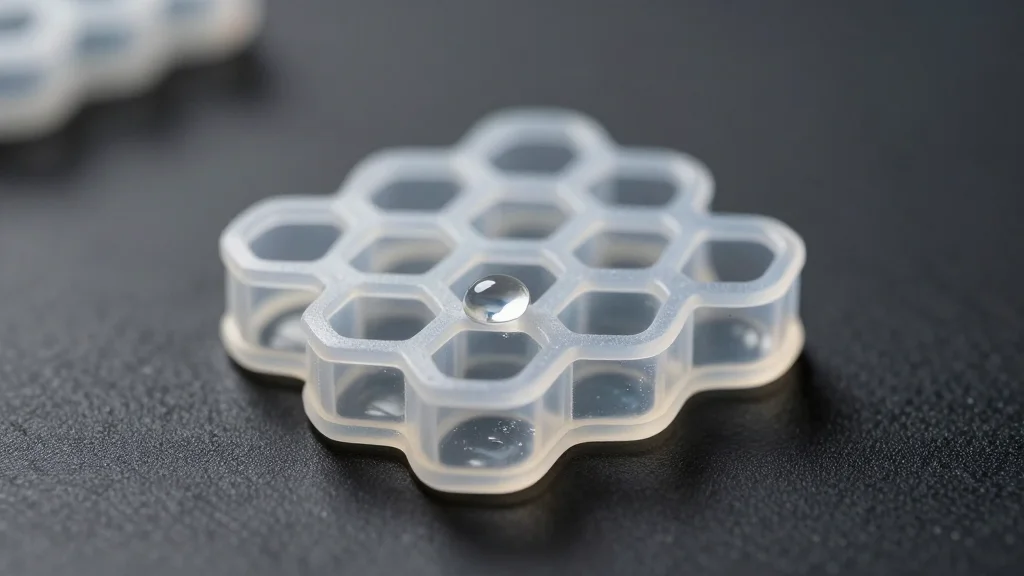
Bacterial Membrane Vesicles: Next‐Generation Nanoscale Antibacterial Biomaterials
Researchers are positioning bacterial membrane vesicles (MVs) as next‑generation antibacterial biomaterials. Their natural lipid bilayer enables encapsulation and protected delivery of antimicrobial agents, while intrinsic bioactivity can stimulate immune responses. Functionalization strategies improve biosafety, targeting specificity, and cargo loading, turning...

Functionalizing Nucleic Acids: Synthesis and Purification Strategies for Bioconjugates as Biomaterials
The review outlines how DNA and RNA can be chemically linked to polymers, peptides, proteins, lipids, and saccharides to create hybrid biomaterials. It details synthesis routes and matches each to appropriate purification techniques such as chromatography, membrane filtration, and electrophoresis....

Unveiling the In Situ Dissolution and Reconstruction of CoMo for Electrocatalytic Nitrate Reduction to Ammonia
Researchers have engineered a Mo‑doped β‑Co(OH)₂/Co₈₅Mo₁₅ catalyst that undergoes in‑situ surface reconstruction, delivering abundant active hydrogen while strongly adsorbing nitrate ions. The catalyst achieves a Faradaic efficiency of ~96 % at –0.1 V vs RHE, 95 % ammonia selectivity, and maintains performance for...

Species‐Specific Antibacterial Materials: From Design to Application
Traditional broad‑spectrum antibiotics fuel resistance and disrupt the microbiome, prompting a shift toward species‑specific antibacterial materials that target only pathogenic microbes. These agents exploit unique bacterial signatures to preserve beneficial flora while eliminating disease‑causing strains. The review outlines selective mechanisms,...

Entropy‐Engineered HEO/Fe, N‐CNT Bioanode via Flash Joule Heating: Accelerated Electron Harvesting and Directed Geobacter Enrichment for High‐Power Microbial Fuel Cells
Researchers used ultrafast flash Joule heating to fabricate an entropy‑engineered bioanode that anchors high‑entropy oxide (HEO) nanoparticles onto Fe‑ and N‑doped carbon nanotubes. The hybrid HEO/Fe,N‑CNT electrode delivers a record 3.76 W m⁻² power density in microbial fuel cells, a 9.6% gain...
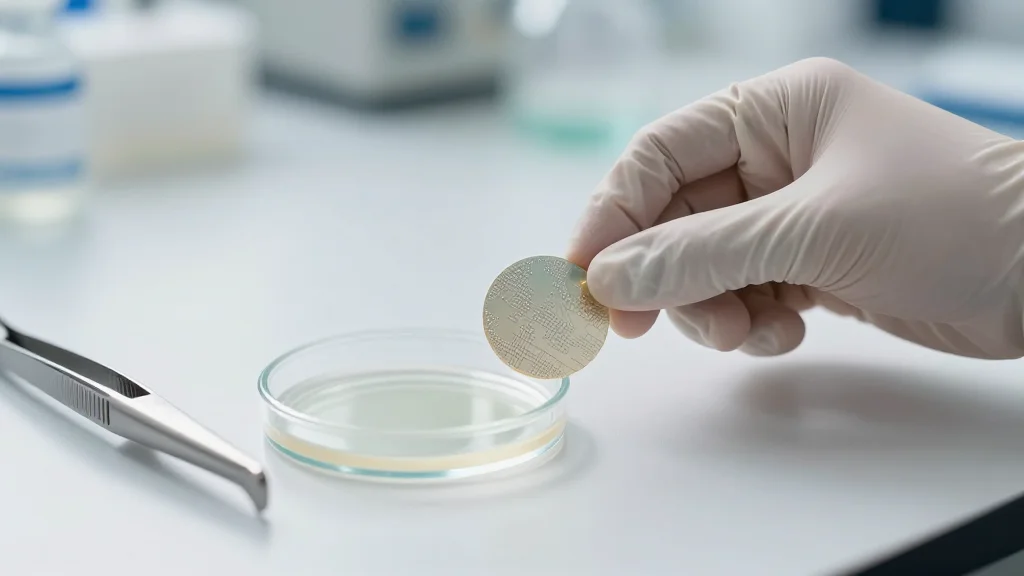
Amorphous Iron Vanadium on Anti‐Perovskite Nickel Zinc Nitride as an Electrocatalyst for Water‐Splitting
Researchers have engineered a bifunctional electrocatalyst by depositing an amorphous iron‑vanadium (FeV) layer onto anti‑perovskite nickel‑zinc nitride (NiZnN), designated FeV_NiZnN. The catalyst delivers low overpotentials of 201 mV for the oxygen evolution reaction at 10 mA cm⁻² and 115 mV for the hydrogen evolution...

Selenium‐Diffusional Precursor Engineering for High‐Efficiency CdSeTe Solar Cells with 80% Fill Factor
Researchers introduced O₂/CdCl₂‑assisted engineering of Se‑diffusional CdSe precursors, achieving deeper, uniform selenium interdiffusion and improved crystallization. The method yields dense, graded CdSeTe absorbers with fewer buried voids and reduced surface‑potential fluctuations, lowering interfacial recombination. Resulting solar cells reach 20.6% power...

Enhancing Lithium‐Oxygen Battery Performance by Optimizing the Interaction of Cathode Materials and Soluble FePc Redox Mediator
Researchers demonstrated that tuning the interaction between iron(II) phthalocyanine (FePc) redox mediator and cathode surfaces markedly improves lithium‑oxygen (Li‑O2) battery performance. By replacing sp2‑carbon cathodes with non‑sp2 materials such as MoN, TiN, and Ti3C2Tx, FePc adsorption weakens, boosting its solubility...

Advanced Analysis Techniques for Elucidating Failure Mechanisms in Silicon Anodes for Li‐Ion Batteries
The review dissects why silicon anodes fail in lithium‑ion batteries, pinpointing volume expansion, unstable SEI formation, and phase transitions as primary culprits. It showcases how cutting‑edge techniques—such as in‑situ transmission electron microscopy, X‑ray tomography, and operando spectroscopy—provide real‑time structural and...

Monash-Led Team Secures Funding to Develop Graphene Oxide Sensor for Early Cancer Detection
Monash Health and Monash University have secured a $100,000 grant from the Love Your Sister Foundation to develop a graphene‑oxide biosensor that detects circulating tumor DNA for early cancer diagnosis. The interdisciplinary team will engineer a functionalised GO surface that...

Perovskite Betavoltaic Cell Sets Record Efficiency Using Carbon 14 Source
A research team at DGIST has unveiled a perovskite‑based betavoltaic cell that reaches a record 10.79% energy‑conversion efficiency using carbon‑14 nanoparticles as the beta source. The device demonstrates stable power output for over 15 hours, a six‑fold gain versus the...

Silver Nanoparticle Size Influences Light Interaction, Finds Study
A recent study published in the International Journal of Nanoparticles examined how silver particles ranging from 10 nm to 240 nm interact with light. Researchers found that particles under 100 nm primarily absorb light, midsized particles (40‑60 nm) exhibit plasmonic resonance, and larger particles...
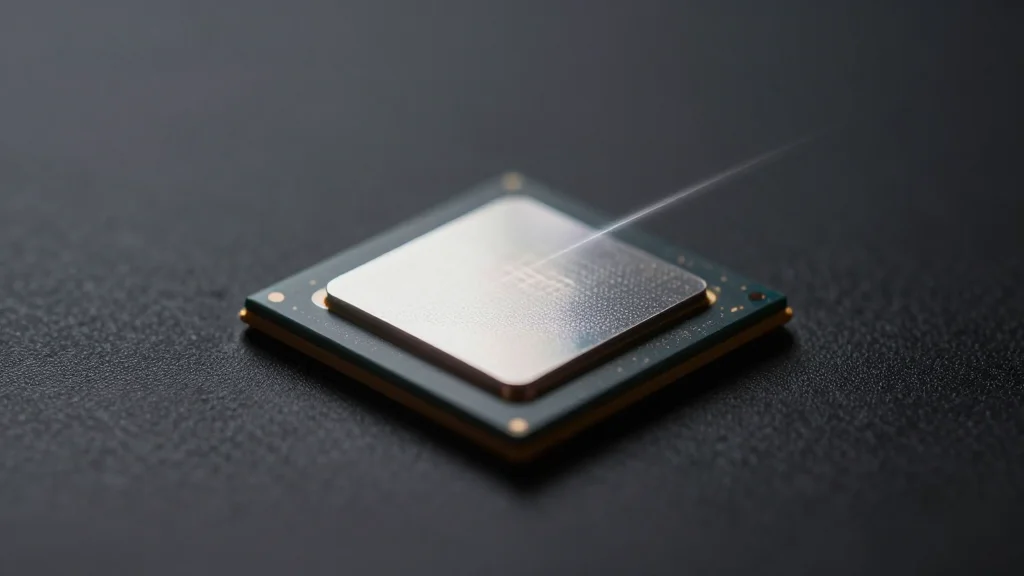
Ultrafast Light Switches Use Atomically Thin Semiconductors for Rapid Optical Control
Researchers at the University of Oldenburg have created a hybrid nanostructure of silver and a monolayer tungsten disulfide that acts as an ultrafast optical switch, changing its reflectivity within 70 femtoseconds. The device, described in Nature Nanotechnology, demonstrates a 10 %...

Two-Dimensional Materials Expand Options for Next-Generation Terahertz Quantum Devices
Scientists at the National University of Singapore have shown that atomic‑scale substitutional dopants in two‑dimensional transition‑metal dichalcogenides can act as stable quantum defects with terahertz‑range zero‑field splitting. High‑throughput first‑principles simulations of 50 MoS₂ and WSe₂ monolayers identified several spin‑triplet defects...
Engineered Nanobodies Improve Respiratory Defenses in Preclinical Study
Researchers at MD Anderson and Stanford engineered bispecific nanobodies that anchor viral particles to the respiratory mucus, boosting the airway’s first‑line defense. In preclinical mouse models the nanobodies reduced infection rates for influenza and SARS‑CoV‑2 and cut viral transmission. The...