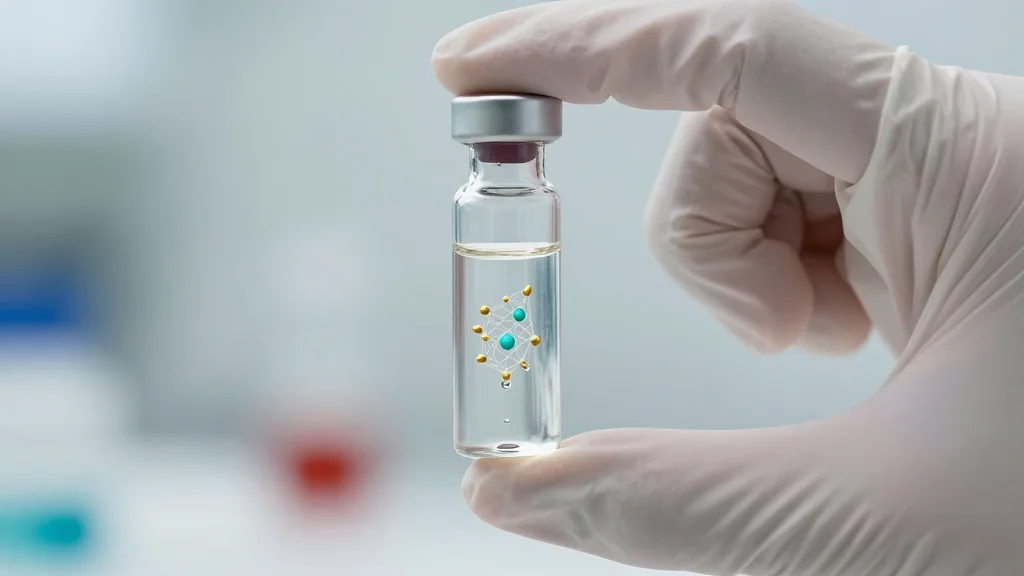
PH‐Responsive Nanoparticle‐Coated Calcium Phosphate Granules for Bone Cancer Therapy
Why It Matters
The system provides on‑demand anticancer drug release, addressing the persistent challenge of residual tumor cells after bone tumor resection, while simultaneously supporting bone healing. Its selective mechanism could improve survival rates and reduce recurrence in osteosarcoma patients.
Key Takeaways
- •pH‑responsive imine linkers detach nanoparticles in acidic tumor
- •Selenium‑doped mesoporous silica nanoparticles kill osteosarcoma cells
- •β‑TCP granules retain osteogenic activity for bone regeneration
- •Selective release minimizes toxicity to healthy mesenchymal stem cells
- •Alendronate ensures strong binding of nanoparticles to TCP scaffold
Pulse Analysis
Osteosarcoma remains a formidable clinical problem because surgical excision often leaves microscopic disease that can trigger recurrence, and the resulting bone defect requires robust regeneration. Conventional bone graft substitutes either lack anticancer activity or release chemotherapeutics indiscriminately, compromising healthy tissue. The emerging need is for a scaffold that can both eradicate residual tumor cells and act as a bioactive matrix for new bone formation, a dual function that has been elusive until recent nanotechnological advances.
The new platform leverages a clever chemistry: imine bonds formed between aldehyde‑functionalized selenium‑doped mesoporous silica nanoparticles and alendronate‑modified β‑TCP granules. Under neutral pH, these bonds are stable, anchoring the therapeutic nanoparticles to the scaffold. In the slightly acidic microenvironment typical of osteosarcoma (pH ≈ 6.5), the imine linkages hydrolyze, liberating the nanoparticles directly at the tumor site. Selenium doping endows the silica framework with intrinsic cytotoxicity, while the mesoporous architecture facilitates rapid ion exchange, amplifying cancer cell apoptosis without harming surrounding mesenchymal stem cells.
Beyond its targeted cytotoxicity, the system preserves the osteoconductive properties of β‑TCP, as evidenced by increased alkaline phosphatase expression and mineral deposition in hMSCs. This synergy could translate into faster postoperative bone healing and reduced implant failure. If scaled to clinical trials, the technology promises a paradigm shift: surgeons could implant a single, multifunctional graft that simultaneously treats residual disease and restores skeletal integrity, potentially lowering recurrence rates and improving long‑term functional outcomes for bone cancer patients.
pH‐Responsive Nanoparticle‐Coated Calcium Phosphate Granules for Bone Cancer Therapy
Comments
Want to join the conversation?
Loading comments...