
Ultrafast X-Rays Reveal Physical Principles Behind Lipoprotein Motion Within Egg Yolk Plasma
An international team employed megahertz X‑ray photon correlation spectroscopy at the European XFEL to record low‑density lipoprotein (LDL) motion inside egg yolk plasma on microsecond timescales. They found LDLs become temporarily caged by neighboring particles and proteins, slowing diffusion up to 100 times versus dilute solutions. This slowdown defies the Stokes–Einstein relation, with particle softness and long‑range hydrodynamic interactions driving the effect. The study offers a new framework for transport in crowded soft‑matter systems, relevant to cell biology and lipoprotein‑based drug delivery.
Stretchy Plastics Conduct Electricity via Tiny, Whisker-Like Fibers
Researchers at Penn State used cryogenic electron microscopy to uncover how adding specific salts and water to the conductive polymer PEDOT:PSS creates hair‑like nanofibers that dramatically improve both stretchability and electrical conductivity. The nanostructure, revealed at –180 °C, shows that lithium‑based...
Join the Global Graphene Community at Graphene Connect 2026!
Graphene Connect 2026, an online two‑day conference on March 11‑12, is co‑organized by Graphene‑Info and TechBlick. It gathers researchers, startups, investors, and industry leaders to showcase the latest graphene technologies and applications. Live expert talks, startup demos, and networking sessions...
Multi‐Walled Carbon Nanotubes Loaded with Nickel‐Manganese Bimetallic as Three‐Dimensional Particle Electrodes for the Removal of 2,2′‐bipyridine From Photovoltaic Copper Electroplating...
Researchers developed a three‑dimensional electrocatalyst composed of nickel‑manganese bimetallic particles supported on multi‑walled carbon nanotubes (Ni‑Mn@MWCNTs) to treat photovoltaic copper electroplating wastewater containing the toxic additive 2,2′‑bipyridine. Under optimal conditions—Ni:Mn ratio 2:1, 4 mA cm⁻² current density, 4 g L⁻¹ catalyst dosage, and 2 cm...
Multifunctional Roles of Vacancy Defects in Advancing Thermoelectric Materials
The review highlights vacancy engineering as a transformative strategy for thermoelectric (TE) materials, detailing how intentional vacancy creation can simultaneously tune electronic band structures, carrier concentrations, and phonon transport. It surveys state‑of‑the‑art characterization tools, computational predictions, and synthesis routes that...
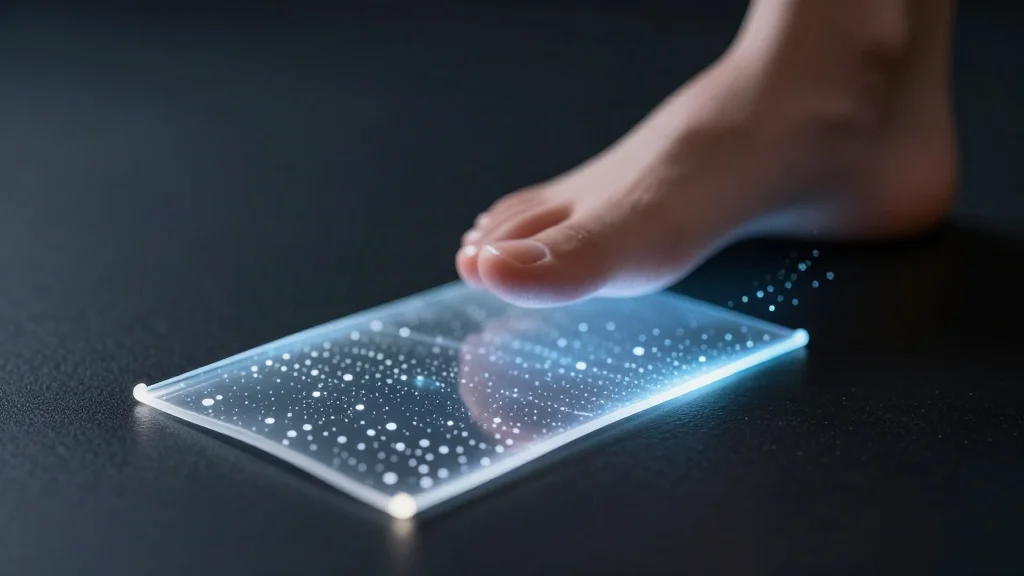
Chitosan‐Loaded Lead‐Free Sodium Bismuth Titanate Composite Flexible Triboelectric Nanogenerator for Energy Harvesting, Biomechanical Sensing, and Smart‐Path Touch‐Lighting for Safe Walking...
Researchers have developed a flexible triboelectric nanogenerator (TENG) using a sodium bismuth titanate (NBT) and chitosan composite film paired with PDMS. The lead‑free ferroelectric NBT particles enhance dielectric properties, delivering a peak voltage of 162.5 V, current of 4.1 µA and power...
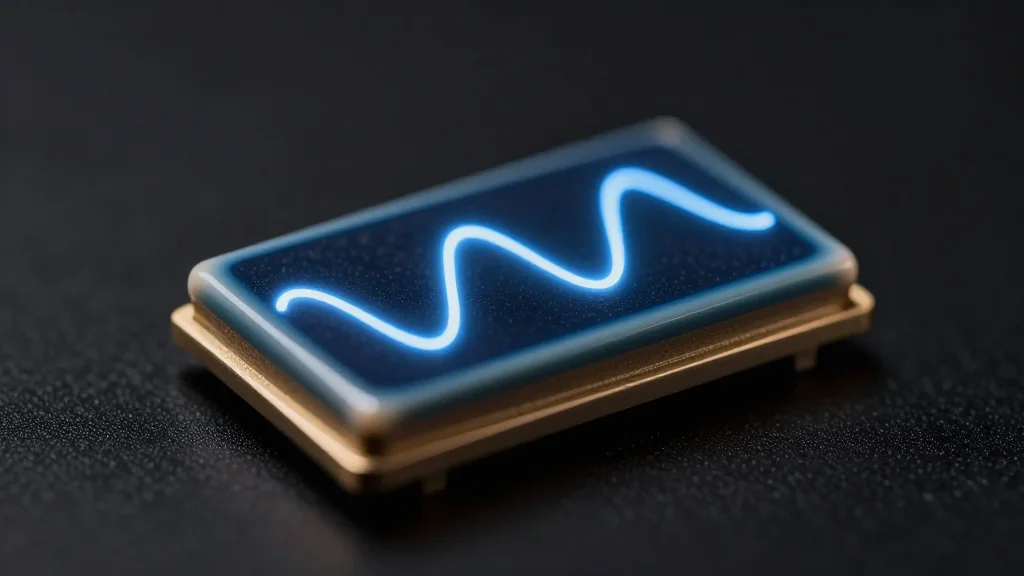
Synchronous Polarization Switching at Sub‐Coercive Fields Through Stochastic Resonance in Ferroelectric Thin‐Film Capacitors
Researchers demonstrated that stochastic resonance can trigger synchronous polarization switching in a thin‑film lead zirconate titanate (PZT) capacitor using sub‑coercive voltage pulses. By tuning the noise level to satisfy the Kramers‑time condition, the device switches reliably at half the signal...
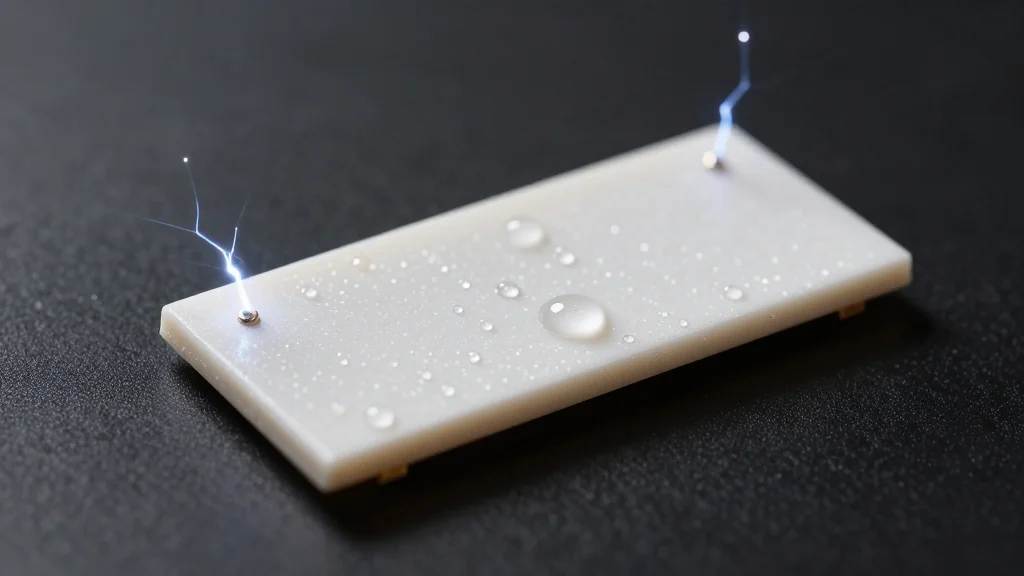
Recent Advances in Moisture‐Electric Nanogenerators: From Moisture‐Enabled Electrification to Practical Applications
Moisture‑electric nanogenerators (MEGs) harvest ambient humidity and convert it into electrical energy using specially designed hygroscopic materials. Recent research has introduced advanced moisture‑responsive composites that raise power output by an order of magnitude, bringing MEGs closer to practical deployment. The...
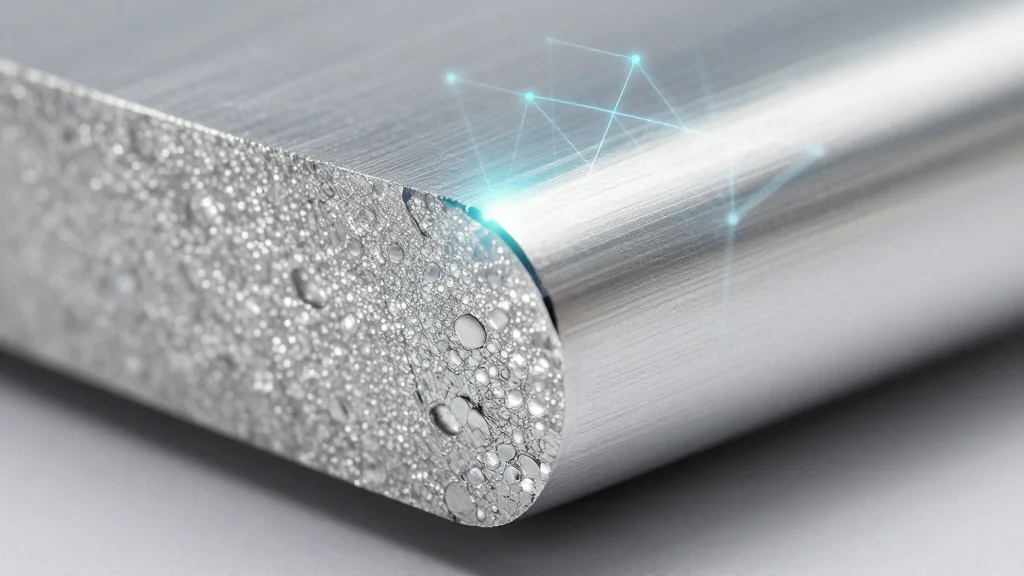
Computational Design of Thermally Stable Nanoprecipitates in Al‐Zn‐Mg Alloys: Insights From High‐Throughput DFT and Machine Learning
Researchers combined high‑throughput density functional theory with machine learning to screen transition‑metal additives for Al‑Zn‑Mg alloys. The study evaluated 21 candidates and identified nickel (Ni) as a superior stabilizer of the metastable η′ precipitate. Ni maintains high equilibrium solubility, enabling...
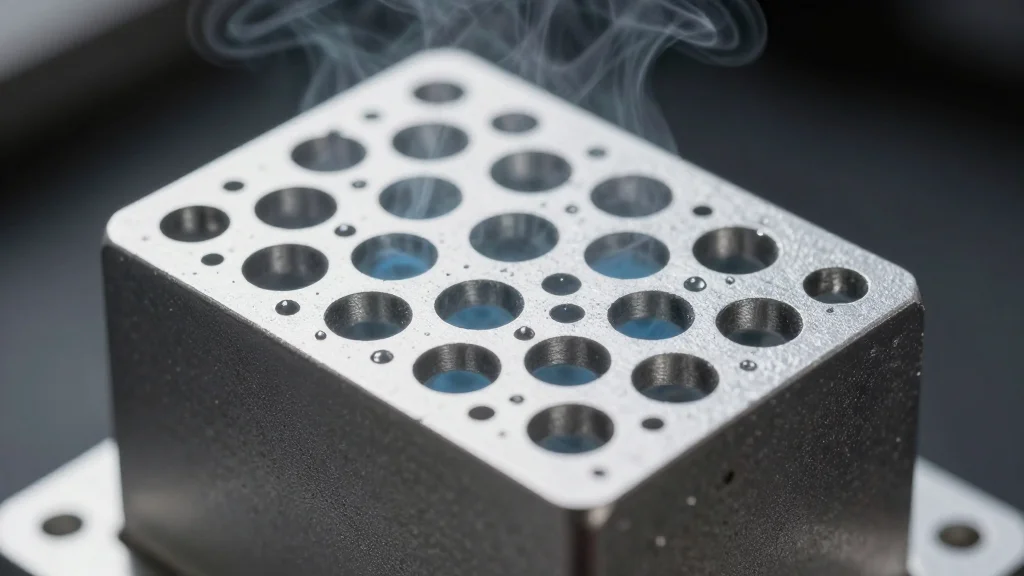
Construction of an Al‐Based MOF with Methyl‐Functionalized Microporous Nano‐Traps for Efficient Separation of SF6/N2
Researchers have engineered an aluminum‑based metal‑organic framework, NU‑62, that features methyl‑functionalized microporous nano‑traps for selective SF6 capture. The material exhibits a high SF6 uptake of 3.99 mmol g⁻¹ and an exceptional SF6/N2 selectivity of 209 at 298 K and 1 bar. Breakthrough experiments confirm...
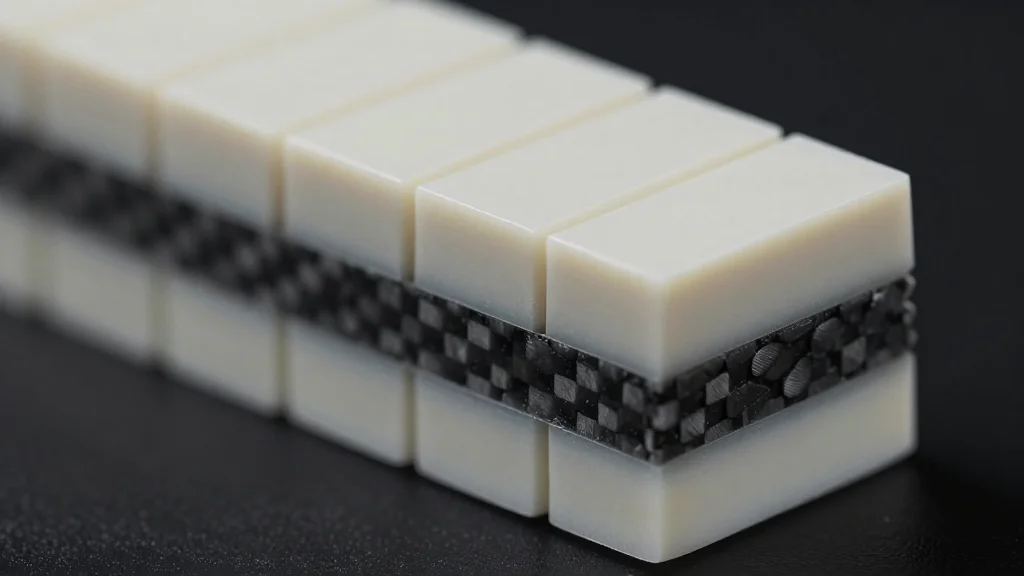
Bioinspired Integration of B4C/CNT: Laminated Composites With Nacre‐Like Mechanics for Lightweight Impact‐Resistant Systems
Researchers have created a bioinspired B4C/CNT laminated composite using in‑situ spark plasma sintering that mimics nacre’s brick‑and‑mud structure. The material achieves a low bulk density of 1.78 g/cm³ and a dynamic compressive strength of 1,098 MPa, delivering superior energy‑absorption performance. During high‑temperature...
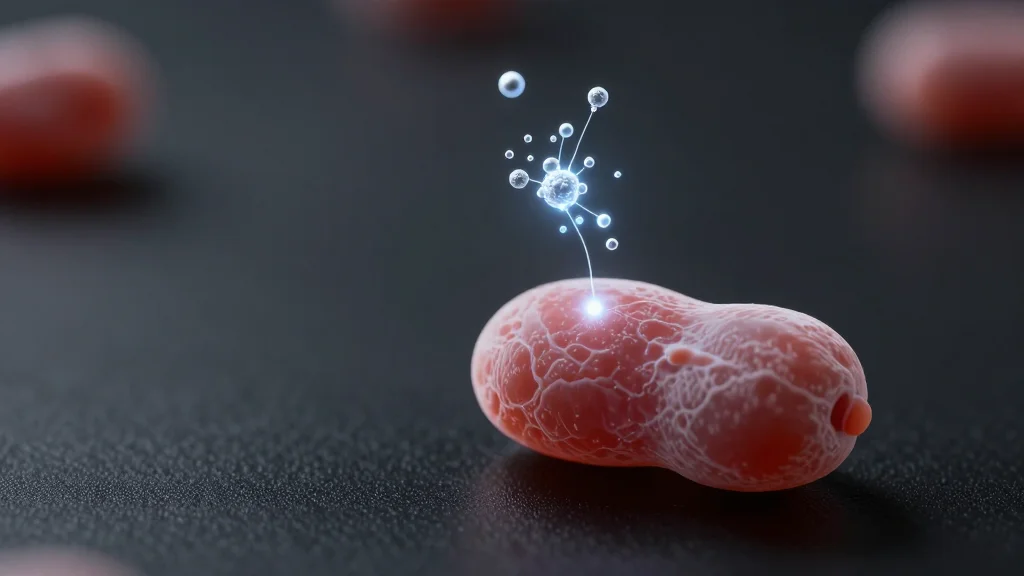
Engineered Nanoparticles Could Deliver Better Targeted Cancer Treatment to Lymph Nodes
Scientists at McGill University and the Goodman Cancer Institute have engineered nanoparticles that deliver an existing immunotherapy directly to metastatic lymph nodes. The nanocomplex senses a molecule abundant in cancer‑laden nodes, activating the drug only at the disease site while...
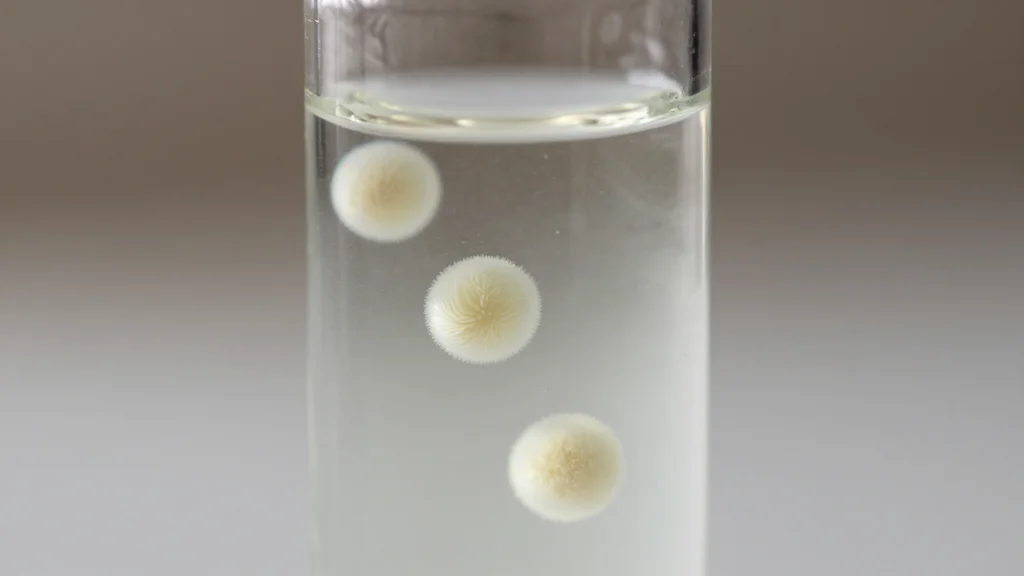
Sometimes Less Is More: Messier Nanoparticles May Actually Deliver Drugs More Effectively than Tightly Packed Ones
Researchers at the University of Copenhagen unveiled a high‑throughput, single‑nanoparticle analysis that examined millions of lipid nanoparticles (LNPs) used for RNA delivery. The study identified two distinct LNP subpopulations—organized, onion‑layered particles and disordered, amorphous particles—and found the latter release their...

GMG Partners with Tickford Racing to Trial Graphene Products on the Racing Track
Graphene Manufacturing Group (GMG) has teamed up with Tickford Racing to test its liquid graphene products, including G Lubricant and THERMAL‑XR, on high‑performance race cars. The collaboration will assess reliability, efficiency and performance gains in the team’s workshop and event infrastructure....
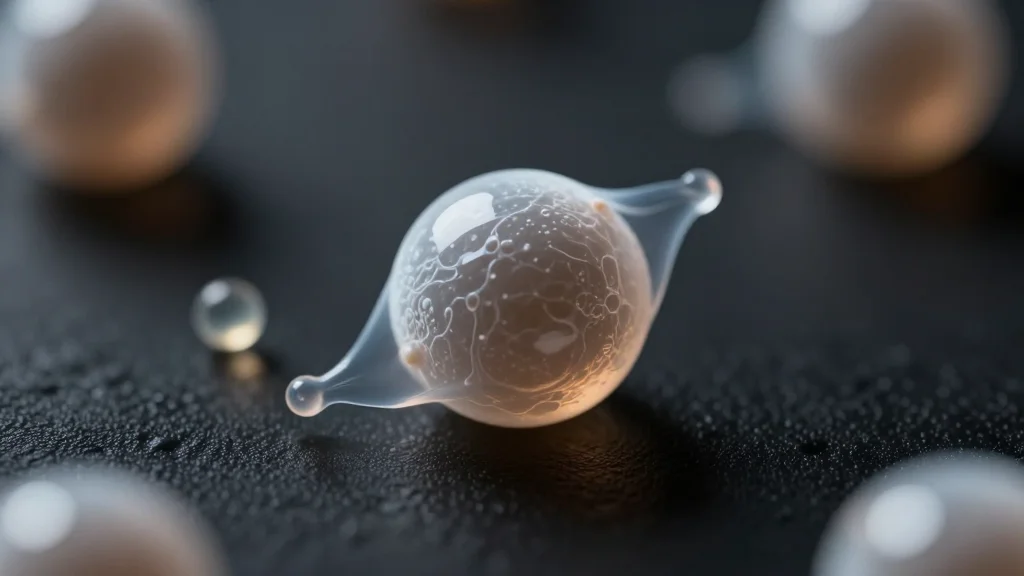
Macrophage Phenotype–Dependent Protein Corona Formation Governs Ligand Accessibility and Immune Clearance of Biomimetic Nanoparticles
Researchers coated magnetic silica nanoparticles with membranes from naïve (M0), classically activated (M1) and alternatively activated (M2) macrophages to study phenotype‑dependent protein corona formation. Proteomic analysis showed M0‑derived membranes adsorbed the fewest opsonins (C3, IgG, IgM) and triggered the lowest...
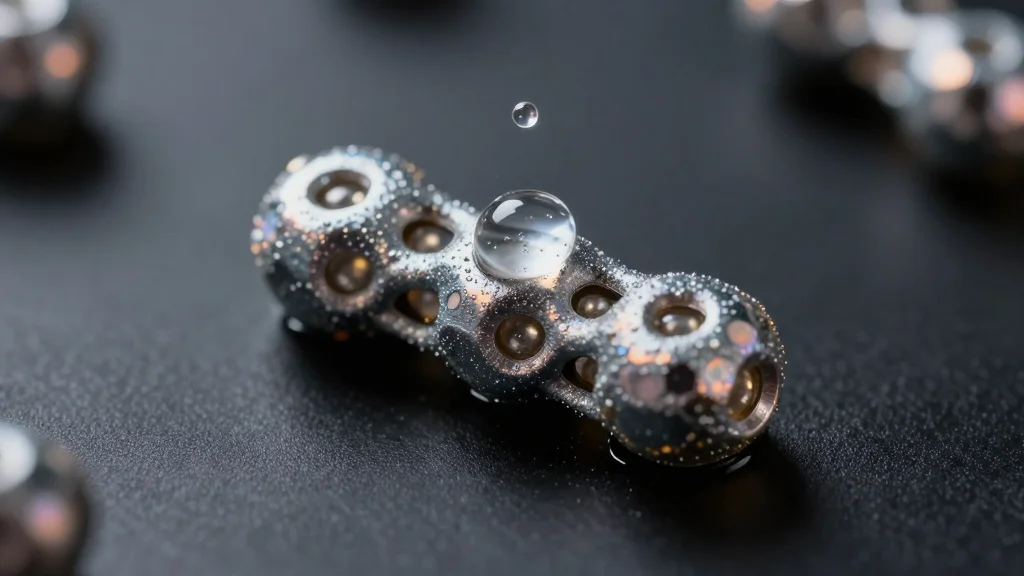
Multi‐Metallic Organic Framework‐Based Composites as Electrocatalysts
The review highlights multi‑metallic organic framework (MMOF) composites as a versatile platform for electrocatalysis, emphasizing how coupling metal, carbon, and multi‑partner components creates synergistic active sites, conductivity, and stability. It surveys recent heterostructures applied to water splitting, oxygen reduction, and...
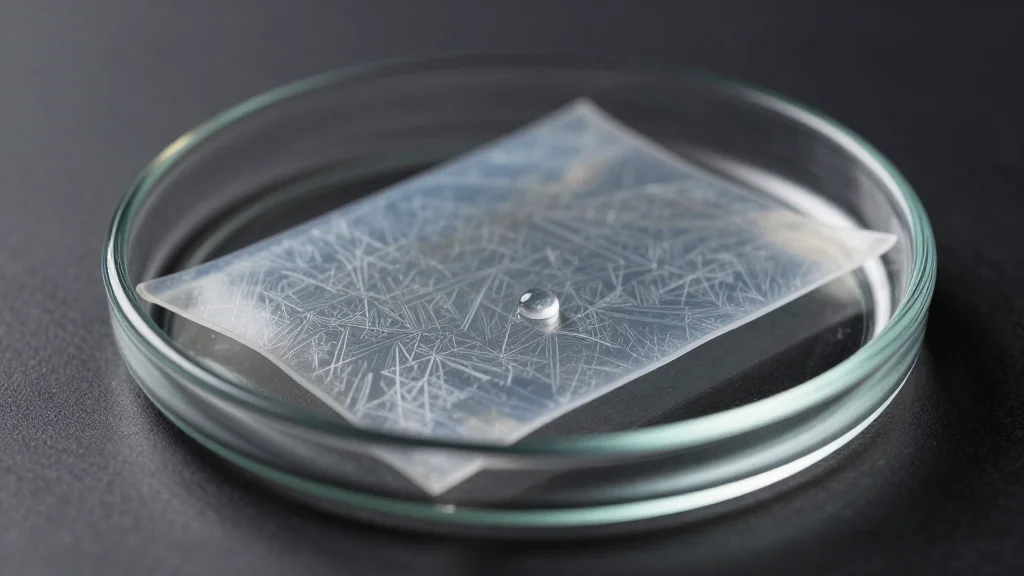
Reversible Bond Dynamics Enable Crystallinity‐Healed COF Membranes for Selective Ion Transport
Researchers unveiled a “make‑then‑heal” strategy for covalent organic framework (COF) membranes that separates film formation from crystallization. After interfacial polymerization, an acid‑catalyzed hydrothermal step triggers reversible bond exchange, dramatically improving order. The healed TpPa‑SO3H membrane shows a 25‑fold rise in...
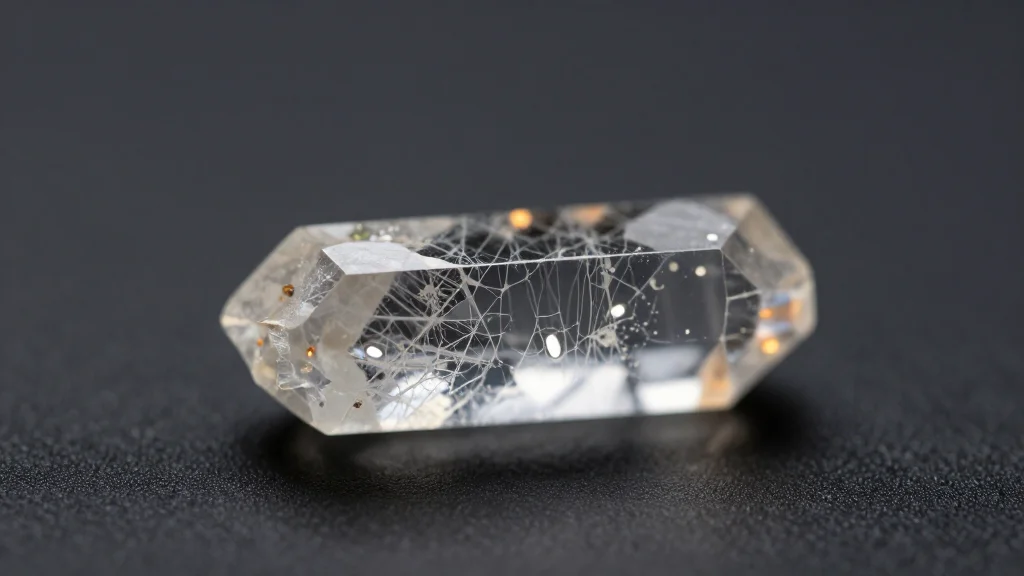
Suppressing Intrinsic Ge Vacancies Enables High Thermoelectric Performance in Rhombohedral GeTe
Researchers combined high‑energy ball milling with low‑temperature annealing to curb intrinsic germanium vacancies in rhombohedral GeTe. The treatment fragments and then re‑dissolves Ge secondary phases, while Bi/Sb co‑doping trims carrier concentration and lattice thermal conductivity. These synergistic steps lift the...
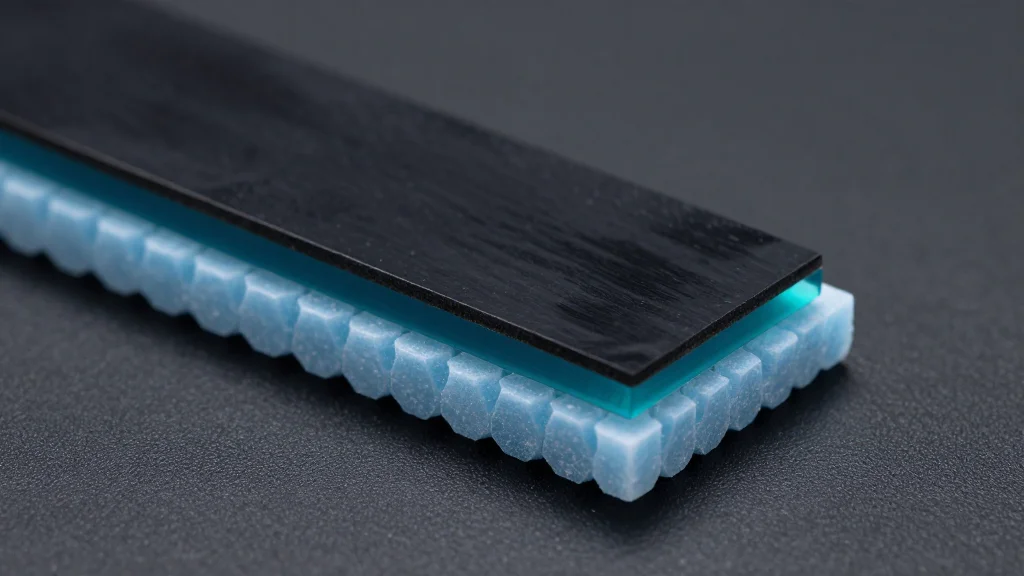
Direct Write, Read, and Erase of a Vertical Heterostructure of Graphene–Monolayer Electrolyte–H‐BN Using Electric Force Microscopy
Researchers have demonstrated a vertical heterostructure where a monolayer electrolyte is sandwiched between hexagonal boron nitride and multilayer graphene. The bistable ions in the electrolyte allow electric‑force microscopy to write, read, and erase non‑volatile doping states in graphene, achieving sheet...

A Quercetin Nanocarrier‐Loaded Dual Network Injectable Hydrogel for Mesenchymal Stem Cells (MSCs) Delivery Targeting Osteoarthritis
Researchers have created an injectable dual‑network hydrogel composed of gelatin methacrylate and κ‑carrageenan that embeds quercetin‑loaded PLGA nanoparticles for mesenchymal stem cell (MSC) delivery in osteoarthritis (OA). The antioxidant hydrogel scavenges reactive oxygen species, reprograms M1 macrophages to an anti‑inflammatory...

Nanozyme Aptasensor: A Breakthrough in S. Aureus Diagnostics
Researchers have unveiled a nanozyme‑aptamer colorimetric array that classifies Staphylococcus aureus strains with 100% accuracy, including methicillin‑resistant variants. The platform couples gold‑nanoparticle nanozymes with four strain‑specific aptamers, producing distinct color fingerprints that are decoded by hierarchical clustering and linear discriminant...

Application Spotlight: AI-Designed Patient-Specific Spinal Implants Set for First In-Human Procedures in 2026
Nivalon, founded by Todd Hodrinsky and Marcel Janse, is preparing to launch its AI‑designed, patient‑specific spinal implant system, EvoFlex, in first‑in‑human trials slated for 2026. The implants are generated through machine‑learning algorithms that model each patient’s vertebral geometry, aiming to...
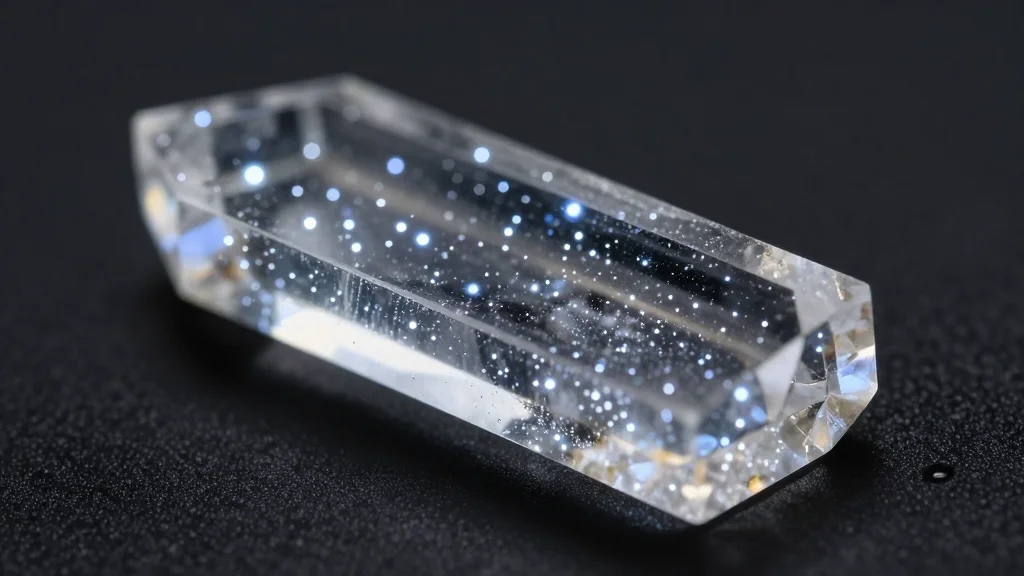
Nature-Inspired Method Forms ZnO Quantum Dots in Solid Crystals at Room Temperature
Researchers at the Polish Academy of Sciences and Warsaw University of Technology have demonstrated a new all‑solid‑state method that converts molecular Zn‑organometallic crystals into zinc oxide quantum dots at room temperature. By exposing the crystals to humid air, water‑induced hydrolysis...
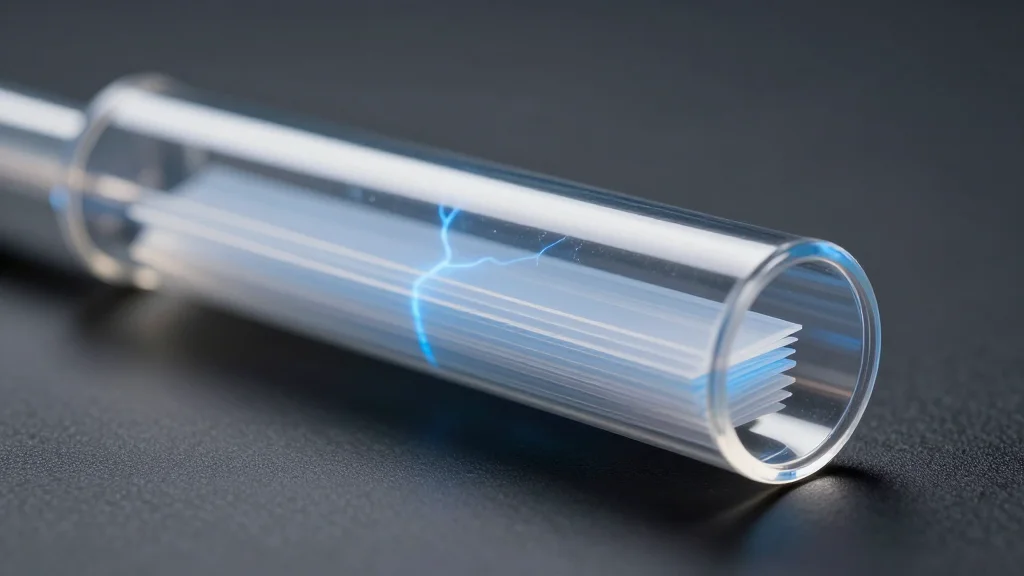
Transistor-Like MXene Membranes Enhance Ion Separation
Researchers at Lawrence Livermore National Laboratory have demonstrated that MXene membranes can be electrically gated like transistors, allowing real‑time control of ion transport. By applying a voltage across the membrane, they can switch ion flow on or off and even...

Researchers Call for Help with Reproducibility Crisis
Researchers from the Netherlands and France have launched a collaborative effort to replicate a 2012 study that claimed fluorescent quantum dots could detect copper ions inside living cells. Backed by an €8 million European Research Council grant, the NanoBubbles project is...

Nanodevice Produces Continuous Electricity From Evaporation
Researchers at EPFL’s Laboratory of Nanoscience for Energy Technology have unveiled a silicon‑nanopillar device that generates continuous electricity from evaporating saltwater. By deliberately coupling heat and sunlight, the system drives ion migration and electron excitation, producing a stable 1 V output...

Researchers Develop Graphene-Engineered MXene for PFAS Capture
Researchers from multiple institutions have created a graphene‑enhanced MXene electroadsorbent (MXene@rGO‑LDH, MGL) that dramatically improves PFAS removal from water. The composite achieves a maximum PFOA adsorption capacity of 119.5 mg g⁻¹—almost twice that of pristine MXene—and reaches 98.45% removal at pH 4 under...

A Liquid Ge(IV) Precursor for Low Temperature Plasma Enhanced Atomic Layer Deposition of Germanium Oxide Thin Films
Researchers have introduced a liquid germanium(IV) precursor, Ge(DMP)4, featuring the 3-(N,N-dimethylamino)propyl ligand. The compound combines high volatility, exceptional thermal stability, and non‑pyrophoric handling, enabling plasma‑enhanced atomic layer deposition (PEALD) of germanium oxide from 40 °C to 240 °C. Across this wide temperature...

Intermingled Coordination Environments Enable Defect‐Engineered Metal–Polyphenol/G‐Quadruplex Hydrogel for Enhanced N2‐to‐NH3 Photoconversion
The researchers confined a Bi3+–caffeic acid complex inside a guanosine monophosphate‑based G‑quadruplex hydrogel, generating intermingled metal‑catechol and metal‑phosphate coordination sites that produce defect‑rich heterojunctions. This biomimetic matrix mimics ion‑channel pathways, boosting charge transport and nitrogen diffusion. Under visible‑light irradiation the...
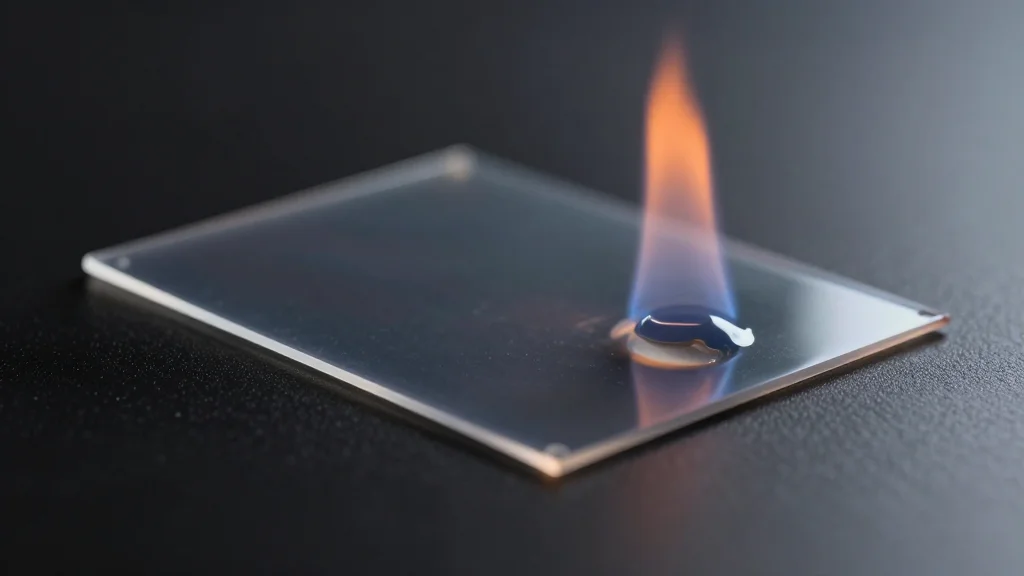
Liquid‐Processed 2D Aromatic Amorphous Carbon: Defect Engineering and Universal Transport Scaling
Researchers have introduced a deterministic method to convert liquid‑processed graphene oxide into a quasi‑amorphous 2D carbon, termed quenched reduced graphene oxide (qRGO), by applying rapid thermal quenching. The kinetic control of oxygen removal creates a distorted sp2 aromatic network with...
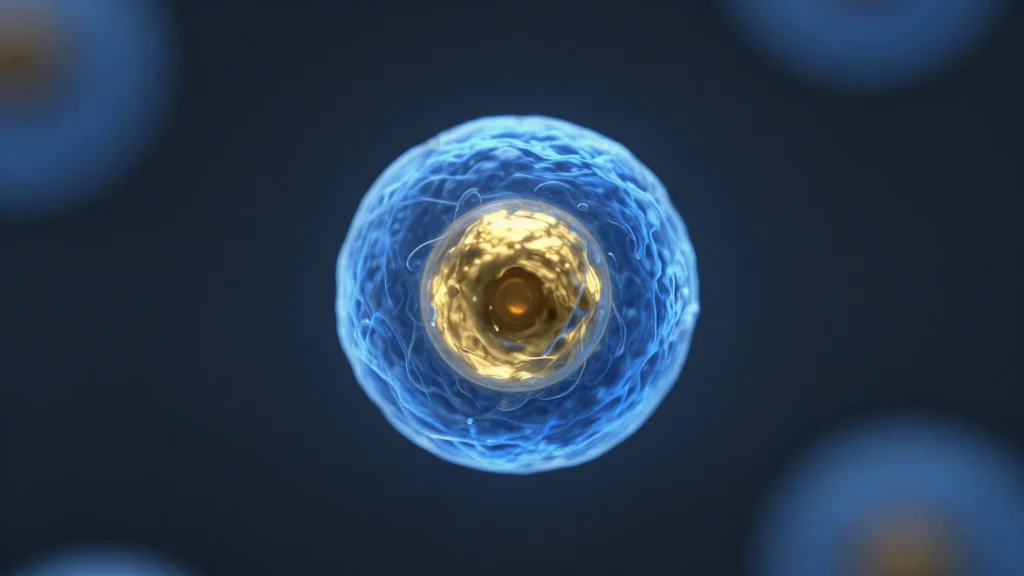
Gold@MnFe‐Prussian Blue Analog Yolk@Shell Nanoparticles for Light‐Triggered and pH‐Sensitive Drug Release
Researchers have engineered Au@MnFe‑Prussian Blue Analog yolk‑shell nanoparticles that combine a hollow cavity with a functional shell for biomedical use. The synthesis creates a ~75 nm interior, achieving roughly 50% loading efficiency for the chemotherapeutic doxorubicin. Partial etching and redeposition of...

Achieving High‐Efficiency Type I Multimodal Photosensitizers via a Synergistic Rigidity‐Flexibility Strategy for Hypoxia‐Resistant Tumor Therapy
Researchers introduced a donor‑acceptor (D‑A) molecular design that couples a rigid coplanar backbone with flexible side chains, dramatically raising near‑infrared molar extinction and fluorescence brightness. The resulting phenothiazine‑based photosensitizer, EL‑TPO2F, also exhibits strong type‑I reactive oxygen species (ROS) production and...
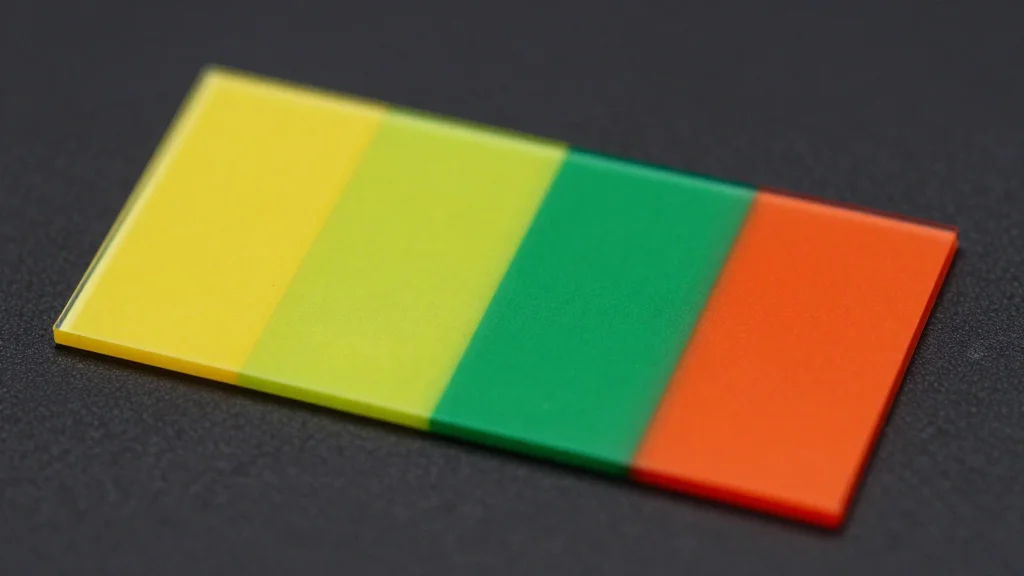
Controlled Preparation of Vanadium Pentoxide Films and Their Multicolor Electrochromic Properties
Researchers fabricated vanadium pentoxide (V2O5) films on indium tin oxide substrates using a simple electrophoretic deposition (EPD) process, precisely tuning voltage and deposition time. Optimal conditions—5 minutes at the identified voltage—yielded uniform films that display four distinct electrochromic colors: yellow, yellow‑green,...

Thermal Performance Analysis of Magnetohydrodynamics with Carbon Nanotubes on a Stretching/Shrinking Porous Sheet
The study analytically examines magnetohydrodynamic (MHD) flow of carbon‑nanotube (CNT) nanofluids over a stretching or shrinking porous sheet, incorporating slip, radiation, and heat source/sink effects. Using similarity transformations, the governing equations are reduced to nonlinear ordinary differential equations and solved...
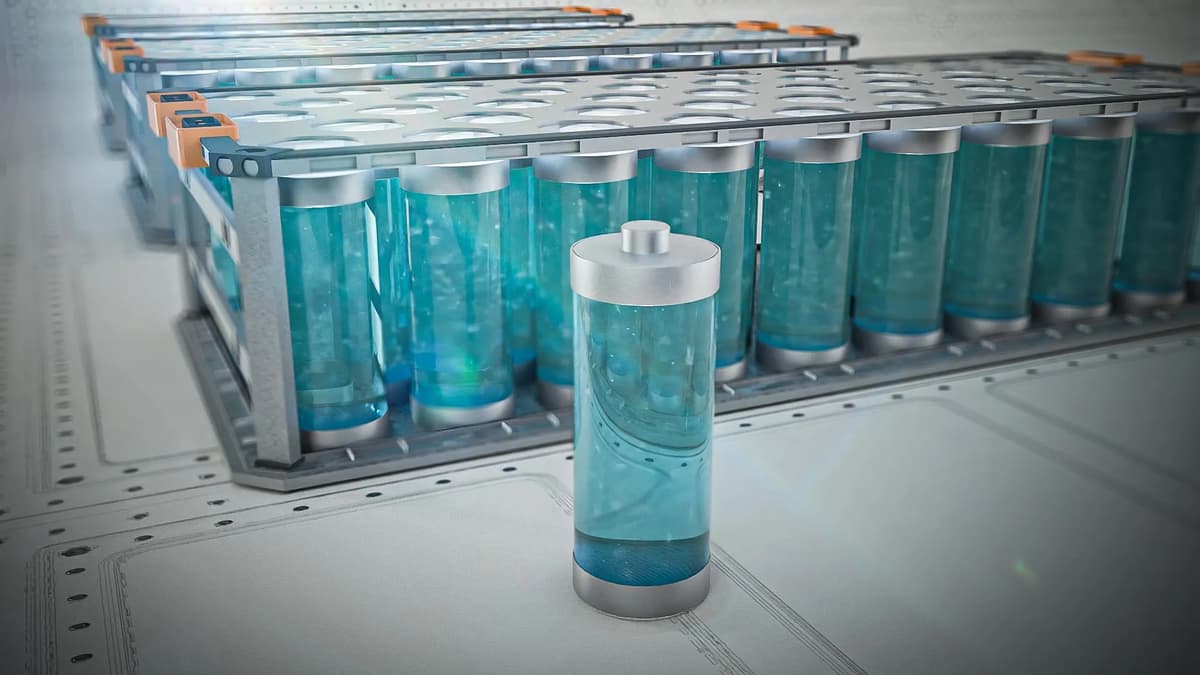
New Sodium Ion Battery Stores Twice the Energy and Desalinates Seawater
University of Surrey researchers discovered that retaining water in sodium vanadium oxide dramatically boosts sodium‑ion battery performance. The hydrated nanostructured sodium vanadate (NVOH) stores nearly twice the energy of conventional cathodes, charges faster, and remains stable for over 400 cycles....

Scientists Develop the World’s Tiniest Wireless Brain Implant
Scientists at Cornell University have created a wireless brain implant so small it can sit on a grain of salt, yet still record and transmit neural activity. The device uses light‑based optics for power and data, eliminating bulky wires and...
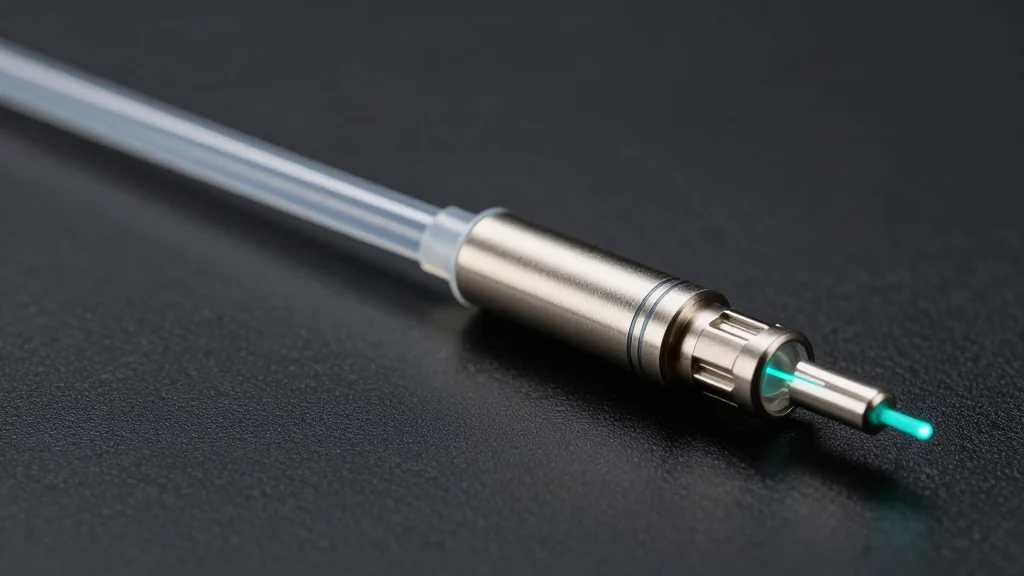
Pulse Biosciences Inc (PLSE) Q4 2025 Earnings Call Transcript
Pulse Biosciences reported its first commercial revenue of $86,000 from limited market release of the nPulse platform and Vibrance disposables. The company completed over 200 procedures across pilot programs and advanced multiple clinical studies, including FDA IDE clearance for the...

Mass Production Technology Developed for Ultra-High Color Purity Perovskite Emitters
Professor Tae‑Woo Lee’s team has unveiled a cold‑injection synthesis that mass‑produces perovskite nanocrystals with ultra‑high color purity at ambient temperature, eliminating the need for high‑temperature, vacuum or specialized gas facilities. The process achieves near‑100 % photoluminescence quantum yield and an external...
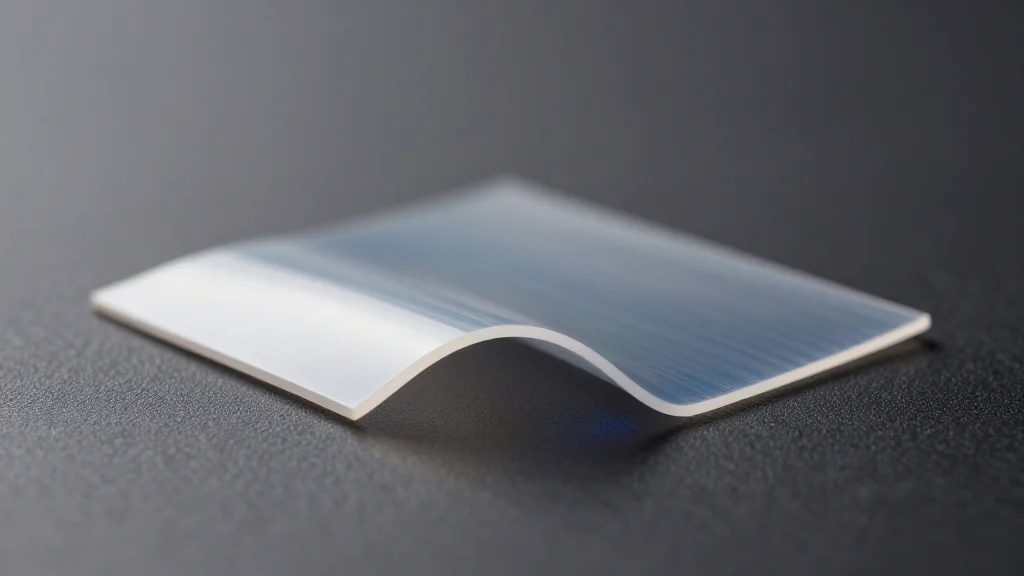
When Electronics Become Flexible: Atom-Thin Materials for Future Devices
IISER Pune researchers have demonstrated large‑area bismuth oxyselenide (Bi₂O₂Se) nanosheets only a few atomic layers thick, grown by fine‑tuning temperature, gas flow and precursor ratios. The nanosheets were integrated onto a Kapton substrate to create microscopic flexible electronic devices. Even after...
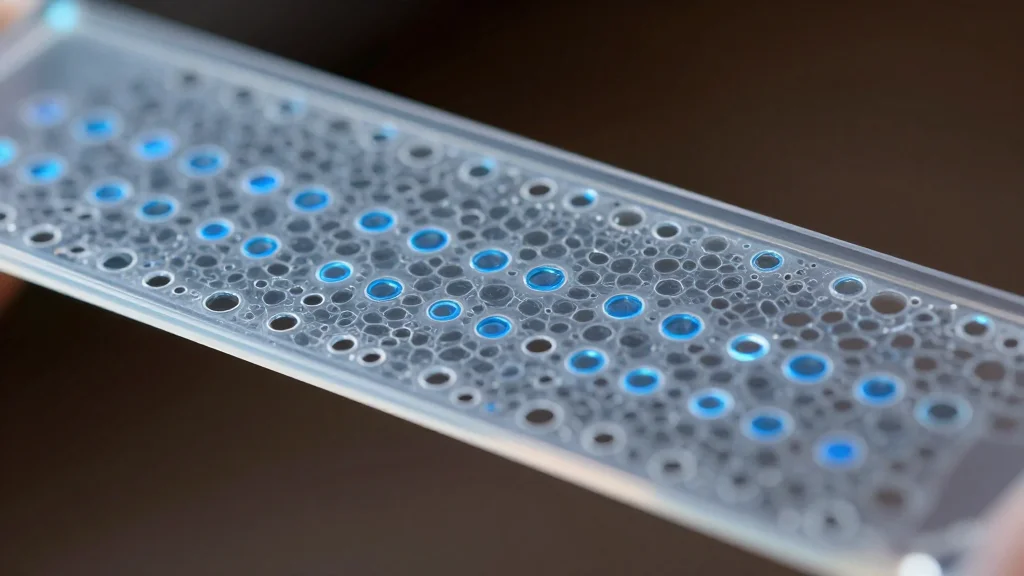
Chemistry-Powered 'Breathing' Membrane Opens and Closes Tiny Pores on Its Own
Researchers at Osaka University have engineered a chemistry‑driven solid‑state membrane that autonomously opens and closes subnanometer pores by reversing the polarity of an applied voltage. The process relies on electrochemical precipitation to block the pore and dissolution to reopen it,...

Ultrasound-Jiggled Nanobubbles Can Crack Cancer's Collagen 'Fortress'
Researchers at Case Western Reserve University have shown that ultrasound‑activated nanobubbles can mechanically disrupt the dense collagen matrix surrounding solid tumors, creating a temporary “softening” effect that lasts several days. In a breast‑cancer model, the approach enabled deeper penetration of...

Single‐Particle Kinetics Unravel Aperture‐Size Dominance in Hot‐Carrier Transfer and Product Desorption for Photocatalytic Reactions in Plasmonic Nanocavities
Researchers tuned gold nanocup cavity apertures from 35 to 67 nm to study plasmonic photocatalysis. The medium‑size aperture (~58 nm) delivered the highest turnover rate of 0.59 s⁻¹, outperforming smaller and larger apertures by 2.8‑8.4×. Single‑particle kinetic imaging showed that this optimum arises...
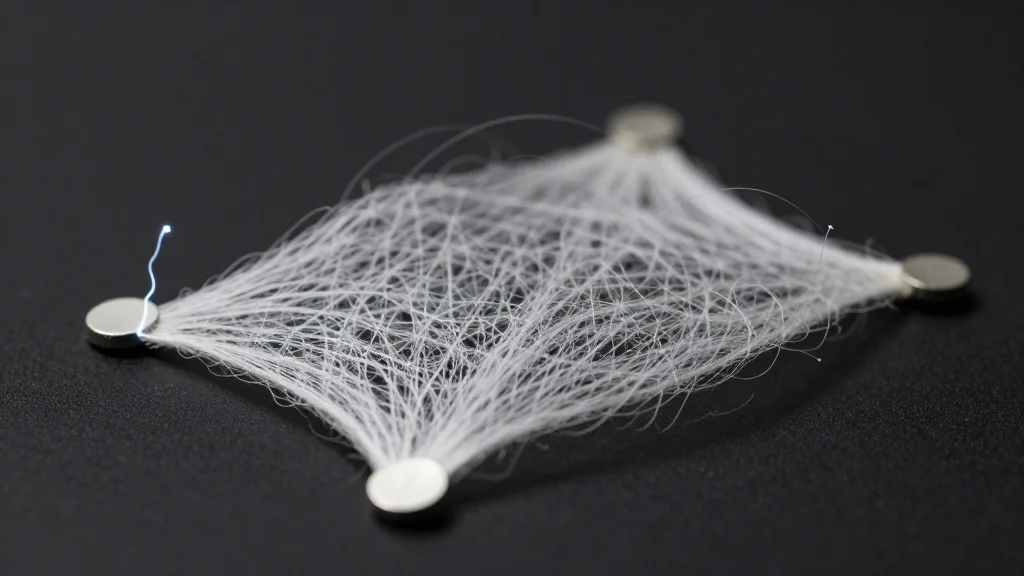
Recycled Thermocol Nanofibers Based Smart Triboelectric Nanogenerators for AI‐Assisted Switching
Researchers transformed waste expanded polystyrene (EPS) into electrospun nanofibers and used them as the tribonegative layer in a triboelectric nanogenerator (TENG). The nanofibrous architecture delivers an open‑circuit voltage of about 159 V, a short‑circuit current of 22 µA, and a peak power...

Light‐Controlled Exposure/Blockage of Permanent Cavities in Metal‐Organic Cages‐Based Type II Porous Liquids
Researchers have created the first type II porous liquid whose permanent cavities can be exposed or blocked with light. By attaching azobenzene ligands to a charged metal‑organic cage (MSA) and dissolving it in the bulky ionic liquid P6,6,6,14Cl, they achieved a...
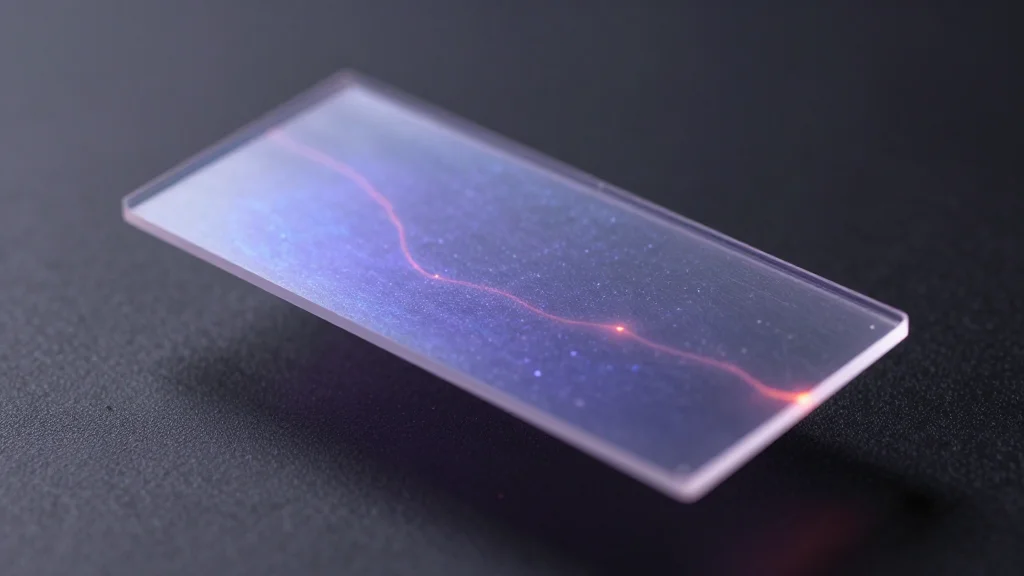
Study on the Plasma‐Induced Synthesis of P‐Ru‐Co(OH)2@PCC for the Electrochemical Reduction of Nitrate
A plasma‑assisted micro‑modulation technique restructures Ru‑doped Co(OH)₂ nanosheets, creating oxygen vacancies and lowering metal oxidation states. These changes boost hydrogen adsorption and nitrate binding, dramatically improving nitrate‑to‑ammonia electrocatalysis under neutral pH. The resulting P‑Ru‑Co(OH)₂@PCC catalyst achieves a record ammonia yield...
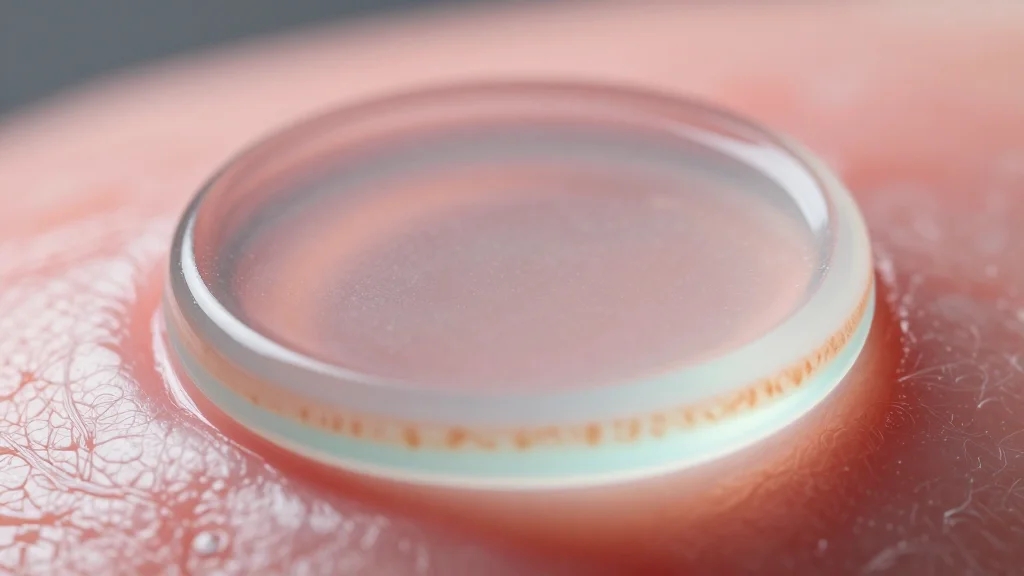
An Oral Mucosa‐Inspired Wet‐Adhesion Janus Hydrogel With Asymmetric Bifunctionalities of Antifouling/Antioxidant for Treating Oral Ulcer in Diabetes
Researchers have engineered a wet‑adhesion Janus hydrogel (WAJH) that mimics oral mucosa to treat diabetic oral ulcers. The hydrogel features an antifouling agar/polyacrylamide layer and a tannic‑acid‑rich adhesive layer, delivering adhesion energies of 15 J m⁻² and 316 J m⁻² respectively. Its antioxidant tannic...
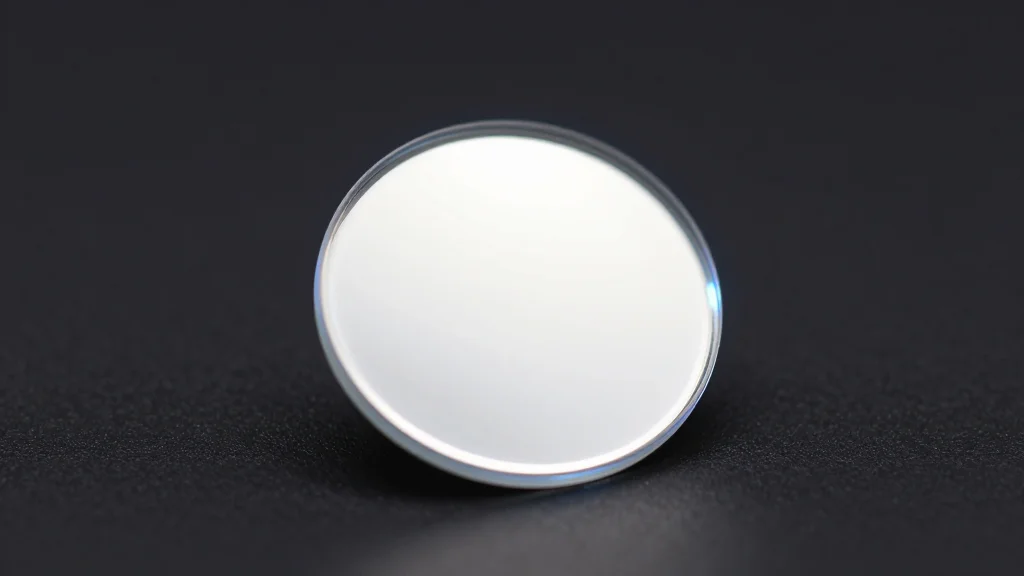
Microscopic Mirrors for Future Quantum Networks: A New Way to Make High-Performance Optical Resonators
Harvard SEAS researchers have introduced a micro‑fabrication technique that creates some of the smallest, smoothest mirrors ever made for photon control. By thermally oxidizing silicon, stripping the oxide, and applying a stress‑engineered dielectric stack, the film buckles into a precisely...
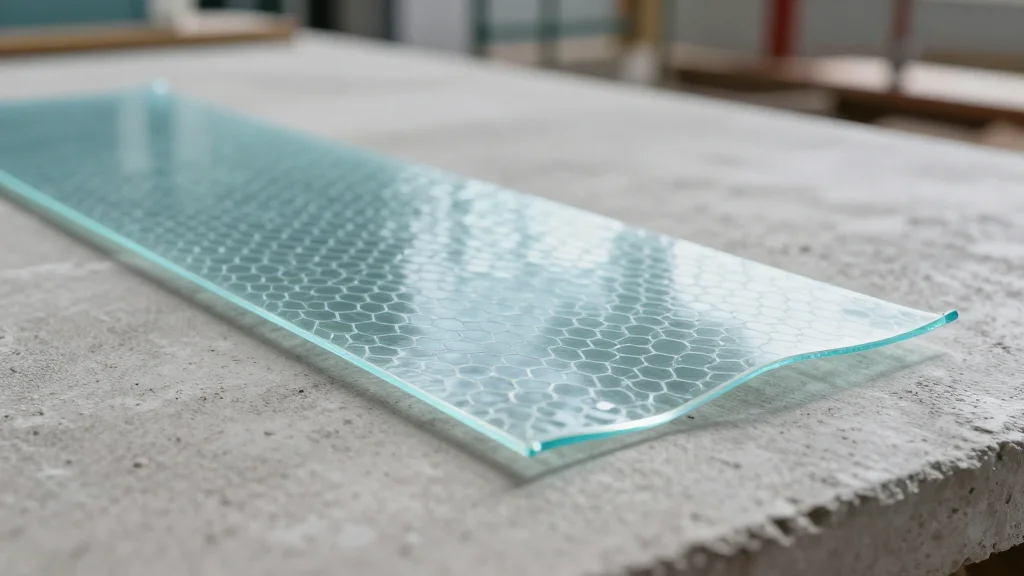
Graphene-Info Announces a New Edition of Its Graphene-Enhanced Construction Materials Market Report
Graphene‑Info released the February 2026 edition of its Graphene Construction Materials Market Report. The guide expands coverage with new tracked companies, ongoing projects, and research activities as adoption accelerates. It includes datasheets, brochures, analysis of carbon‑reduction benefits, and a focus on...

Could Graphene Memristors Tackle AI's Energy Use?
A new review in Nanoenergy Advances argues that graphene‑family memristors and photomemristors can dramatically lower AI’s energy footprint by merging sensing, memory, and computation in a single nanoscale device. The paper shows sub‑volt switching, power consumption as low as 200 nW,...
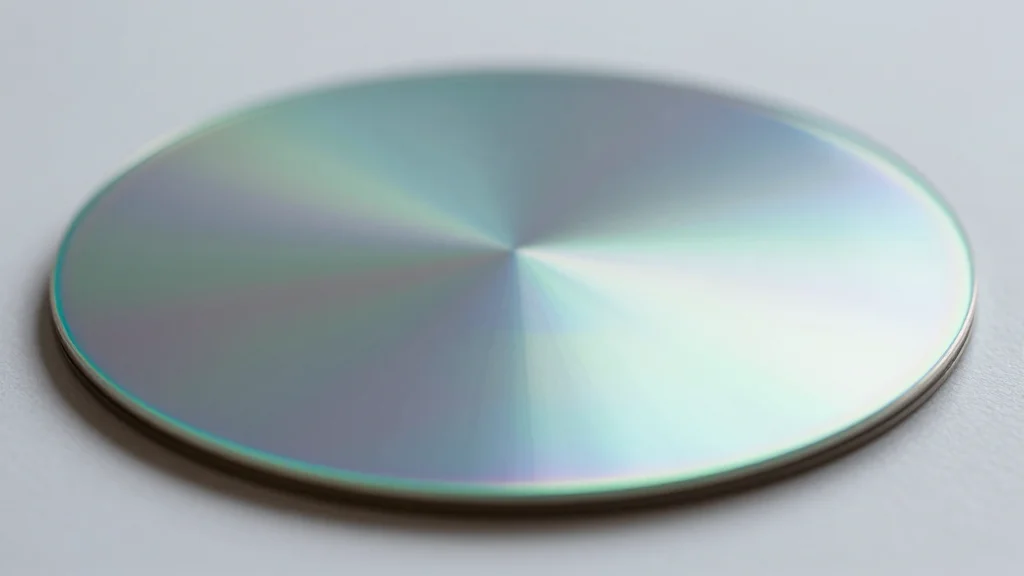
Twelve-Inch Electrically Anisotropic Boridene for Optoelectronic Computing
Researchers have demonstrated a 12‑inch wafer‑scale synthesis of electrically anisotropic boridene, a two‑dimensional Mo4/3B2‑x material with ordered metal vacancies. The study reports carrier mobilities exceeding 2,000 cm² V⁻¹ s⁻¹ along the high‑conductivity axis and a five‑fold anisotropy ratio, enabling directional charge transport for...